MARINO PH
Your Maritime Digital Hub

.jpg)
Ship draft is the vertical distance between the waterline and the lowest point of a vessel’s hull, usually the keel. It indicates how deep a ship sits in the water and is a critical factor in safe navigation. Draft changes depending on the vessel’s load, including cargo, fuel, ballast, fresh water, and provisions. A deeper draft means the ship is heavier, while a lighter ship has a shallower draft. Understanding draft is essential when entering shallow ports, canals, rivers, or during berthing, as insufficient water depth can lead to grounding and structural damage.
There are different types of draft. Forward draft is measured at the bow, aft draft at the stern, and mean draft is the average of both. These measurements help officers assess trim, stability, and compliance with port restrictions. Draft also affects a ship’s speed, fuel consumption, and maneuverability, making accurate monitoring vital for efficient operations.
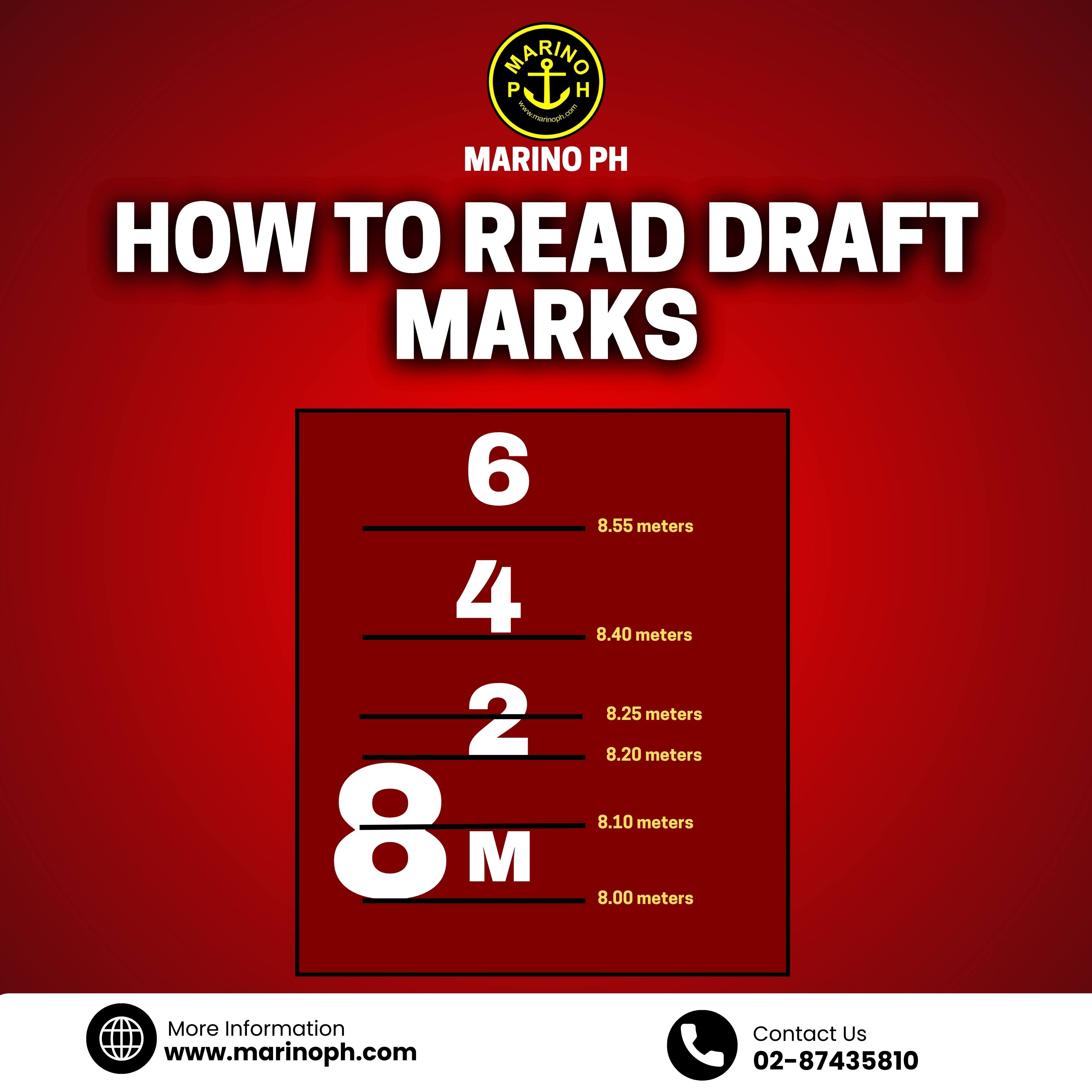
How to Read a Ship Draft
Ship draft is read using draft marks painted on the hull at the bow, stern, and sometimes midship. These marks are usually in meters or feet, with numbers increasing downward. To read the draft, observe the water level against the marks and note the number at the waterline. For greater accuracy, readings should be taken on both port and starboard sides and averaged, especially in rough or uneven water conditions.

ADVERTISEMENT
