MARINO PH
Your Maritime Digital Hub


A weakening Philippine peso affects the country’s economy by making imported goods and services more expensive. While a weaker peso may benefit exporters and Filipinos receiving foreign-currency remittances, it can also increase living expenses, affect businesses, and reduce consumers’ purchasing power.

An allotment is a portion of a seafarer’s monthly salary remitted by the employer to the seafarer’s designated beneficiary, known as the allottee, in the Philippines.
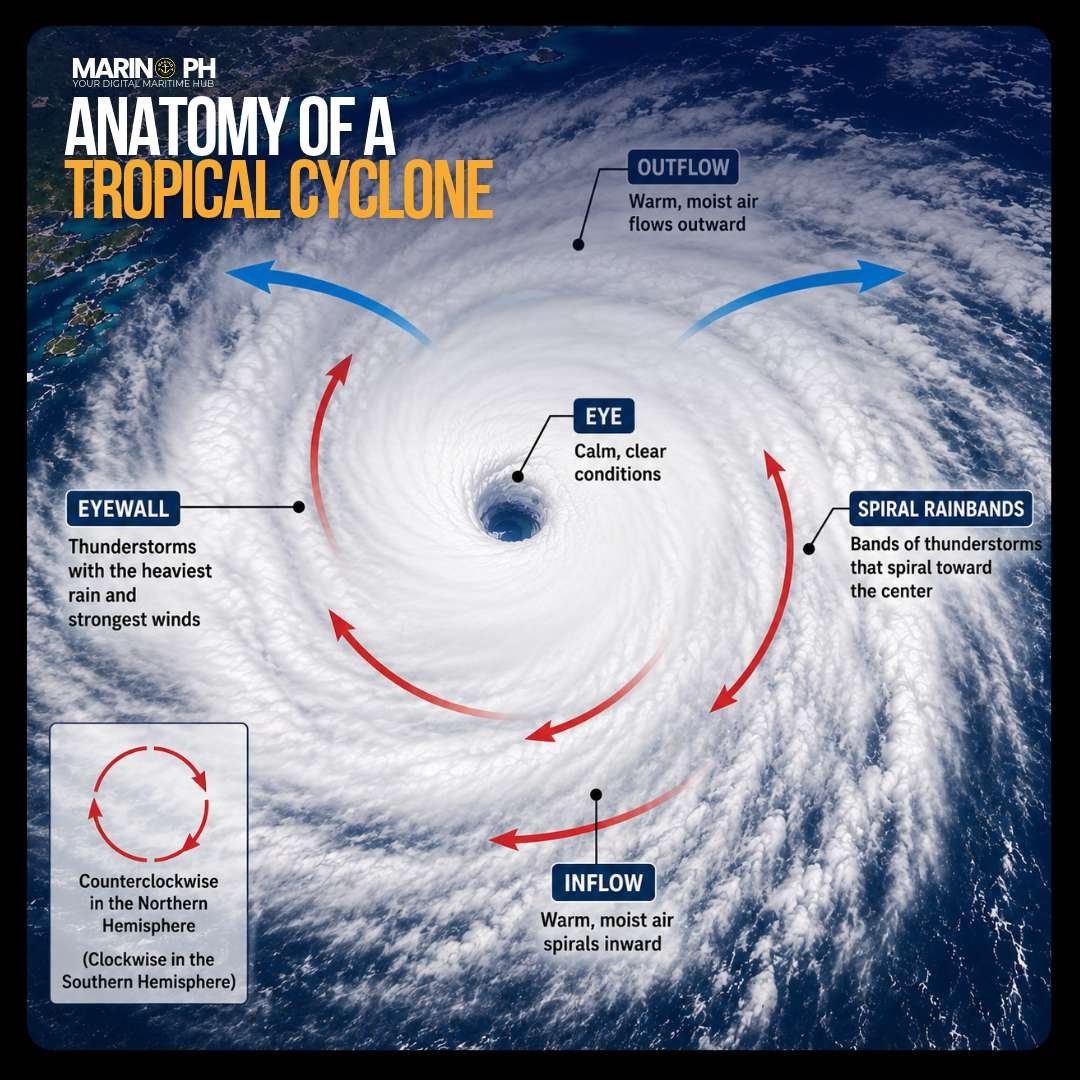
A tropical cyclone is a powerful rotating weather system that develops over warm ocean waters. Its main features include the eye, eyewall, spiral rainbands, inflow, and outflow. The eye is generally calm, while the surrounding eyewall produces the strongest winds and heaviest rainfall. Spiral rainbands extend outward, bringing thunderstorms and gusty winds across a wide area.
CPR, or Cardiopulmonary Resuscitation, is an emergency lifesaving procedure performed when a person is unresponsive and not breathing normally or has no signs of circulation. It combines chest compressions and, when appropriate, rescue breaths to help keep blood and oxygen flowing to the brain and other vital organs until the heart starts working again or professional medical help arrives. For an adult, CPR generally uses 30 chest compressions followed by 2 rescue breaths, repeated at a rate of 100–120 compressions per minute. An AED should be used as soon as it becomes available.
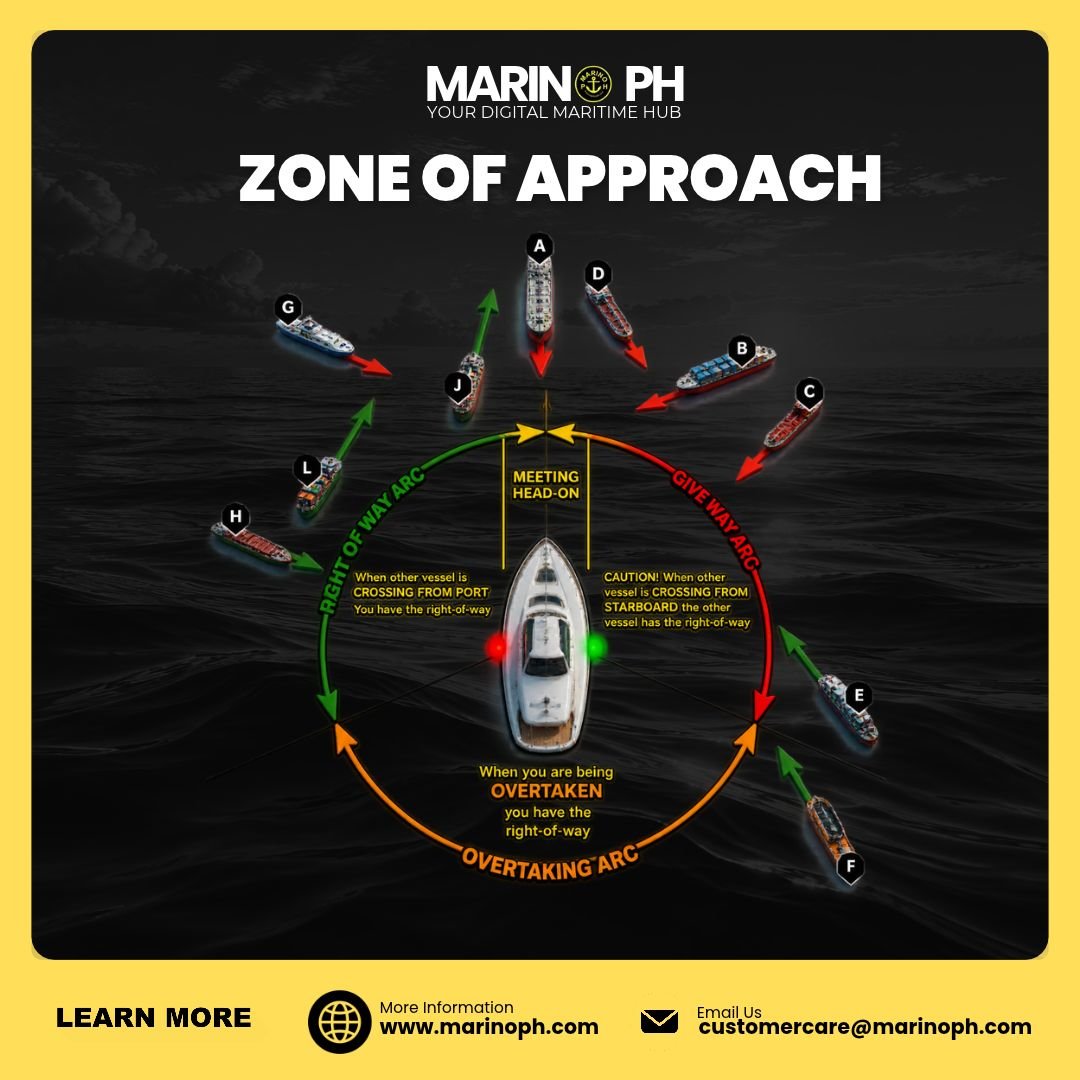
Navigate with awareness and confidence! Understanding the zone of approach helps mariners recognize how vessels meet, cross, and overtake—building the awareness needed to assess potential collision risks.
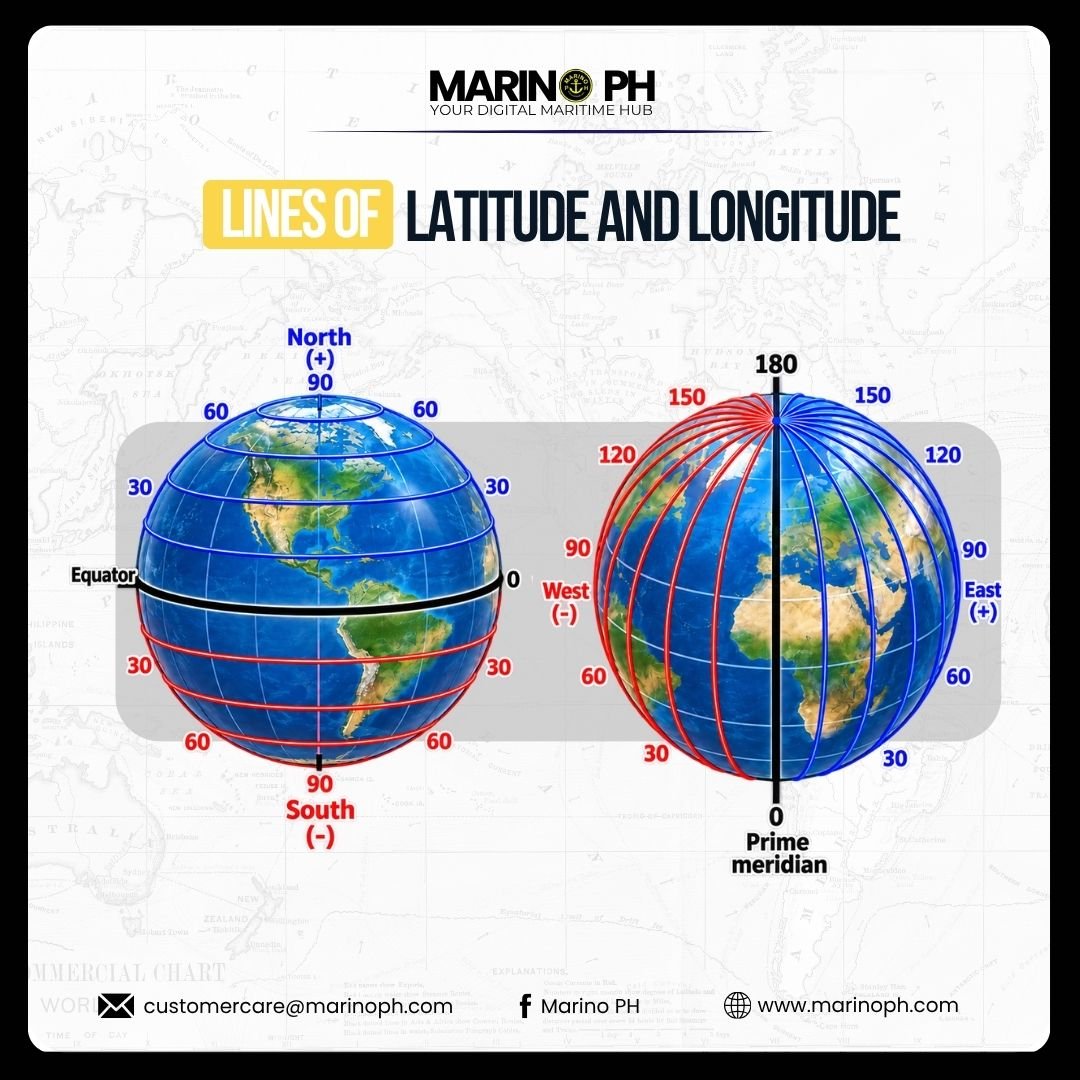
Lines of Latitude and Longitude
Latitude and longitude are imaginary reference lines used to determine the exact position of any place on Earth. They form the basis of the geographic coordinate system and are widely used in navigation, mapping, surveying, and positioning. For seafarers, understanding latitude and longitude is essential for plotting a vessel’s position, planning routes, and maintaining safe navigation at sea.
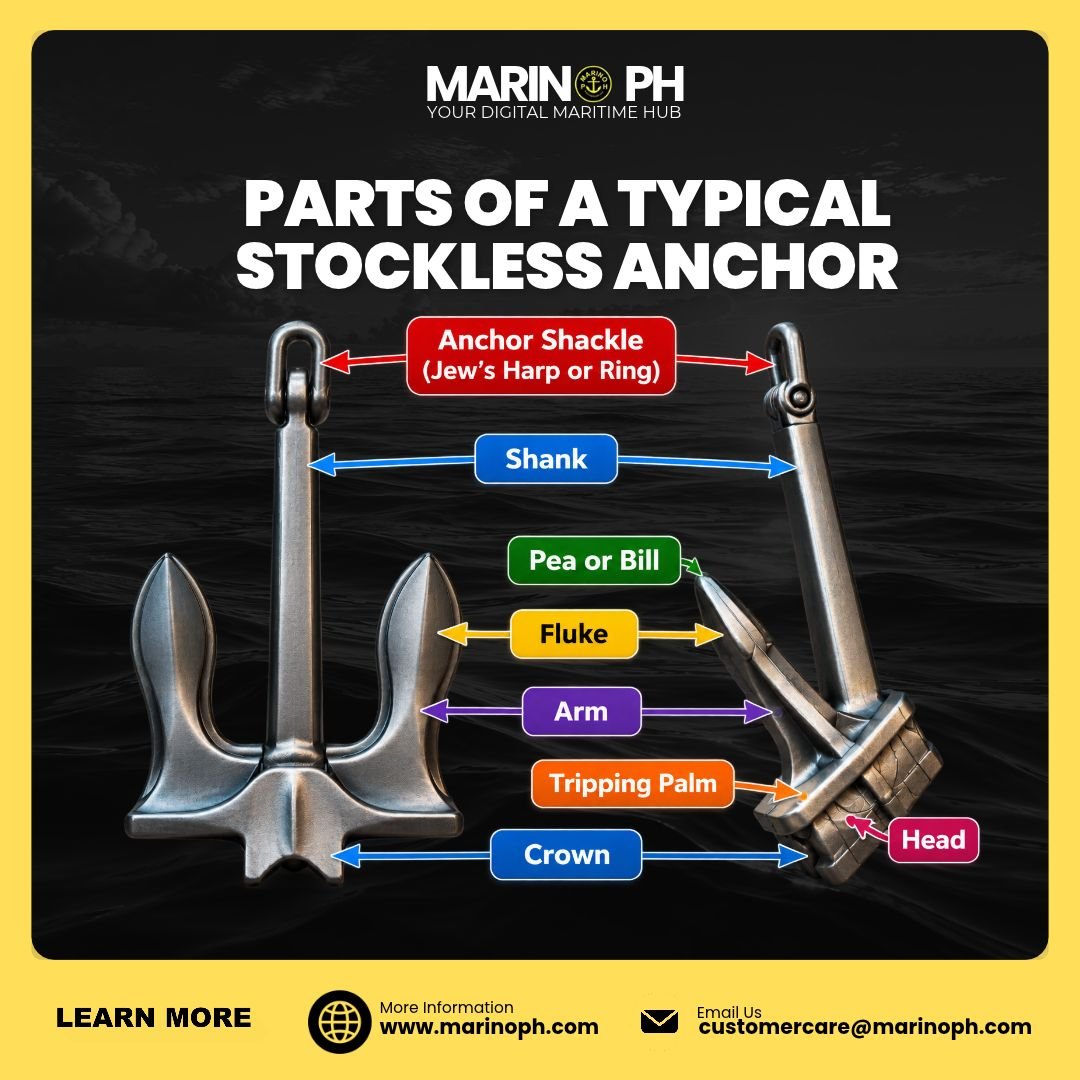
PARTS OF A TYPICAL STOCKLESS ANCHOR
A stockless anchor is designed for modern ships due to its compact shape, strong holding power, and easy handling. Each part, including the shank, fluke, crown, and anchor shackle, has a specific function that helps secure vessels safely during anchoring operations. Understanding anchor components is essential for every seafarer.
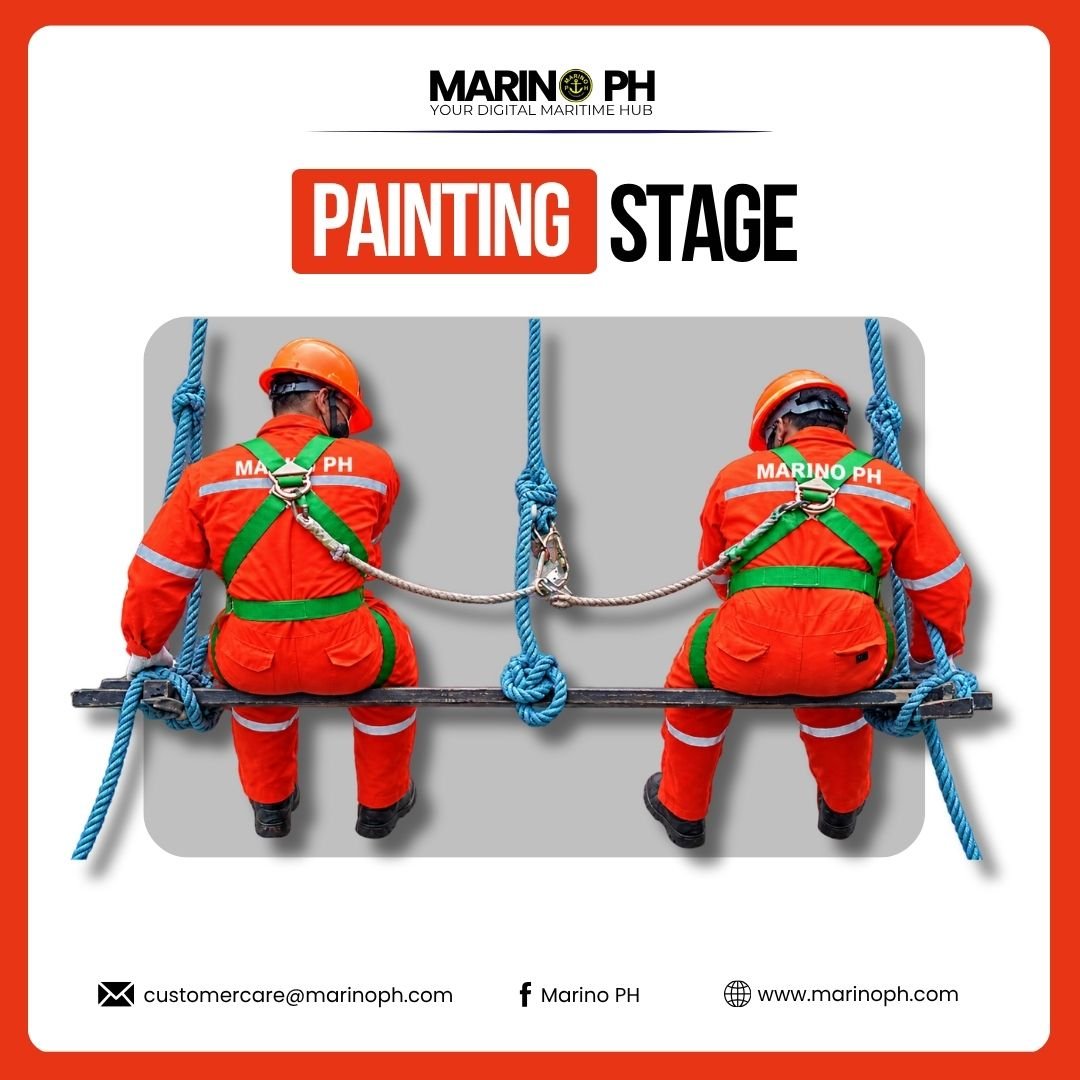
A painting stage, also known as a rigging stage, is a suspended working platform commonly used by seafarers when carrying out painting, cleaning, maintenance, rust removal, and inspection of ship structures, particularly in areas that are difficult to reach from the deck. It is typically made from a strong wooden plank or approved platform supported by ropes or other suitable rigging arrangements. The stage must be properly secured to reliable anchoring points, and all ropes, knots, shackles, planks, and supporting equipment should be checked before use to ensure they are in good condition and suitable for the intended load.
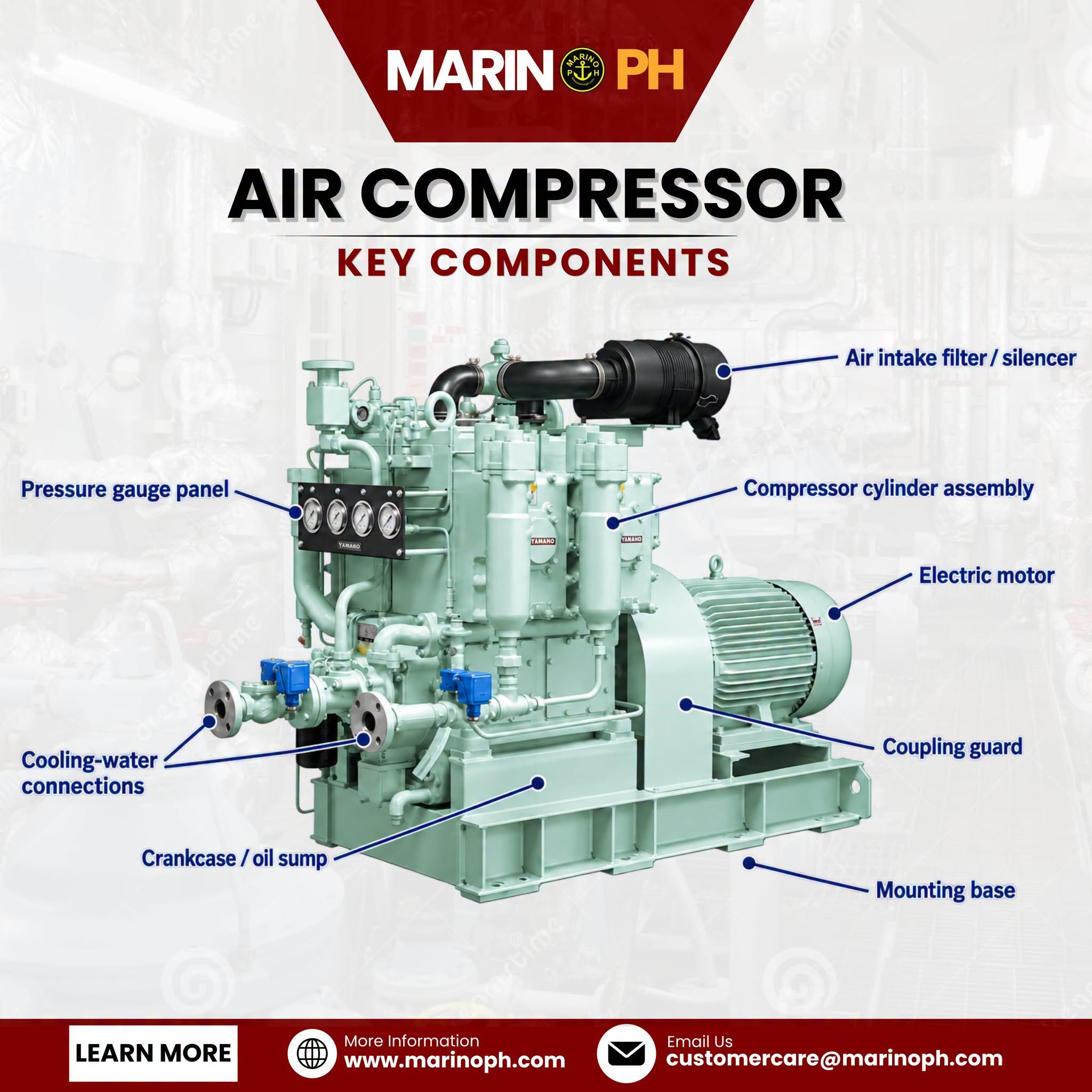
KEY COMPONENTS OF AIR COMPRESSOR
This air compressor uses two stages of compression and water cooling to supply compressed air for shipboard operations. Its key components include an electric motor, air intake filter, compressor cylinders, pressure gauges, cooling connections, and an oil sump. Together, these components support reliable performance and efficient compressed air production.
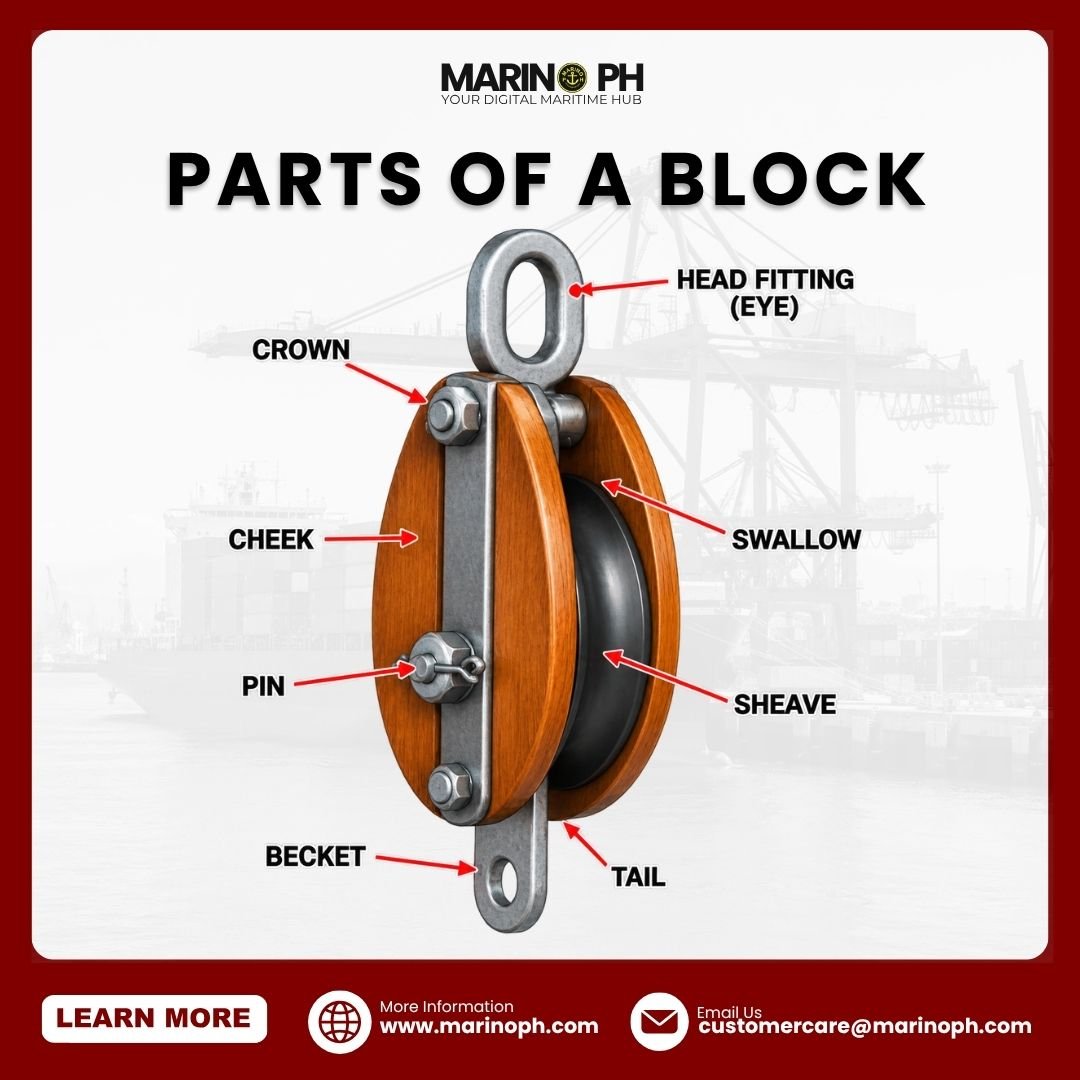
A block is an important deck fitting used in lifting, rigging, and cargo-handling operations onboard ships. It consists of several parts, including the sheave, cheek, pin, crown, head fitting, becket, and tail, each designed to support the safe movement and direction of ropes or wires under load.
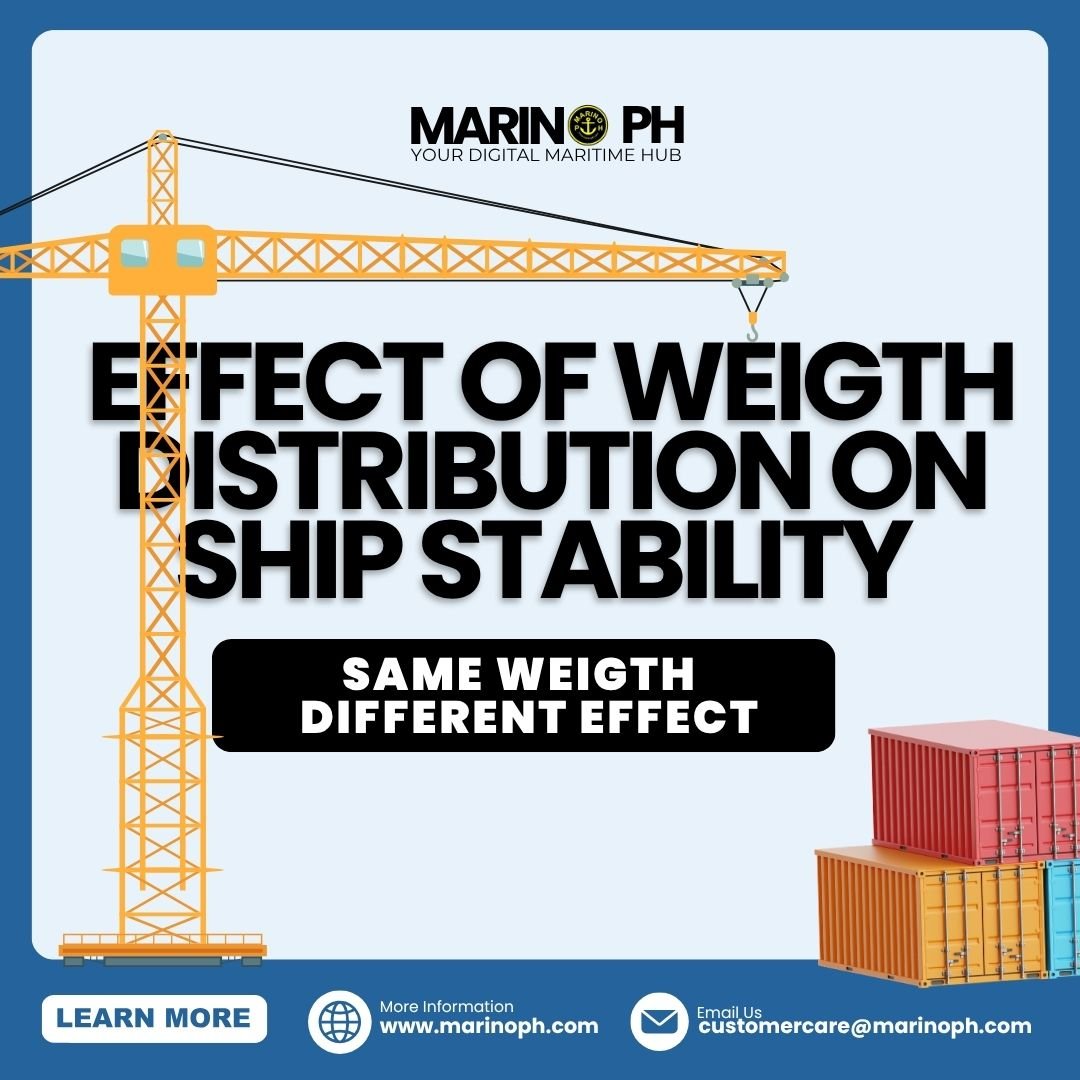
Effect of weight Distribution on Ship Stability
Proper weight distribution is essential to ship stability. Even when the total weight remains the same, its location onboard can change the vessel’s center of gravity, trim, list, and stability. Correct cargo placement and weight management help maintain adequate stability, reduce excessive stresses, and ensure safer vessel operations at sea.
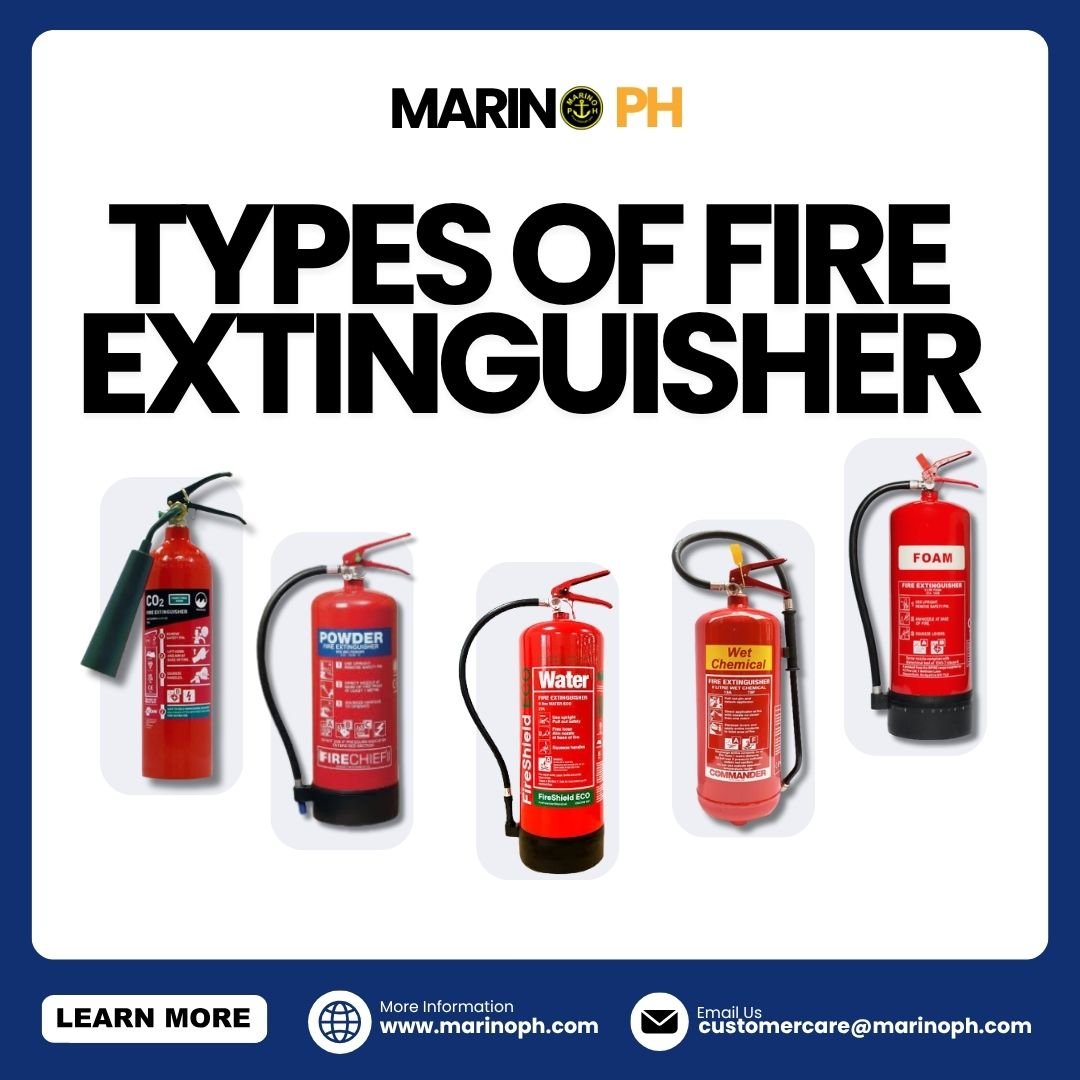
Fire extinguishers are designed for different classes of fire, making proper selection essential for onboard safety. Common types include CO₂, dry powder, water, wet chemical, and foam extinguishers. Seafarers must know their correct applications, locations, and operating procedures to respond quickly and safely during a fire emergency at sea.
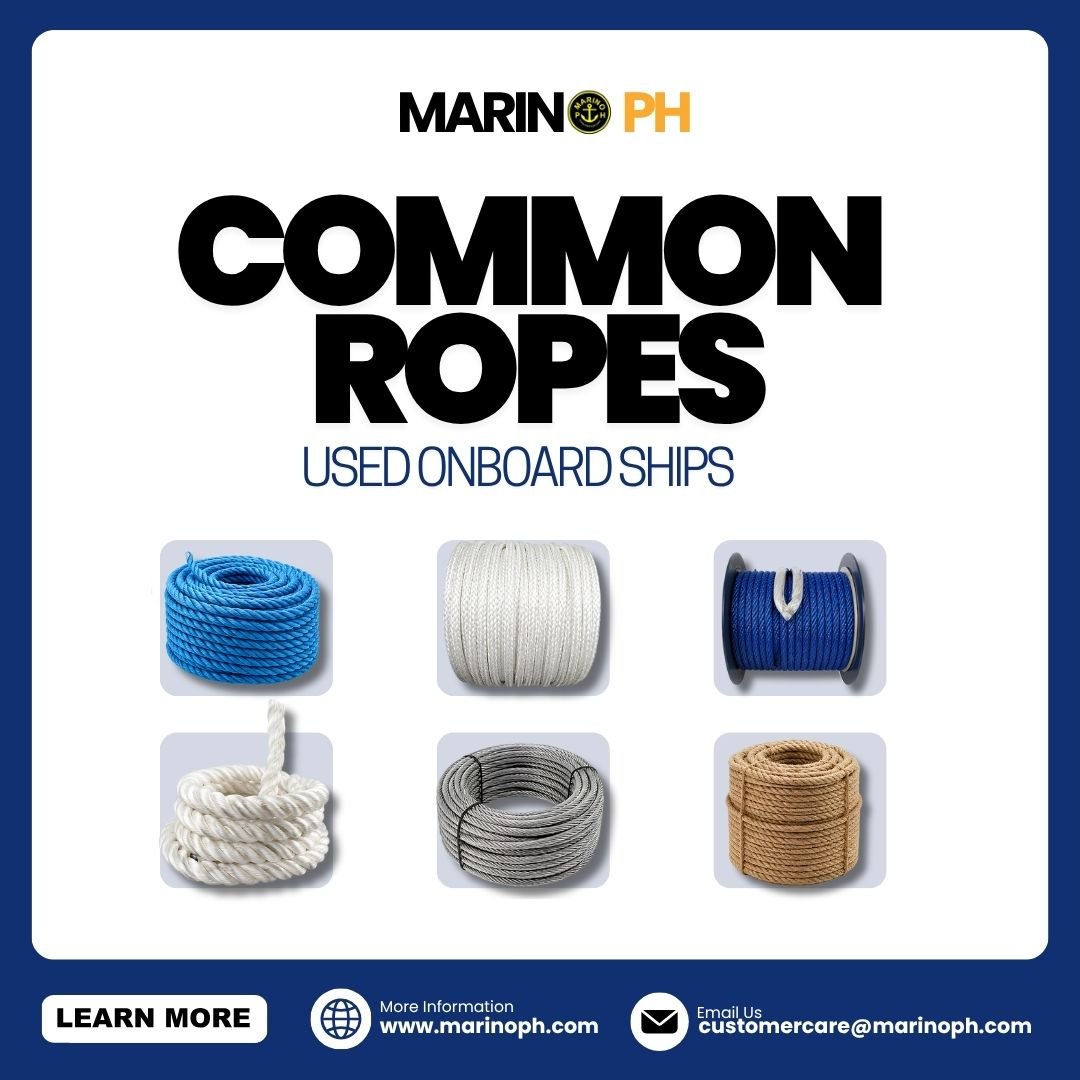
Ropes are essential equipment in shipboard operations, used for mooring, towing, lifting, rigging, cargo handling, and other deck activities. Different types of rope have specific properties, strengths, and limitations. Understanding the characteristics and proper applications of nylon, polyester, polypropylene, HMPE, wire rope, and Manila rope helps seafarers select the right rope for each operation and work safely onboard.
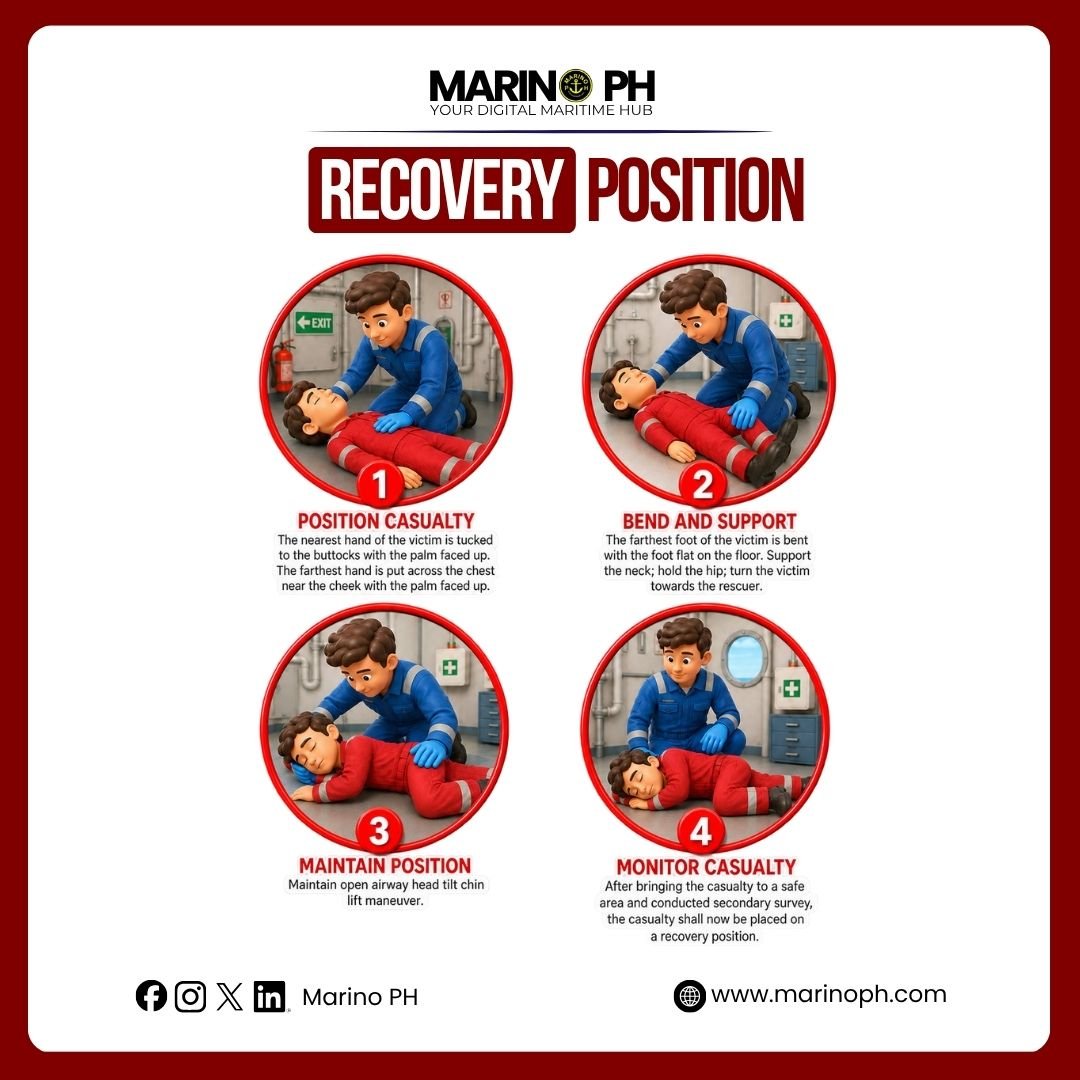
The recovery position is a basic first-aid technique used for an unconscious casualty who is breathing normally. It helps keep the airway open and allows fluids such as saliva or vomit to drain from the mouth, reducing the risk of airway obstruction. Before placing someone in the recovery position, the rescuer should check responsiveness, airway, and breathing and consider possible injuries.
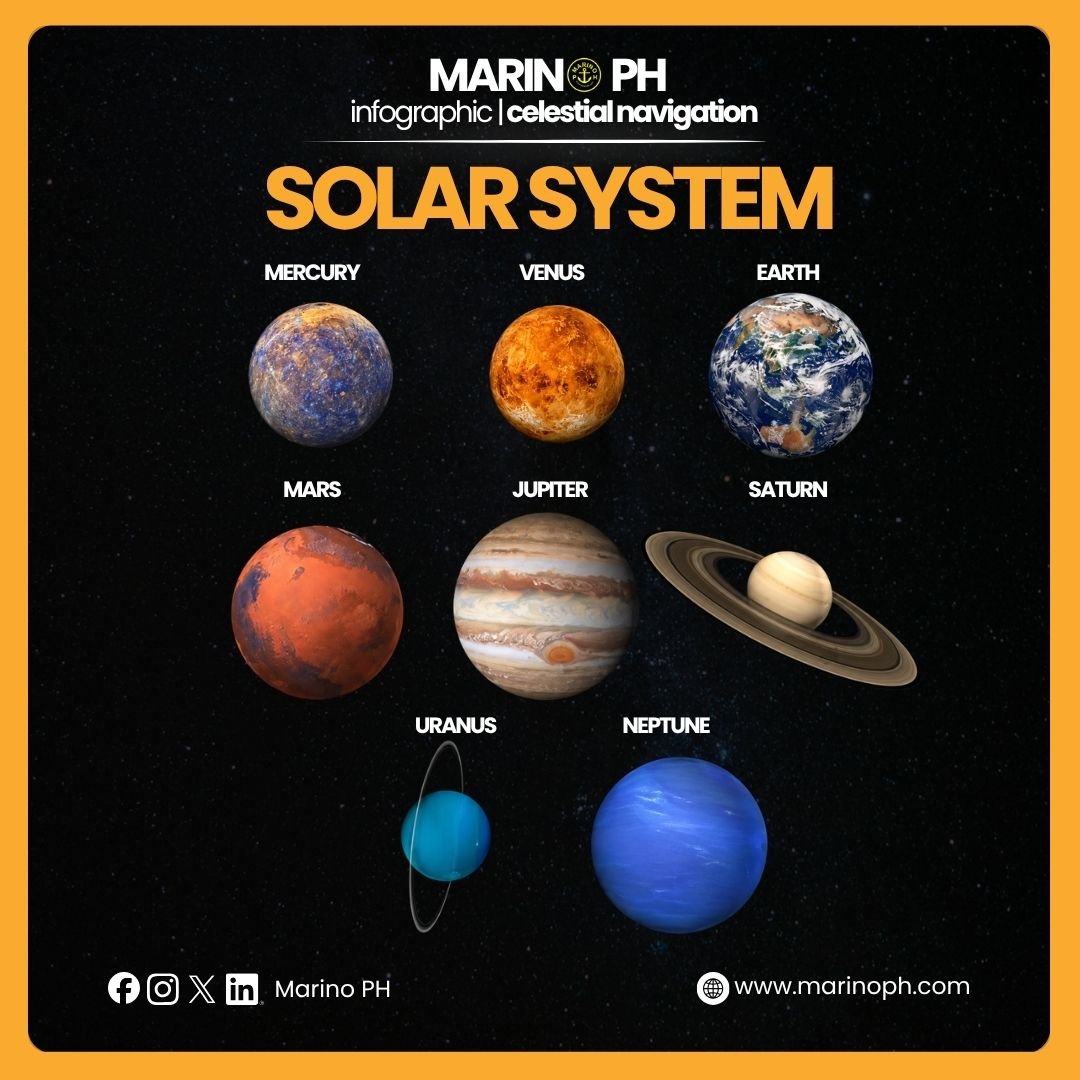
Understanding the solar system remains important in maritime navigation, especially in celestial navigation. Mariners use the Sun, Moon, selected planets, and stars as reference points to determine a vessel’s position when navigating at sea. Knowledge of celestial bodies also helps navigators understand time, direction, seasonal changes, and astronomical observations used with nautical almanacs and navigation instruments. Even with modern GPS, celestial navigation remains a valuable backup skill for seafarers.
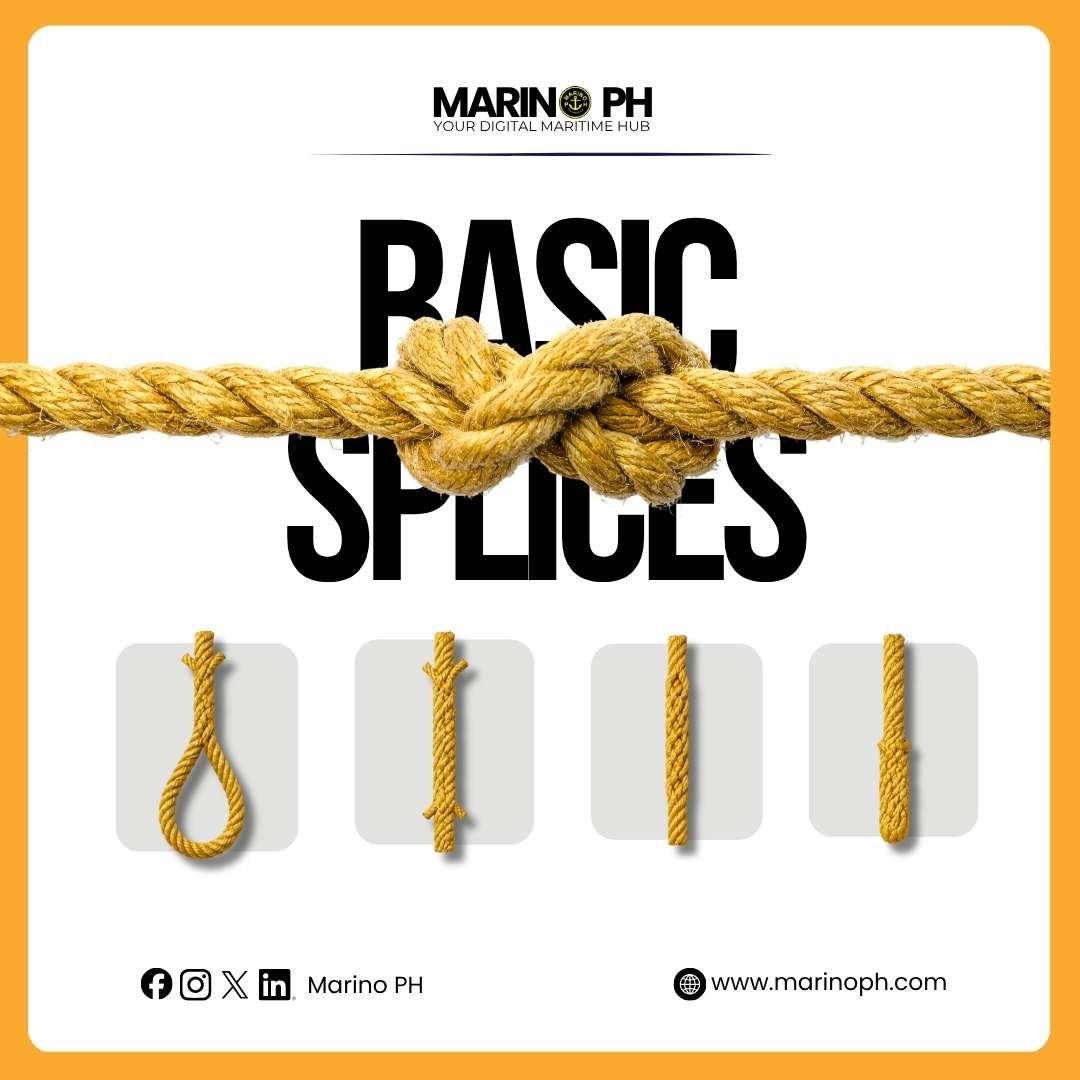
Basic splices are fundamental seamanship techniques used to join ropes, create permanent loops, or finish rope ends. Understanding the different types of splices is important for safe and effective rope handling during various shipboard operations.
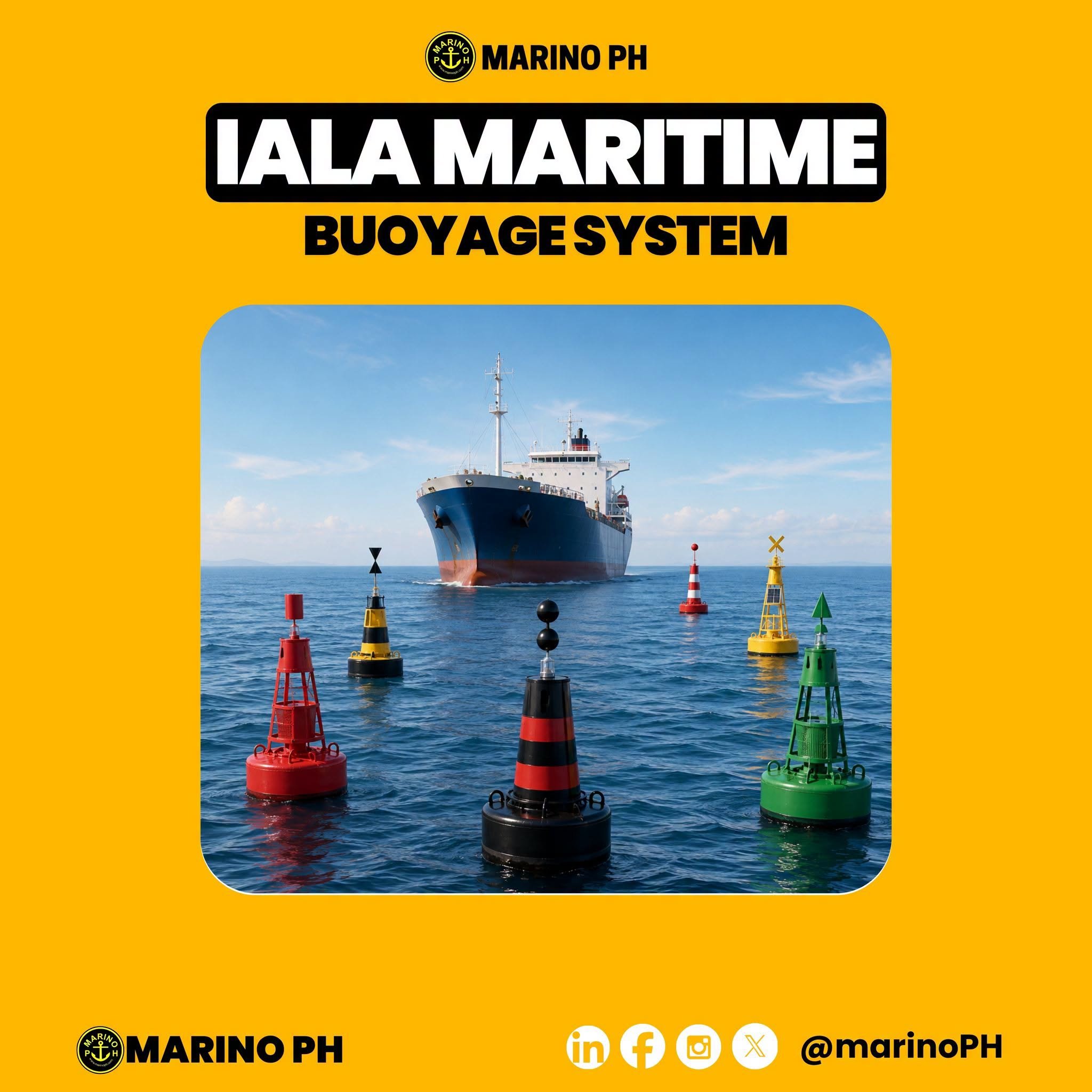
The IALA Maritime Buoyage System is an internationally recognized system of buoys, beacons, and navigation marks used to guide vessels safely at sea and in navigable waterways. Developed by the International Association of Marine Aids to Navigation and Lighthouse Authorities (IALA), it helps mariners identify safe channels, hazards, isolated dangers, and special areas through standardized colors, shapes, topmarks, and lights. The system includes Lateral Marks, Cardinal Marks, Isolated Danger Marks, Safe Water Marks, Special Marks, and Emergency Wreck Marking Buoys, providing mariners with a common and reliable system for safe navigation worldwide.
The Beaufort Scale is a system used to measure and describe wind strength from 0 to 12. For seafarers, it is important because wind conditions directly affect the sea state, vessel movement, and safety of navigation. By understanding the scale, seafarers can assess weather conditions and anticipate changes while at sea. The Beaufort Scale helps captains and crew members make informed decisions about navigation, cargo operations, and safety. Strong winds can create rough seas, high waves, and dangerous working conditions. Therefore, knowing the Beaufort number helps seafarers prepare for bad weather, avoid unnecessary risks, and protect the vessel, cargo, and crew.
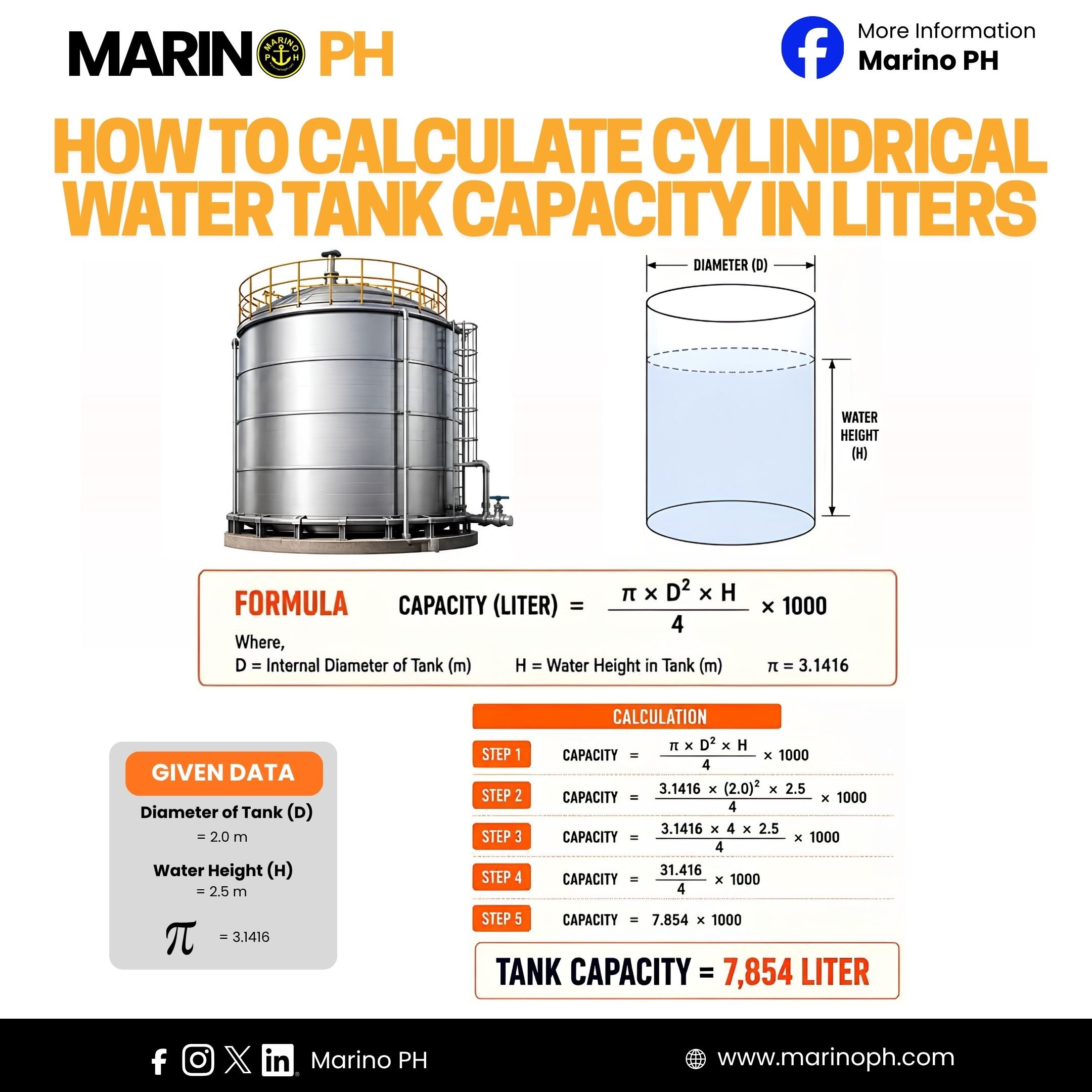
HOW TO CALCULATE CYLINDRICAL WATER TANK CAPACITY IN LITERS
The image explains a simple method for calculating the water capacity of a cylindrical tank in liters. The formula used is Capacity (L) = (π × D² × H ÷ 4) × 1,000, where D represents the internal diameter of the tank in meters, H represents the actual water height in meters, and π is approximately 3.1416. The illustration also shows where the diameter and water height are measured, making the calculation easier to understand and apply in practical situations.
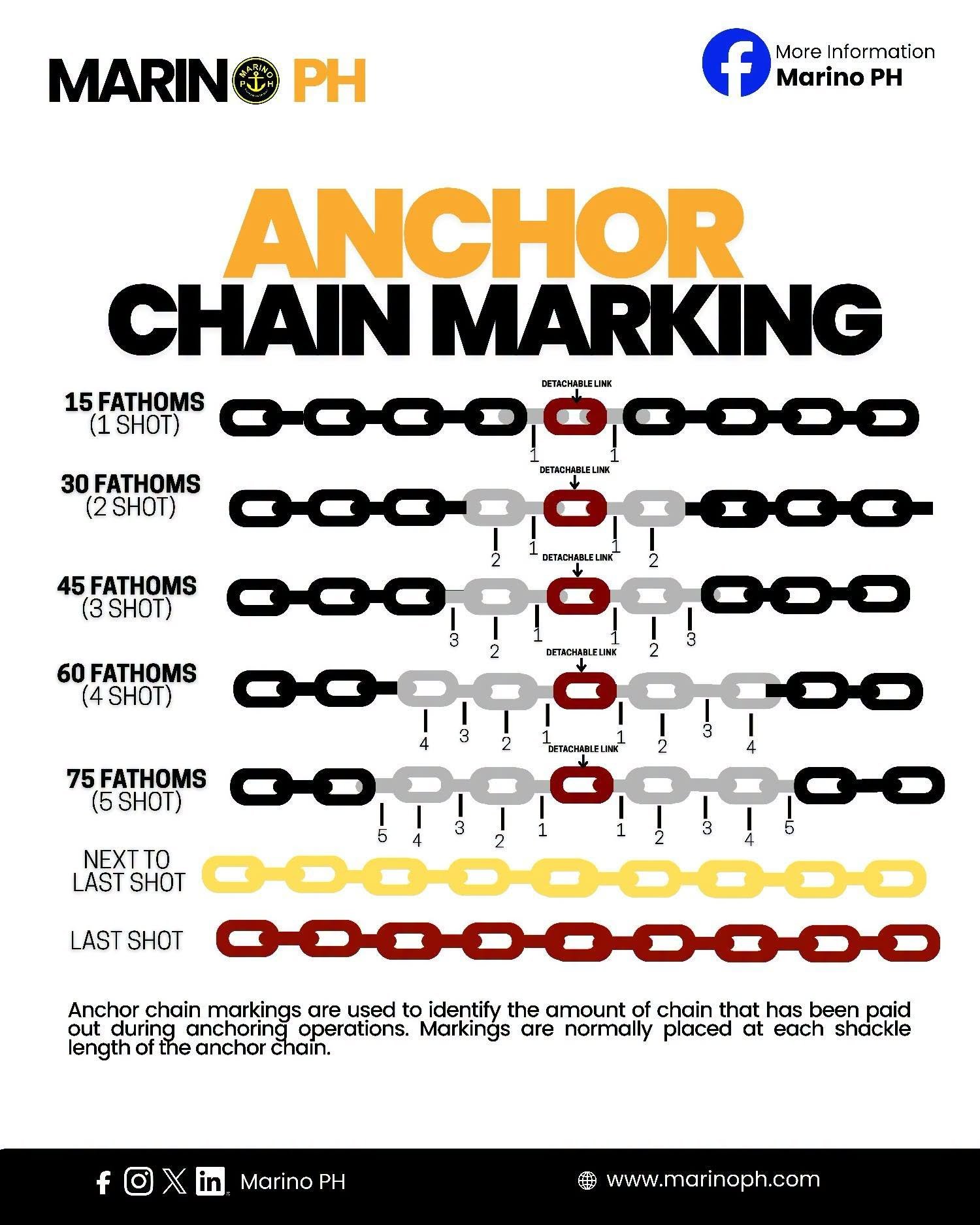
Anchor chain markings are essential identification points used to determine the length of anchor chain paid out during anchoring operations. These markings help deck officers and crew accurately monitor the number of shackles in the water, supporting proper anchoring, effective communication between the forecastle and bridge, and safe vessel operations.
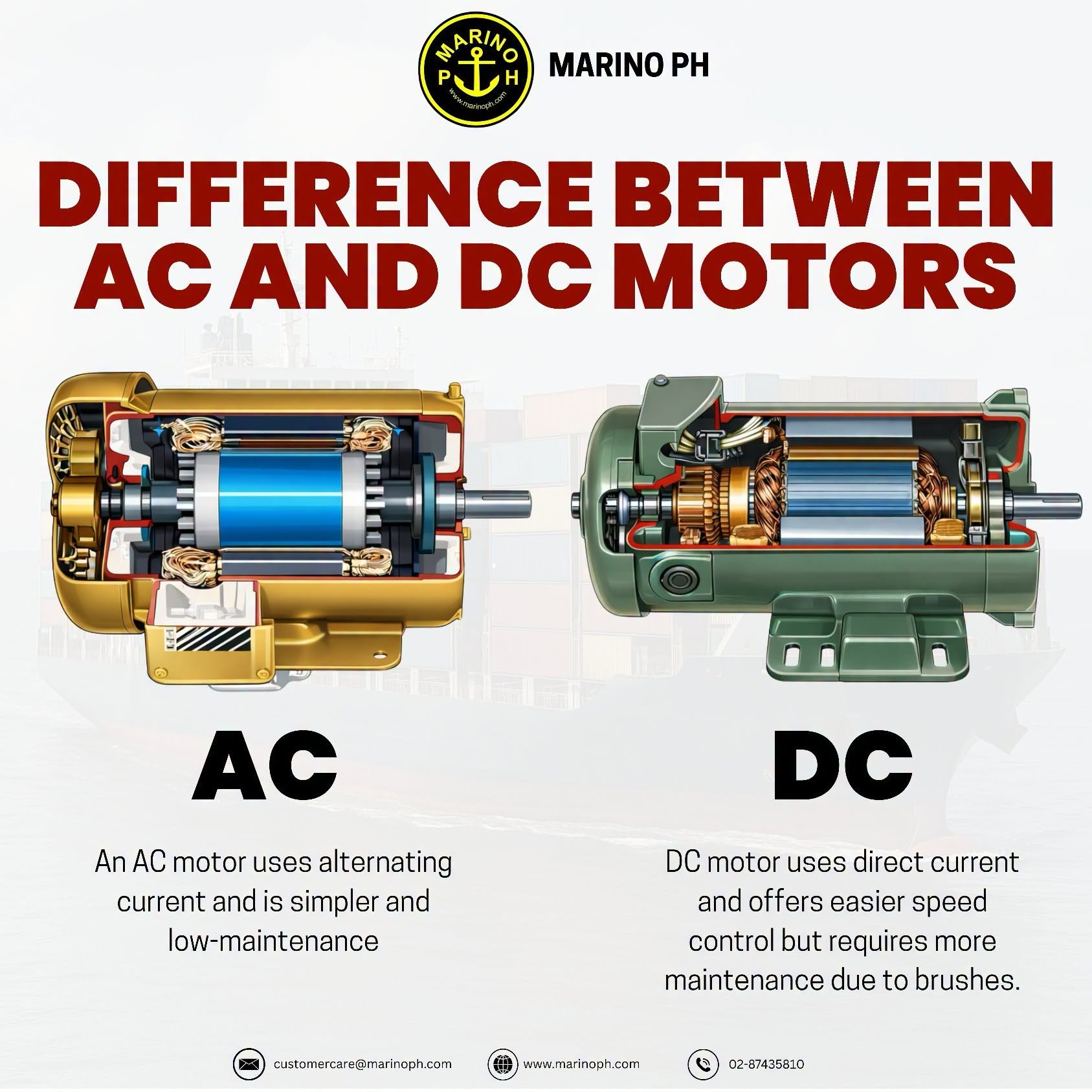
DIFFERENCE BETWEEN AC AND DC MOTOR
The image compares the basic construction and components of AC and DC motors. Both motors convert electrical energy into mechanical energy, producing rotational motion that can be used to operate different types of machinery and equipment.
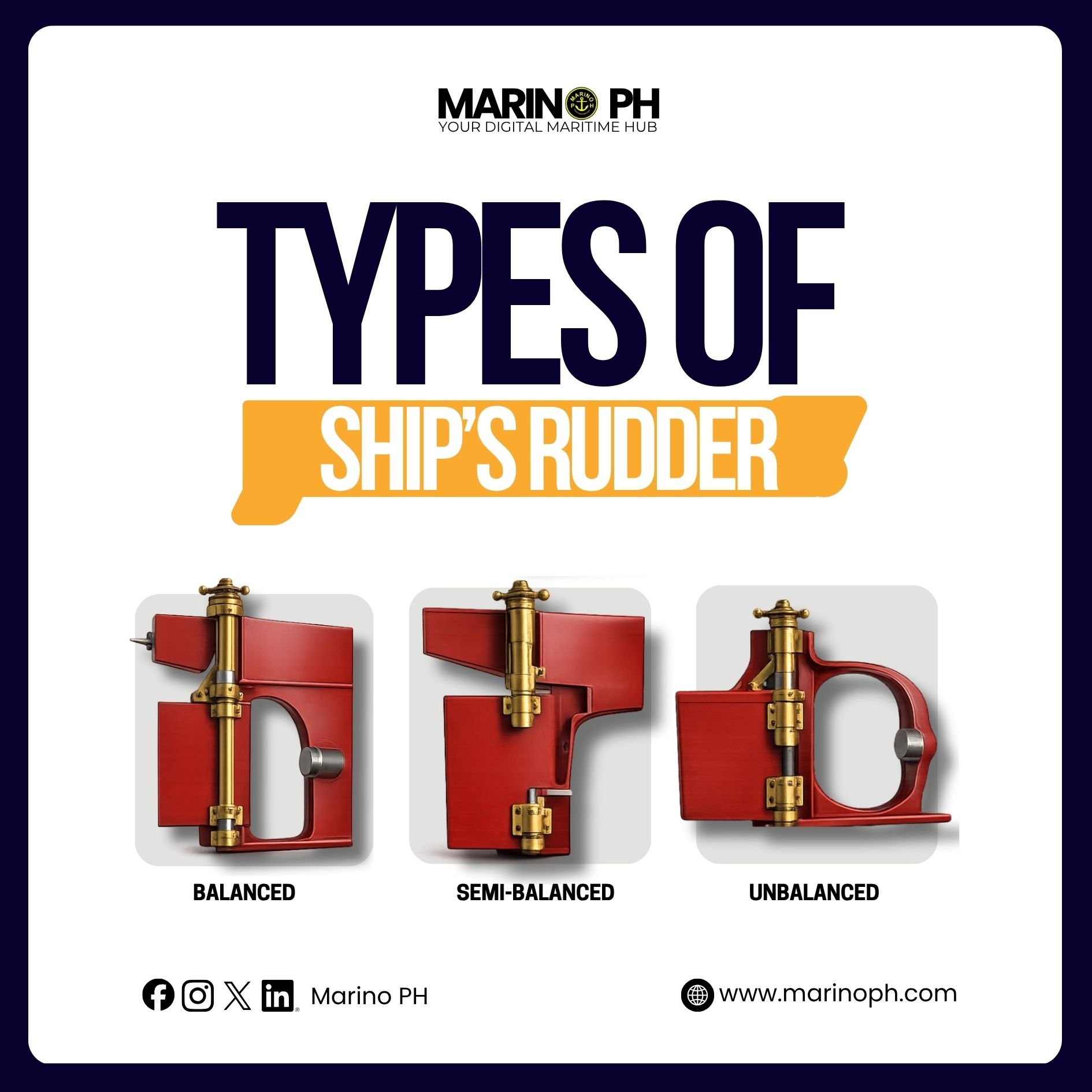
A ship\\'s rudder is an essential hydrodynamic control surface used to steer a vessel through the water. Mounted at the stern, typically just behind the propeller, it functions by deflecting the water flow as the ship moves forward. This deflection creates a transverse force that pushes the stern to one side, seamlessly altering the vessel\\'s overall heading. The efficiency, maneuverability, and mechanical power required to steer a ship depend heavily on the specific engineering of this mechanism. The graphic provided in rudder.jpg highlights the fundamental design variations, which are categorized based on how the rudder\\'s surface area is distributed relative to its pivoting axis (the rudder stock).
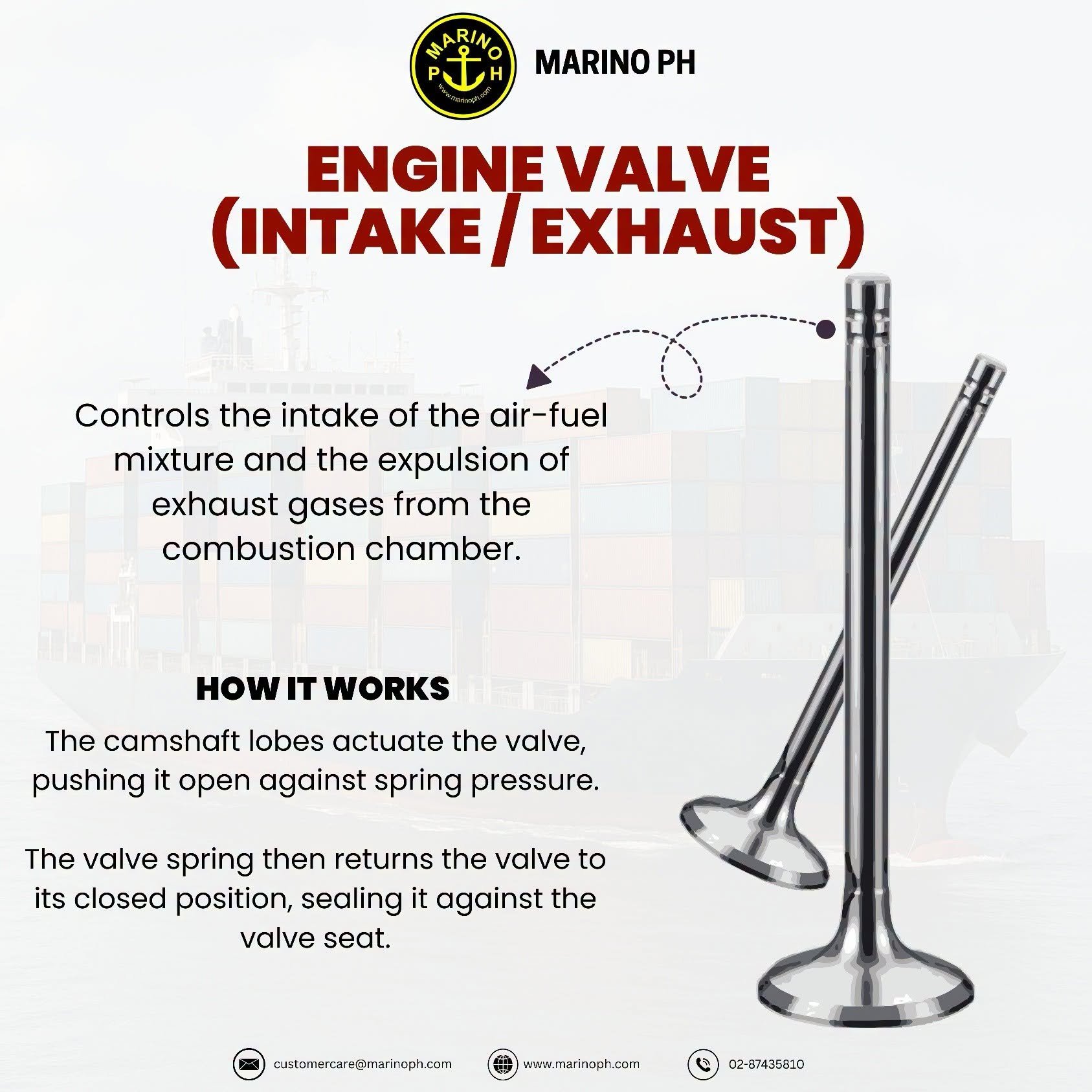
The engine valve is a critical component of an internal combustion engine, responsible for controlling the flow of gases into and out of the combustion chamber. The intake valve opens to allow the air-fuel mixture (or fresh air in diesel engines) to enter the cylinder, while the exhaust valve opens to release the burned gases after combustion. By opening and closing at precisely timed intervals, these valves ensure efficient engine breathing, proper combustion, and optimal engine performance.
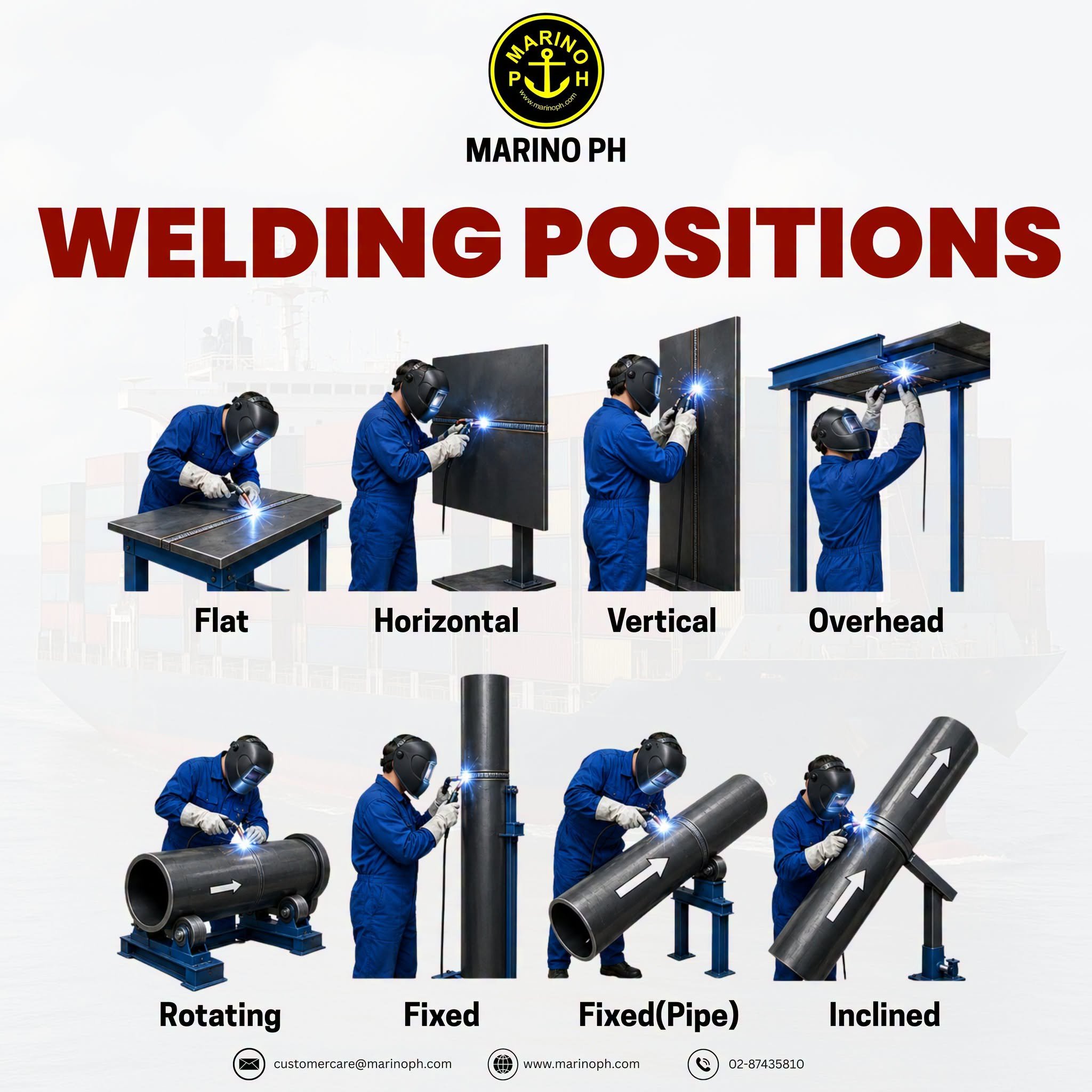
Welding positions are standardized techniques that determine the orientation of the workpiece and the direction in which welding is performed. The infographic highlights the eight common welding positions used in fabrication, construction, and shipbuilding: Flat, Horizontal, Vertical, Overhead, Rotating, Fixed, Fixed (Pipe), and Inclined. Each position requires different levels of skill, body positioning, and control to produce strong, high-quality welds while maintaining safety and efficiency.
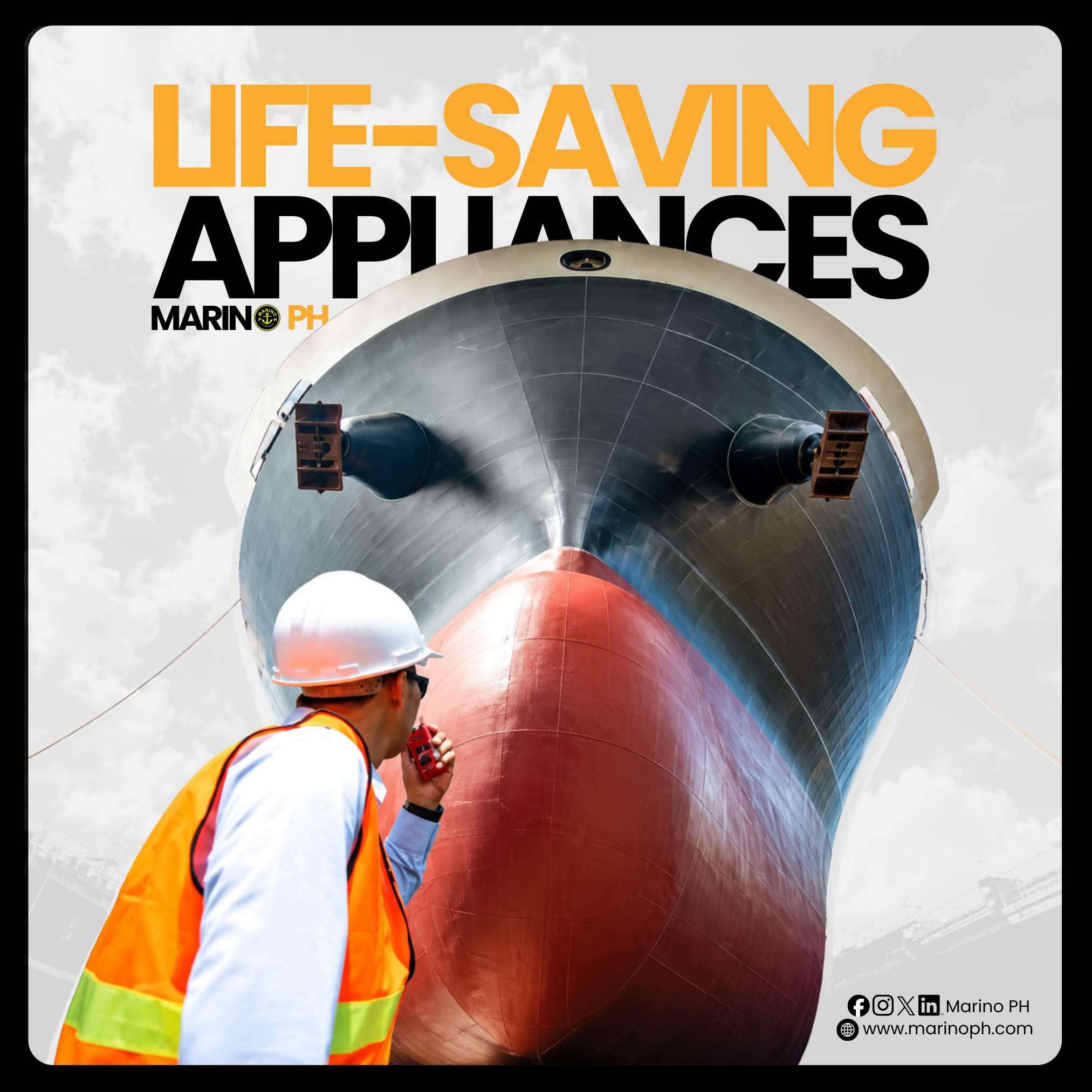
LIFE-SAVING APPLIANCES (LSA) CODE
The Life-Saving Appliances (LSA) Code is part of the SOLAS Convention. It provides detailed requirements for the design, construction, performance, and maintenance of life-saving equipment carried on board ships, such as lifeboats, life jackets, liferafts, and distress signals. Every seafarer should be familiar with these appliances to ensure a safe and effective response during emergencies.

Celestial navigation is the practice of determining a vessel\'s position by observing the locations of celestial bodies such as the Sun, Moon, stars, and planets. For centuries, mariners have relied on this traditional method by measuring the altitude of these bodies above the horizon using a sextant. In modern Navigation 4, celestial navigation remains an essential skill, providing a reliable backup method for position fixing and helping seafarers better understand the relationship between the Earth, the sky, and safe navigation. Celestial bodies continue to serve as natural guides, especially when electronic navigation systems are unavailable.
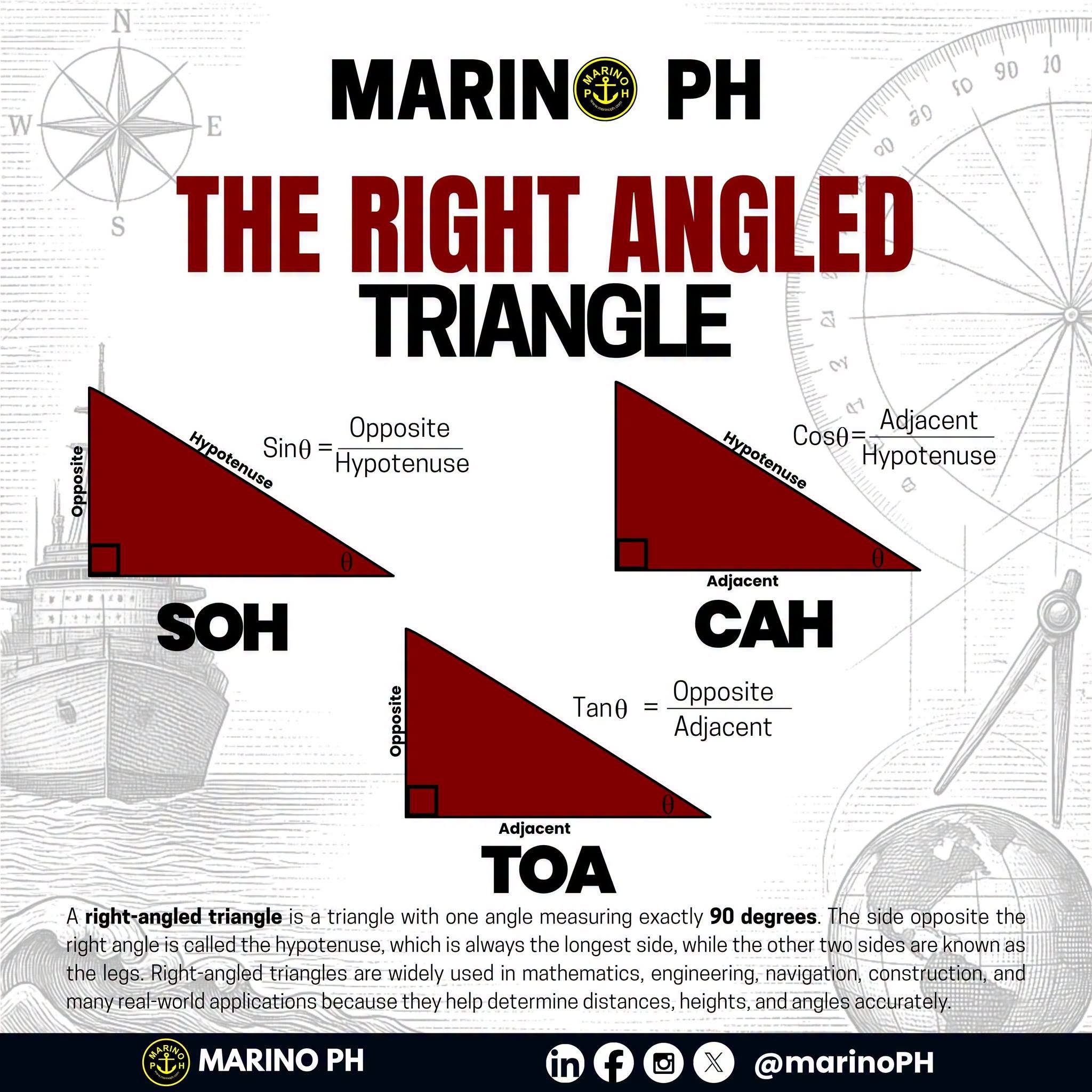
The image is an educational infographic about the right-angled triangle, highlighting its basic properties and the three primary trigonometric ratios: SOH, CAH, and TOA. It explains that a right-angled triangle has one angle measuring exactly 90 degrees, with the longest side called the hypotenuse and the other two sides identified as the opposite and adjacent depending on the reference angle. The clean layout and labeled diagrams make it easy to understand the relationship between the sides of the triangle. The infographic introduces the mnemonic SOH, which stands for Sine = Opposite ÷ Hypotenuse. A labeled right triangle demonstrates how the opposite side and the hypotenuse are used to calculate the sine of an angle. This visual approach helps learners remember the formula while understanding how each side is positioned relative to the given angle.
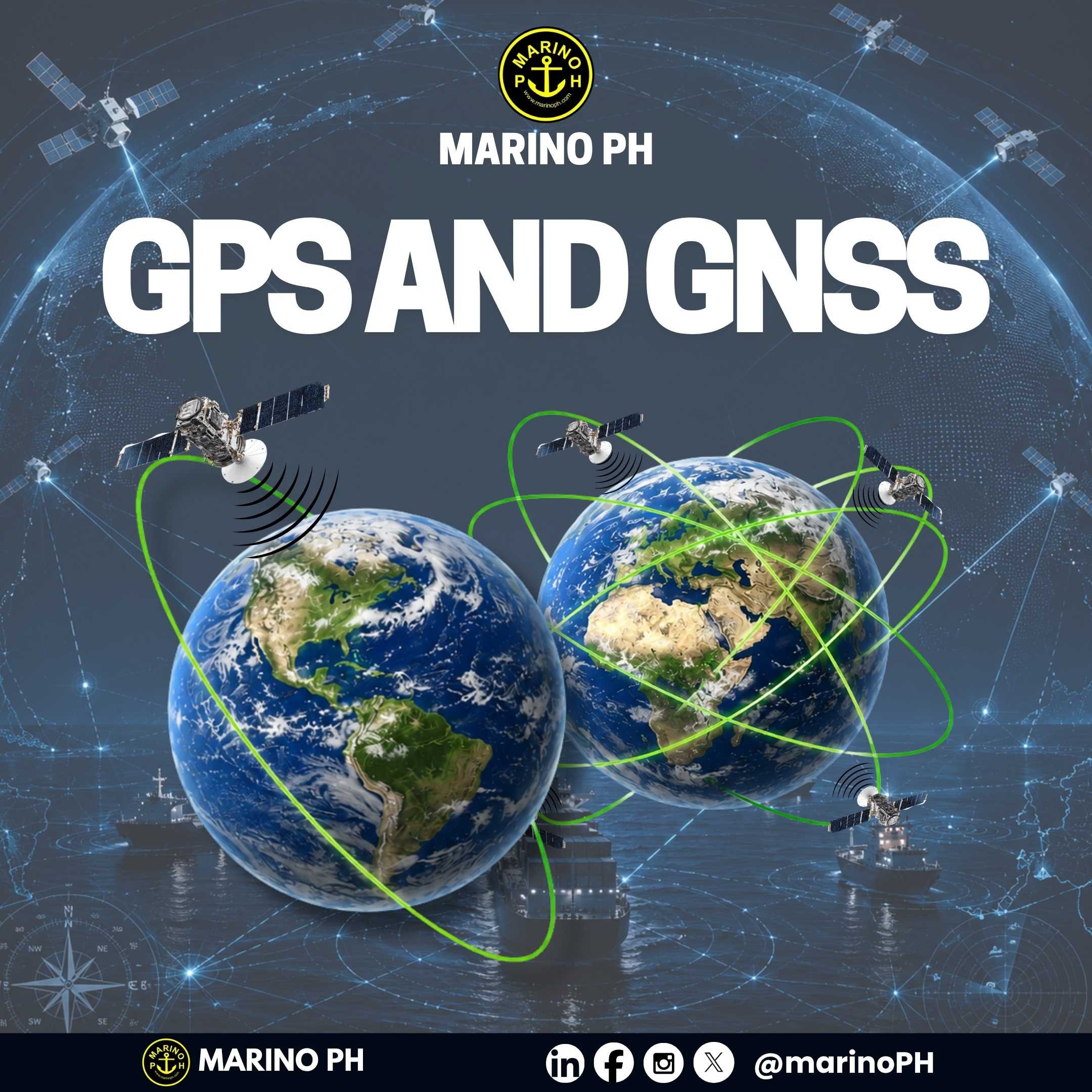
Many people use the terms GPS and GNSS interchangeably, but they are not exactly the same. GPS (Global Positioning System) is a satellite navigation system developed by the United States, while GNSS (Global Navigation Satellite System) is the general term for all global satellite navigation systems, including GPS, Russia\'s GLONASS, Europe\'s Galileo, and China\'s BeiDou.
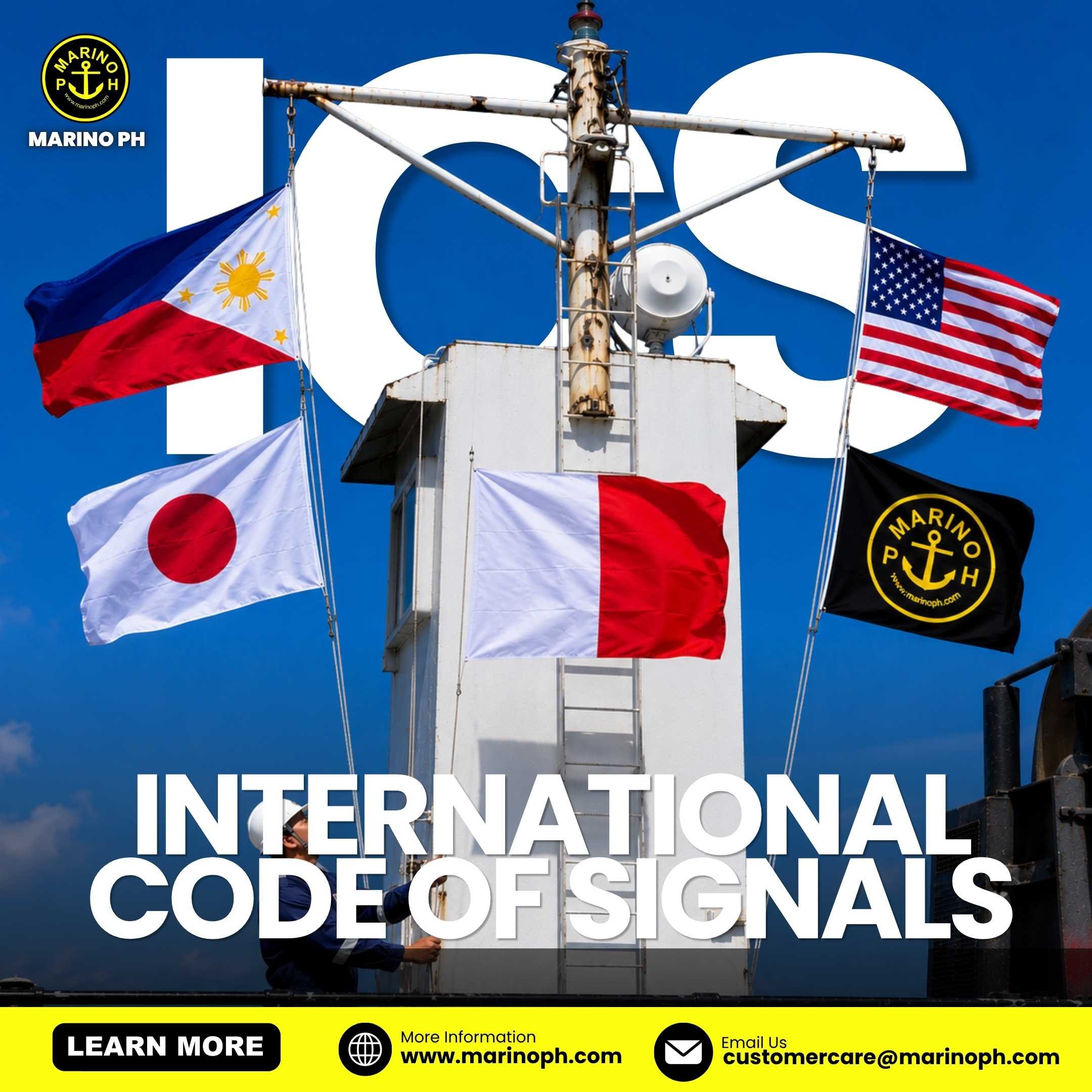
The International Code of Signals (ICS)
The International Code of Signals (ICS) is a standardized maritime communication system used by ships worldwide to exchange important information regardless of language. It uses signal flags, Morse code, and radio communications to ensure clear, safe, and effective communication between vessels and shore stations.
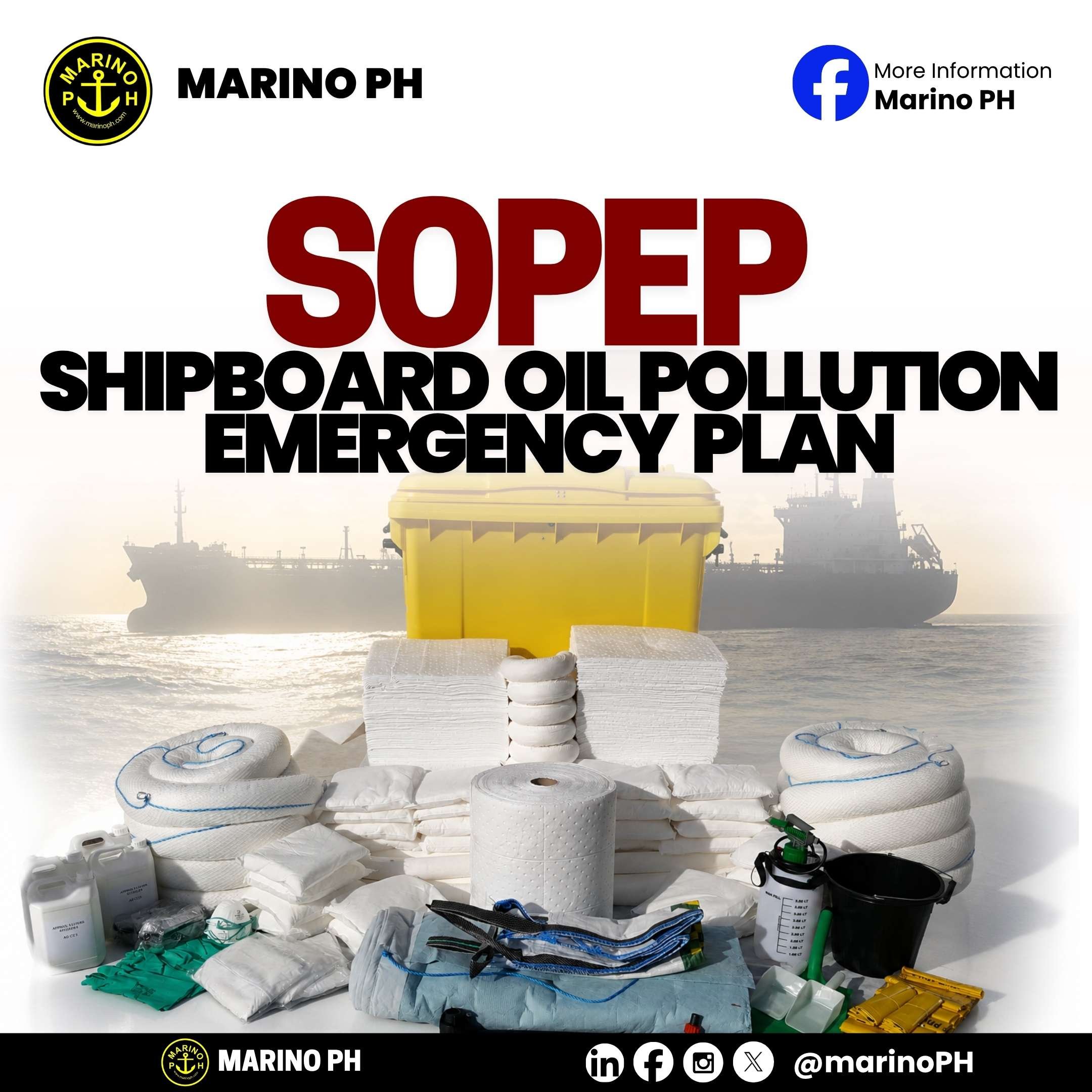
Shipboard Oil Pollution Emergency Plan (SOPEP)
The Shipboard Oil Pollution Emergency Plan (SOPEP) is a mandatory onboard emergency response plan required under MARPOL Annex I. It provides the crew with clear procedures and guidance for responding quickly and effectively to an actual or suspected oil pollution incident, helping minimize environmental damage and ensuring timely reporting to the appropriate authorities.
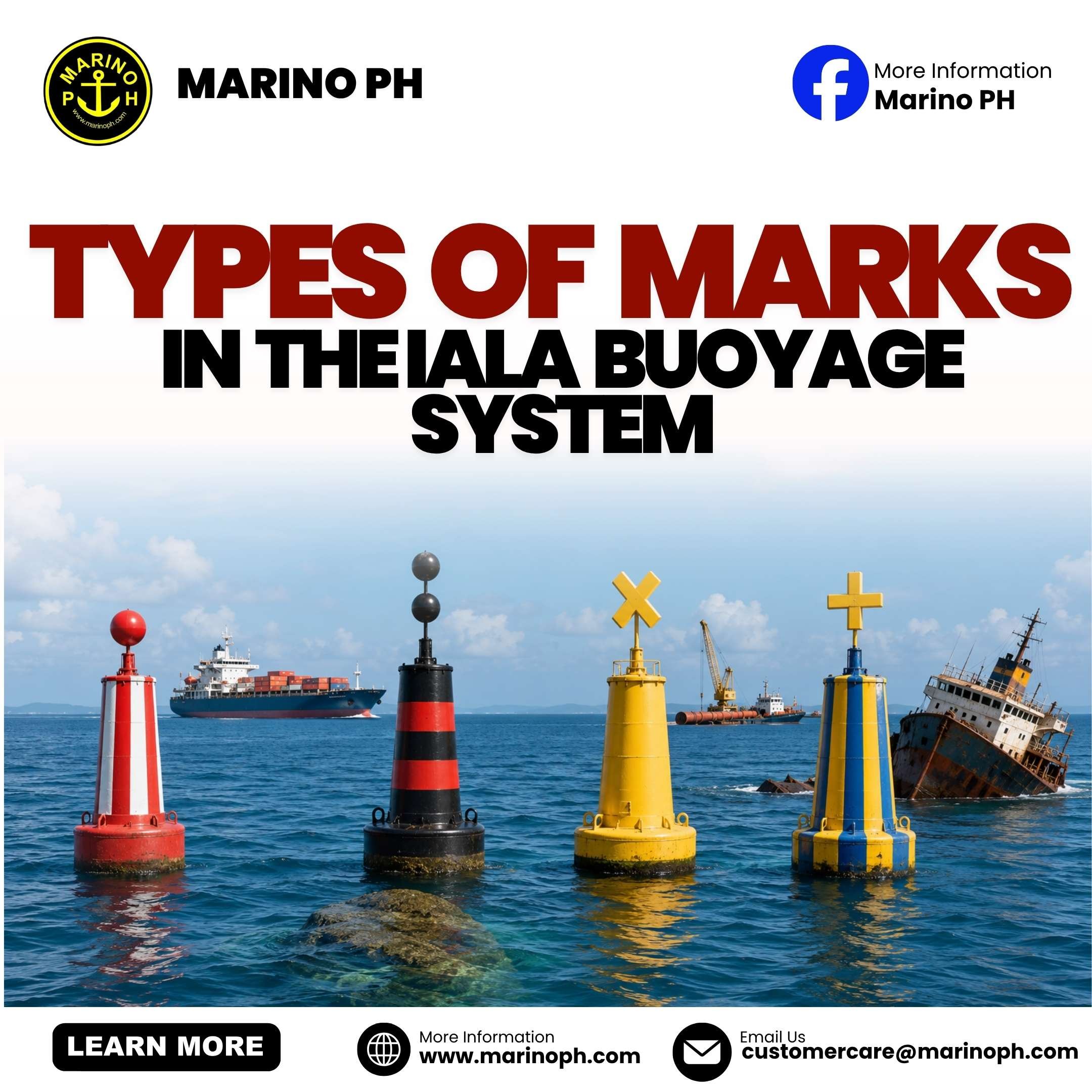
Types of Marks in the IALA Buoyage System
The International Association of Marine Aids to Navigation and Lighthouse Authorities (IALA) Buoyage System is an internationally recognized navigation system designed to help mariners navigate safely through coastal and inland waters. It standardizes the use of buoys, beacons, lights, and other navigational aids to indicate safe routes, hazards, and special areas. Although IALA operates under two buoyage regions (Region A and Region B), the system uses the same types of navigational marks worldwide, ensuring consistency and improving maritime safety.
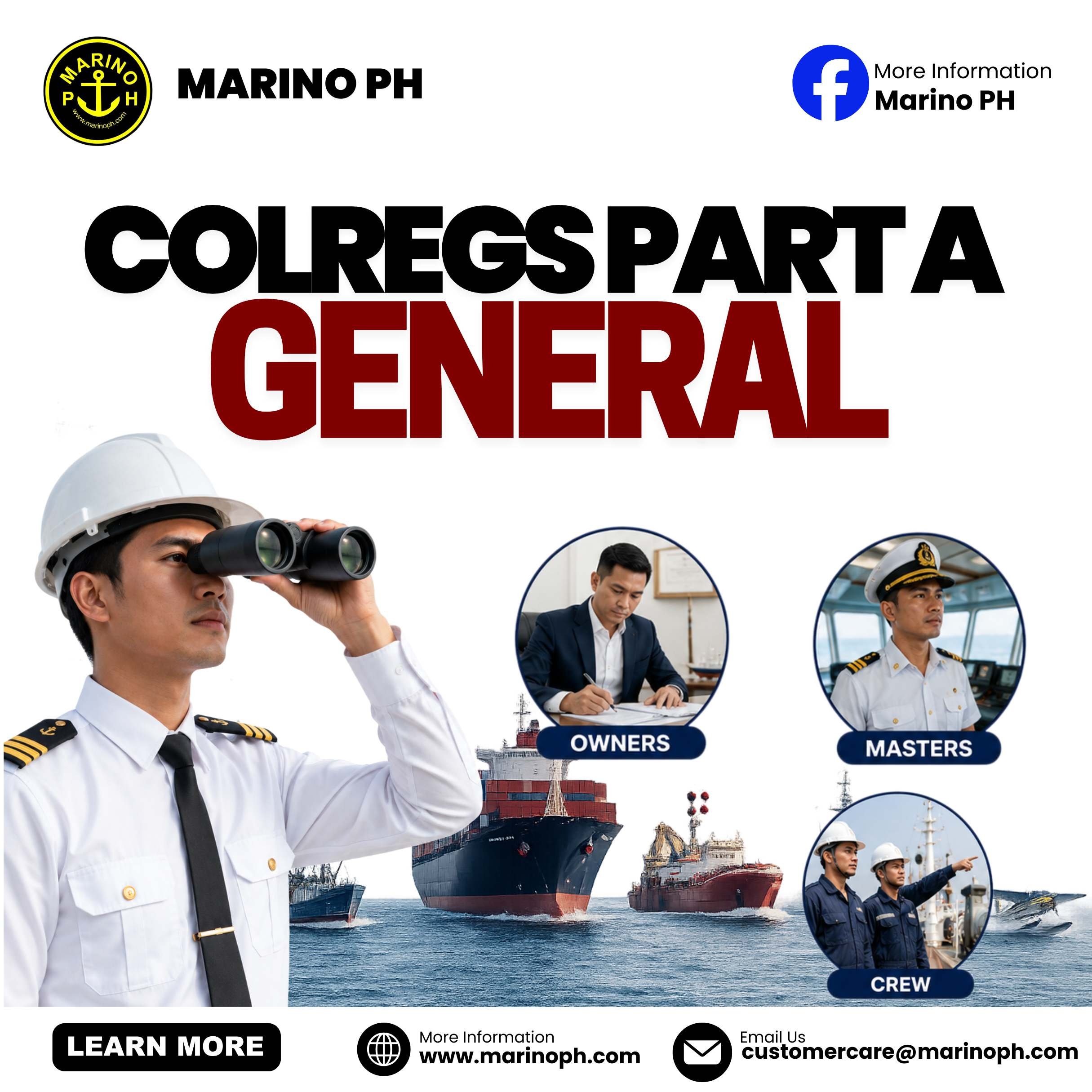
COLREGs Rules 1–41 | Complete Guide for Seafarers
PART A – GENERAL Rule 1 – Application Defines where and to whom the COLREGs apply. The rules govern vessels navigating on the high seas and all waters connected to them that are navigable by seagoing vessels, unless local regulations specifically apply. Rule 2 – Responsibility States that every vessel, owner, master, and crew remain responsible for taking all necessary precautions to avoid collisions. Good seamanship and common sense must always prevail, even if it means departing from the rules in exceptional situations. Rule 3 – General Definitions Provides definitions used throughout the COLREGs, including terms such as vessel, power-driven vessel, sailing vessel, fishing vessel, seaplane, vessel not under command (NUC), vessel restricted in her ability to maneuver (RAM), vessel constrained by her draft (CBD), underway, making way, and restricted visibility.
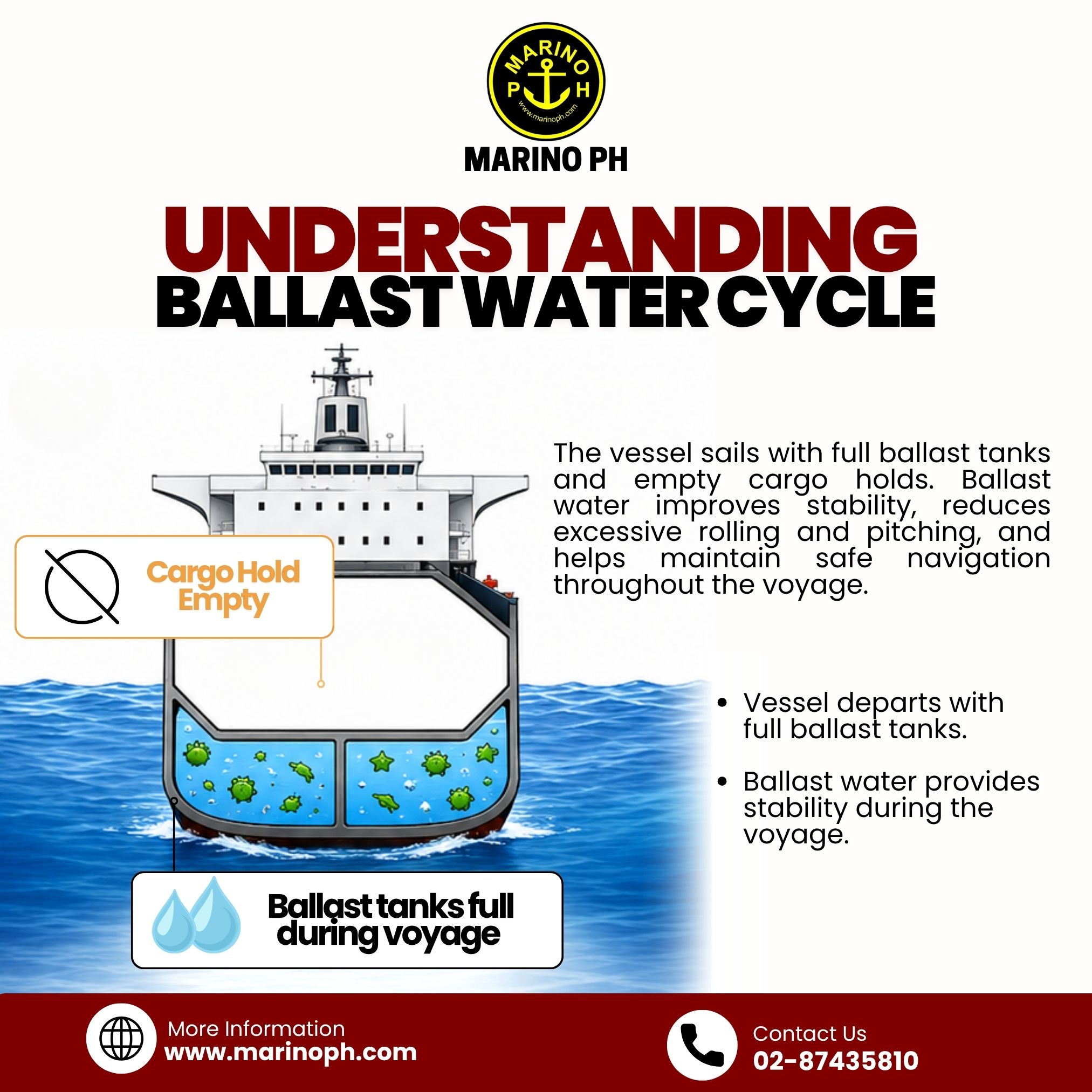
Understanding the Ballast Water Cycle
Ballast water is essential for maintaining a vessel\'s stability, trim, draft, and safe navigation. The ballast water cycle continuously changes depending on whether a ship is carrying cargo or sailing in ballast condition. Below is a step-by-step explanation of the process. 1. Ballast Voyage – Cargo Holds Empty When a vessel sails without cargo, it becomes lighter and less stable. To compensate, seawater is pumped into ballast tanks located at the bottom and sides of the ship. What happens: -Cargo holds are empty. -Ballast tanks are filled with seawater. -The additional weight improves stability and reduces excessive rolling and pitching. -The vessel safely travels to the loading port. Purpose: To maintain proper draft, trim, and stability while the ship is not carrying cargo.
Common Types of Knots Used on Board
A knot is a method of fastening or securing a rope by intertwining or looping it in a specific way. Knots are commonly used in maritime operations, rescue work, climbing, fishing, and daily activities to secure loads, join ropes, or create loops. Types of Knots and Their Definitions 1. Bowline Knot The Bowline is a strong loop knot used to create a fixed loop at the end of a rope that will not slip or tighten under load. It is widely used in maritime operations, rescue work, and mooring activities. Common Use: Securing lines to posts or rings Rescue operations Lifeboat and mooring work 2. Cleat Hitch A Cleat Hitch is a knot used to secure a rope around a cleat quickly and safely. It is commonly used on ships and boats for mooring lines. Common Use: Securing mooring ropes Docking operations Temporary rope fastening 3. Anchor Bend The Anchor Bend, also called the Fisherman’s Bend, is a knot used to attach a rope securely to an anchor, ring, or chain. Common Use: Attaching anchor lines Securing ropes to metal rings Maritime anchoring operations 4. Clove Hitch A Clove Hitch is a simple knot used for fastening a rope to a pole, post, or spar. It is easy to tie and untie but may slip if not under constant tension. Common Use: Temporary fastening Securing fenders Starting lashings 5. Figure Eight Knot The Figure Eight Knot is a stopper knot that prevents the rope from slipping through a pulley, block, or hole. It is stronger and safer than a simple overhand knot. Common Use: Preventing rope ends from fraying Climbing and rescue work Maritime safety applications
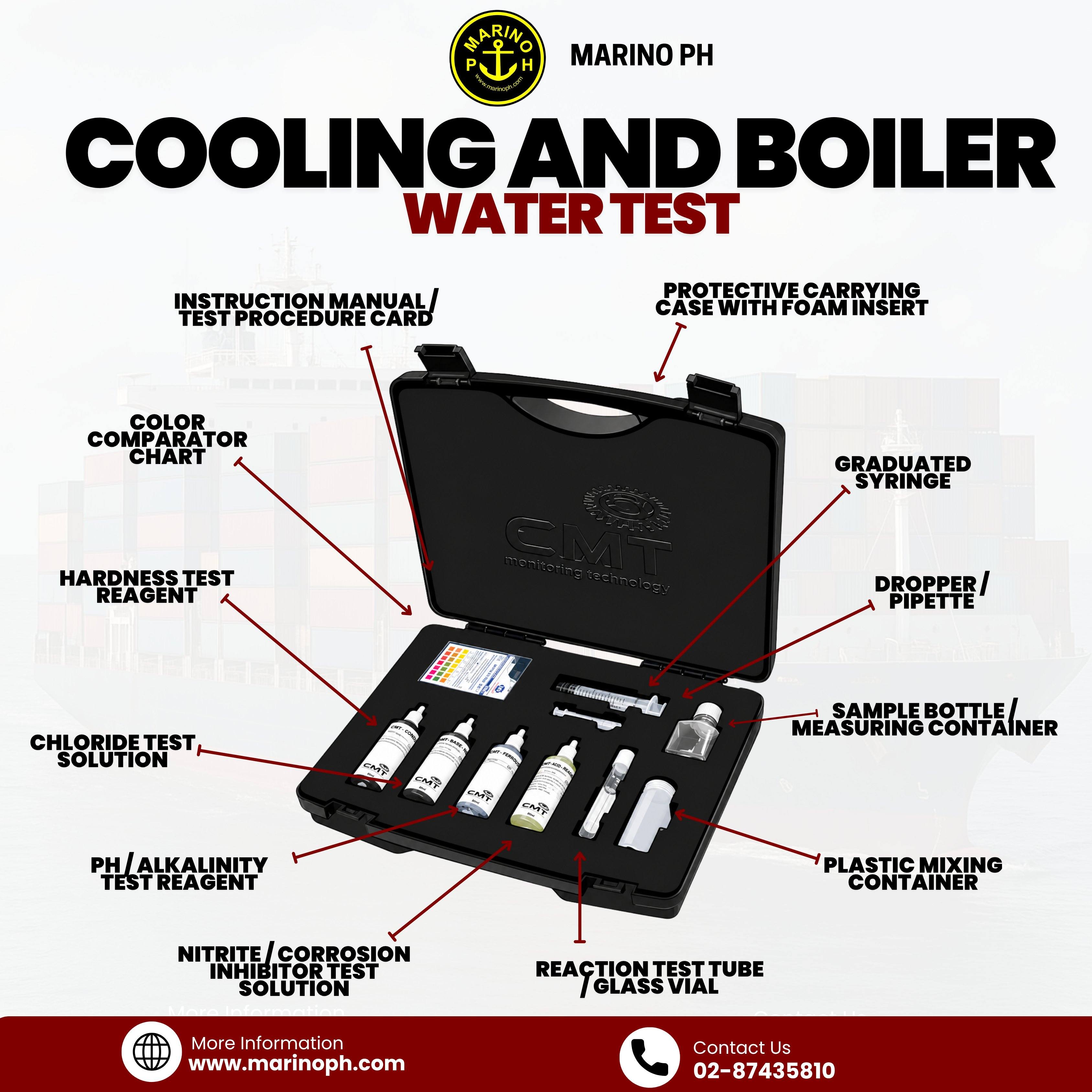
Cooling and Boiler Water Test: Ensuring Reliable Marine System Performance
Maintaining water quality is a critical part of efficient and safe ship operations. A Cooling and Boiler Water Test Kit is designed to help marine engineers monitor and manage the condition of water circulating through onboard cooling systems and boiler units. Regular testing supports equipment reliability, minimizes operational issues, and helps extend the service life of vital machinery. This testing kit contains the essential components required to perform routine onboard water analysis quickly and accurately. Included in the set are specialized reagents for hardness testing, chloride analysis, pH and alkalinity measurement, and nitrite/corrosion inhibitor evaluation. These tests provide valuable insight into water chemistry and allow early detection of conditions that may lead to scaling, corrosion, deposits, or reduced heat transfer efficiency. The kit also includes practical accessories such as a graduated syringe, dropper pipette, reaction test tube, sample bottle, plastic mixing container, color comparator chart, and an instruction manual with testing procedures. All components are organized in a protective carrying case with foam inserts, making the kit convenient for onboard use and storage. Routine cooling and boiler water testing is a standard preventive maintenance practice across the maritime industry. By maintaining proper water treatment parameters, vessel operators can improve machinery performance, reduce maintenance requirements, and support safer, more efficient vessel operations.
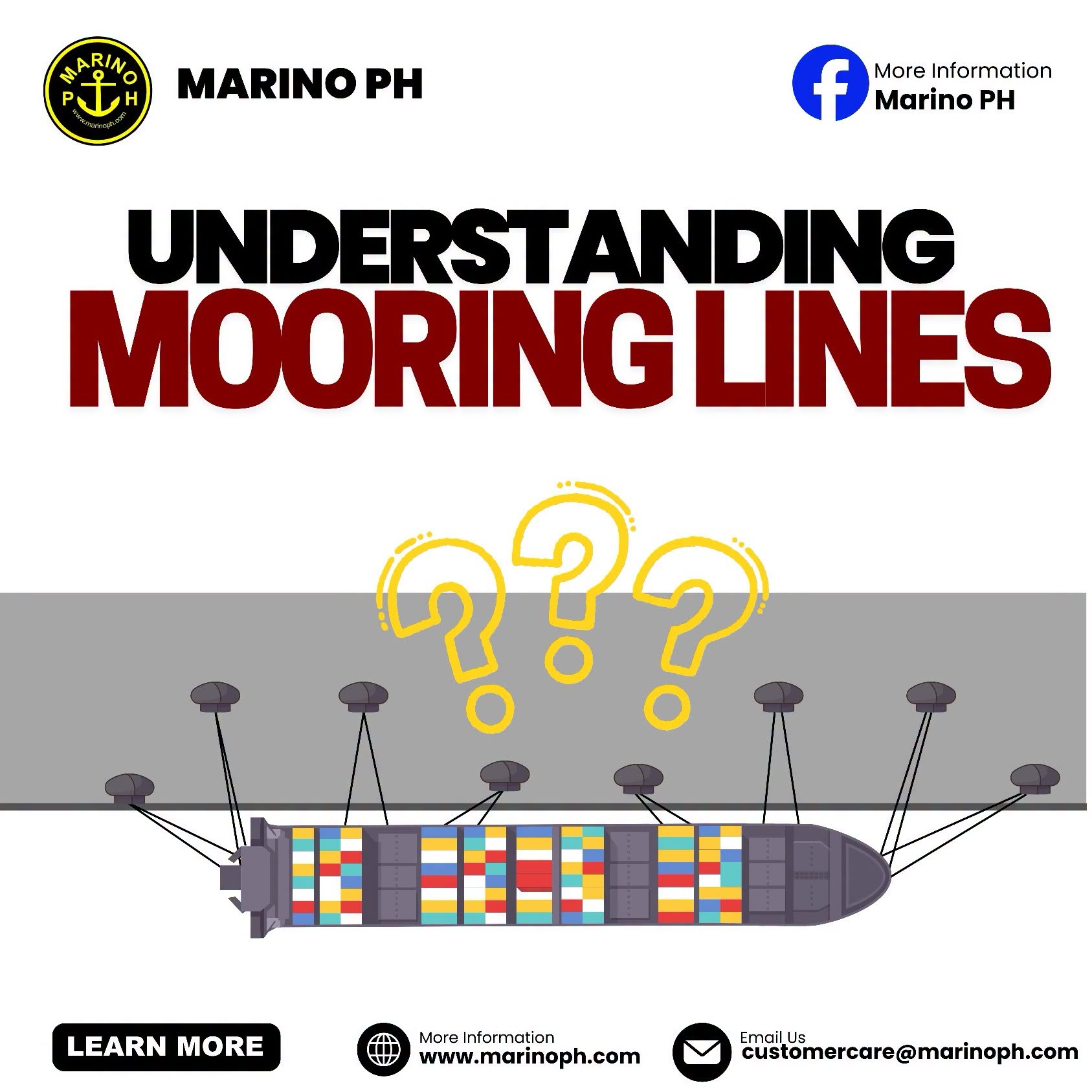
Understanding Mooring Lines: The Foundation of Safe Ship Berthing
Mooring lines are essential ropes or wires used to secure a vessel safely alongside a berth, pier, buoy, or offshore terminal. They keep the ship in position during cargo operations, bunkering, passenger transfers, and maintenance while preventing unwanted movement caused by wind, waves, currents, and tidal changes. A proper mooring arrangement protects the vessel, port facilities, cargo, and the safety of everyone on board and ashore.
.png)
What is anchor? An anchor is a heavy device, typically made of metal, that is used to connect a vessel to the bed of a body of water to prevent the vessel from drifting due to wind or current. Purpose ‣To Hold the Vessel in Place It secures the ship in a fixed location, especially when it is not at a dock or port. ‣To Prevent Drifting It stops the vessel from being carried away by wind, waves, or currents. ‣To Provide Safety in Emergencies In case of engine failure or rough weather, the anchor helps prevent the ship from drifting into danger. ‣To Assist in Positioning During Operations Useful for activities like dredging, diving, or repairs where stability is essential. 1. Fluke Anchor (Danforth) The Fluke anchor, also known as the Danforth anchor, is a lightweight, high-holding power anchor designed with two wide flat flukes that pivot on a shank. Purpose: It is ideal for anchoring in sandy or muddy bottoms, where its broad flukes can dig in deeply and hold firmly. Key Features: ‣Made of high-strength steel or aluminum ‣Lightweight and easy to handle ‣Excellent holding power relative to its weight ‣Commonly used on smaller vessels, yachts, and recreational boats 2. Plow Anchor (CQR) The Plow Anchor, commonly known as the CQR anchor (short for Coastal Quick Release), features a single plow-shaped fluke that pivots on a shank, resembling a farmer’s plow. Purpose: Designed to penetrate and bury itself in a variety of seabeds, it is widely used for general-purpose anchoring, especially in changing conditions Key Features: ‣Heavy-duty forged or cast steel construction ‣Hinged design allows it to adapt to shifting loads ‣Performs well in sand, mud, gravel, and some grassy bottoms ‣Often seen on cruising and commercial vessels 3. Bruce Anchor The Bruce anchor, also known as the Claw anchor, is a one-piece anchor with a claw-like shape designed to dig into the seabed and provide steady holding power. Purpose: Developed originally for offshore oil rigs, the Bruce anchor is now popular for small to medium recreational boats due to its reliable setting and holding capabilities. Key Features: ‣Made from forged or cast steel ‣One-piece construction with no moving parts ‣Performs well in sand, mud, and some rocky bottoms ‣Commonly used by cruising yachts and powerboats
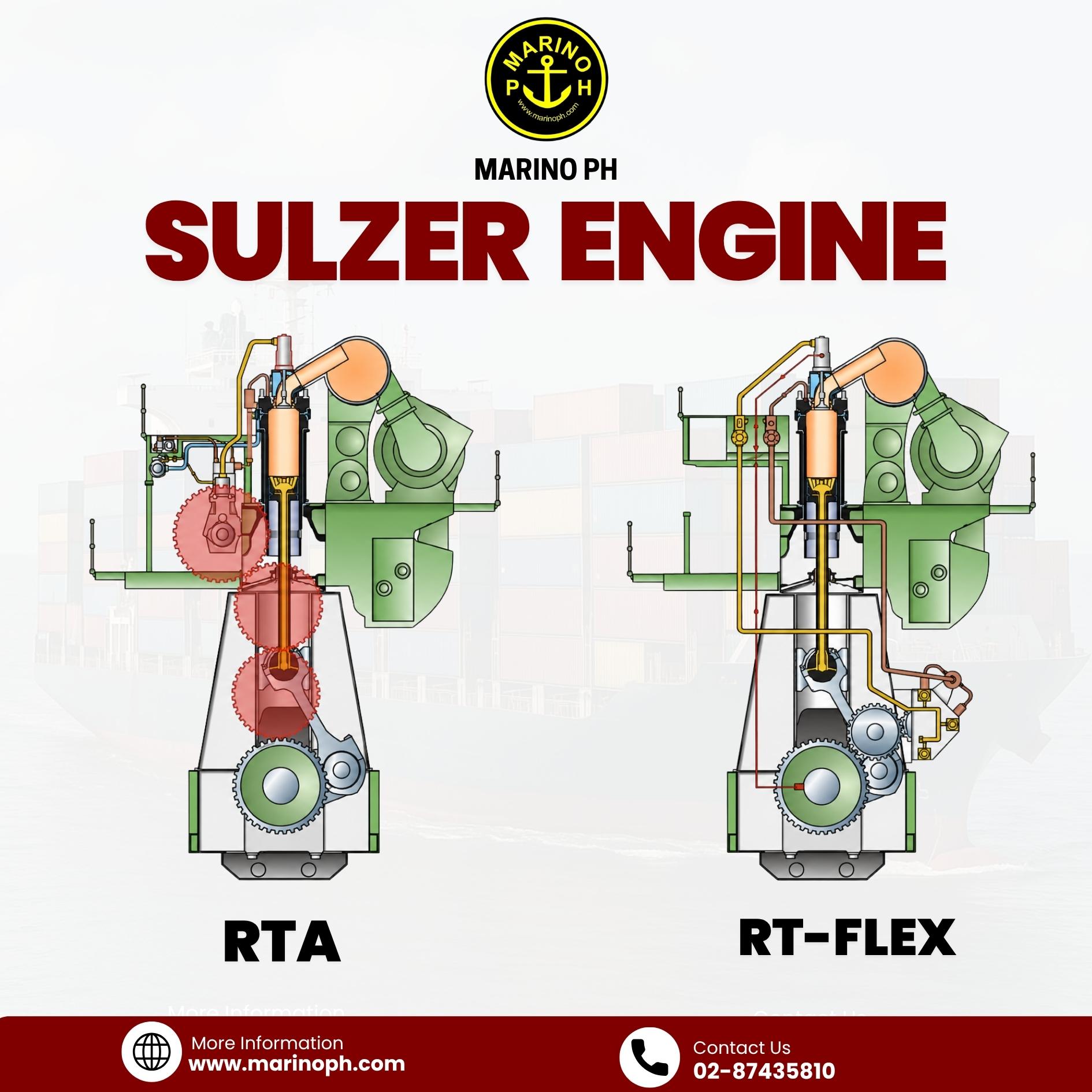
Sulzer Engine: RTA vs RT-flex Understanding the Evolution of Marine Propulsion
Sulzer marine engines have long played a major role in powering commercial shipping through reliability, fuel efficiency, and continuous technological advancement. Among their most recognized low-speed two-stroke engine designs are the RTA and RT-flex series, each representing different generations of marine engine development and operational capability. The Sulzer RTA engine is a mechanically controlled low-speed diesel engine designed for dependable performance and straightforward operation. Fuel injection and exhaust valve timing are driven mechanically through camshaft systems, making the engine robust and easier to maintain in traditional shipboard environments. RTA engines became widely used across various vessel types because of their proven durability and efficient fuel consumption during long-distance voyages.
.jpg)
Parts of the Anchor System of a Ship
What is the Anchor System of a Ship? The anchor system is essential equipment that secures a ship in place at sea or in port. It consists of interconnected parts such as the anchor, chain, windlass, and locker, working together to prevent drifting, protect the vessel, and ensure safety during operations, emergencies, or harsh weather conditions. Parts of the Anchor System of a Ship 1. Anchor A heavy steel device that grips the seabed to hold the ship in position. It prevents drifting due to wind, waves, or current, ensuring stability and safety. 2. Chain Cable A strong, durable chain linking the anchor to the ship. Its weight and strength allow effective seabed penetration, withstand high tension, and resist corrosion in harsh marine conditions. 3. Windlass A powerful mechanical device used to heave up or let go the anchor chain. Operated hydraulically, electrically, or manually, it ensures safe, efficient anchoring operations and controlled chain movement. 4. Chain Stopper A securing device that locks the anchor chain when not in use. It relieves stress on the windlass, prevents chain slippage, and ensures safety during sailing or rough weather. 5. Anchor Lashing Strong securing arrangement that holds the anchor firmly in place while the ship is underway. It prevents unwanted movement caused by vibration, waves, or ship motion, protecting vessel structures. 6. Hawse Pipe A cylindrical pipe at the bow through which the anchor chain passes from deck to sea. It aligns and protects the chain, preventing friction damage and entanglement.

CONTAINER LASHING Container lashing is a critical safety procedure used on container vessels to secure cargo during sea transport. Proper lashing prevents shifting, tilting, or falling of containers caused by vessel movement, heavy weather, and rolling motions. The system is composed of different components designed to keep containers stable, aligned, and firmly locked in place throughout the voyage. Key components of container lashing include: â—Long Lashing Rods – Used for higher container tiers to provide extended reach and strong vertical and diagonal support. â—Short Lashing Rods – Applied on lower tiers where shorter connections are required for stability. â—Turnbuckles – Adjustable tensioning devices that tighten lashing rods to maintain proper securing force.
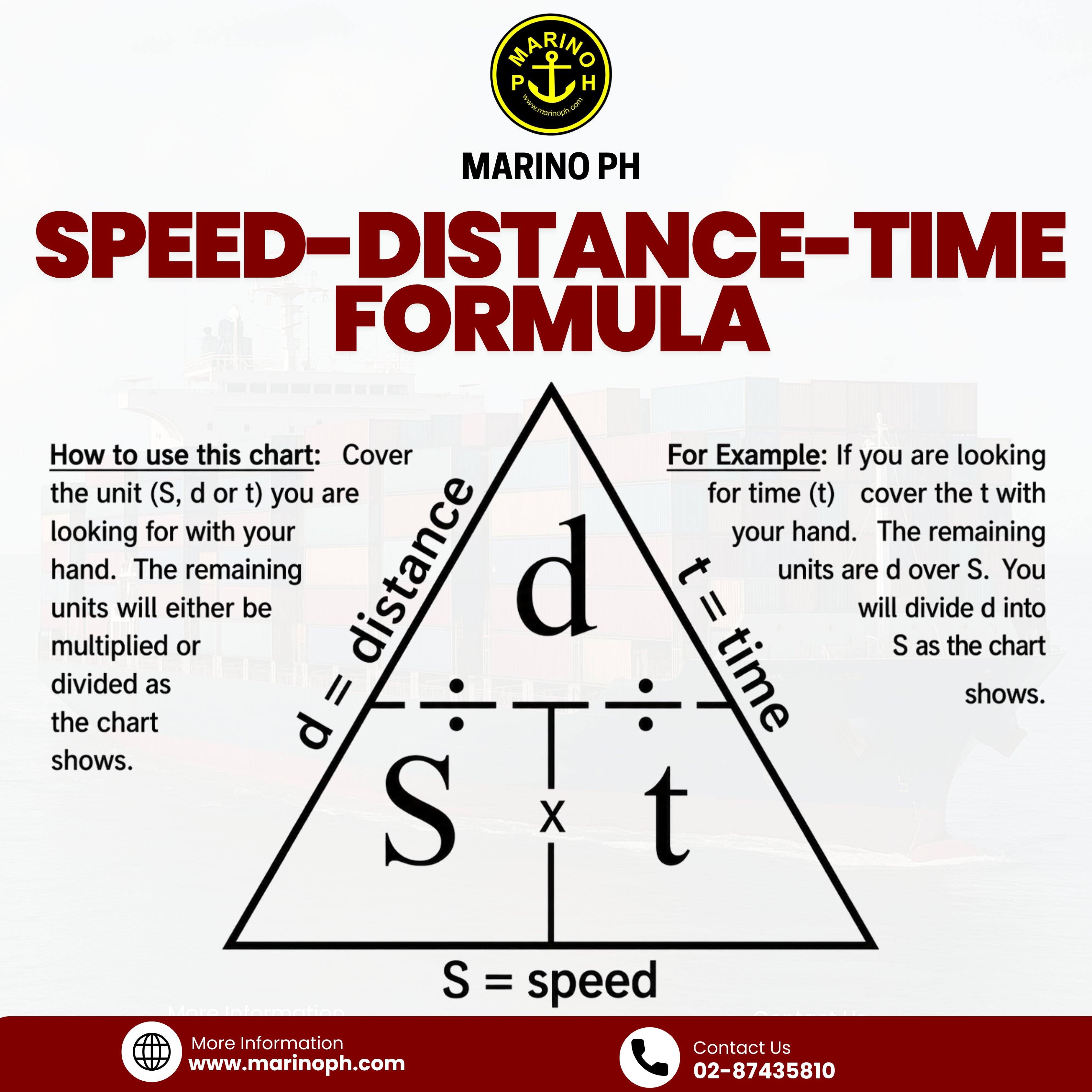
Understanding the Speed Distance Time Formula
The Speed Distance Time Formula is one of the most practical and widely used calculations in navigation, engineering, and everyday travel. Whether onboard a vessel, planning a voyage, or estimating arrival times, this simple relationship helps determine how fast an object moves, how far it travels, or how long the journey takes. The formula is based on three variables: Speed (S), Distance (D), and Time (T). These values are connected through straightforward equations: Distance (D) = Speed × Time Speed (S) = Distance ÷ Time Time (T) = Distance ÷ Speed
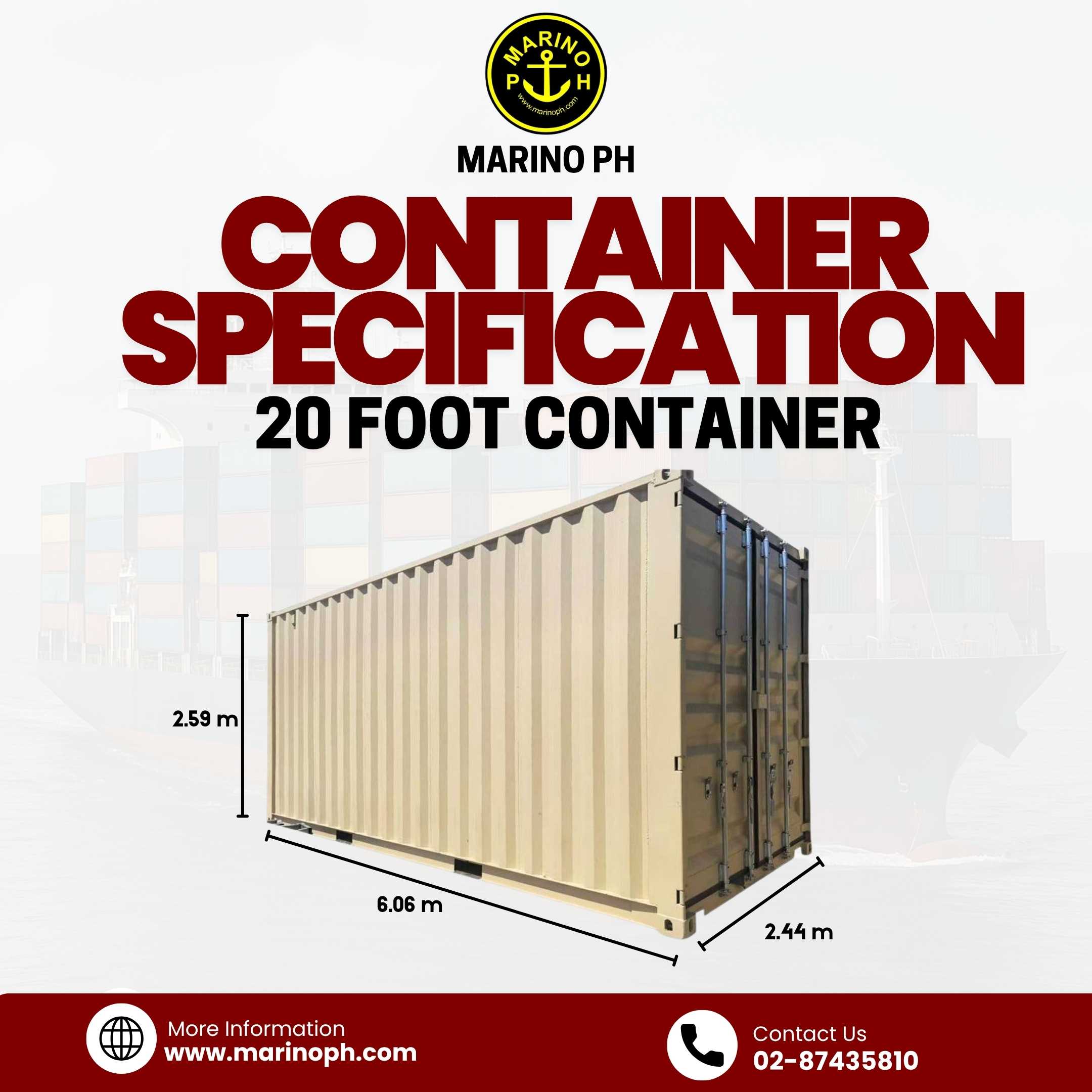
The 20-foot container and 40-foot container are the most commonly used shipping containers in the global maritime industry. The 20-foot container, often called a Twenty-foot Equivalent Unit (TEU), is widely used for heavy cargo such as machinery, metal products, and dense goods. Its compact size makes it easier to handle while still providing enough space for a wide range of cargo. Many shipping lines and ports use the TEU as a standard unit for measuring container capacity and vessel cargo volume.
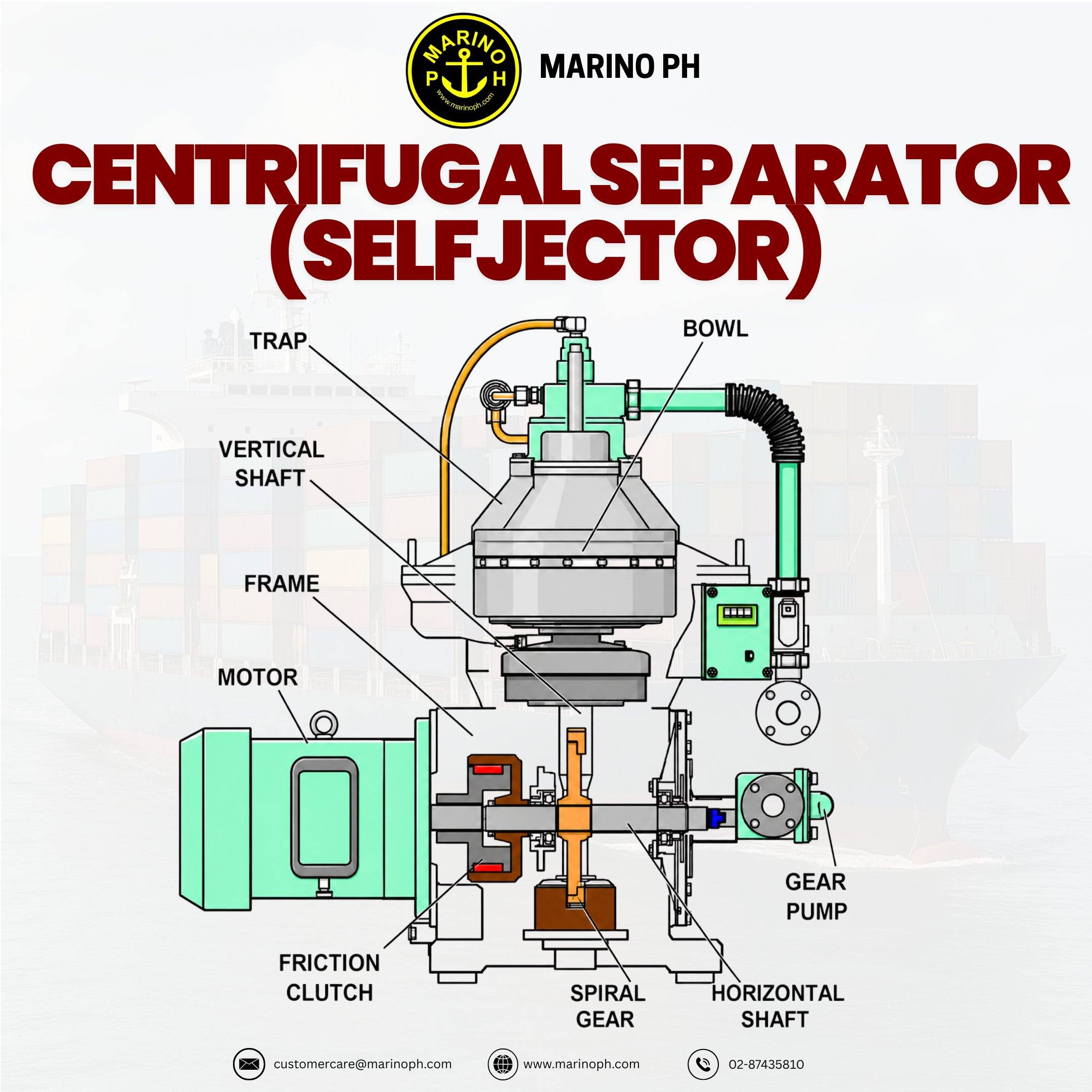
Centrifugal Separator (Self-Jector)
A centrifugal separator, commonly known as a Self-Jector, is one of the most important pieces of purification equipment found in a ship’s engine room. It is designed to remove water, sludge, and solid contaminants from fuel oil and lubricating oil, ensuring that only clean oil is supplied to the main engine and auxiliary machinery. By maintaining oil cleanliness, the separator helps improve engine performance, reduce wear and tear, and extend the service life of critical components. The separator operates on the principle of centrifugal force. Inside the rotating bowl, oil is spun at extremely high speeds, generating forces thousands of times greater than gravity. Due to differences in density, heavier impurities such as water and sludge move outward toward the bowl wall, while the lighter purified oil remains closer to the center. The cleaned oil is then discharged for use, while contaminants are collected and periodically expelled.
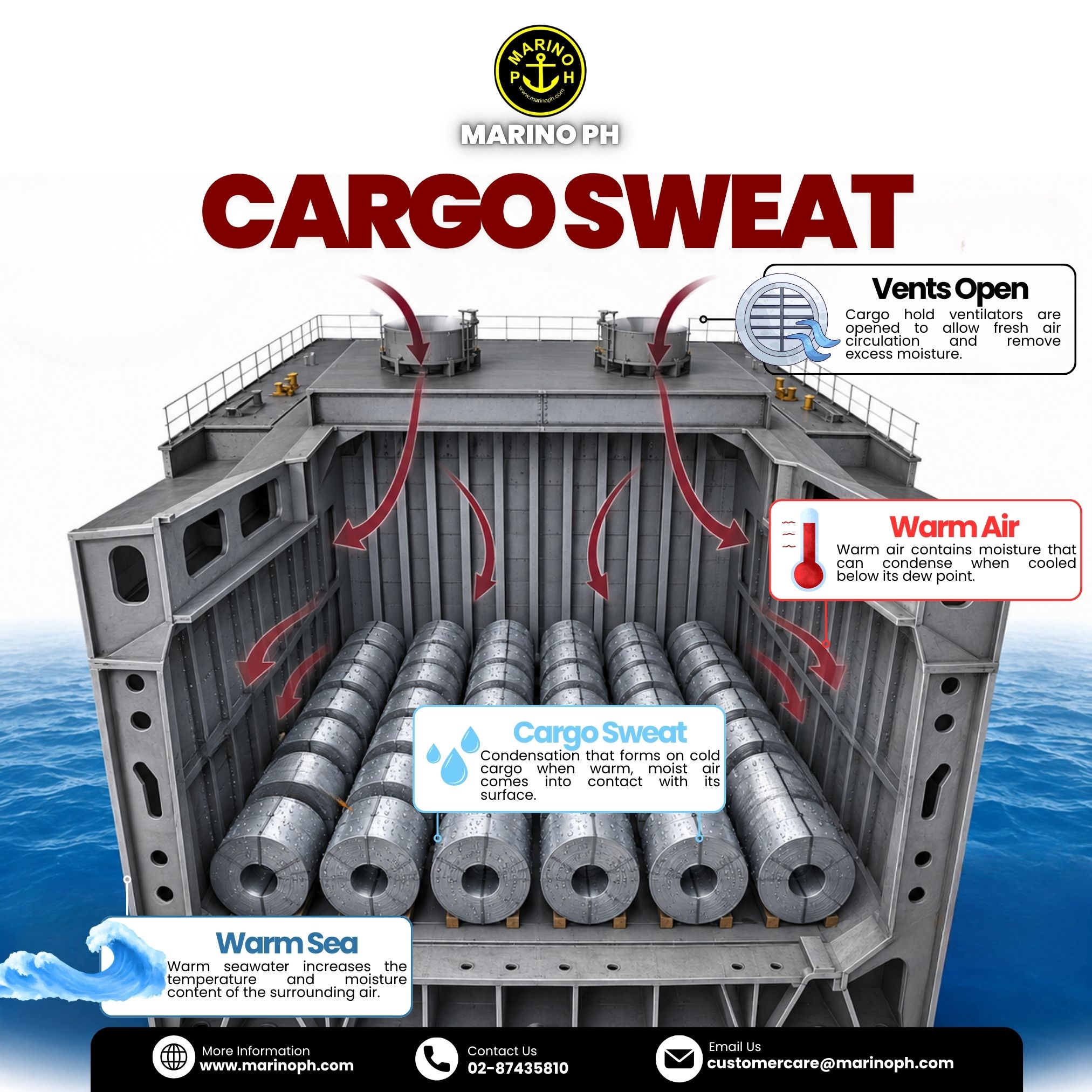
Cargo Sweat and Ship Sweat: Understanding Moisture Formation in Cargo Holds
Cargo sweat and ship sweat are common moisture-related conditions encountered during sea voyages, particularly when vessels sail between regions with different temperatures and climates. Understanding the difference between these two phenomena is important to prevent cargo damage and maintain cargo quality throughout the voyage. Cargo Sweat occurs when warm, moist air inside a cargo hold comes into contact with a colder cargo surface. As the air cools below its dew point, moisture condenses directly on the cargo. This condition is commonly experienced when a vessel carrying cold cargo enters a warm and humid environment. The resulting condensation can damage cargoes that are sensitive to moisture, such as steel products, bagged goods, paper, machinery, and agricultural products.
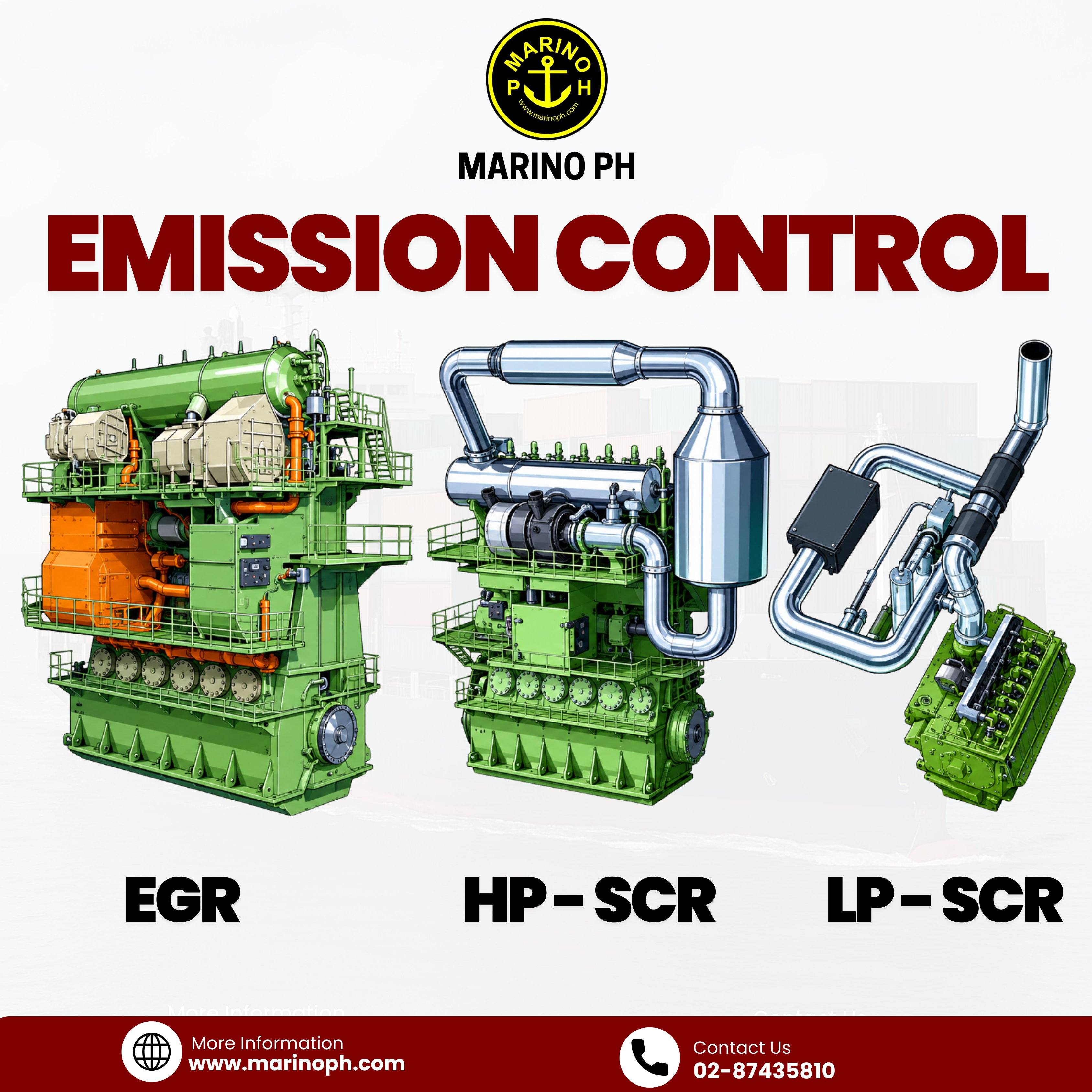
Emission Control Technologies on Modern Ships: EGR, HP-SCR, and LP-SCR As environmental regulations become increasingly stringent, the maritime industry continues to adopt advanced emission control technologies to reduce harmful exhaust gases from marine diesel engines. The International Maritime Organization (IMO) has introduced strict limits on nitrogen oxide (NOx) emissions through MARPOL Annex VI, driving shipowners and engine manufacturers to develop effective solutions that ensure compliance while maintaining engine performance. Among the most widely used technologies today are Exhaust Gas Recirculation (EGR), High-Pressure Selective Catalytic Reduction (HP-SCR), and Low-Pressure Selective Catalytic Reduction (LP-SCR). Exhaust Gas Recirculation (EGR) reduces NOx emissions by redirecting a portion of the engine’s exhaust gases back into the combustion chamber. By mixing exhaust gas with fresh intake air, the oxygen concentration inside the cylinder is lowered, resulting in reduced combustion temperatures. Since NOx formation increases at high temperatures, lowering the combustion temperature significantly reduces NOx production. EGR systems are integrated directly into the engine and are particularly effective for vessels operating in Emission Control Areas (ECAs) where strict environmental standards apply. High-Pressure Selective Catalytic Reduction (HP-SCR) is another widely adopted solution for meeting IMO Tier III requirements. In this system, exhaust gases pass through a catalytic reactor before reaching the turbocharger. A urea-based solution is injected into the exhaust stream, where it reacts with NOx inside the catalyst and converts it into harmless nitrogen and water vapor. Because the SCR unit is located in the high-pressure section of the exhaust system, exhaust temperatures remain sufficiently high for efficient catalytic reactions, making HP-SCR highly effective across a wide range of engine loads.
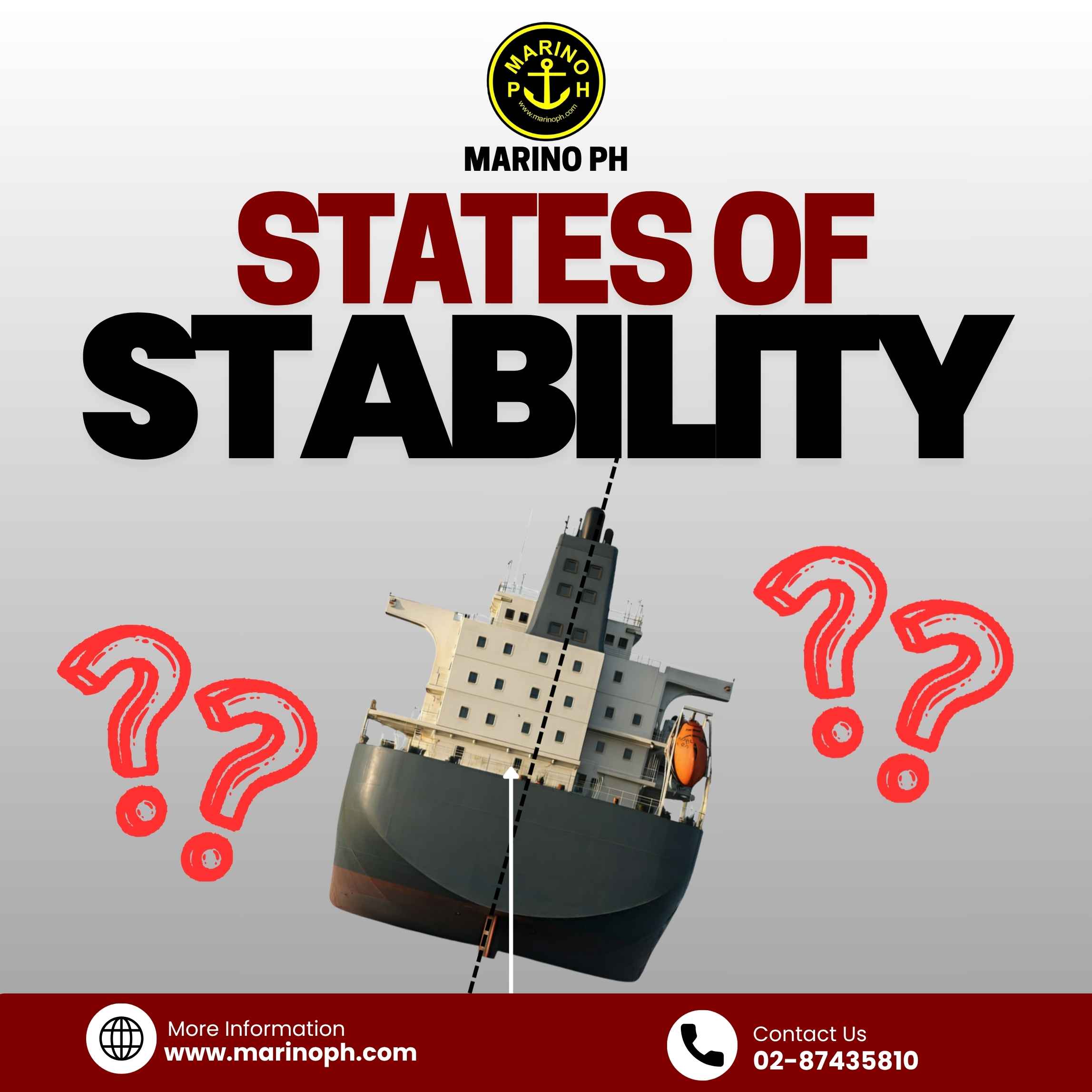
Ship Stability and States of Stability
Ship stability is the ability of a vessel to return to its original upright position after being affected by external forces such as wind, waves, cargo movement, or turning actions. Stability is one of the most important factors in ship safety because it helps prevent excessive listing, capsizing, and cargo shifting during a voyage. The stability of a ship depends on the relationship between its center of gravity (G), center of buoyancy (B), and metacenter (M). When a ship heels, the buoyant force acts upward through the center of buoyancy, while the ship's weight acts downward through the center of gravity. The position of these points determines whether the vessel will return to an upright position, remain in its new position, or continue to heel further.
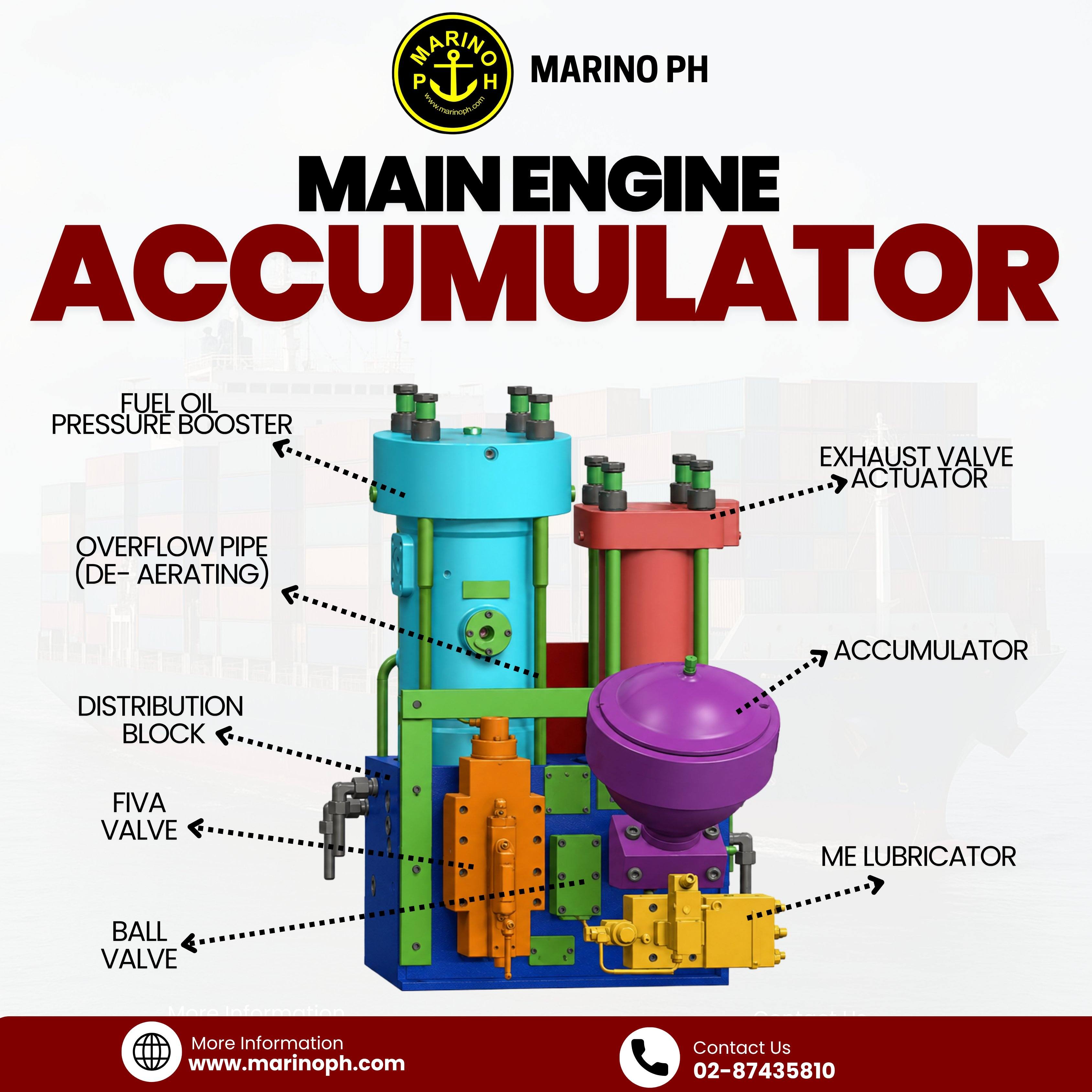
Main Engine Accumulator The Main Engine Accumulator is an essential component in modern marine diesel engine systems, designed to maintain stable hydraulic or pneumatic pressure for critical engine operations. Installed within the main engine control and actuator system, the accumulator stores pressurized fluid or gas energy and releases it instantly when required. This ensures smooth, reliable, and rapid operation of important engine functions, particularly during sudden load changes or emergency situations onboard. In large two-stroke marine engines, the accumulator commonly supports systems such as the exhaust valve actuator, fuel oil pressure booster, and engine lubrication components. By maintaining consistent pressure, it helps ensure accurate fuel injection timing and proper exhaust valve operation, both of which are vital for engine efficiency and safe performance. The accumulator also reduces pressure fluctuations within the system, minimizing stress on pumps, pipelines, and control equipment. Another important function of the accumulator is providing backup pressure during temporary power or pump failure. In the event of a sudden drop in system pressure, the stored energy inside the accumulator can immediately compensate, allowing critical engine operations to continue safely for a short period. This contributes significantly to the reliability and operational safety of the vessel, especially during maneuvering or emergency conditions at sea.
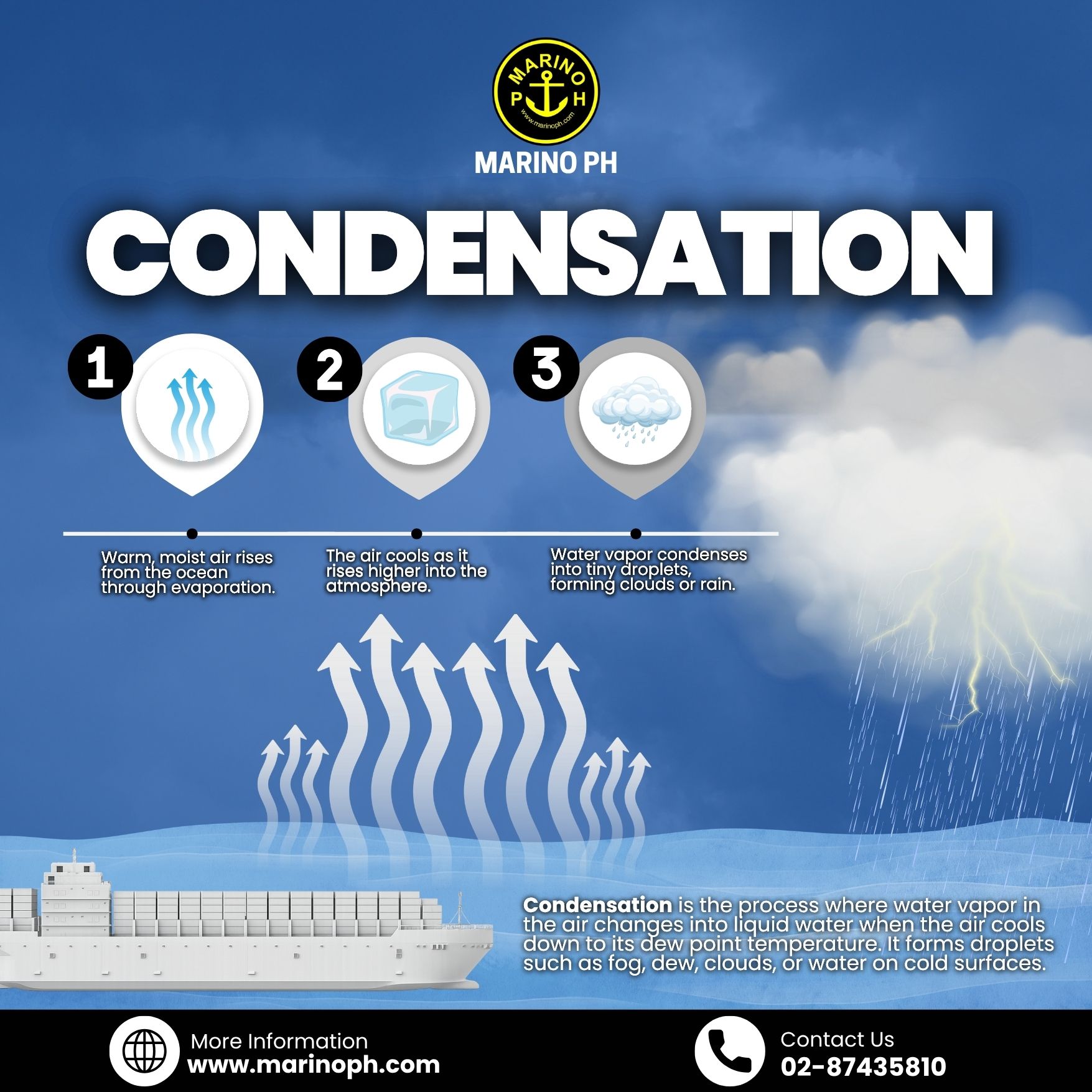
Condensation happens when warm air containing water vapor cools down and changes into liquid water droplets. This process usually takes place when moist air comes into contact with a cooler surface or when warm air rises into the atmosphere and loses heat. As the air temperature reaches its dew point, the water vapor turns into tiny droplets that can form clouds, fog, dew, or even rain. In the maritime environment, condensation is very common due to the constant presence of moisture, changing temperatures, and sea conditions. Seafarers may notice condensation on bridge windows, accommodation walls, cargo holds, pipelines, and machinery spaces. If not properly controlled, it can lead to slippery surfaces, corrosion, mold growth, damaged cargo, and reduced visibility onboard.
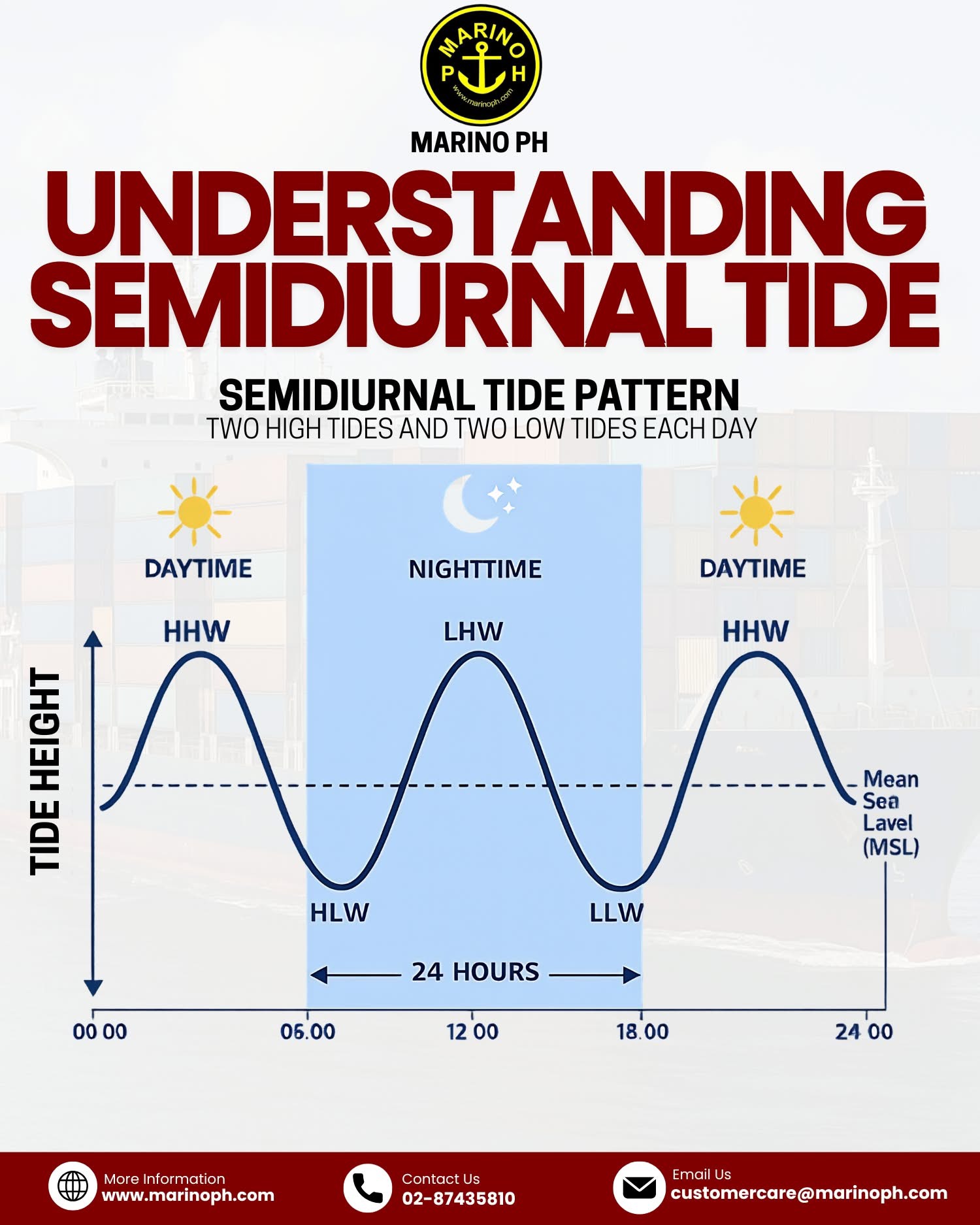
Understanding Semidiurnal Tide
A semidiurnal tide is a tidal pattern in which two high tides and two low tides occur each day, with relatively equal heights and intervals. This means coastal areas experiencing semidiurnal tides will typically have a high tide every 12 hours and 25 minutes, followed by a low tide in between. It is the most common tidal pattern observed around the world, especially along the Atlantic coasts of North America and Europe. Semidiurnal tides are caused primarily by the gravitational pull of the Moon and the Sun on Earth’s oceans. As the Earth rotates, ocean waters are pulled toward the Moon, creating tidal bulges. Areas passing through these bulges experience high tides, while areas between them experience low tides. The Sun’s gravity also influences tides, either strengthening or weakening them depending on the alignment of the Earth, Moon, and Sun.
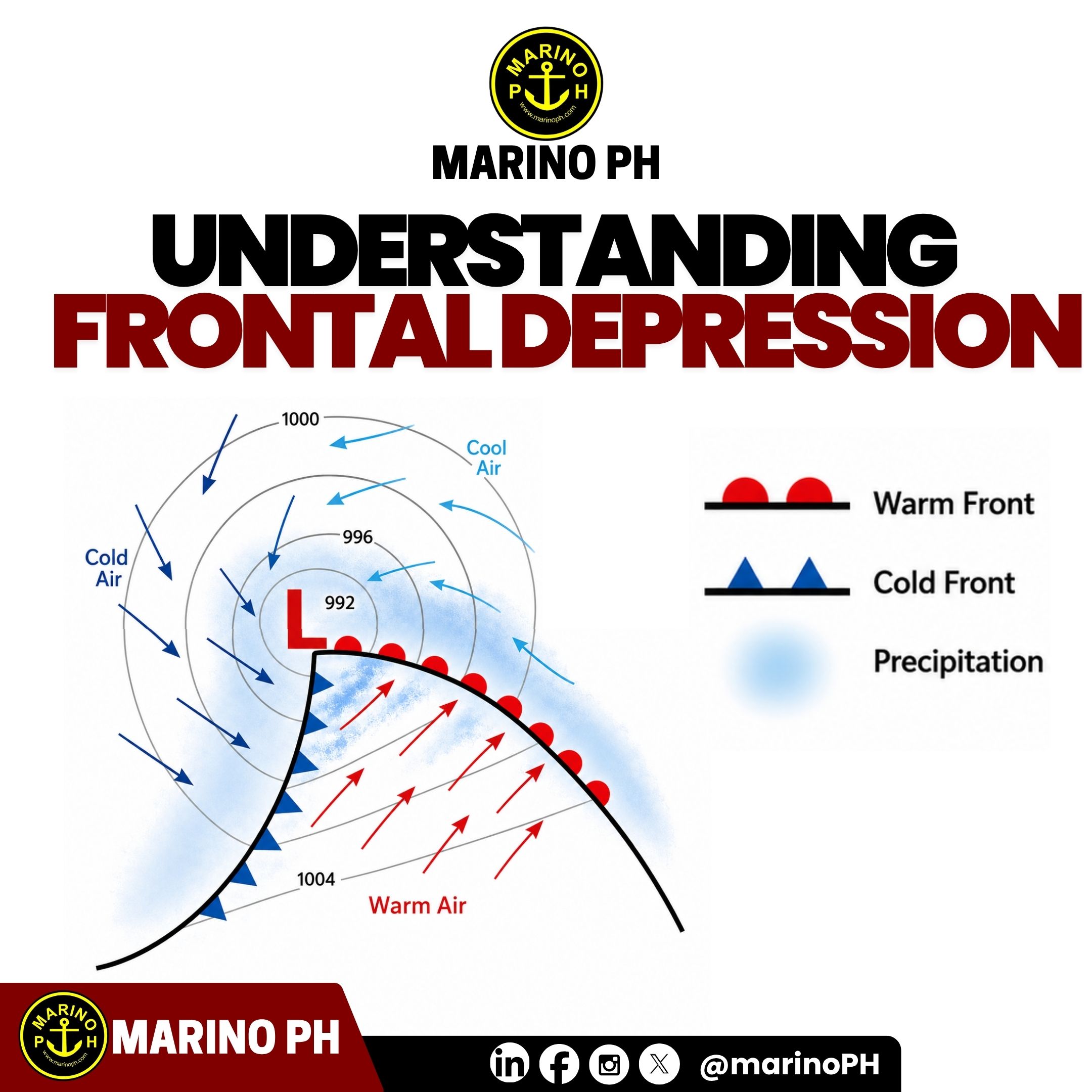
A frontal depression is a large low-pressure weather system formed when warm air and cold air masses meet along a front, usually in middle and high latitudes. It is also called a mid-latitude cyclone or extratropical cyclone. The system develops when warm, lighter air rises over colder, denser air, causing a drop in atmospheric pressure. As the pressure decreases, winds begin circulating around the low-pressure center counterclockwise in the Northern Hemisphere and clockwise in the Southern Hemisphere.
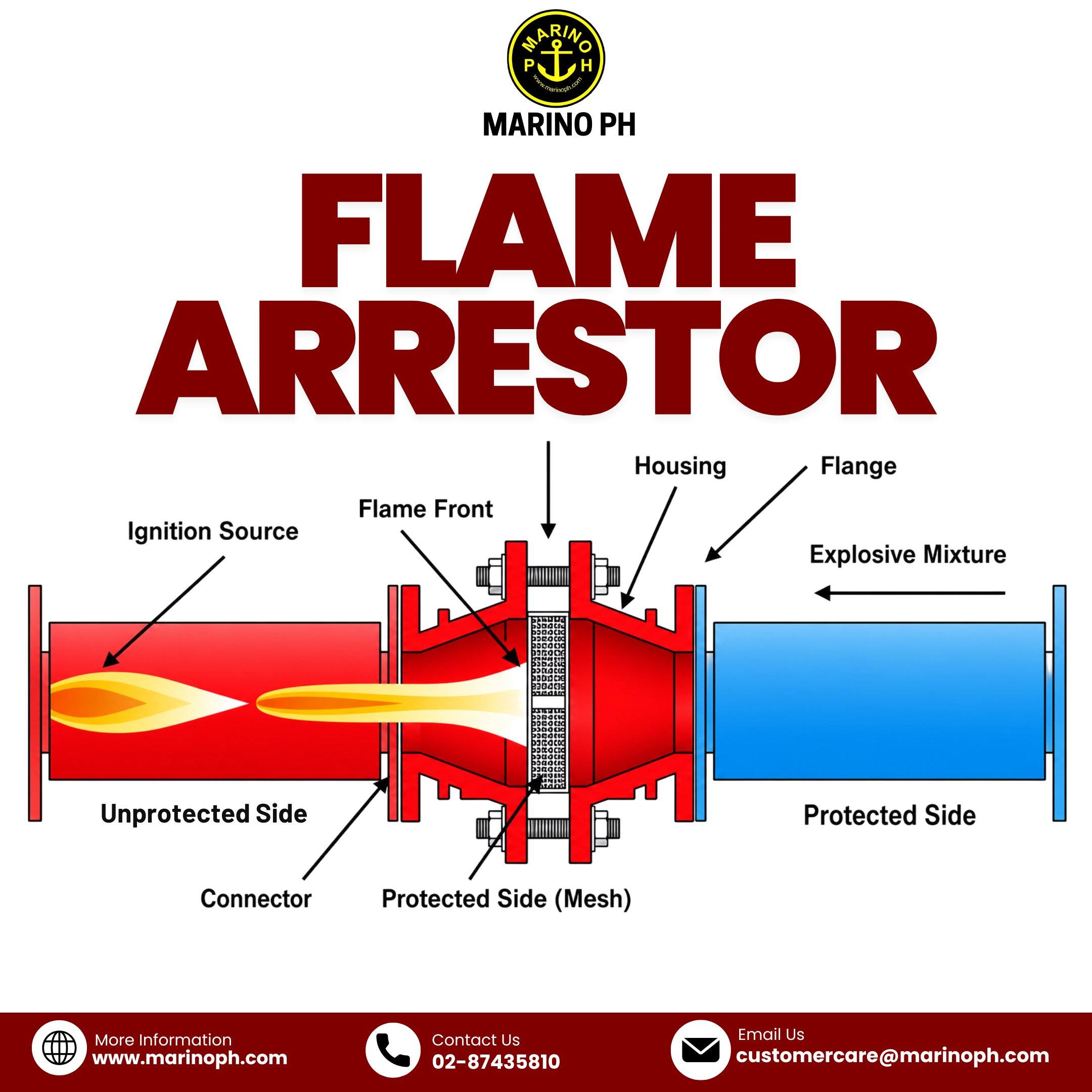
Flame Arrestors and Their Role in Industrial Safety A flame arrestor is a critical safety device designed to stop flames from spreading through pipelines, storage tanks, ventilation systems, and industrial equipment that handle flammable gases or vapors. Commonly used in marine, oil and gas, chemical, and manufacturing industries, flame arrestors help prevent explosions and protect both personnel and equipment from catastrophic accidents. The device works by allowing gases or vapors to pass through a specially designed metal mesh or element while preventing a flame front from continuing to the protected side of the system. When an ignition source causes combustion on one side, the flame enters the flame arrestor and encounters the internal mesh structure. This element absorbs and dissipates heat rapidly, cooling the flame below the temperature required for combustion. As a result, the flame is extinguished before it can travel further into the system.
Understanding Wavelength and Frequency
Wavelength and frequency are two important terms used in wave motion, navigation systems, sound, light, and communication technology. These concepts are commonly studied in maritime education, especially in subjects related to physics, electronics, radar, and radio communication onboard ships. Wavelength refers to the distance between two identical points in a wave, such as crest to crest or trough to trough. It represents one complete cycle of the wave. In the illustration, the wavelength is shown as the horizontal distance covering one full wave pattern. Longer wavelengths usually mean the waves are spread farther apart, while shorter wavelengths indicate the waves are closer together. Frequency, on the other hand, refers to the number of wave cycles passing a certain point within one second. It is measured in Hertz (Hz). A wave with high frequency produces more cycles in a shorter period, while a low-frequency wave produces fewer cycles over the same time. Frequency and wavelength are closely connected because when frequency increases, wavelength usually decreases.
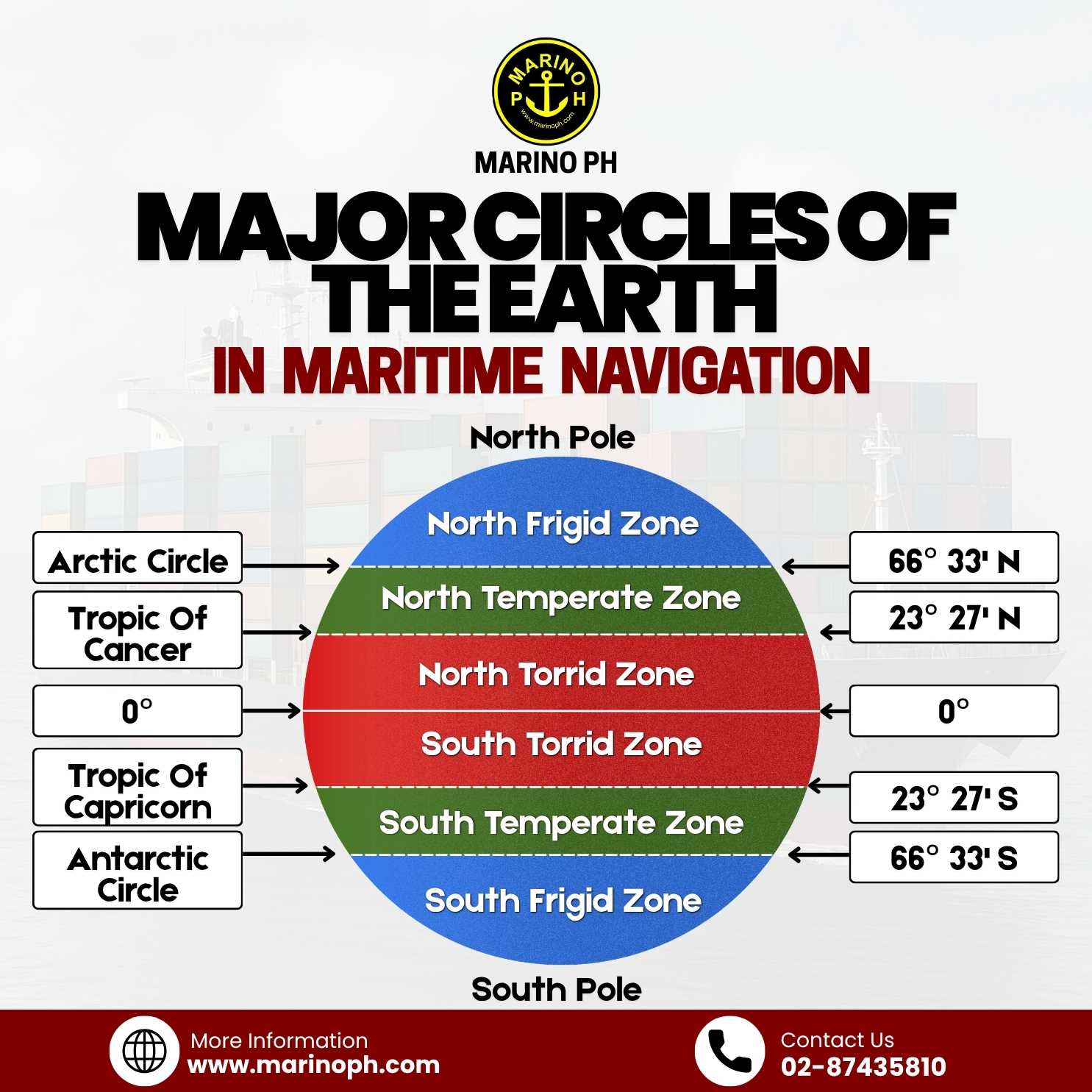
MAJOR CIRCLES OF THE EARTH IN MARITIME NAVIGATION
The Earth is divided into several major circles that play an important role in maritime navigation, geography, climate study, and global positioning,. These imaginary lines help seafarers identify locations, understand weather conditions, and navigate safely across different oceans and seas around the world. The Equator, located at 0° latitude, is the main reference line that divides the Earth into the Northern Hemisphere and Southern Hemisphere. Areas near the Equator experience warmer temperatures and are commonly known as the Torrid Zone. In maritime operations, vessels crossing this region often encounter tropical weather systems, heavy rainfall, and high humidity.
.jpg)
Principle of Flotation The principle of flotation explains why ships, boats, and other floating structures are able to stay on the surface of water despite their massive size and weight. This principle is based on the concept that a floating body displaces a volume of liquid whose weight is equal to the weight of the body itself. In simple terms, when a ship is placed in water, it pushes aside or displaces a certain amount of water. The water then exerts an upward force on the ship known as upthrust or buoyant force. For a vessel to float, the upward force generated by the displaced water must be equal to the downward force caused by the ship’s weight. This creates a balanced condition where upthrust equals weight, allowing the ship to remain afloat without sinking or rising further. If the ship’s weight becomes greater than the buoyant force, the vessel will sink deeper until enough water is displaced to restore balance or in extreme cases, it may sink completely. A ship made of steel can float because of its hull design. Although steel is denser than water, the hollow structure of the ship contains air, increasing the vessel’s overall volume while distributing its weight over a larger area. This lowers its average density, making it less dense than the water it displaces.
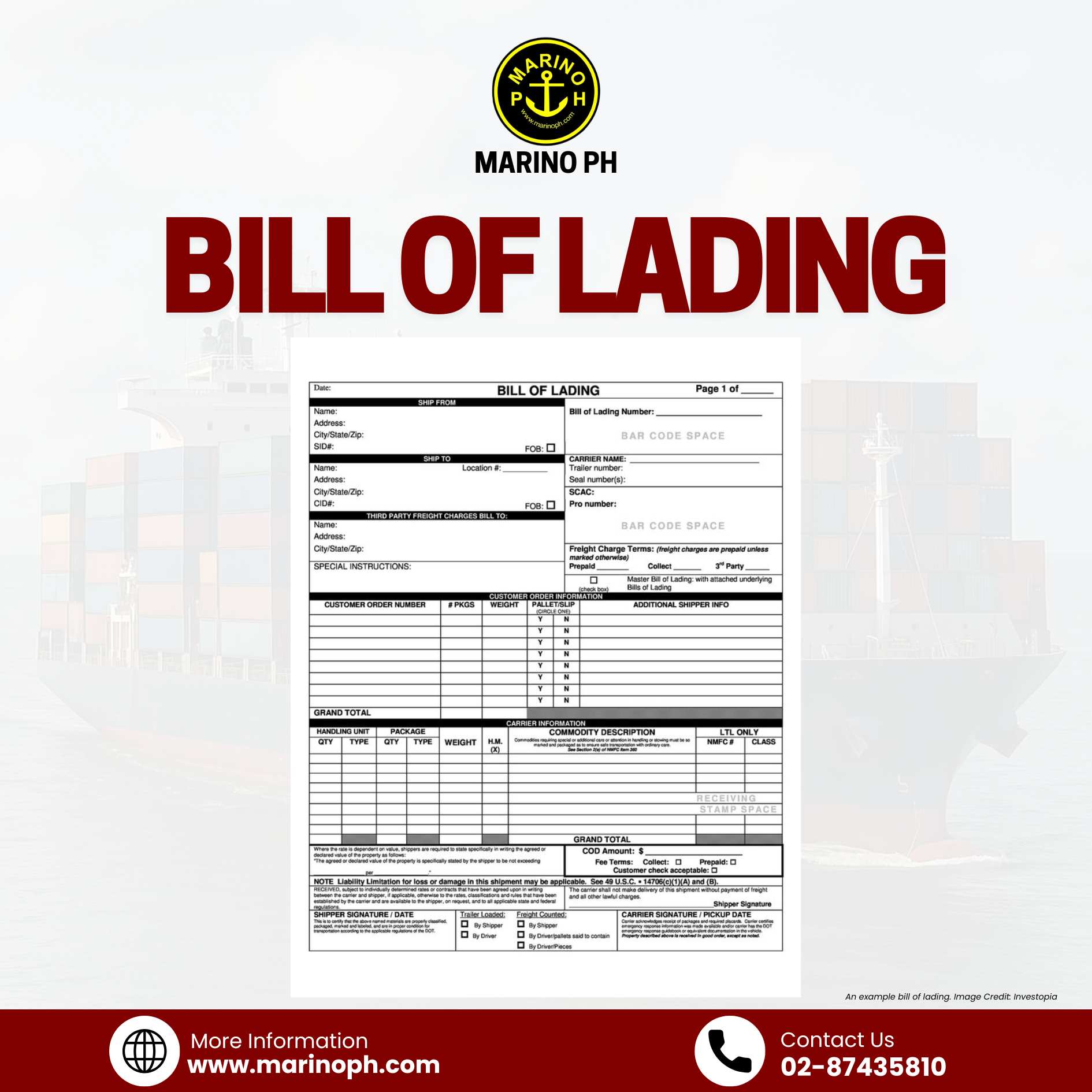
A Bill of Lading (B/L) is one of the most important documents in shipping. It is issued by the carrier to the shipper as proof that goods have been received for transport. It serves as a receipt, a contract of carriage, and a document of title, allowing the holder to claim the cargo at the destination port. Common Types of Bill of Lading Straight B/L – Non-negotiable, goods go only to a named consignee Order B/L – Negotiable, can be transferred to another party Bearer B/L – Whoever holds it can claim the cargo
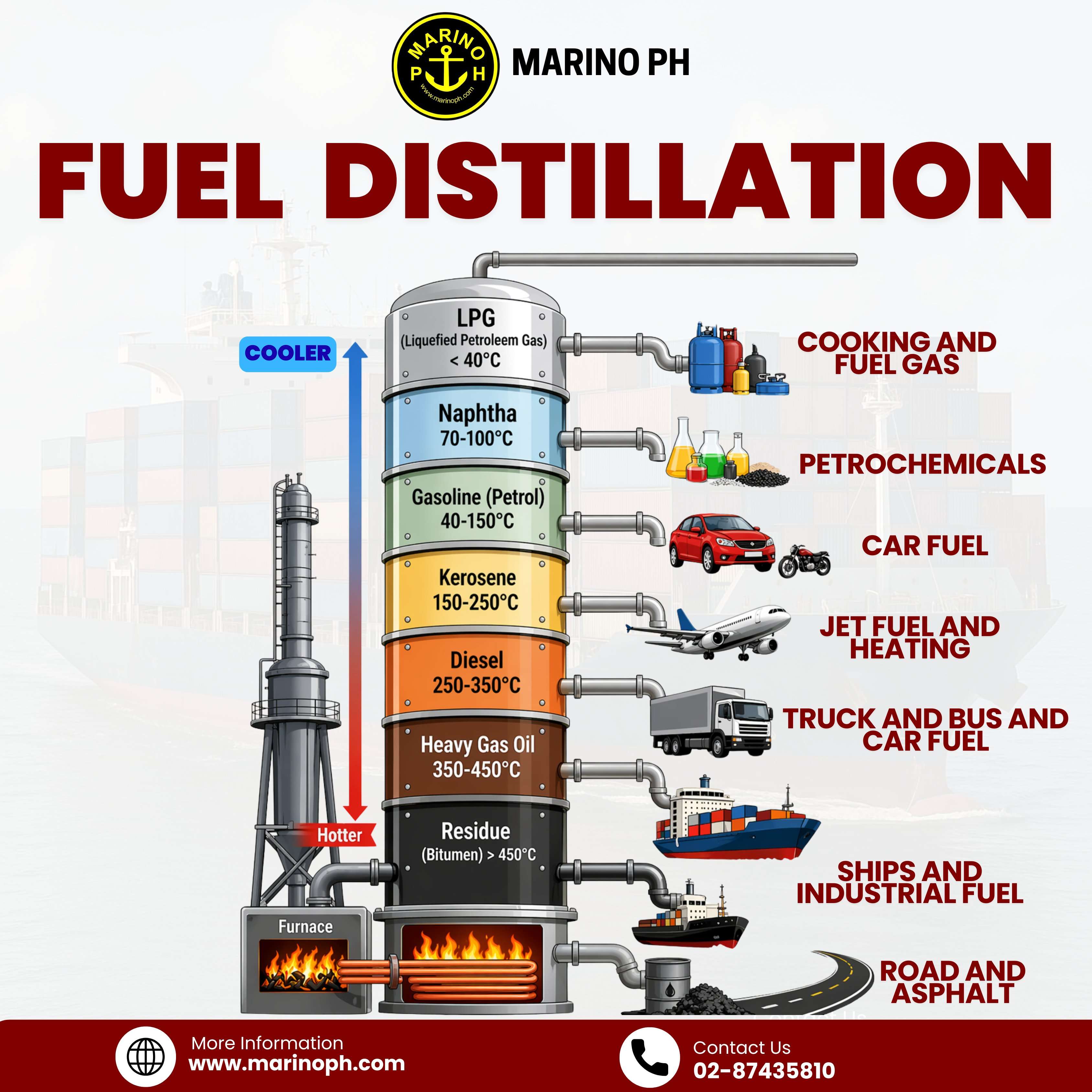
Fuel Distillation: How Crude Oil Becomes Everyday Energy Fuel distillation is the core process that transforms crude oil into the wide range of fuels and products we use every day from cooking gas and gasoline to diesel and asphalt. At the heart of this process is , a method that separates hydrocarbons based on their boiling points. How the Process Works Crude oil is first heated in a furnace to extremely high temperatures. This heated mixture then enters a tall distillation column, where temperatures are hottest at the bottom and gradually cool toward the top. As the vapor rises, different components condense at different levels depending on their boiling ranges. Lighter fractions rise higher before condensing, while heavier fractions settle lower in the column. This allows refineries to efficiently separate crude oil into usable products. Key Products and Their Uses LPG (Liquefied Petroleum Gas) – below 40°C Collected at the top of the column, LPG is used for cooking, heating, and as fuel gas.
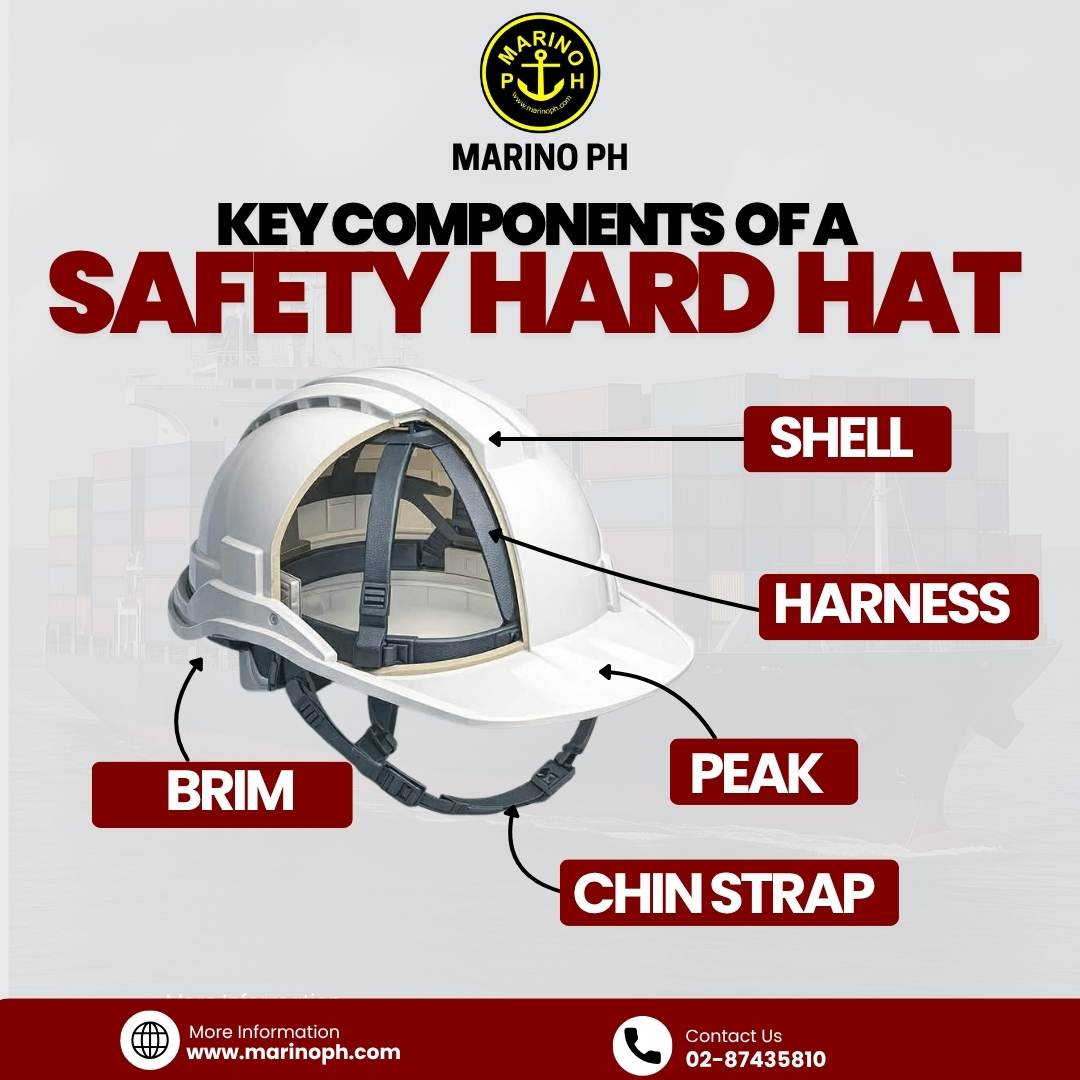
Key Components of Safety Hard Hat
A safety hard hat is a critical piece of personal protective equipment (PPE) designed to provide effective head protection against impact, falling objects, and other workplace hazards. It is widely used in construction, industrial, and maritime environments to enhance worker safety and reduce the risk of head injuries.
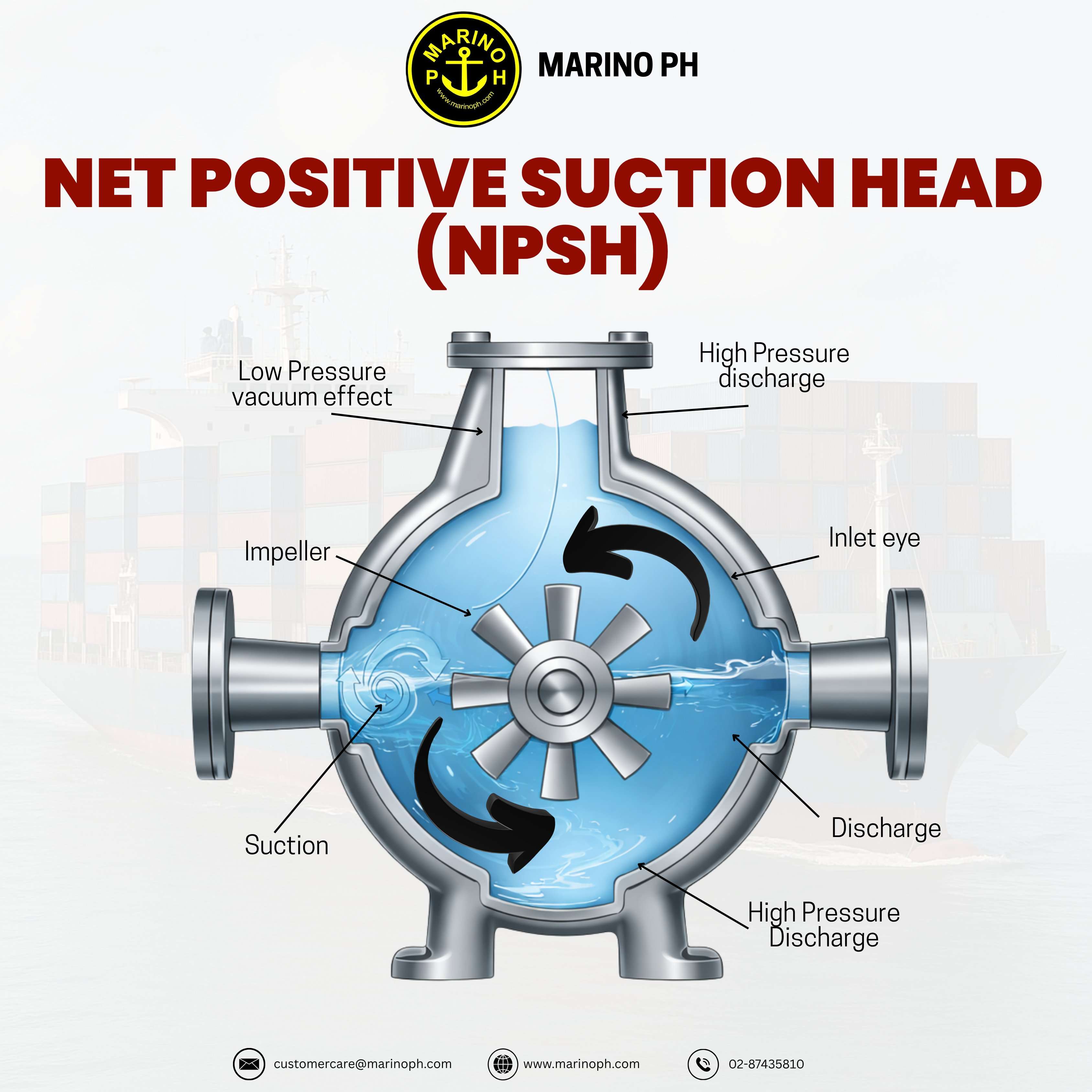
Net Positive Suction Head (NPSH)
Net Positive Suction Head (NPSH): Why It Matters in Pump Performance Net Positive Suction Head (NPSH) is one of the most important factors in the safe and efficient operation of centrifugal pumps. It refers to the pressure available at the pump suction side, specifically at the impeller eye, to keep the liquid from vaporizing as it enters the pump. When liquid flows into a pump, pressure naturally drops due to the velocity increase and suction effect created by the rotating impeller. If this pressure falls below the liquid’s vapor pressure, vapor bubbles begin to form. These bubbles collapse violently once they move into higher-pressure areas inside the pump, causing a damaging condition known as cavitation.
The Global Maritime Distress and Safety System (GMDSS) includes various equipment that support communication, safety, and emergency response for vessels at sea.

What is a Lifeboat? A lifeboat is a small, fully equipped rescue vessel carried on ships for emergency evacuation. It is designed to keep crew and passengers safe during accidents such as sinking, fire, or collision. Lifeboats are built to be strong, buoyant, and capable of operating independently at sea until rescue arrives.

Pilot Ladder Parts A pilot ladder is composed of rubber steps (usually the bottom four), wooden steps, spreaders (also called preventer steps), step fixing pieces, and ropes.
.png)
Exhaust Gas Economizer An Exhaust Gas Economizer (EGE) is a vital energy-saving system used in marine vessels to improve efficiency and reduce fuel consumption. It works by recovering waste heat from the engine’s exhaust gases and using it to generate steam or heat water, which can then be reused for various onboard operations. Instead of allowing hot exhaust gases to escape unused through the funnel, the economizer captures this energy, making it an essential component in modern ship systems focused on sustainability and cost-effectiveness. In a typical setup, exhaust gases from the main engine pass through the economizer unit before being released into the atmosphere. Inside the economizer, these hot gases flow across a series of tubes or coils filled with water. As heat is transferred, the water temperature rises, eventually producing steam that is collected in the steam drum. This steam can be utilized for heating fuel, powering auxiliary systems, or supporting other shipboard processes. The continuous circulation of water is maintained by a boiler water circulating pump, ensuring efficient heat exchange and steady operation.
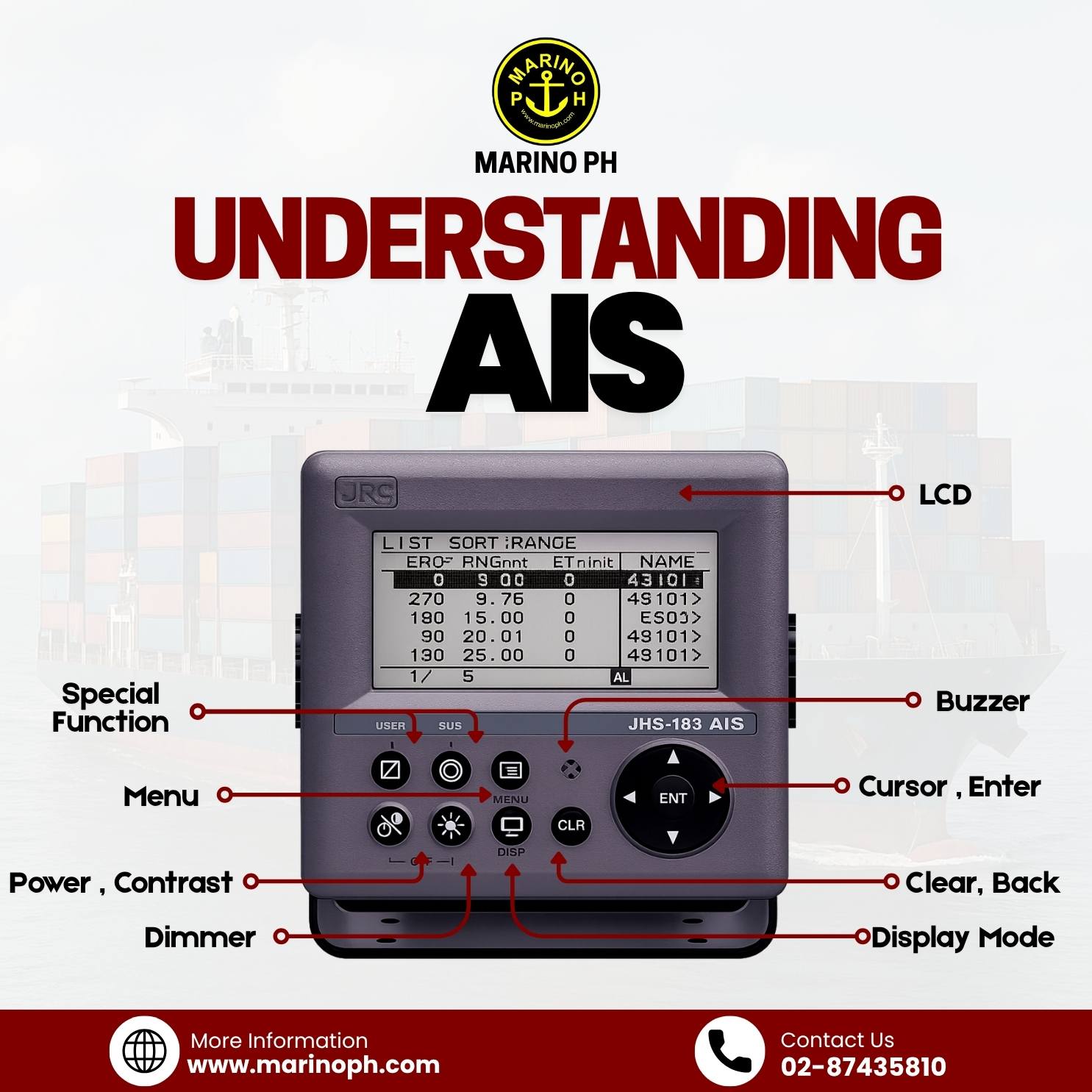
Automatic Identification System (AIS)
Automatic Identification System (AIS) is a navigation and safety tool used on ships to share real-time information such as vessel position, speed, course, and identity. It helps ships avoid collisions and allows authorities to monitor traffic at sea.

Understanding Ship Squat in Shallow Waters
Squat Effect The squat effect is a hydrodynamic phenomenon that occurs when a ship moves through shallow or restricted waters, causing the vessel to sink deeper into the water than its normal draft. When a ship is underway, water flows around and beneath the hull. In shallow water, the space between the seabed and the ship’s bottom becomes limited. Because of this restricted space, the water flowing under the hull speeds up. According to fluid principles, when water velocity increases, pressure decreases.
.jpg)
Characteristic of Cardinal Marks
Cardinal marks are navigational buoys used to indicate the safe side of a hazard such as rocks, shoals, or wrecks. They guide vessels by showing where the safest water lies in relation to the mark using the four main compass directions: North, East, South, and West. A North Cardinal Mark indicates that safe water is found to the north of the buoy. Its top mark consists of two black cones both pointing upward. The buoy color is black on the upper part and yellow on the lower part. At night, it shows a continuous quick flashing or very quick flashing white light. An East Cardinal Mark shows that the safest water is to the east of the mark. Its top mark has two black cones pointing away from each other (one pointing up and the other pointing down). The buoy has a black–yellow–black color pattern, and the light characteristic is three quick flashes of white light repeated regularly.
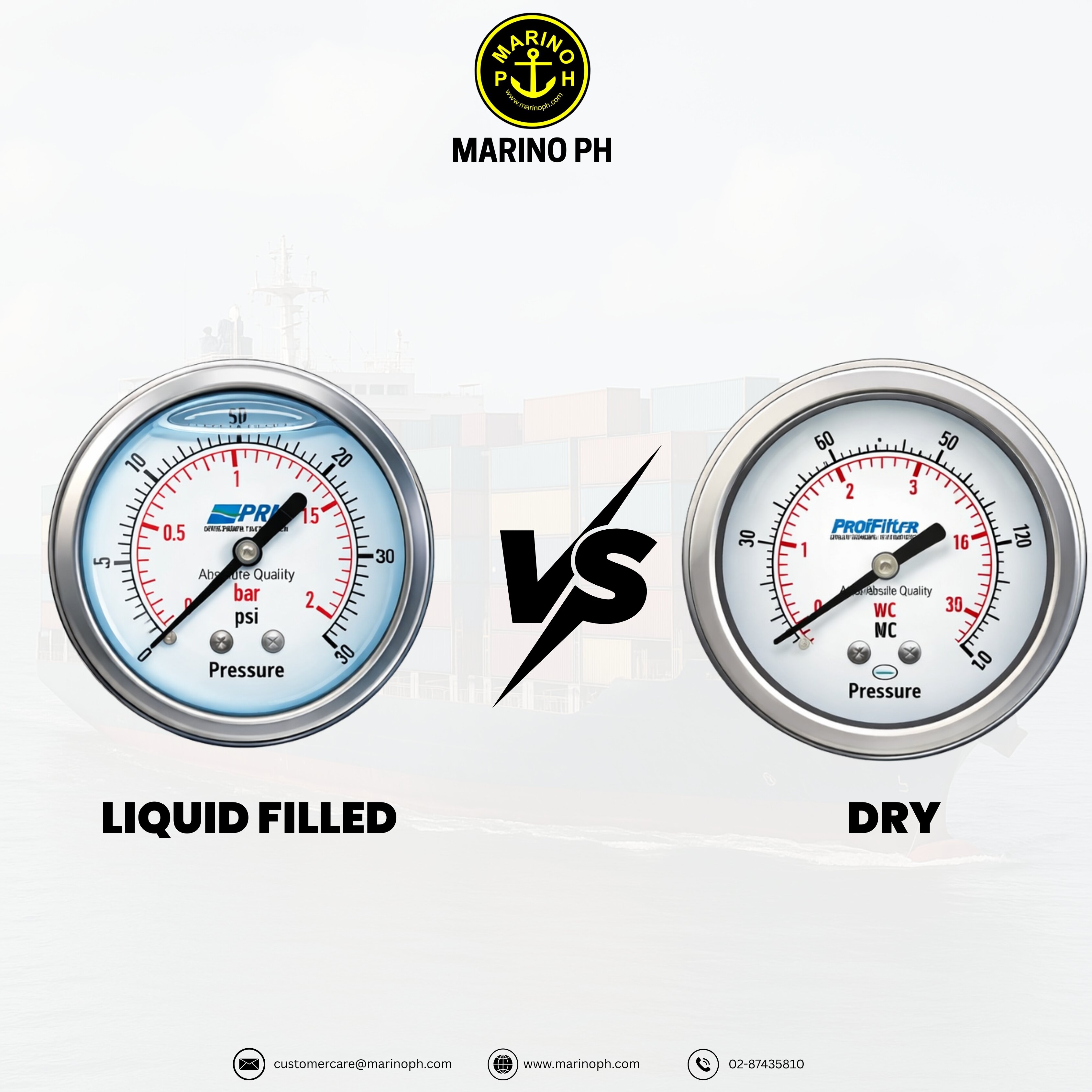
Liquid-Filled vs Dry Pressure Gauges
Difference Between a Liquid-Filled and a Dry Pressure Gauge Pressure gauges are essential instruments used to measure the pressure of gases or liquids in various industrial systems. In sectors such as manufacturing, engineering, and maritime operations, accurate pressure readings are crucial for maintaining safety and operational efficiency. Two of the most commonly used types are liquid-filled pressure gauges and dry pressure gauges, each designed for different operating conditions. Liquid-Filled Pressure Gauges A liquid-filled pressure gauge contains a damping fluid commonly glycerin or silicone oil inside its casing. This liquid helps reduce the effects of vibration, pulsation, and mechanical shock on the gauge mechanism. Because of this internal fluid, the needle movement becomes more stable, allowing for clearer and more accurate readings even in demanding environments. These gauges are particularly useful in high-vibration or harsh conditions, such as heavy machinery, marine engines, hydraulic systems, and industrial processing plants. The liquid also helps protect the internal components from moisture, corrosion, and wear, ultimately extending the lifespan of the instrument. For applications where durability and stability are essential, liquid-filled gauges are often the preferred choice.
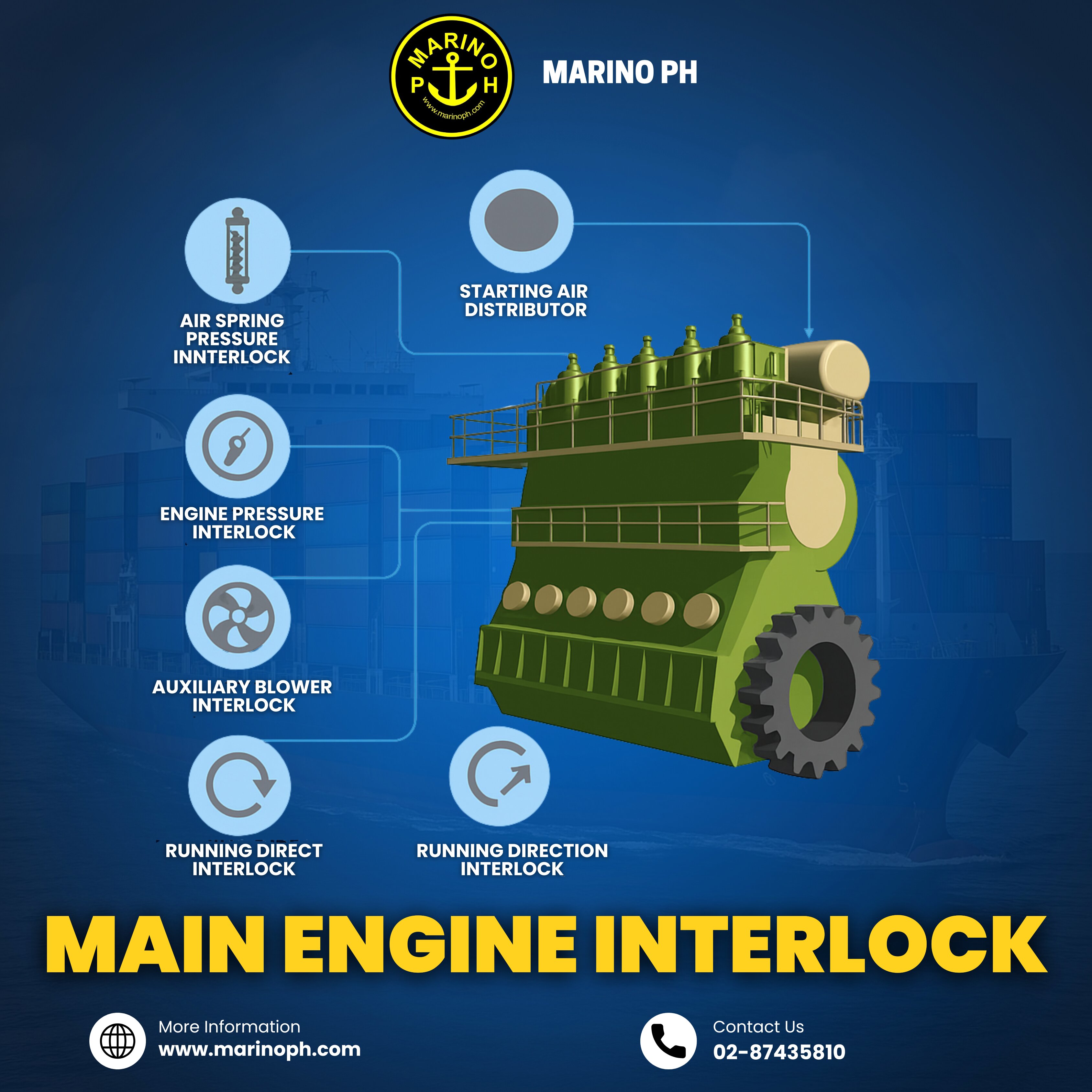
Main Engine Interlock System in Marine Engines The main engine interlock system is a critical safety feature installed in modern marine propulsion systems. Its primary purpose is to prevent the main engine from starting or operating under unsafe conditions. By integrating several protective mechanisms, the interlock system ensures that the engine starts only when all required parameters and supporting systems are functioning properly. This helps protect both the machinery and the crew while maintaining safe ship operations. One of the key components of the interlock system is the starting air distributor, which controls the timing and sequence of compressed air supplied to the engine cylinders during the starting process. The distributor ensures that starting air is delivered to the correct cylinder at the correct moment, allowing the engine to rotate safely and begin the combustion cycle. Without proper synchronization, the engine may fail to start or suffer mechanical damage. Another important feature is the air spring pressure interlock. This mechanism ensures that sufficient air pressure is available in the starting air system before the engine can be started. If the air pressure drops below the required level, the interlock prevents engine start-up. This protects the engine from incomplete or failed starting attempts that could cause excessive wear on components. The engine pressure interlock also plays a crucial role in maintaining engine safety. It monitors internal engine parameters such as lubricating oil pressure. If the oil pressure is insufficient, the interlock system prevents the engine from running to avoid severe damage to moving parts such as bearings, crankshafts, and pistons. Maintaining proper lubrication is essential for the longevity and reliability of the engine.

FIRE SPRINKLER A fire sprinkler is an automatic fire protection device designed to detect heat and discharge water to control or extinguish fires at their early stage. It operates individually—meaning only the sprinkler directly exposed to high temperature activates, not the entire system. Widely used in buildings, ships, offshore facilities, and industrial spaces, fire sprinklers are a critical component of passive and active fire safety systems, helping protect lives, property, and operations.
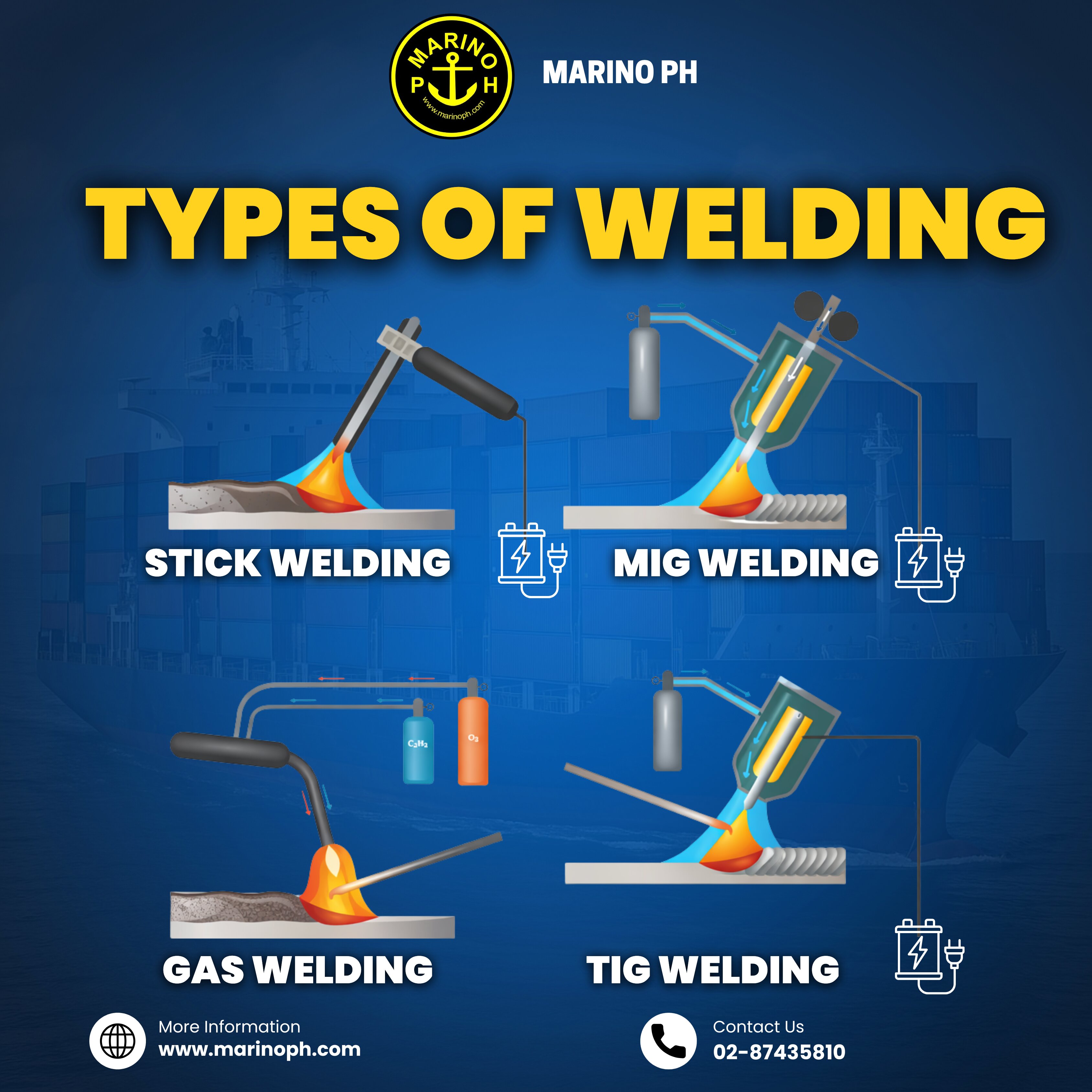
What are the different types of Welding? Welding is a fundamental process in shipbuilding, offshore operations, construction, and heavy industries. It involves joining metals by applying heat, and in some cases pressure, to create a strong and permanent bond. In maritime environments, where structures are constantly exposed to saltwater, pressure, and heavy loads, high-quality welding is essential to ensure structural integrity, operational safety, and long-term durability. Understanding the different types of welding helps professionals select the most suitable method for specific applications. Stick welding also known as Shielded Metal Arc Welding (SMAW), is one of the most commonly used and versatile welding methods. It utilizes a consumable electrode coated with flux, which creates a protective gas shield when melted to prevent contamination of the weld pool. This method is especially effective for outdoor work and in windy conditions, making it highly suitable for ship repairs, structural steel projects, and heavy equipment maintenance. Its portability and ability to perform well on rusty or dirty surfaces make it a preferred choice for fieldwork and marine repair operations. MIG welding Gas Metal Arc Welding (GMAW), uses a continuously fed wire electrode combined with a shielding gas to protect the weld from atmospheric contamination. Known for its speed and efficiency, MIG welding produces clean welds with minimal slag and is relatively easy to learn. It is widely used in fabrication shops, ship component assembly, and industrial production environments where consistency and productivity are important. This method is ideal for controlled indoor settings where high output and smooth finishes are required.
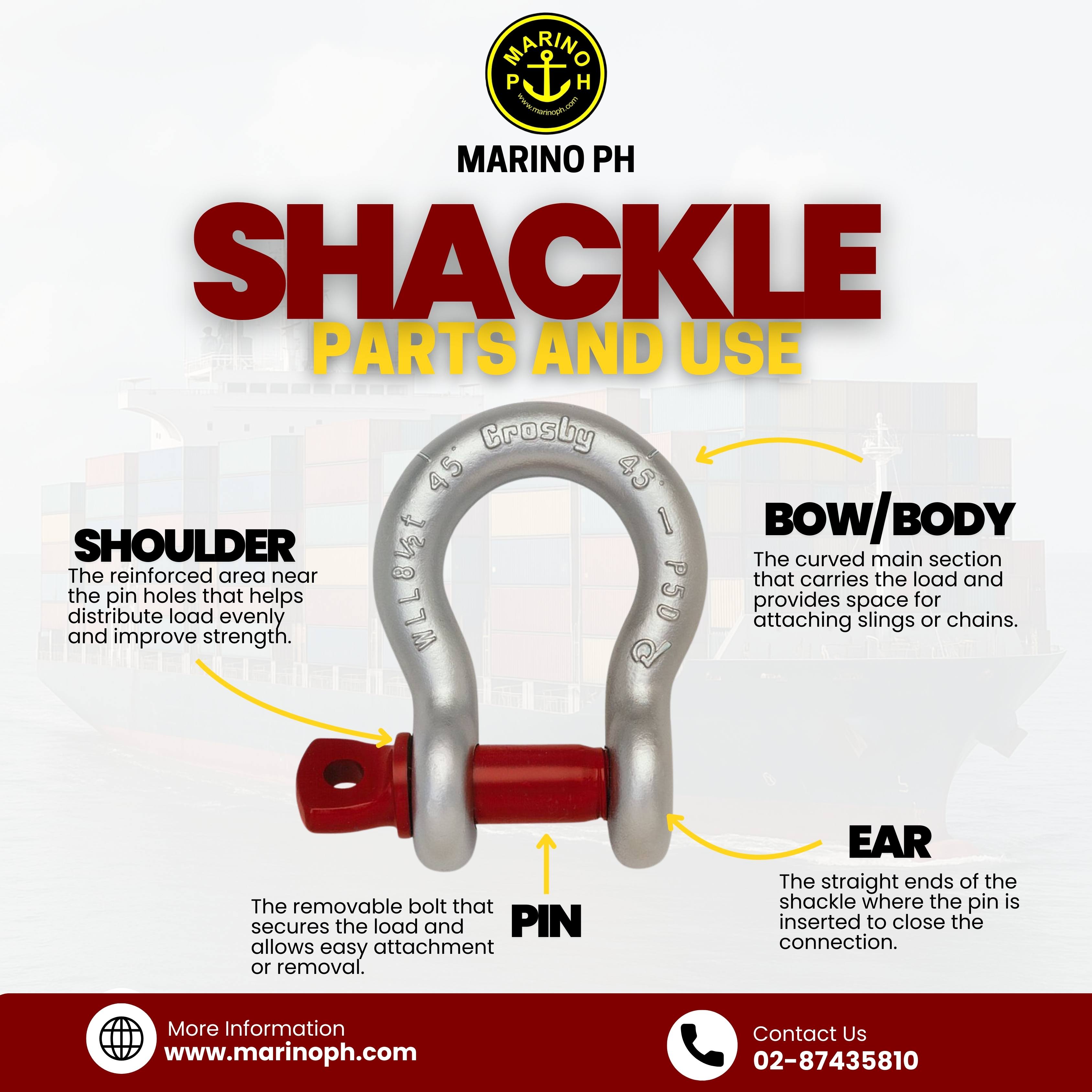
Shackle: Parts and Use A shackle is a strong metal connector widely used in maritime, construction, and lifting operations. It is designed to securely join chains, ropes, slings, and other rigging equipment. Built for durability and heavy loads, shackles are essential for safe and reliable lifting connections. Below is a clear breakdown of its main parts and functions:
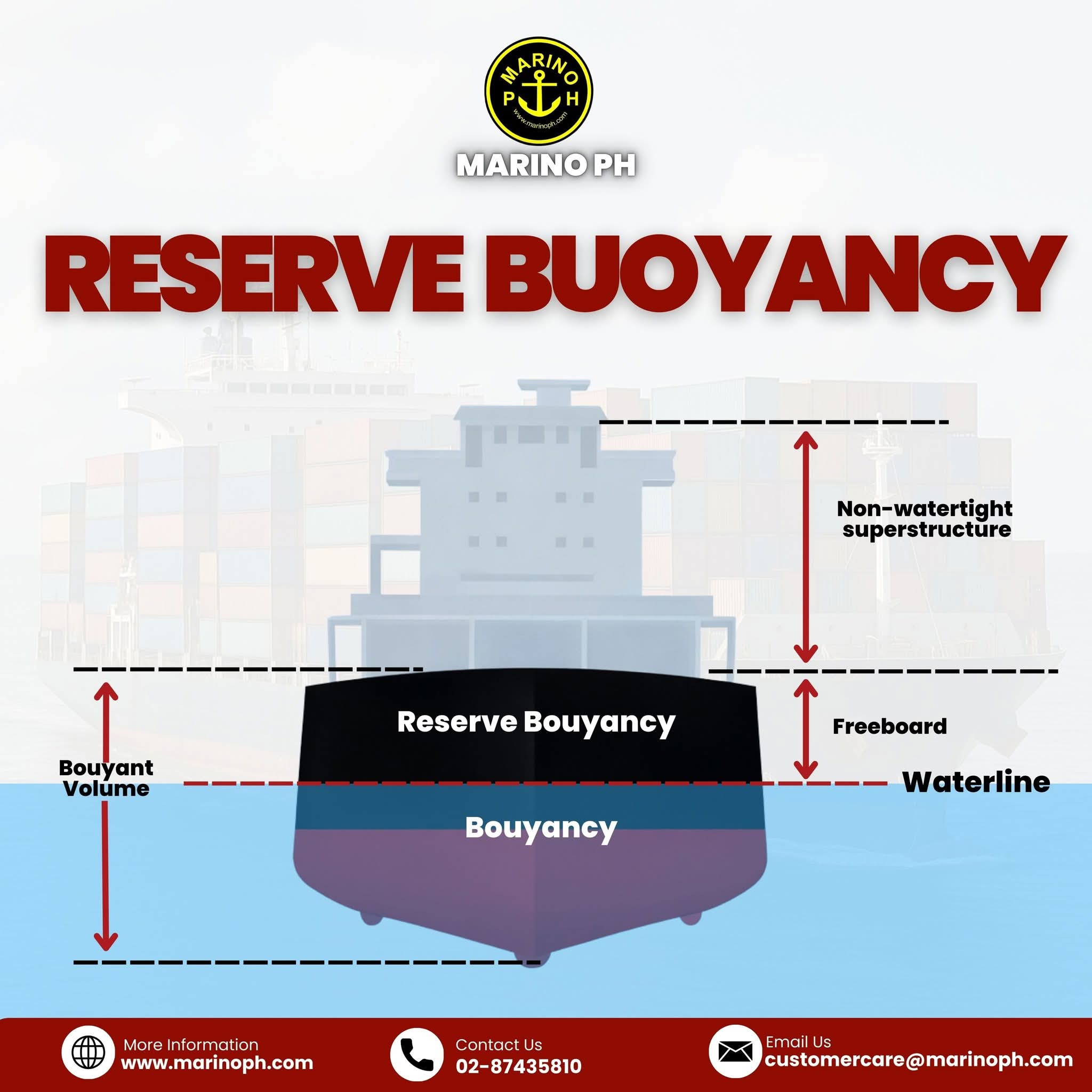
RESERVE BUOYANCY Reserve Buoyancy refers to the additional buoyant force available in a vessel beyond what is required to keep it afloat at its current load. It is the watertight volume of a ship above the waterline that helps the vessel remain stable and safe, especially during rough seas, flooding, or added weight. Buoyancy â—The upward force exerted by water that keeps a ship floating. â—It is created by the displacement of water equal to the ship’s weight. Reserve Buoyancy â—The enclosed, watertight volume above the waterline. â—Provides extra floating ability if the ship takes on additional load or encounters heavy weather. â—Critical for safety and survivability. Waterline â—The line where the hull meets the surface of the water. â—Indicates how deep the ship is sitting in the water.
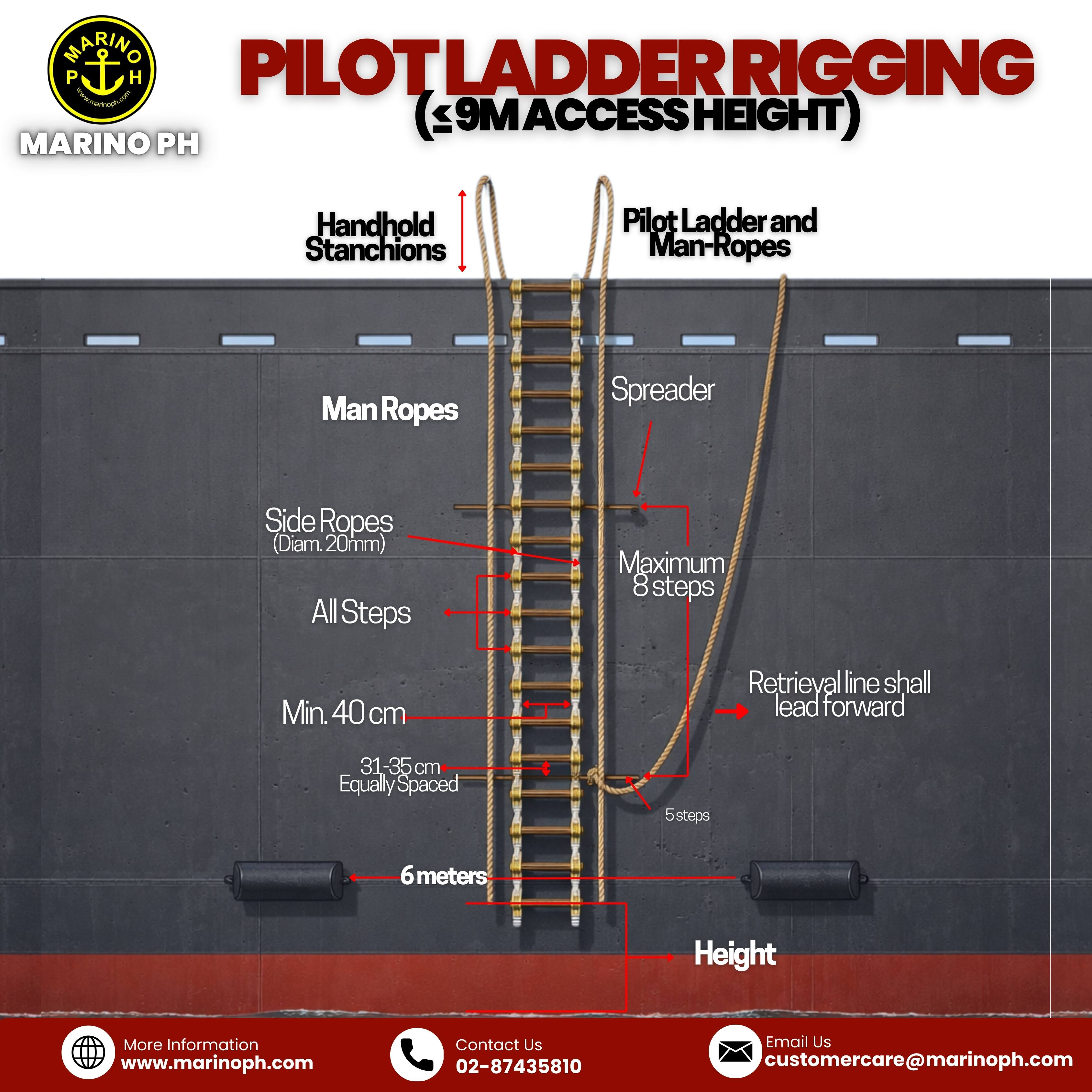
PILOT LADDER RIGGING (For Access Height ≤ 9 meters)
A pilot ladder is a critical piece of equipment used for the safe embarkation and disembarkation of marine pilots. Proper rigging ensures compliance with SOLAS regulations and promotes safe transfer operations between the vessel and the pilot boat. Below are the components and their corresponding descriptions: 1. Handhold Stanchions Vertical supports installed at the ship’s deck edge to provide a secure handhold for pilots when stepping from the ladder onto the deck. They must be rigid, properly secured, and positioned to allow safe and unobstructed access. 2. Pilot Ladder The rope ladder used by marine pilots to board or disembark a vessel. It consists of wooden steps secured between two side ropes. The ladder must be in good condition, free from damage, and rigged in accordance with safety regulations. 3. Man Ropes Two ropes positioned on each side of the pilot ladder to provide additional support while climbing. Man ropes must be properly secured to strong points on deck and should not interfere with the ladder’s proper positioning.
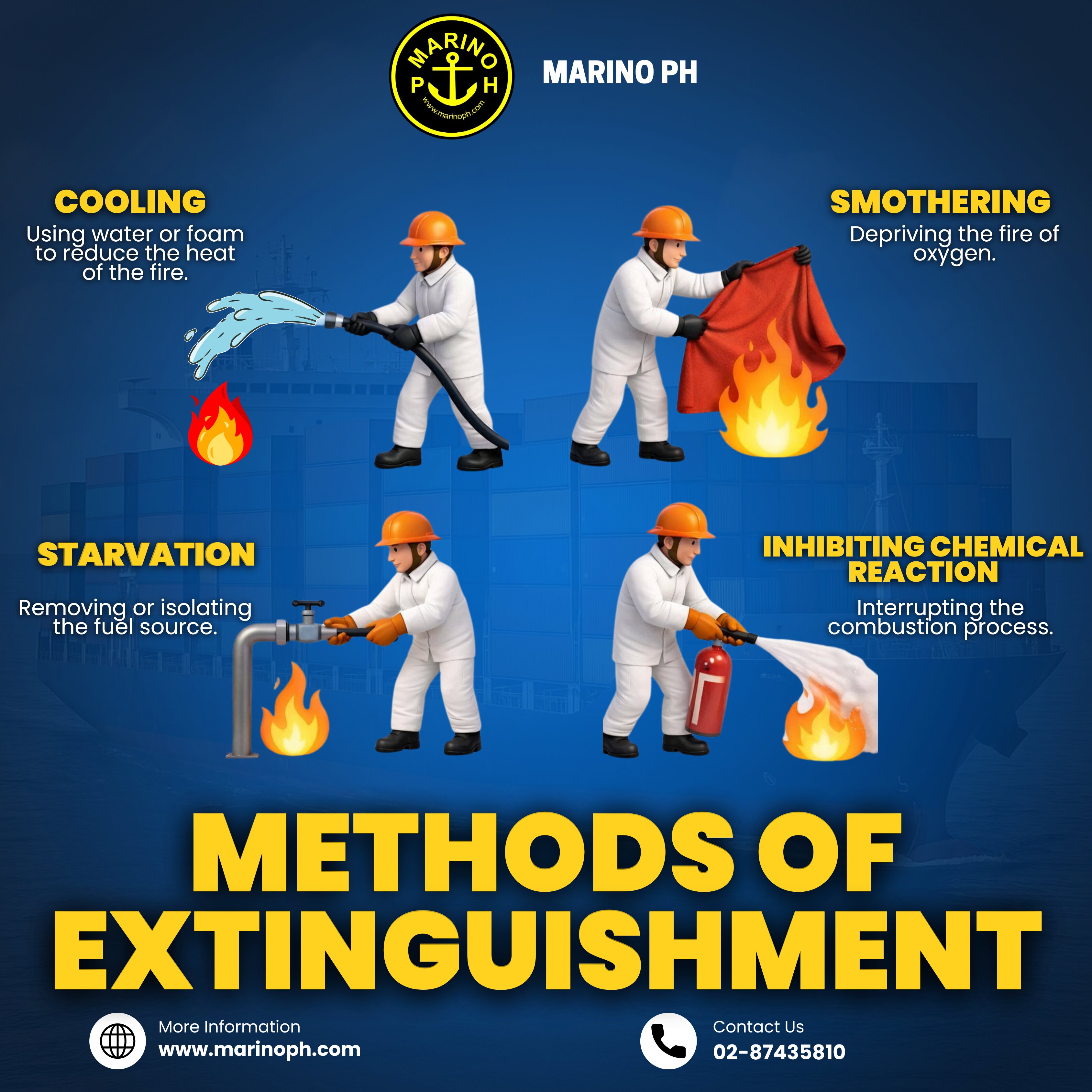
Methods of Fire Extinguishment
Methods of Fire Extinguishment Fire remains one of the most serious hazards on board ships and offshore installations. Effective firefighting depends on understanding the fire tetrahedron heat, fuel, oxygen, and the chemical chain reaction. By removing or interrupting any of these elements, a fire can be controlled and extinguished. Below are the four primary methods of fire extinguishment used in maritime operations. 1. Cooling Cooling reduces the temperature of the burning material below its ignition point. Water is the most commonly used cooling agent because of its high heat-absorbing capacity. When applied properly, water removes heat from the fire and surrounding surfaces, preventing re-ignition. Foam may also provide a cooling effect while offering additional smothering benefits. Cooling is particularly effective for Class A fires involving solid combustibles such as wood, paper, and textiles. 2. Smothering Smothering works by cutting off the oxygen supply required to sustain combustion. This can be achieved using foam, COâ‚‚, fire blankets, or fixed fire suppression systems. By creating a barrier between the fire and the surrounding air, smothering suppresses flame spread and prevents further combustion. This method is commonly used for liquid fires and enclosed space incidents on board vessels.
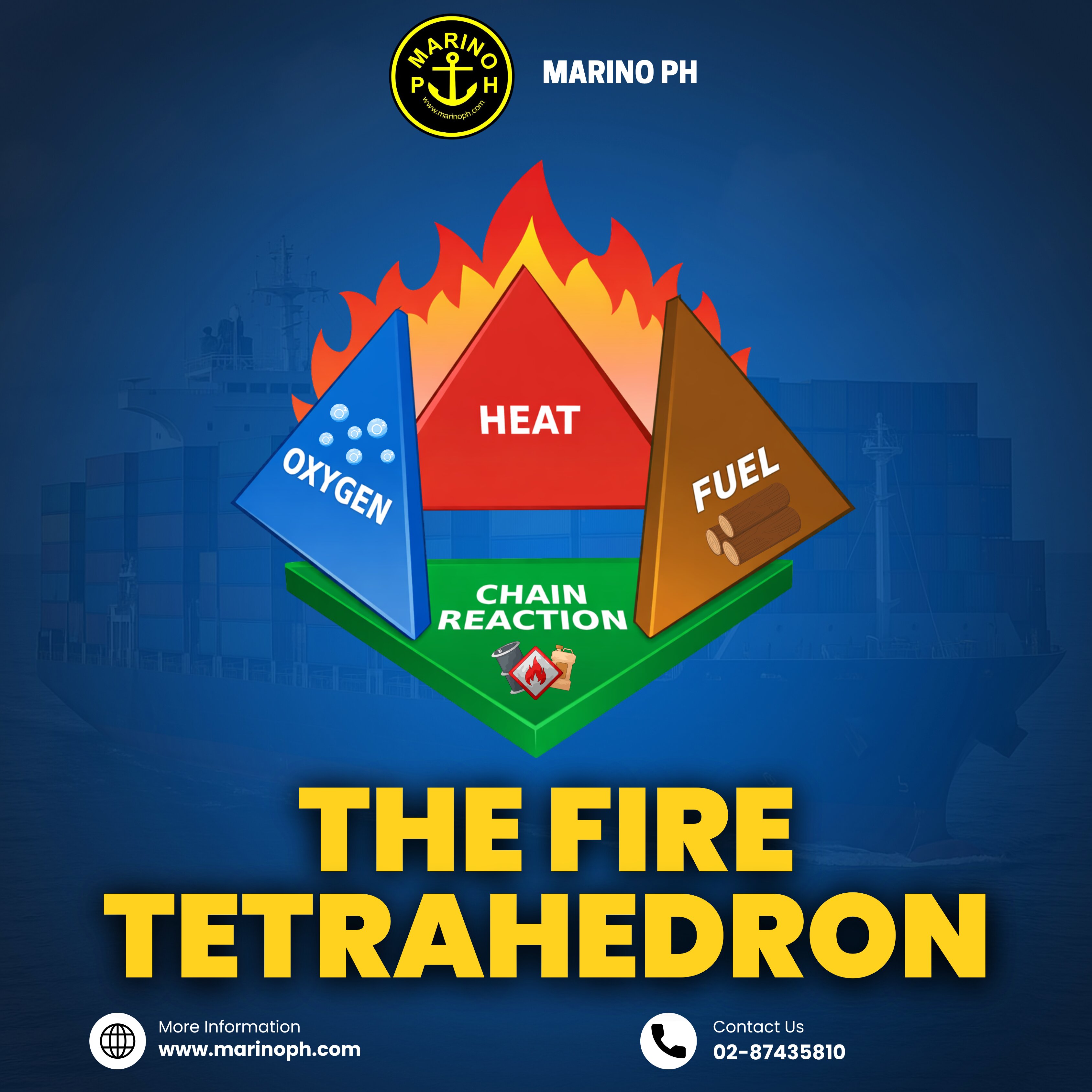
The Fire Tetrahedron: Understanding the Science Behind Fire Fire is one of the most significant hazards onboard ships and in industrial workplaces. To effectively prevent and control it, we must first understand how it starts. The Fire Tetrahedron explains the four essential elements required for a fire to ignite and continue burning: heat, fuel, oxygen, and a chemical chain reaction. Unlike the traditional “fire triangle,†which includes only heat, fuel, and oxygen, the fire tetrahedron adds a fourth component the chain reaction. This chemical process sustains combustion at the molecular level. Removing any one of these four elements will prevent a fire from starting or will extinguish an existing one. The Four Elements of the Fire Tetrahedron 1. Heat Heat provides the energy needed to raise materials to their ignition temperature. Onboard vessels, heat sources may include electrical faults, hot work operations, engine components, friction, or open flames. 2. Fuel Fuel is any combustible material such as oil, fuel residues, lubricants, cargo, wood, paper, plastics, or flammable gases. Ships contain numerous fuel sources, making proper storage and housekeeping critical. 3. Oxygen Oxygen supports combustion. In most environments, the air contains about 21% oxygen more than enough to sustain a fire. Enclosed spaces can become especially dangerous if oxygen levels are uncontrolled. 4. Chain Reaction This is the self-sustaining chemical reaction that keeps the fire burning. Certain fire extinguishing agents, such as dry chemical powder, work by interrupting this reaction, effectively stopping the fire even if heat and fuel are still present.
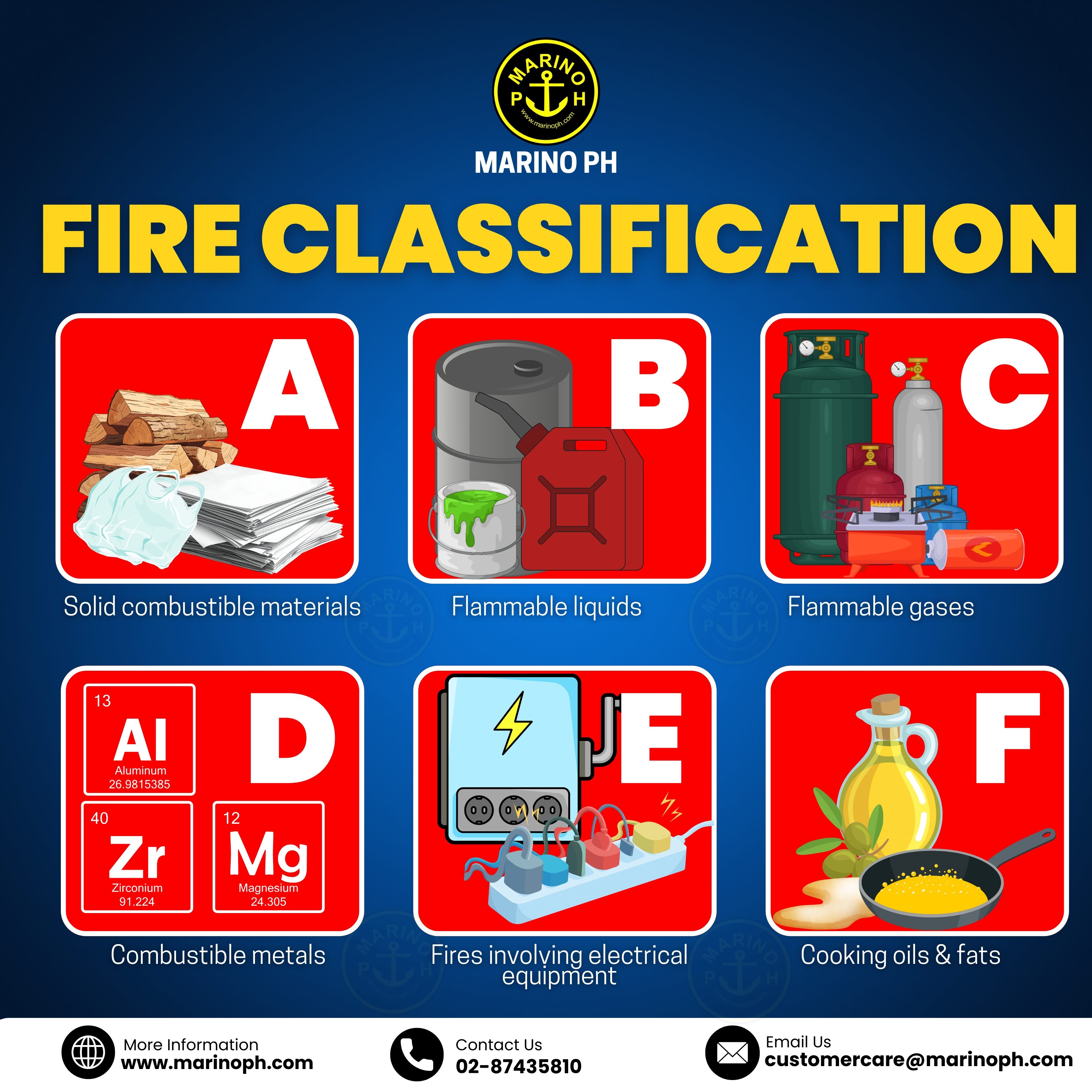
A – Ordinary Combustibles Fires involving solid materials such as wood, paper, cloth, and plastics. B – Flammable Liquids Fires caused by liquids like gasoline, oil, paint, and solvents. C – Flammable Gases Fires involving gases such as LPG, propane, and butane.
.jpg)
Safety First: Essential Welding PPE for Maritime Professionals
Safety First: Essential Welding PPE for Maritime Professionals In the maritime industry, safety is not optional it is a responsibility. Welding operations on board vessels and in shipyards expose workers to intense heat, sparks, radiation, and heavy materials. That is why wearing complete and proper Personal Protective Equipment (PPE) is critical Complete Welding Protection from Head to Toe Welding Helmet A high-quality welding helmet protects the eyes and face from harmful UV and infrared radiation, flying sparks, and intense light. Auto-darkening features enhance visibility while ensuring maximum eye protection during arc welding. Protective Coverall Flame-resistant coveralls provide full-body protection against heat, sparks, and minor splashes of molten metal. Designed for durability and comfort, they allow welders to move freely while staying protected.
.jpg)
Fuel Injector Patterns: Why They Matter in Marine Engines Fuel injectors play a critical role in the performance, efficiency, and reliability of marine diesel engines. The spray pattern of an injector directly affects fuel combustion, engine power output, fuel consumption, and exhaust emissions. Understanding injector patterns helps vessel operators and engineers detect early signs of engine issues and prevent costly breakdowns. Common Fuel Injector Spray Conditions Blocked Injector A blocked injector restricts fuel flow, resulting in little to no spray. This condition can cause engine misfiring, power loss, rough operation, and potential engine shutdown. Blockages are often caused by fuel contamination or carbon buildup. Poor Spray Pattern A poor or uneven spray indicates partial clogging or wear. Fuel does not atomize properly, leading to incomplete combustion, higher fuel consumption, excessive smoke, and increased engine stress.
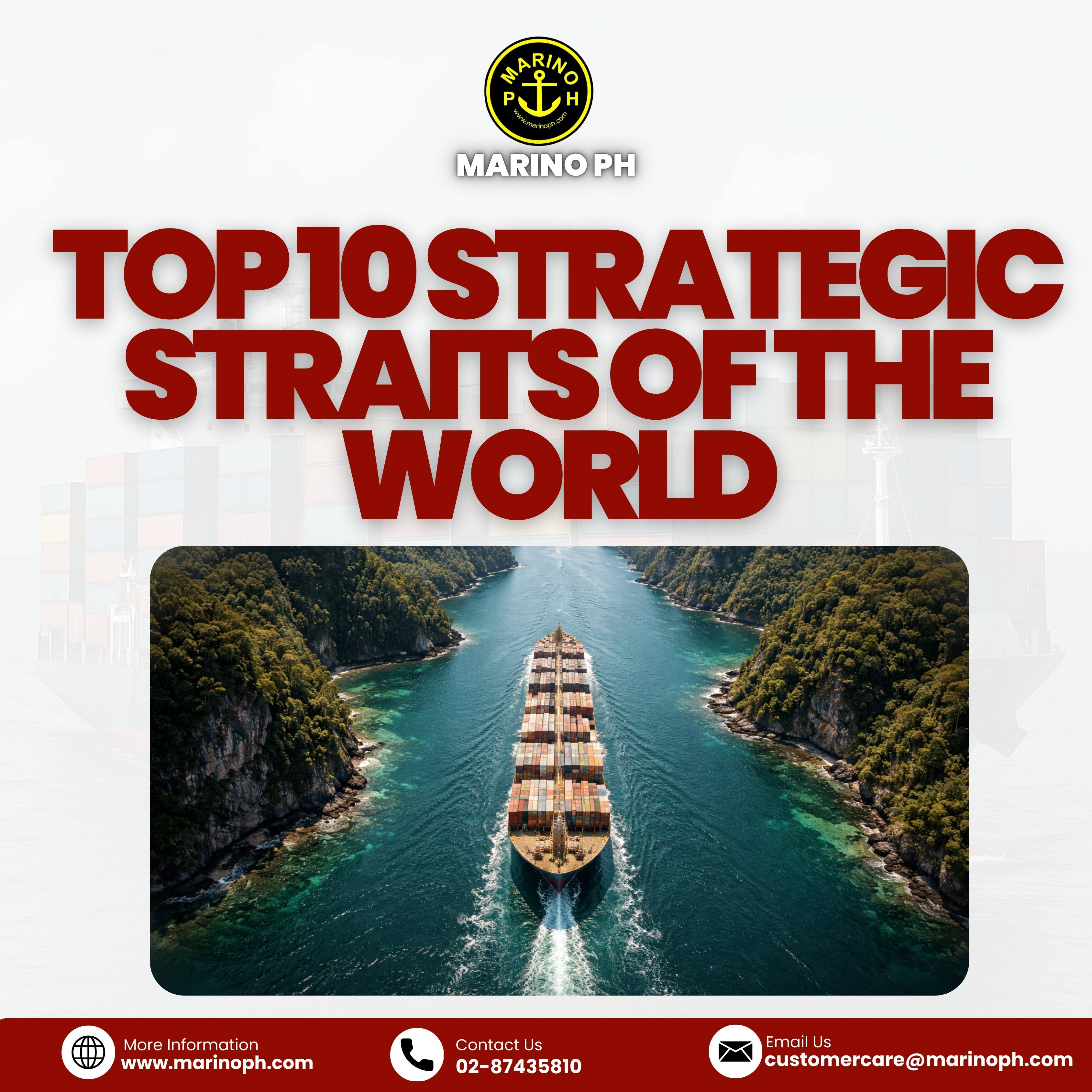
Top 10 Strategic Straits of the World
Strait of Malacca A vital international shipping lane connecting the Indian and Pacific Oceans. It carries a large percentage of global trade and oil, with dense traffic, narrow channels, shallow areas, and heightened collision and piracy risks. Strait of Hormuz The world’s most important oil chokepoint, linking the Persian Gulf to the Arabian Sea. A significant portion of global petroleum passes through this narrow strait, making it strategically sensitive and closely monitored. Bab el-Mandeb This strait connects the Red Sea to the Gulf of Aden and the Indian Ocean. It is essential for vessels transiting the Suez Canal, with heavy traffic, security concerns, and regional geopolitical importance. Strait of Gibraltar A narrow passage connecting the Atlantic Ocean and the Mediterranean Sea. It experiences strong currents, frequent weather changes, and heavy vessel traffic, requiring careful navigation and traffic separation compliance. Bosporus Strait A narrow, winding strait in Turkey connecting the Black Sea to the Sea of Marmara. It passes through an urban area with intense local and international traffic, making pilotage and strict navigation rules essential. Dardanelles Strait Part of the Turkish Straits System, linking the Aegean Sea to the Sea of Marmara. It is strategically important for Black Sea trade and requires compliance with traffic regulations and pilotage requirements Taiwan Strait A major commercial shipping route between Taiwan and mainland China. It connects the East and South China Seas and is notable for heavy traffic, fishing activity, and heightened geopolitical sensitivity. Korean Strait This strait lies between Korea and Japan, connecting the East China Sea and the Sea of Japan. It supports significant regional trade and experiences frequent commercial vessel movements and fishing traffic. Bering Strait A narrow strait separating Asia and North America, connecting the Pacific and Arctic Oceans. Navigation is affected by ice, extreme weather, and limited visibility, making it challenging for maritime operations. Strait of Magellan A historic natural passage in southern South America connecting the Atlantic and Pacific Oceans. Although less used today, it is known for strong winds, narrow channels, and complex navigation conditions.
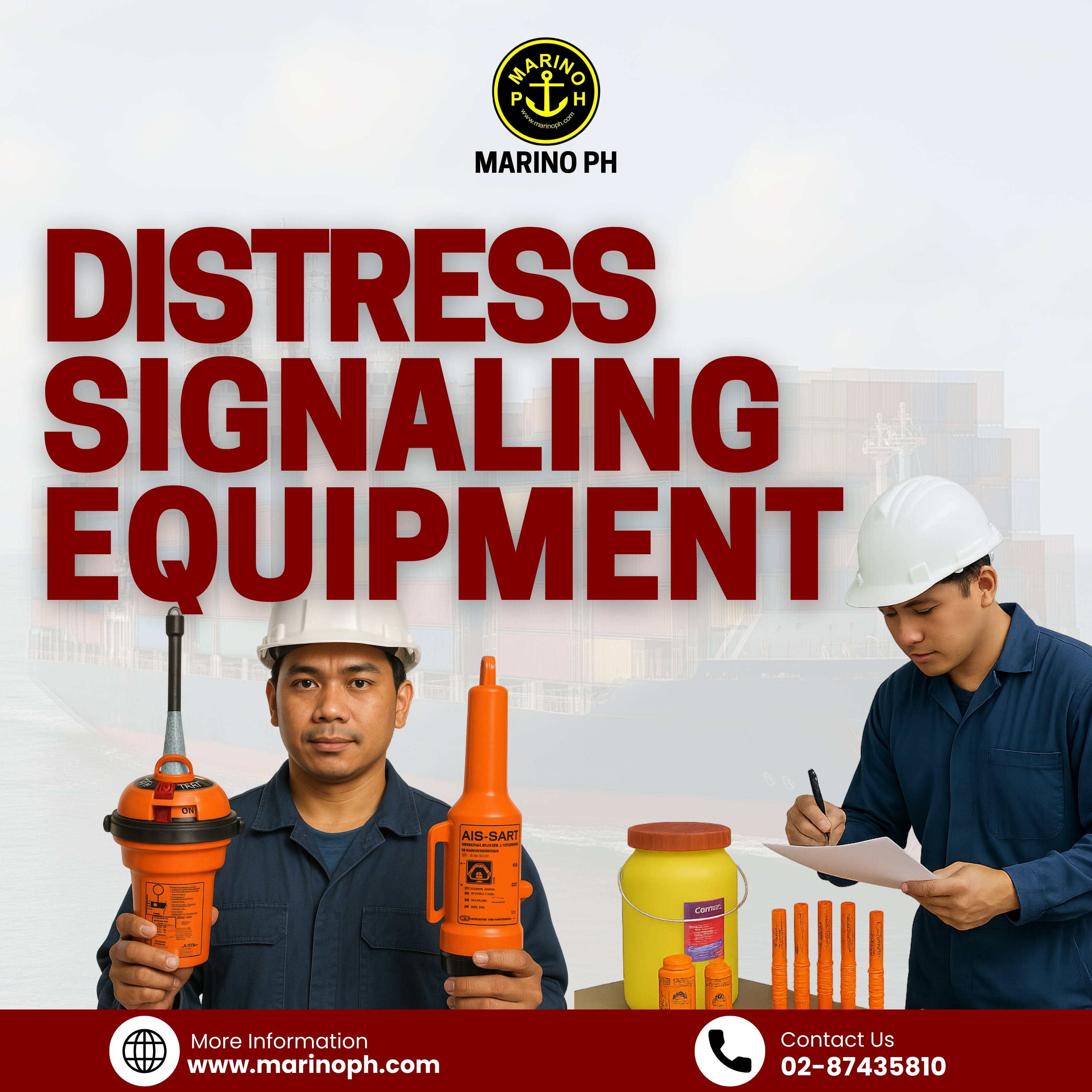
Distress signaling equipment plays a critical role in maritime safety by ensuring vessels and survival craft can quickly attract attention and be accurately located during emergencies at sea. These devices are designed to transmit alerts, provide location data, and create visible or audible signals that assist rescue teams in initiating timely and effective response operations. Distress signals are generally categorized into sound and light signals, visual distress signals, and electronic distress signals. Sound and light signals, such as whistles, bells, horns, and signal lamps using Morse Code SOS, are essential for attracting attention, especially in low visibility or nighttime conditions. Visual distress signals include rocket parachute flares, handheld flares, and smoke signals. Rocket parachute flares rise high and emit a bright red light visible over long distances, while handheld flares are used at close range to pinpoint location. Smoke signals, producing dense orange smoke, are particularly effective for daytime visibility from both sea and air. Electronic distress signals provide advanced location tracking and communication. EPIRBs transmit distress alerts and position information via satellite and can activate automatically or manually. SARTs and AIS-SARTs are used on survival craft to enhance detection by rescue vessels’ radar and AIS systems. Together, these devices significantly improve the chances of rapid detection, accurate location, and successful rescue at sea.
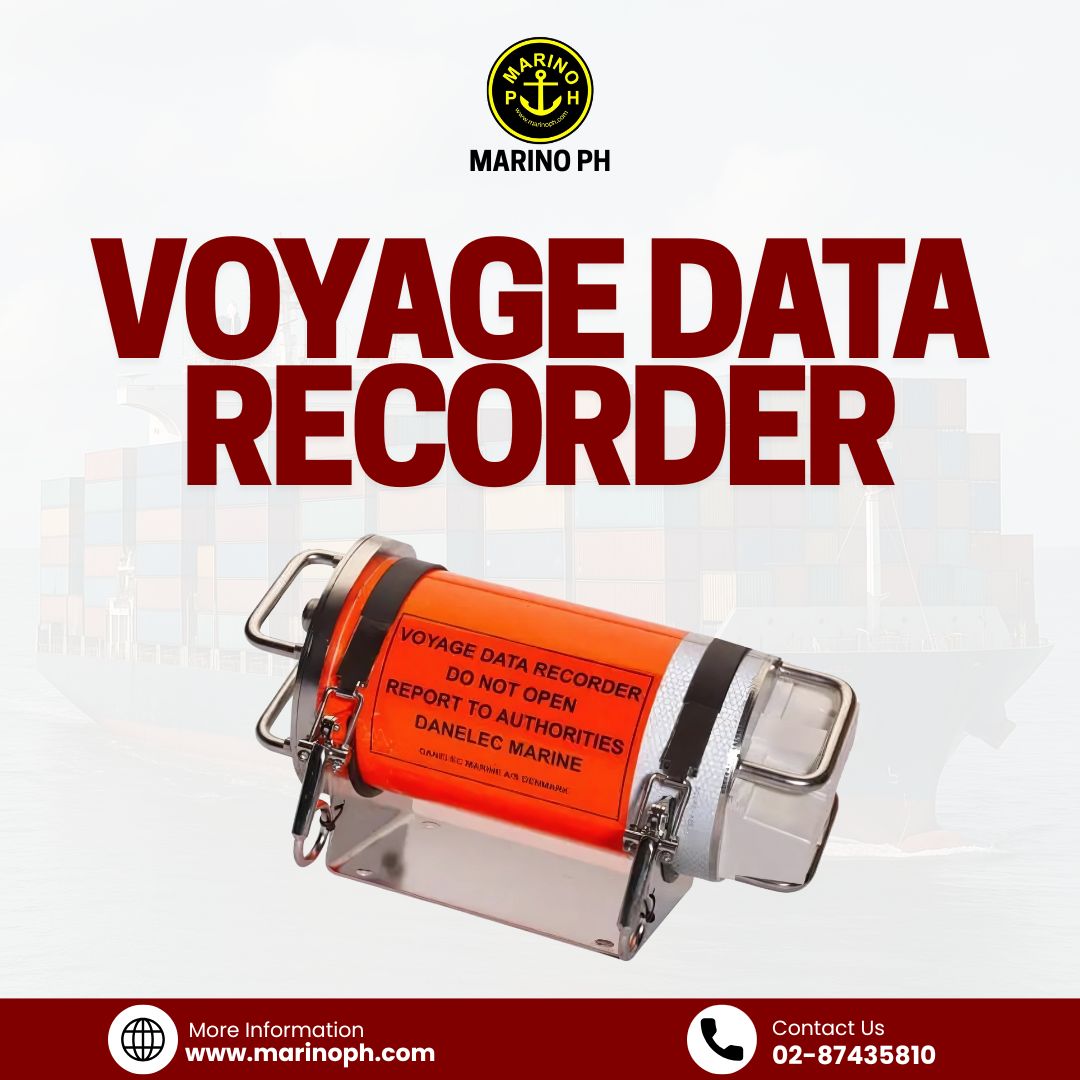
The Voyage Data Recorder (VDR) is a critical safety device installed on board ships, often referred to as the vessel’s “black box,†similar to those used in aircraft. Its primary function is to continuously record essential data related to a ship’s operation, navigation, and surrounding environment. The VDR is required under the International Maritime Organization (IMO) regulations, specifically the Safety of Life at Sea (SOLAS) Convention, for most commercial vessels. A VDR captures a wide range of information, including bridge audio, VHF radio communications, radar images, ship speed, heading, engine orders, alarms, and GPS position. This data is securely stored in a protective capsule designed to withstand extreme conditions such as fire, impact, and prolonged submersion in water. In the event of a maritime accident, collision, grounding, or near-miss incident, the recorded data can be retrieved and analyzed by investigators.
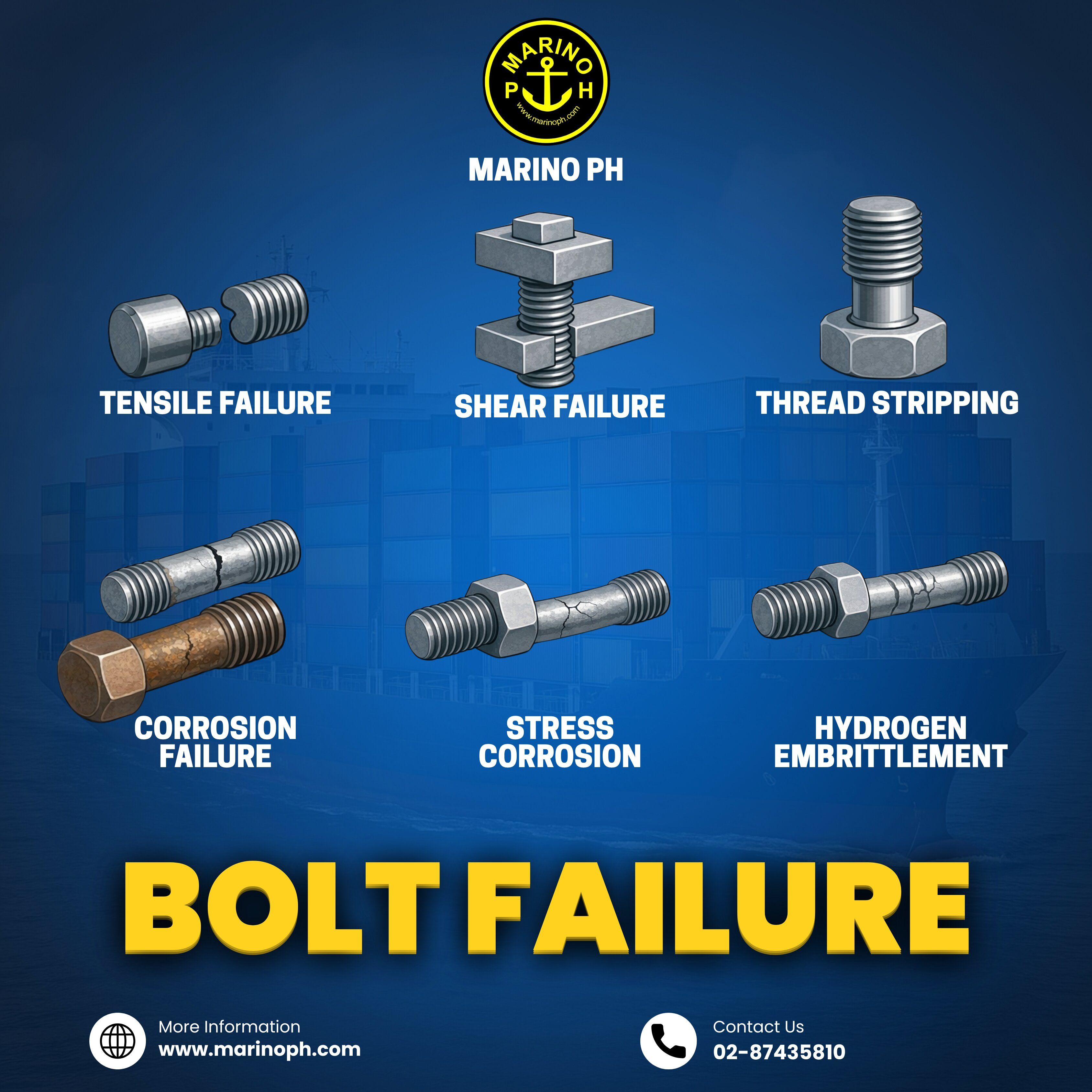
Understanding Bolt Failure: Key Types and Causes Bolts are critical components in marine, industrial, and structural applications, ensuring the integrity and safety of assemblies. However, improper installation, material defects, or environmental factors can lead to bolt failure, posing risks to equipment and personnel. Understanding the types of failures is essential for prevention and maintenance. 1. Tensile Failure – Occurs when a bolt is subjected to forces beyond its tensile strength, causing it to break or snap. 2. Shear Failure – Happens when forces act perpendicular to the bolt’s axis, cutting it across its cross-section. 3. Thread Stripping – Results from excessive torque or wear, damaging the bolt threads and preventing secure fastening.
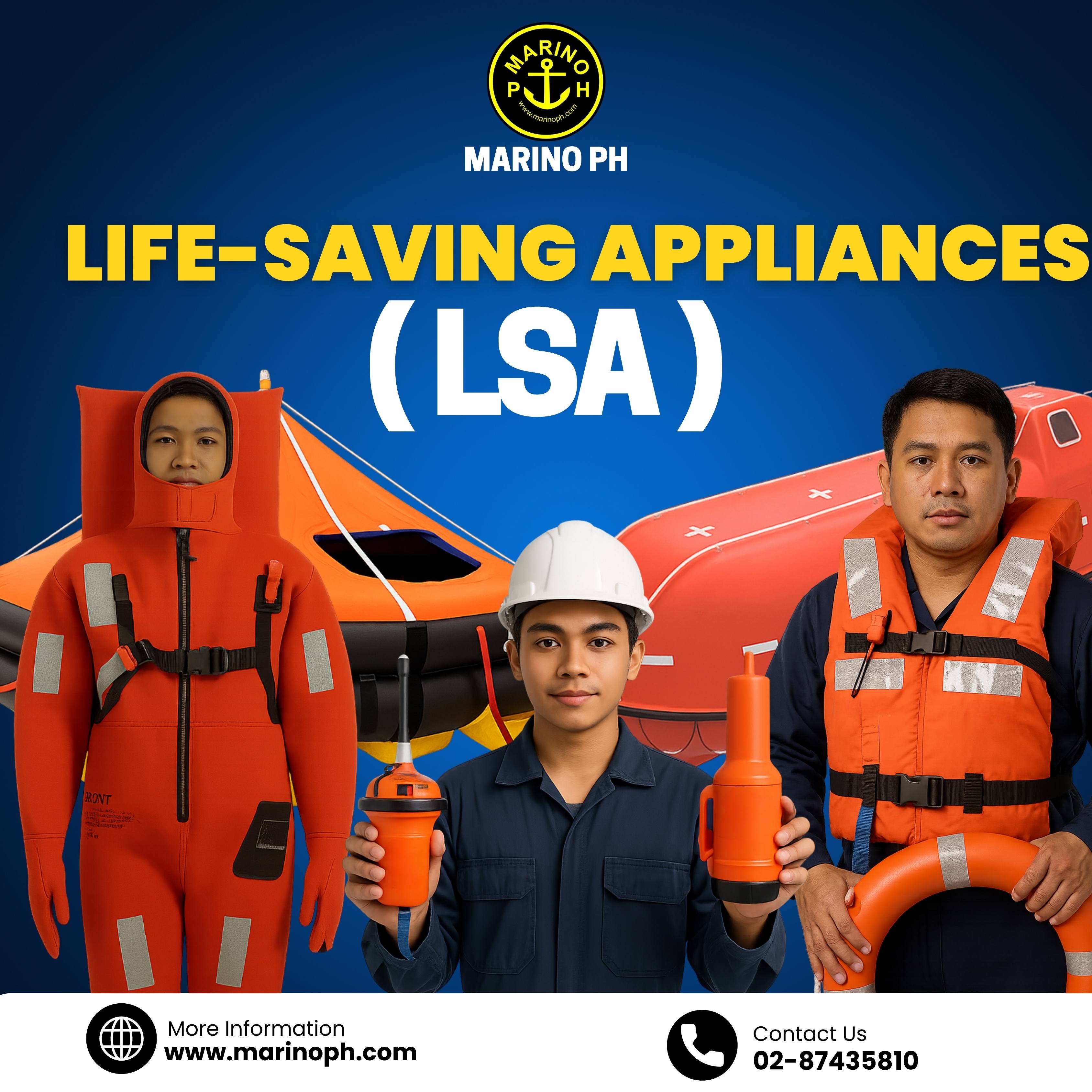
Life-Saving Appliances (LSA) refer to the equipment and systems installed on board ships to protect lives and ensure survival at sea during emergencies such as abandonment, fire, collision, or sinking. These appliances are essential for safeguarding seafarers and passengers and form a critical part of a vessel’s emergency preparedness. LSA typically include lifeboats, liferafts, lifejackets, immersion suits, rescue boats, emergency communication devices, and visual distress signals. All equipment is strategically located and clearly marked to allow rapid access and deployment in emergency situations.
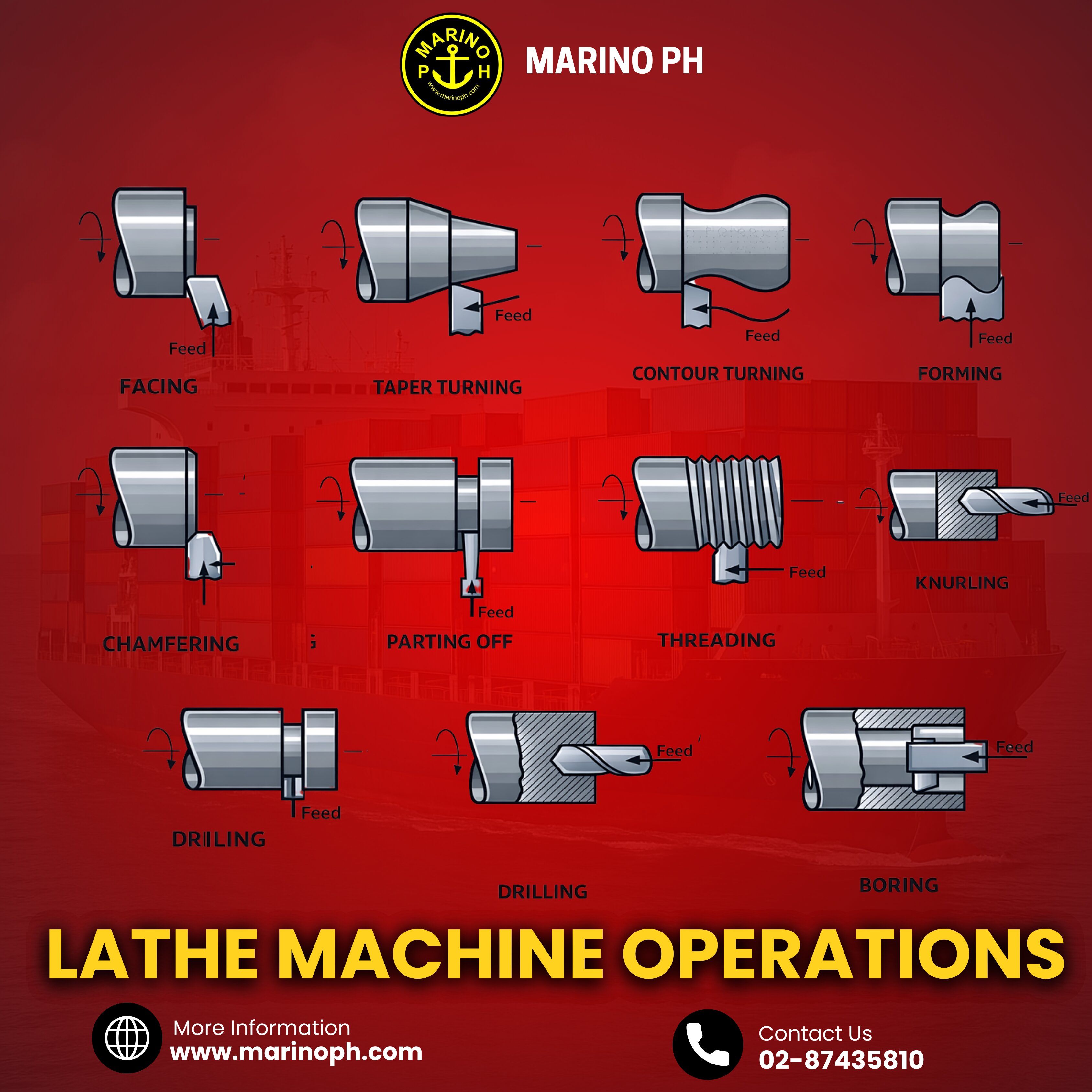
Lathe Machine Operations Lathe machines are fundamental tools in machining and marine engineering, designed to shape metal components with precision and consistency. By rotating the workpiece against a stationary cutting tool, a lathe enables the production of cylindrical, conical, and threaded parts commonly used in ship machinery, propulsion systems, and industrial equipment. Common Lathe Operations Facing Facing is used to produce a flat, smooth surface at the end of a workpiece. This operation ensures accurate length and proper seating of components. Taper Turning Taper turning creates a gradual reduction or increase in diameter along the length of a component. This is essential for shafts, couplings, and alignment-critical parts. Contour Turning Contour turning allows complex and curved profiles to be machined, often required for custom marine parts and specialized fittings.
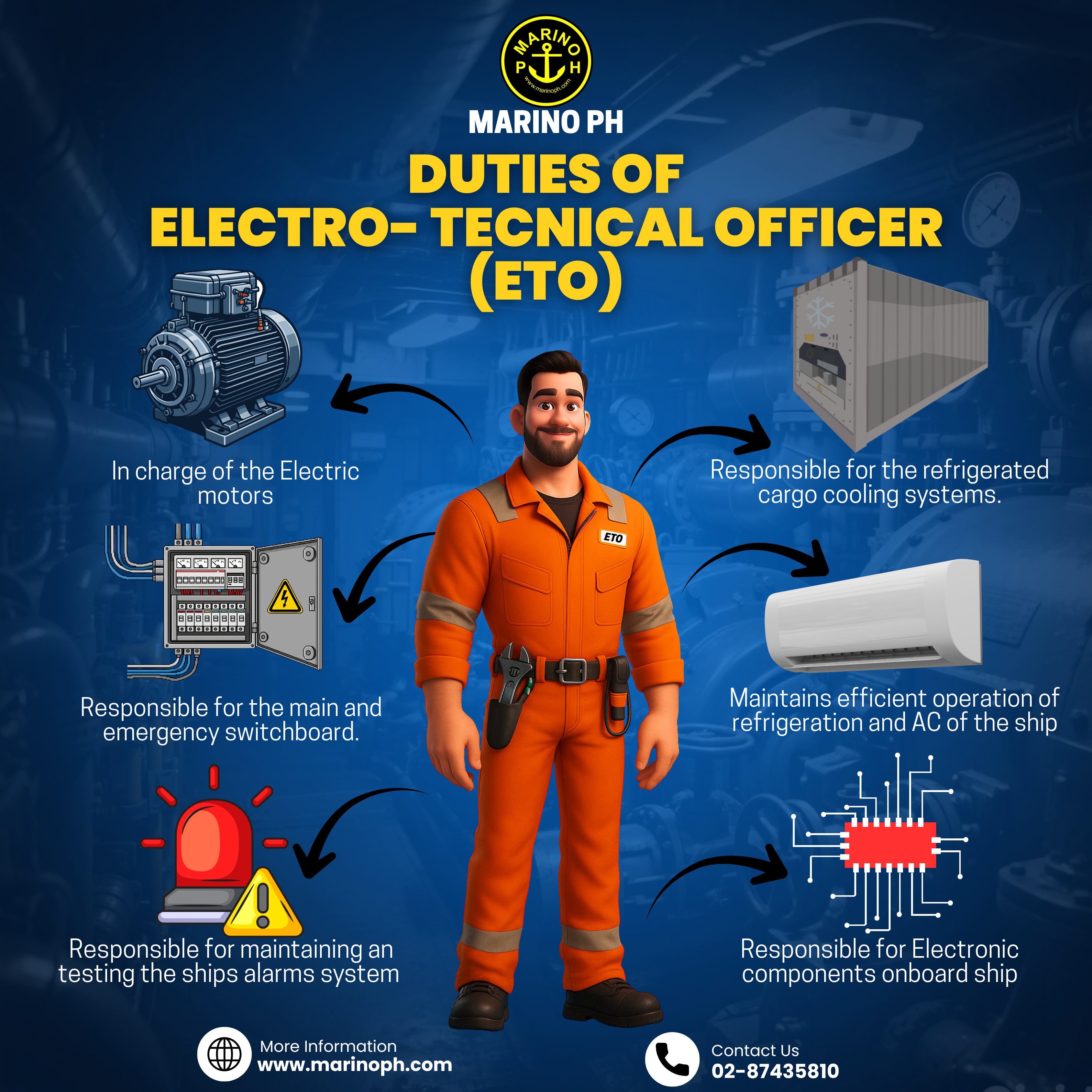
Duties of an Electro-Technical Officer (ETO)
Duties of an Electro-Technical Officer (ETO) An Electro-Technical Officer (ETO) plays a critical role in ensuring the safe and efficient operation of a vessel’s electrical, electronic, and automation systems. As a key member of the engine department, the ETO is responsible for maintaining essential equipment that supports navigation, cargo operations, safety systems, and onboard living conditions. The ETO is in charge of the ship’s electric motors and power distribution systems, ensuring that machinery operates reliably at all times. This includes the maintenance and monitoring of the main and emergency switchboards, which are vital for uninterrupted electrical supply during both normal operations and emergency situations.
.png)
Distress signals are official emergency indicators used by vessels to show that they are in grave and imminent danger and urgently require assistance. These signals are recognized worldwide under COLREGS Annex IV, ensuring that seafarers, coastal stations, and rescue authorities understand the situation instantly—no matter the language or location. Distress signals can be visual, sound-based, or radio-based, such as red star shells, flares, flames on deck, SOS, Mayday calls, smoke, gunfire at one-minute intervals, code flags, dye markers, radio alarms, or waving of arms. Each signal serves the same purpose: to alert others that the vessel or individuals are in a life-threatening emergency. Knowing these signals is essential for all maritime personnel, as they play a critical role in saving lives and enabling fast rescue operations.
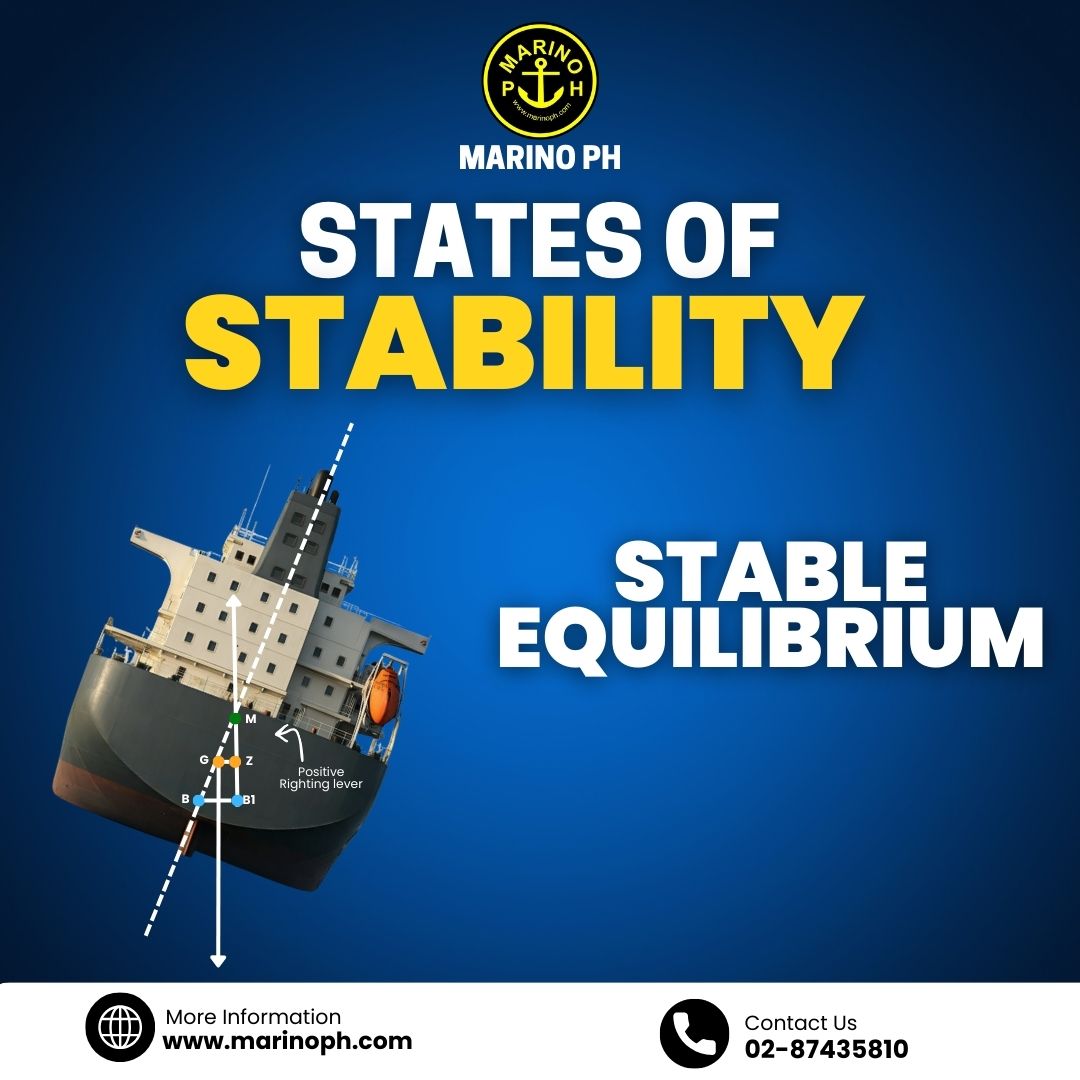
States of Stability of a Cargo Ship
The state of stability of a cargo ship describes how the vessel behaves when it is inclined by an external force such as waves, wind, cargo shift, or turning. It is governed by the relationship between the ship’s center of gravity (G) and metacenter (M). There are three fundamental states of stability: stable, neutral, and unstable. ⸻ 1. Stable Equilibrium (Stable Stability) A cargo ship is in stable equilibrium when, after being inclined by an external force, it naturally returns to its original upright position once the force is removed. This condition occurs when the metacenter (M) is above the center of gravity (G), giving the ship a positive metacentric height (GM). When the vessel heels, a righting moment is created that pushes the ship back upright. In practice, a stably loaded cargo ship feels firm, resists rolling, and recovers quickly from small angles of heel. This is the desired and safest condition for all cargo vessels.
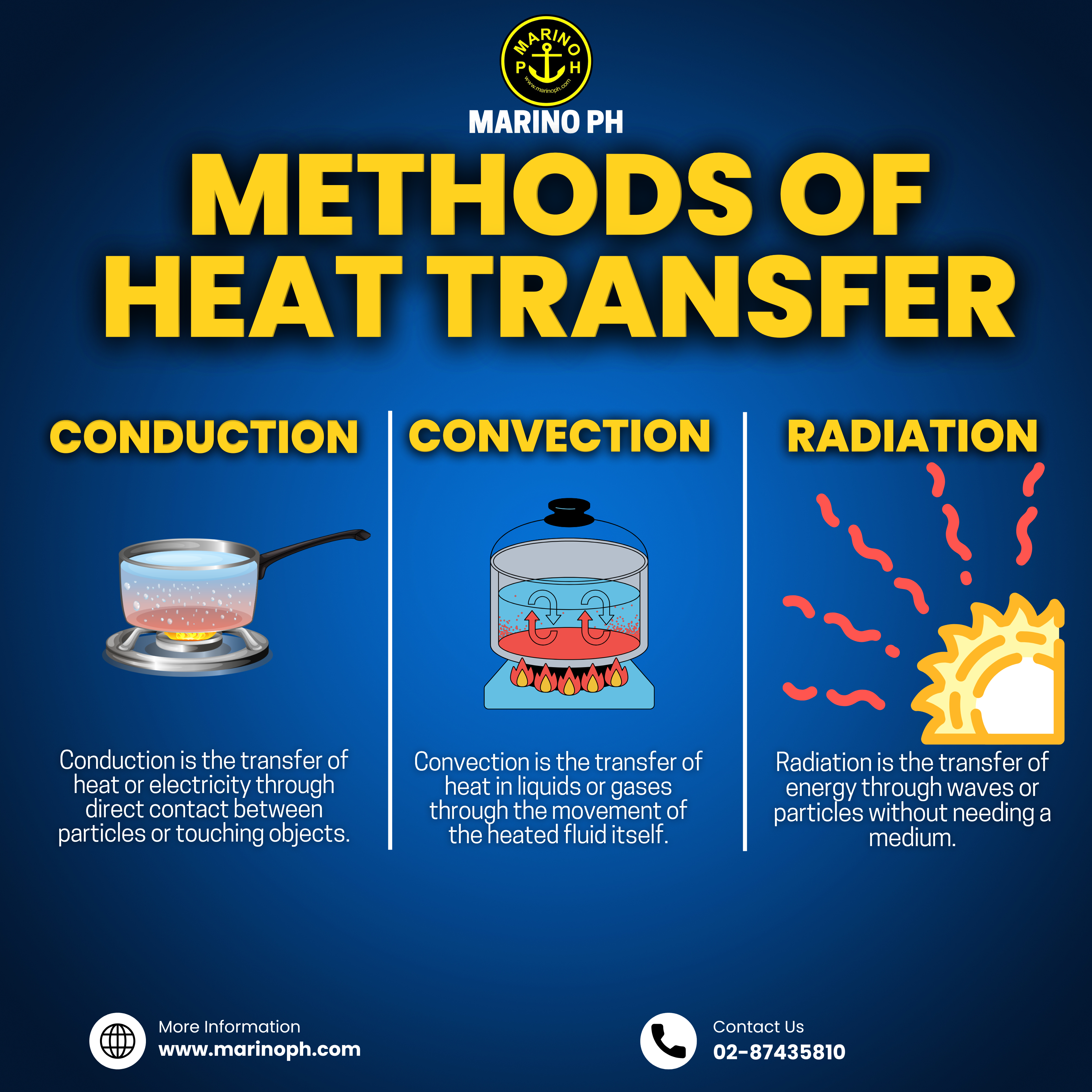
/ Methods of Heat Transfer Understanding how heat moves is essential in science, engineering, and everyday applications especially in marine and industrial environments. Heat transfer occurs in three fundamental ways: conduction, convection, and radiation. Each method explains how thermal energy flows from one object or area to another. / Conduction is the transfer of heat through direct contact. When two objects touch, heat moves from the hotter object to the cooler one as particles collide and transfer energy. This process is common in solids, such as metal cookware heating up when placed on a stove.
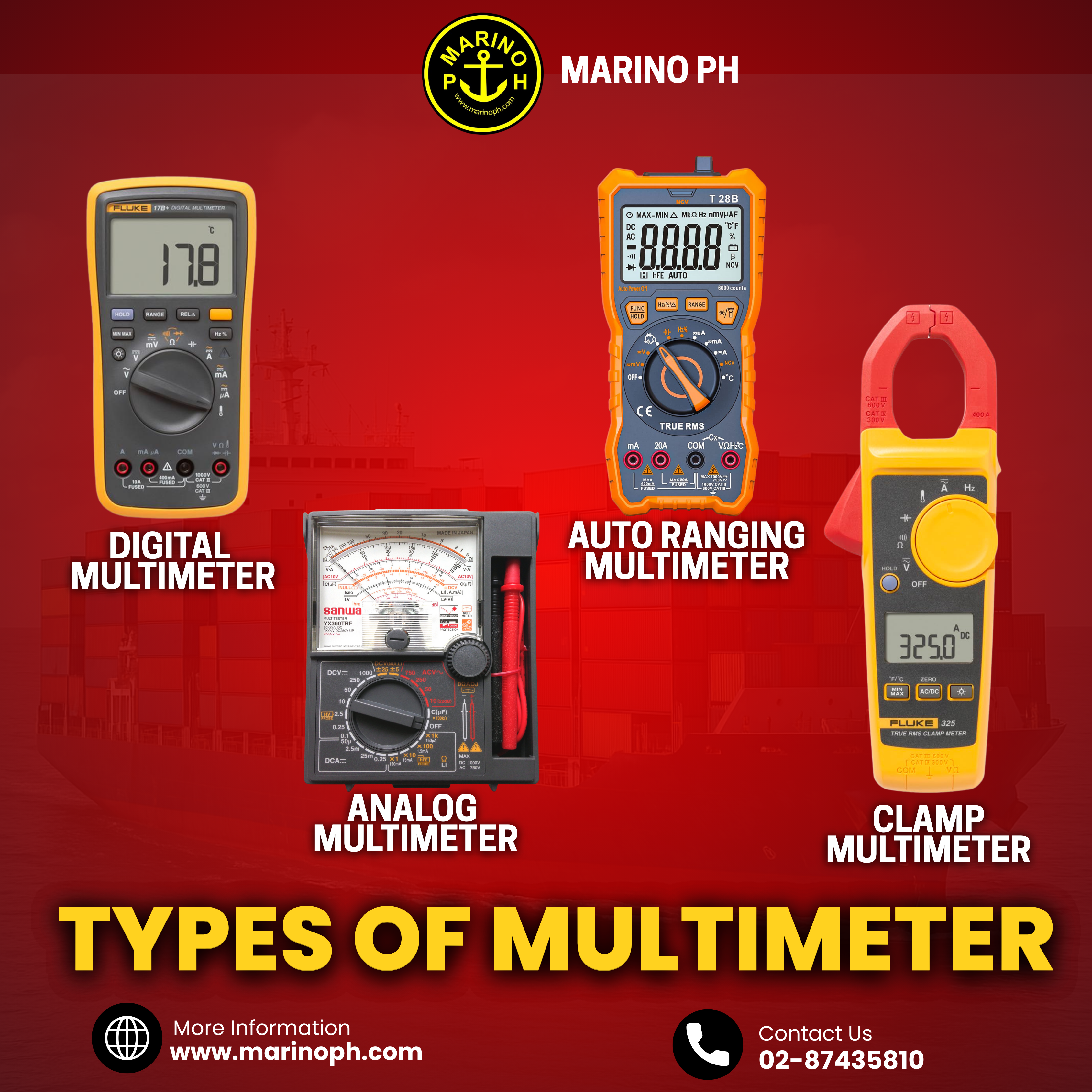
Types of Multimeter: Essential Electrical Testing Tools
/ Types of Multimeter: Essential Electrical Testing Tools Multimeters are fundamental instruments used to measure electrical values such as voltage, current, and resistance. In marine, industrial, and electrical applications, selecting the right type of multimeter is crucial for accuracy, safety, and efficiency. Below are the most common types of multimeters and their practical uses. / Digital Multimeter (DMM) Digital multimeters are widely used due to their accuracy and ease of reading. They display measurements on a digital screen and are ideal for troubleshooting electrical systems, testing circuits, and general maintenance work. Their portability and reliability make them a standard tool for technicians and marine engineers. / Auto-Ranging Multimeter An auto-ranging multimeter automatically selects the correct measurement range, reducing setup time and minimizing user error. This type is ideal for professionals who require quick, precise measurements, especially in complex electrical systems commonly found on ships and industrial facilities.
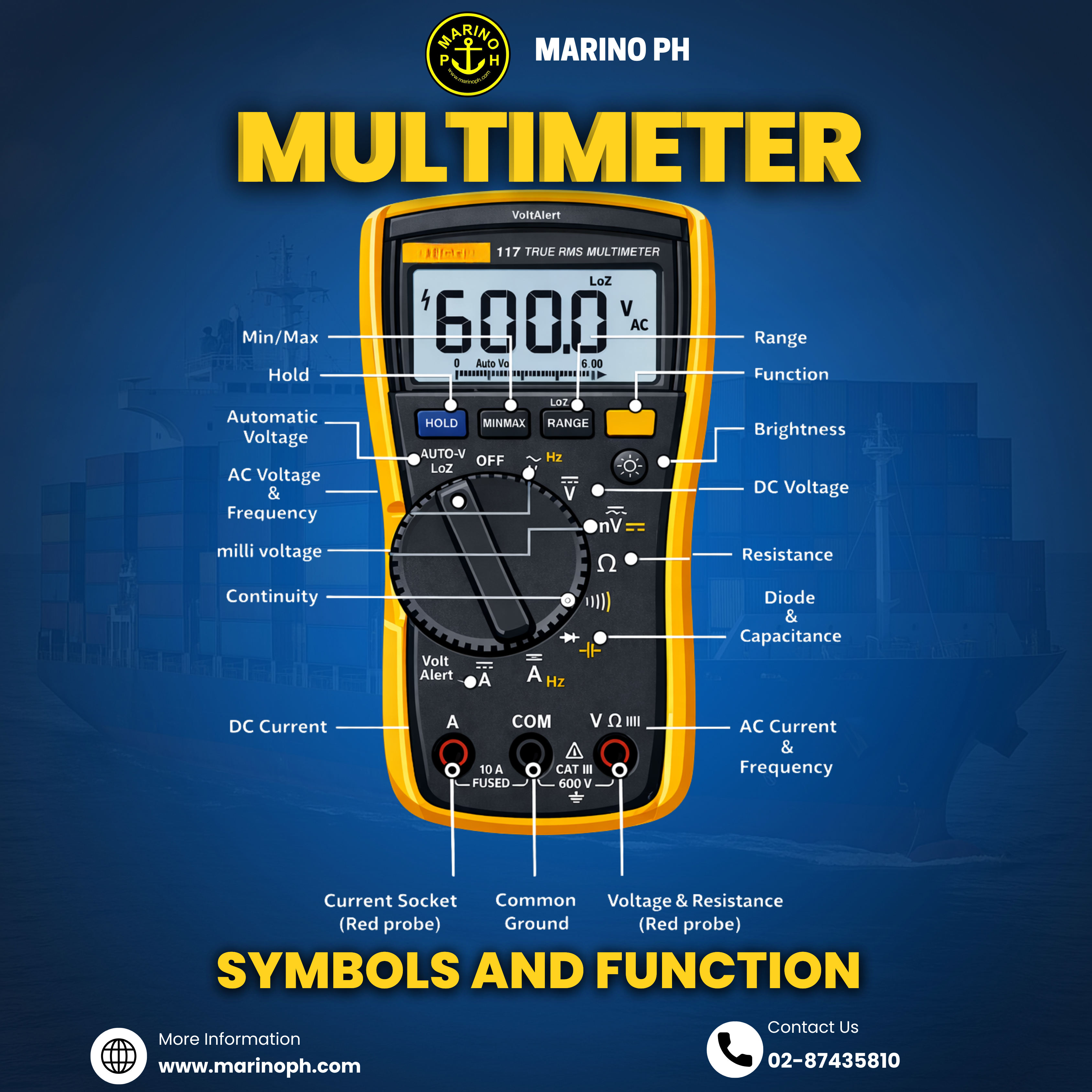
WHAT IS A MULTIMETER A multimeter is an essential diagnostic tool used in marine, electrical, and industrial environments to measure and troubleshoot electrical systems safely and accurately. This visual guide breaks down the key symbols, buttons, and sockets found on a digital multimeter, helping users quickly understand its functions and proper usage. The display section highlights important features such as AC/DC voltage readings, frequency, auto-ranging, hold, and min/max values, allowing precise monitoring of electrical parameters. Control buttons like Hold, Range, Function, and Brightness enhance ease of use, especially in low-light or onboard conditions.

Enclosed Space Entry refers to the controlled and authorized process of entering a space that is not designed for continuous occupancy, has limited means of entry or exit, and may contain hazardous atmospheres or conditions. Because of these risks, entry is only allowed after proper assessment, preparation, and permitting to ensure the safety of all personnel involved. ⸻ KEY REQUIREMENTS FOR ENCLOSED SPACE ENTRY 1. Equipment All required safety equipment must be prepared and inspected before entry. This includes rescue gear, communication devices, PPE, first-aid kits, and emergency response tools to ensure immediate action in case of an incident. 2. Ventilation Proper mechanical ventilation must be established to supply fresh air and remove toxic, flammable, or oxygen-deficient atmospheres inside the space. 3. Risk Assessment A thorough risk assessment must be completed to identify hazards such as toxic gases, low oxygen levels, heat stress, flooding, or mechanical risks before entry is permitted. 4. Linkman (Standby Person) A trained standby person must remain outside the enclosed space at all times to monitor the entrant, maintain communication, and initiate emergency procedures if required.
_20260118_202648_0000.jpg)
Tropical cyclone categories are used to classify storms based on their maximum sustained wind speed, the level of damage expected at landfall, and the height of storm surge they can produce. This standardized system helps meteorologists, mariners, and coastal communities quickly understand a cyclone’s intensity and the potential risks it poses. As the category number increases, the storm becomes more powerful, more destructive, and more dangerous to life, property, and maritime operations. ‣Category 1 cyclones have wind speeds of 74–95 mph and typically cause minimal damage. Some roof damage, broken branches, and minor coastal flooding may occur. Storm surges range from 4–5 feet. ‣Category 2 cyclones produce winds of 96–110 mph and cause moderate damage. Trees may be uprooted, windows broken, and power outages are common. Storm surges reach 6–8 feet. ‣Category 3 cyclones are major storms with winds of 111–129 mph. Extensive damage occurs, including structural damage to buildings and serious coastal flooding from 9–12 feet of storm surge.
.jpg)
Ship draft is the vertical distance between the waterline and the lowest point of a vessel’s hull, usually the keel. It indicates how deep a ship sits in the water and is a critical factor in safe navigation. Draft changes depending on the vessel’s load, including cargo, fuel, ballast, fresh water, and provisions. A deeper draft means the ship is heavier, while a lighter ship has a shallower draft. Understanding draft is essential when entering shallow ports, canals, rivers, or during berthing, as insufficient water depth can lead to grounding and structural damage. There are different types of draft. Forward draft is measured at the bow, aft draft at the stern, and mean draft is the average of both. These measurements help officers assess trim, stability, and compliance with port restrictions. Draft also affects a ship’s speed, fuel consumption, and maneuverability, making accurate monitoring vital for efficient operations.
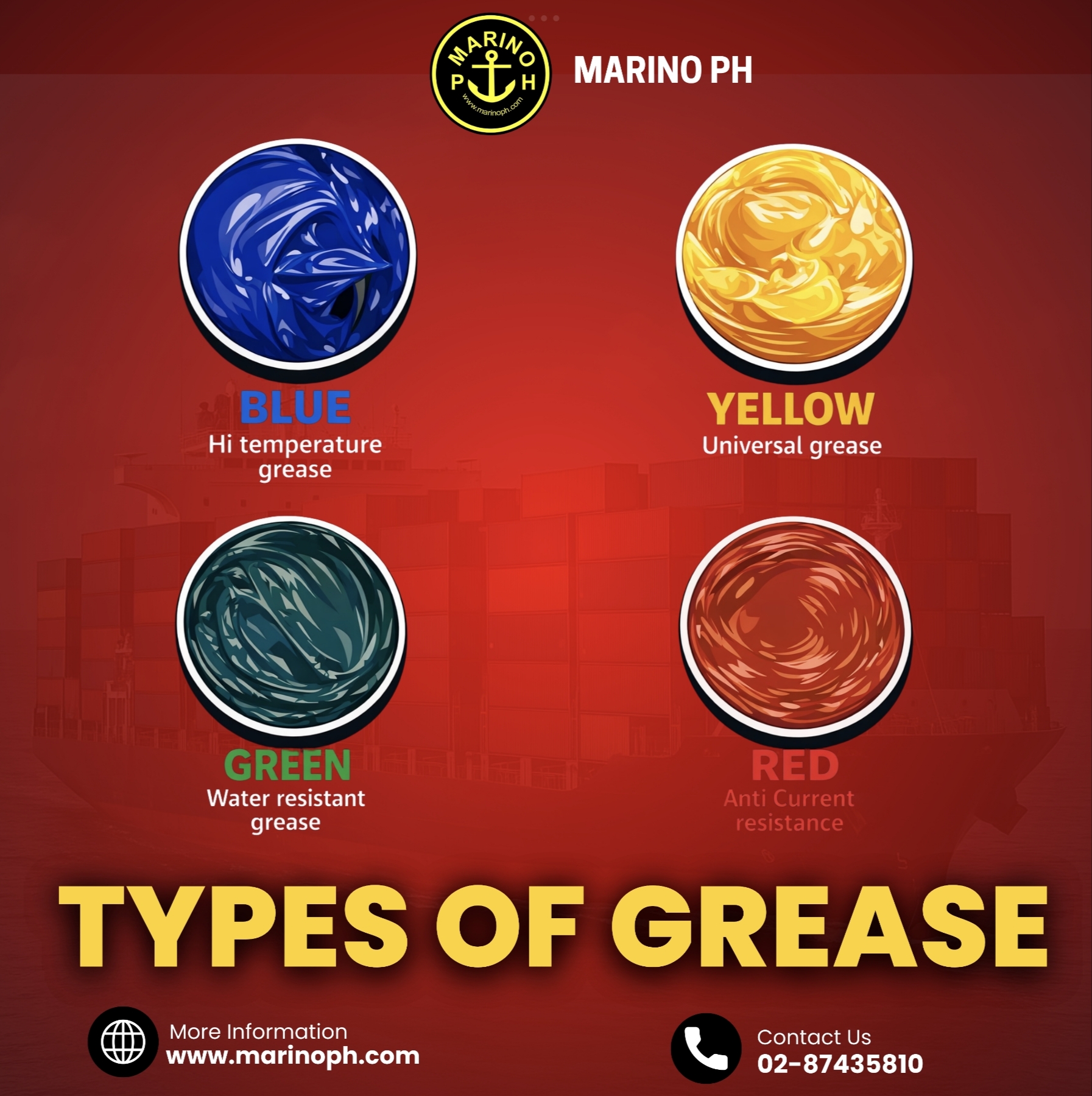
Types of Grease Used in Marine Applications
Types of Grease Used in Marine Applications Proper lubrication is essential for the safe, efficient, and long-term operation of marine machinery. Different operating conditions such as temperature, moisture, load, and movement require specific types of grease. Understanding the correct grease to use helps prevent premature wear, corrosion, and equipment failure. Below are the common types of grease used in marine and industrial environments.

What is a Micrometer A micrometer is a precision measuring instrument widely used in engineering, machining, ship maintenance, and industrial applications where accuracy is critical. It is designed to measure very small dimensions such as thickness, diameter, and length with high precision. Understanding the different parts of a micrometer helps users operate the tool correctly and achieve accurate measurements.
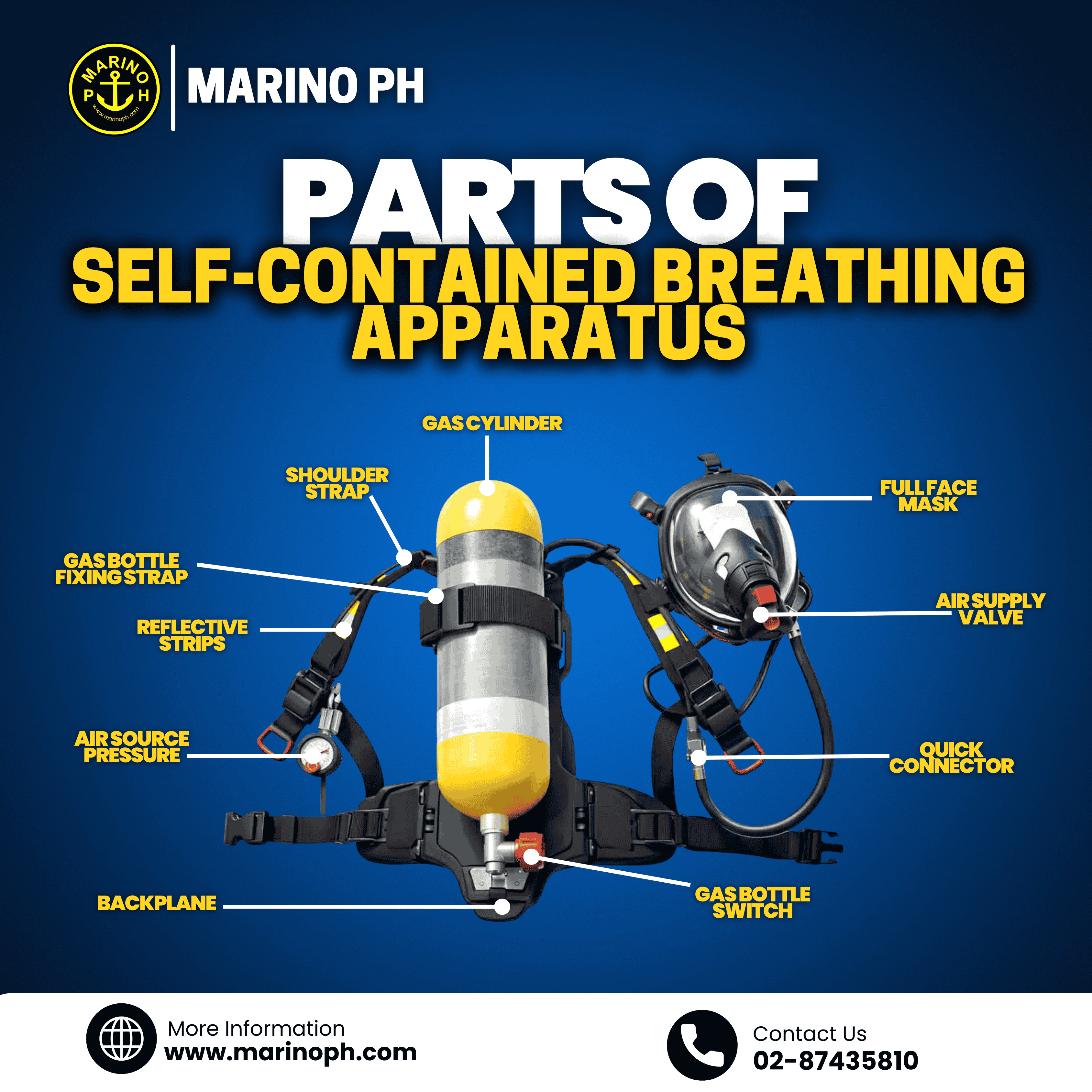
Self-Contained Breathing Apparatus (SCBA)
A Self-Contained Breathing Apparatus (SCBA) is a personal respiratory protection device that supplies clean, breathable air from an independent source. It is designed for use in hazardous, oxygen-deficient, or smoke-filled environments where the surrounding air is unsafe to breathe. SCBAs are commonly used by firefighters, seafarers, rescue teams, and industrial workers to ensure safe breathing during emergencies such as fires, chemical leaks, or confined space operations.

A fire extinguisher is a vital safety device designed to control or extinguish small fires in emergency situations. It works by releasing an agent—such as water, foam, dry chemical, or CO₂—that suppresses the fire, preventing it from spreading and minimizing damage or injury. Fire extinguishers are essential on ships, workplaces, and homes as a first line of defense against fire hazards. Proper operation of a fire extinguisher can be remembered with the PASS method: ‣ Pull – Remove the safety pin to unlock the extinguisher. ‣ Aim – Direct the nozzle at the base of the fire, where it feeds on fuel. ‣ Squeeze – Press the handle to discharge the extinguishing agent. ‣ Sweep – Move the nozzle side to side across the base until the fire is completely out.

Litmus Test What is a Litmus Test The litmus test is a simple method used to identify whether a liquid is acidic, neutral, or alkaline (basic). It uses special paper called litmus paper that changes color when dipped into a solution. There are two types of litmus paper: blue litmus paper and red litmus paper. A universal pH paper can also be used to show a wider pH range using color changes. Purpose The litmus test is used to quickly check the chemical nature of a liquid. It helps determine if a substance is safe to handle or suitable for use in systems such as water treatment, cleaning, or maintenance. How It Works Blue litmus paper turns red in an acidic solution Red litmus paper turns blue in a basic (alkaline) solution Universal pH paper changes color based on the pH level
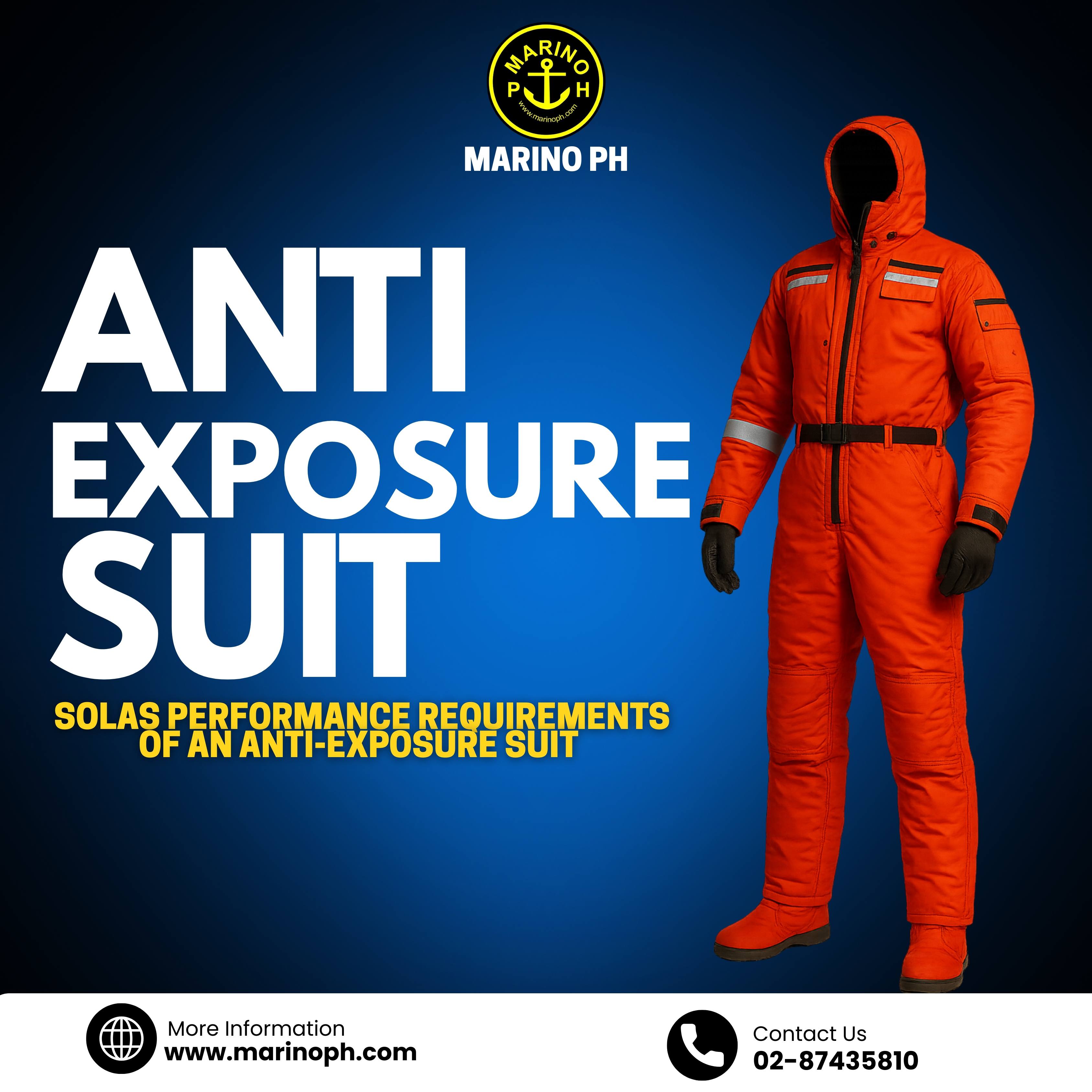
An anti-exposure suit is a specialized protective garment used in the maritime environment to safeguard individuals from the dangers of cold water, extreme weather, and emergency situations at sea. It is typically bright orange for high visibility and made from waterproof, fire-resistant materials that help reduce heat loss and protect the wearer from harsh conditions while performing rescue or evacuation duties. Designed to cover almost the entire body except the head and hands, these suits often include gloves and a hood, and they must be capable of being put on quickly usually within 2 minutes without assistance. They provide inherent buoyancy and thermal protection so that if someone enters cold water, their body temperature drops slowly, helping prevent hypothermia. Anti-exposure suits are also built to allow the wearer to climb ladders, jump into water, swim short distances, don a lifejacket, and carry out evacuation or rescue duties effectively even under stress.

A fire extinguisher is a portable safety device designed to control or put out small fires in emergency situations. It works by releasing a fire-suppressing agent that cools the fire, removes oxygen, or interrupts the chemical reaction of combustion. Fire extinguishers are commonly found on ships, buildings, and industrial areas as part of basic fire-fighting equipment. Main Parts and Their Functions Discharge Lever – When squeezed, it releases the extinguishing agent. Safety Pin – Prevents accidental discharge; must be pulled before use. Carrying Handle – Allows safe handling and control during operation. Pressure Gauge – Indicates whether the extinguisher is properly pressurized and ready for use. Pickup Tube (Siphon Tube) – Draws the extinguishing agent from the bottom of the cylinder. Gas Canister – Contains compressed gas that pushes the extinguishing agent out. Extinguishing Agent – The substance used to fight the fire (e.g., dry powder, foam, CO₂). Discharge Nozzle / Hose – Directs the agent accurately toward the base of the fire. Fire extinguishers are vital first-response tools and must always be properly maintained and correctly used for effective fire control.

International Ship and Port Facility Security (ISPS) Code
The International Ship and Port Facility Security (ISPS) Code is a global maritime security framework developed by the International Maritime Organization (IMO) to enhance the safety of ships and port facilities. It was introduced in response to growing concerns over terrorism, piracy, and unlawful acts against the maritime sector, particularly after the September 11, 2001 attacks. The ISPS Code entered into force on 1 July 2004 under the Safety of Life at Sea (SOLAS) Convention, Chapter XI-2. The primary objective of the ISPS Code is to detect security threats and implement preventive measures involving ships, ports, and governments. It establishes clear roles and responsibilities for Contracting Governments, shipping companies, shipboard personnel, and port authorities. Key requirements include conducting security assessments, developing and maintaining approved security plans, and appointing designated security officers such as the Company Security Officer (CSO), Ship Security Officer (SSO), and Port Facility Security Officer (PFSO). The ISPS Code operates under three security levels. Security Level 1 is the normal level, where minimum appropriate protective measures are maintained at all times. This includes routine access control, monitoring of restricted areas, and regular security patrols. Security Level 2 is applied when there is a heightened risk of a security incident. At this level, additional protective measures are implemented, such as increased patrols, stricter access controls, limited visitors, and closer monitoring of cargo and ship’s stores. Security Level 3 represents an exceptional level, activated when a security incident is probable or imminent. At this stage, specific protective actions are taken for a limited period, which may include suspension of operations, evacuation procedures, or direct coordination with authorities to protect the ship, port facility, and personnel.

What is a chain block A chain block, also known as a manual chain hoist, is a mechanical lifting device widely used in maritime, shipyard, construction, and industrial environments. The image illustrates the key internal and external components of a chain block, including the steel frame, gear casing, load chain, braking system, hooks, and internal bearings. These parts work together to lift, lower, and hold heavy loads safely using manual force. The robust steel frame houses the internal gears and brake mechanism, while the upper hook allows secure attachment to a beam or lifting point. The load chain passes through the chain guide, ensuring smooth movement and proper alignment during operation. Inside the gear casing, bushings, bearings, and gears reduce friction and multiply force, enabling efficient lifting. Purpose The primary purpose of a chain block is to lift, suspend, and precisely position heavy loads in areas where electrical or hydraulic lifting equipment may be unavailable or impractical. In maritime operations, chain blocks are commonly used for engine maintenance, cargo handling, machinery installation, and ship repair work. The integrated mechanical load brake and pawl-and-ratchet mechanism are critical safety features. They automatically hold the load in place when lifting force is released, preventing accidental lowering and ensuring controlled, step-by-step operation. This makes chain blocks especially suitable for confined spaces and onboard ship environments.

The Panama Canal is a man-made waterway that connects the Atlantic Ocean to the Pacific Ocean, cutting across the Isthmus of Panama. Its main purpose is to provide a shorter, safer, and more efficient route for ships, eliminating the need to sail around South America’s Cape Horn. Purpose The canal was built to reduce travel time, distance, and cost for global maritime trade. By using a system of locks and artificial lakes, ships are raised and lowered to cross Panama’s mountainous terrain. How It Helps Shipping • Shortens voyages by thousands of nautical miles • Saves fuel, operating costs, and time • Allows faster delivery of cargo worldwide • Supports global trade by improving route efficiency • Handles container ships, tankers, bulk carriers, and LNG vessels

A sextant is a navigation instrument used by seafarers to measure the angle between a celestial body (sun, moon, star) and the horizon. The sextant is used to determine a ship’s position at sea, specifically latitude and longitude, by celestial navigation—especially when GPS is unavailable. Old-school, but still gold 🧠Parts of a Sextant • Frame – The main body that supports all parts of the sextant. • Telescope – Used to view the horizon and the celestial body clearly. • Index Mirror – Reflects the image of the celestial body. • Horizon Mirror – Allows the observer to see both the horizon and reflected image at the same time. • Index Arm – Movable arm used to adjust the angle being measured. • Graduated Arc – Curved scale where angles are read in degrees. • Drum (Micrometer Drum) – Fine adjustment for precise angle readings. • Locking Device – Secures the index arm in place after adjustment. • Glass Filters – Protect the eyes when observing bright objects like the sun. A sextant is a precision navigational tool that helps mariners calculate their position at sea by measuring angles between celestial bodies and the horizon.

Shipboard Oil Pollution Emergency Plan
Shipboard Oil Pollution Emergency Plan (SOPEP) The Shipboard Oil Pollution Emergency Plan (SOPEP) is a mandatory safety and environmental protection system carried onboard oil tankers and other vessels as required by MARPOL regulations. It provides clear procedures, equipment, and responsibilities for responding effectively to oil spill incidents at sea or in port. SOPEP ensures that ships are prepared to minimize environmental damage, protect crew safety, and comply with international maritime standards. History SOPEP was introduced following a series of major oil spill disasters in the late 20th century that caused severe environmental damage and raised global concern over marine pollution. The International Maritime Organization (IMO) incorporated SOPEP requirements into MARPOL Annex I, making it compulsory for applicable vessels. Since then, SOPEP has become a cornerstone of shipboard environmental management and oil spill preparedness worldwide. Purpose The primary purpose of SOPEP is to: •Prevent and control oil pollution from ships •Provide a structured and immediate response during oil spill emergencies •Minimize environmental, economic, and safety impacts •Ensure compliance with international maritime laws and port state requirements •Guide crew members through clear, pre-planned spill response actions
.jpg)
This VHF Marine Radio Channels guide presents a clear and practical overview of how Very High Frequency (VHF) radio channels are organized and used in maritime communication. It is designed to help seafarers, maritime students, and industry professionals quickly understand the correct use of each channel in daily operations and emergency situations. At the center of the guide is Channel 16, the internationally recognized channel for distress, safety, and calling, highlighting its vital role in emergency alerts and initial contact between vessels and shore stations. The diagram groups channels according to their operational purpose, including search and rescue (SAR), ship-to-ship safety information, port operations, commercial vessel communications, professional fishing vessels, recreational vessels, and maritime safety organizations. It also identifies channels dedicated to Digital Selective Calling (DSC) and VHF repeaters, supporting efficient distress alerting and extended communication coverage. Color Coding Guide: • Blue channels – Designated for ship-to-shore communications • Red channels – Used primarily for ship-to-ship communications • Black channels – Suitable for both ship-to-shore and ship-to-ship communications Overall, this guide serves as a reliable reference for proper VHF radio use, reinforcing international maritime communication standards while promoting safety, clarity, and effective coordination at sea.

Mooring Equipment plays a critical role in ensuring the safe berthing and securing of vessels in ports and terminals. Designed to handle heavy loads and dynamic forces, these fittings guide, control, and hold mooring lines in place while minimizing wear and operational risk. Double Bollards ‣Used for securing mooring lines on deck; allows multiple lines to be fastened and provides strong holding capacity during berthing. Mooring Roller ‣Guides mooring lines smoothly during heaving or paying out, reducing friction and preventing line damage. Horn Cleat ‣Simple deck fitting used to secure light mooring lines or ropes by wrapping them around its two horns. Panama Bow Curved Bulwark ‣Reinforced bow fitting designed to guide mooring lines safely over the ship’s bulwark with minimal wear. Cruciform Bollard ‣Cross-shaped bollard that allows multiple mooring lines to be secured from different directions. Smit Bracket ‣Heavy-duty fitting used for towing operations; guides towing lines and absorbs high towing loads.

Fuel Oil Properties Fuel oil properties define the physical and chemical characteristics that determine how fuel behaves during storage, handling, combustion, and engine operation. In marine engineering, understanding these properties is essential to ensure safe operations, efficient fuel consumption, regulatory compliance, and long-term reliability of ship machinery. Purpose •The purpose of identifying and monitoring fuel oil properties is to: •Ensure safe storage, handling, and combustion of fuel •Protect engines and fuel systems from damage and excessive wear •Maintain optimal engine performance and efficiency •Comply with international environmental and emission regulations •Reduce operational risks such as fires, blockages, and corrosion

DIFFERENT TYPES OF BOW DESIGNS
The bow is the forward-most part of a ship, designed to cut through water efficiently. Its shape affects speed, fuel efficiency, stability, and seakeeping. Different bow designs help vessels perform better in various conditions such as rough seas, ice navigation, or high-speed operations. Spoon Bow A smoothly curved bow that reduces wave resistance and improves fuel efficiency. Common on: bulk carriers, tankers, container ships, and general cargo vessels. Bulbous Bow A bow with a protruding bulb below the waterline designed to reduce drag and improve speed and fuel economy. Usually seen on: large container ships, tankers, bulk carriers, LNG/LPG carriers, and cruise ships. Ram Bow A strong, forward-projecting bow built to withstand impact, originally for naval use. Usually seen on: naval warships, ice-strengthened vessels, and some specialized research ships. Plumb Bow A nearly vertical bow that maximizes waterline length and improves speed and cargo efficiency. Usually seen on: modern container ships, passenger ships, ferries, and naval vessels. Raked Bow A backward-sloping bow that reduces spray and improves performance in rough seas. Usually seen on: tankers, bulk carriers, offshore supply vessels (OSV), and fishing vessels. Clipper Bow A long, curved bow designed to cut through waves smoothly. Usually seen on: traditional sailing ships, older passenger liners, and classic training vessels.
.jpg)
FIRE EXTINGUISHERS USED ON SHIPS
Fire extinguishers are essential first-response tools used to control and suppress different types of fires onboard ships. Each extinguisher is designed with a specific firefighting agent that targets certain classes of fire such as solid combustibles, flammable liquids, gases, metals, cooking oils, and even electrical sources. Onboard vessels, the correct selection and proper use of a fire extinguisher can prevent a small incident from escalating into a major emergency. Understanding the types, functions, and limitations of each extinguisher ensures safe and effective response by the crew. Types of Fire Extinguishers Dry Powder Fire Extinguisher This versatile extinguisher uses a fine powder that interrupts the chemical reaction of fire. It is considered an “all-rounder†because it can tackle multiple classes of fire, including flammable gases and electrical fires. Effective For: Class A, B, C, D, K/F, Electrical fires Best Use Onboard: Machinery spaces, engine rooms, areas with fuel, chemicals, and electrical equipment. Foam Fire Extinguisher Foam extinguishers work by forming a blanket over the burning surface, cooling the fire and preventing oxygen from reaching the fuel. Ideal for liquid-based fires. Effective For: Class A and B fires Best Use Onboard: Cargo areas, storerooms with paints/fuels, accommodation spaces. CO₂ (Carbon Dioxide) Fire Extinguisher This extinguisher releases high-pressure CO₂ gas that displaces oxygen, suffocating the fire without leaving any residue. Safe for electrical panels as it does not damage equipment. Effective For: Class B fires, Electrical fires Best Use Onboard: Control rooms, bridge equipment, engine control panels, electrical rooms. Water Fire Extinguisher Water extinguishers cool the burning material by reducing the temperature below ignition point. They are simple, effective, and environmentally friendly—but ONLY for solid combustible fires. Effective For: Class A fires Best Use Onboard: Storage areas with paper, wood, cloth, and other solid materials. Warning: Never use on electrical, fuel, or grease fires. Wet Chemical Fire Extinguisher This extinguisher is specifically designed to fight fires involving cooking oils and fats. It works by cooling and forming a chemical layer that prevents re-ignition making it vital for galley operations. Effective For: Class A and Class F/K fires Best Use Onboard: Ship galleys, cooking stations, and food preparation areas.

Fouling in the Engine Room Fouling inside heat exchangers, piping and machinery is a persistent threat to vessel reliability, fuel efficiency and safety. Left unchecked, deposits and films build up on internal surfaces, reducing heat transfer, increasing pump and compressor loads, and accelerating corrosion. Below we explain the six common types of engine-room fouling, their root causes, operational impacts, and practical prevention measures every chief engineer and technical manager should know. Types of fouling 1. Scaling Mineral salts precipitate from hard water (e.g., calcium or magnesium salts) and form hard, insulating layers on heat-transfer surfaces. Scaling reduces thermal efficiency and flow, increasing fuel consumption and risking overheating of machinery. 2. Particulate fouling Suspended solids sand, rust particles, paint flakes or sediment settle and accumulate in piping and exchangers. These deposits obstruct flow paths and erode components, leading to frequent filter replacements, higher head loss and reduced system performance.
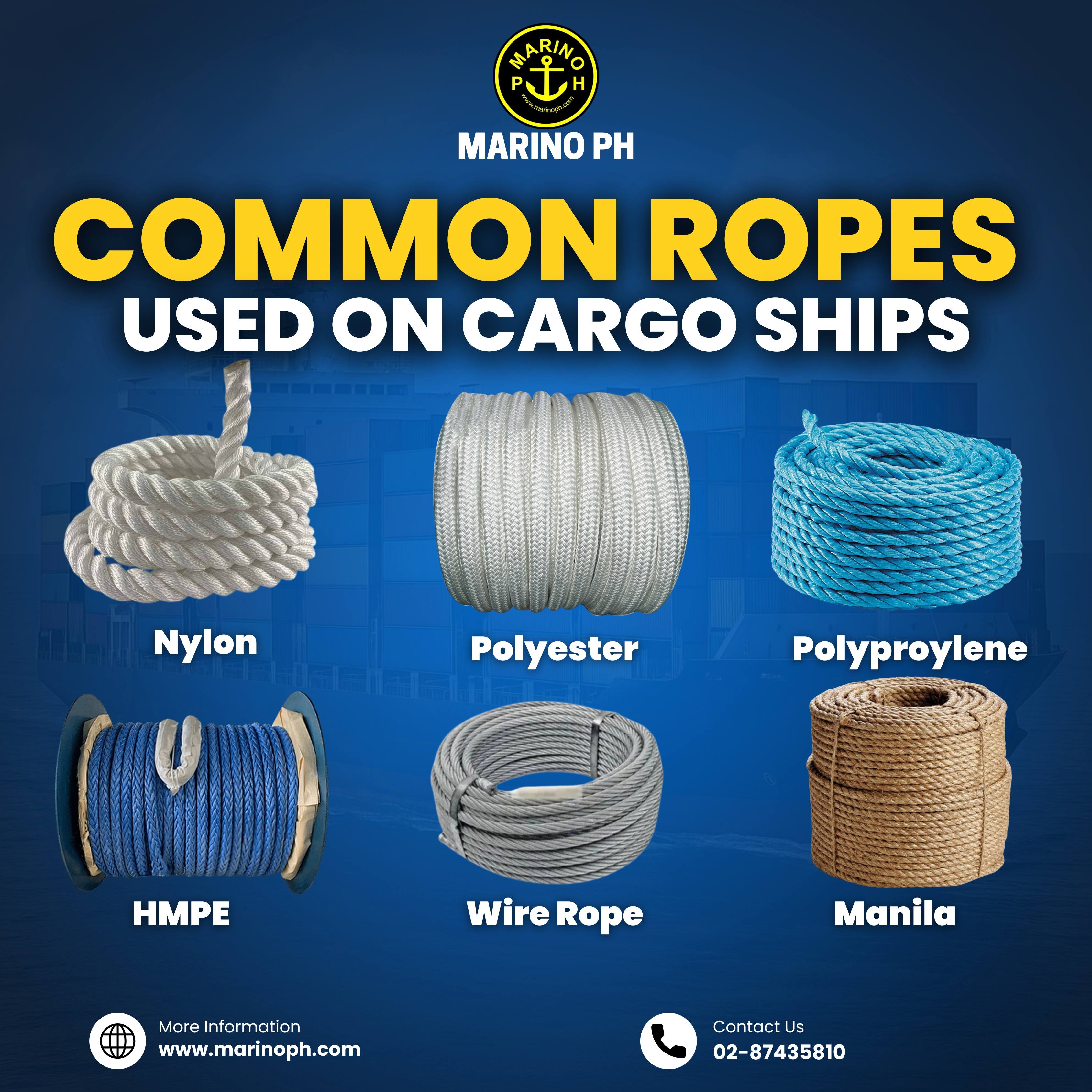
Common Ropes used on Cargo Ships
Merchant ropes are heavy-duty lines, often synthetic (nylon, polyester) or wire, used on commercial ships for mooring (securing to docks), towing, cargo handling, and safety, designed for extreme strength, durability, and specific elasticity to manage ship movement against wind, tides, and currents, with different types like spring lines and breast lines handling specific motions. Key Functions & Type ‣Mooring: Securing vessels to berths using bollards and cleats, controlling lateral (breast lines) and longitudinal (spring lines) movement. ‣Towing & Guiding: Assisting other vessels or guiding ships into port. ‣Cargo Handling: Lifting and moving cargo during loading/unloading. ‣Safety: Acting as lifelines or barriers on deck. Types of Ropes ‣Nylon: Excellent shock absorption (elasticity) for heavy impacts, good abrasion resistance, but degrades in UV light. ‣Polyester: Strong, low stretch, good UV and water resistance, ideal for steady loads but can be slack under tension. ‣Polypropylene: Lightweight, floats, affordable, resistant to chemicals, but high stretch and less durable long-term. ‣HMPE (Dyneema/Spectra): Extremely strong, low stretch, very light, excellent performance for heavy loads but costly. ‣Wire Rope: Steel cables for maximum strength in very harsh, heavy-duty applications. ‣Manila (Natural): Biodegradable, traditional, but susceptible to rot and UV damage.
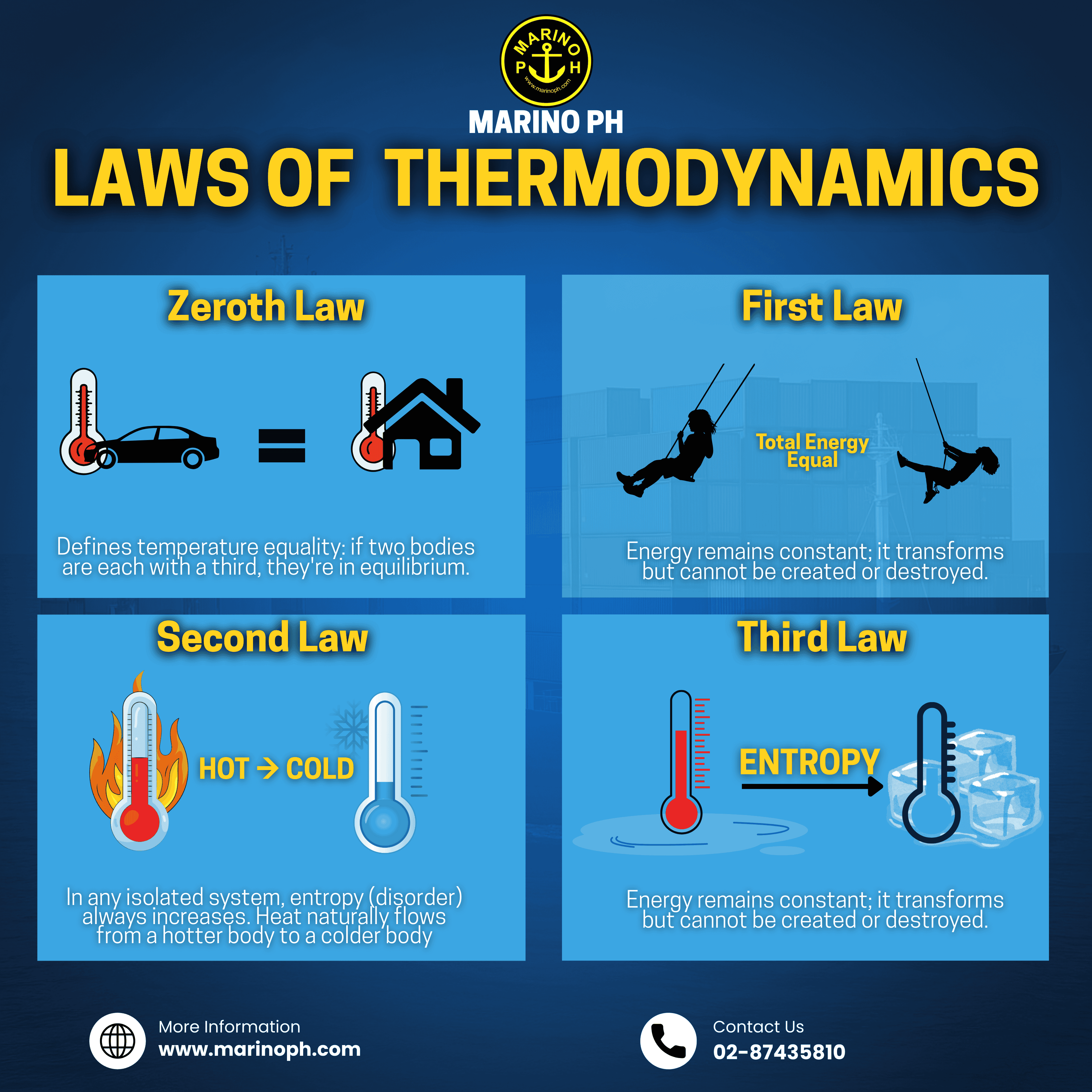
The Laws of Thermodynamics: Essential Principles Behind Heat, Work, and Energy Understanding the Laws of Thermodynamics is fundamental in engineering, science, and industrial operations. These four principles describe how heat and energy behave in physical systems whether in marine machinery, automotive engines, refrigeration units, or power plants. Each law provides critical insights that help engineers design safer, more efficient, and more reliable systems. Zeroth Law of Thermodynamics: Foundation of Temperature Measurement The Zeroth Law states that if two bodies are each in thermal equilibrium with a third body, then all three are in equilibrium with one another. This simple but powerful principle forms the basis of all temperature measurement. It ensures that thermometers can serve as accurate reference points in determining temperature across different systems. First Law of Thermodynamics: The Conservation of Energy The First Law explains that energy cannot be created or destroyed it can only change forms. In marine and industrial applications, fuel energy is transformed into mechanical work, heat, and other forms of output. Although energy transitions from one type to another, the total amount within the system remains constant. This principle drives the design of engines, generators, and thermal processes.

Arrangements oF Combination Ladder for High Freeboard Vessels
A combination ladder arrangement for high freeboard vessels refers to the required setup that combines an accommodation ladder with a pilot ladder to ensure the safe transfer of marine pilots between a pilot boat and the ship. This arrangement is used when the vessel’s freeboard is too high for a pilot ladder alone to reach safely. In this setup, the accommodation ladder provides the main inclined walkway, while the pilot ladder is rigged at the lower end of the platform so the pilot can board and disembark at a safe height above the sea. International regulations prescribe several key requirements: • The pilot ladder must extend at least 2 meters above the lower platform. • The ladder must be secured to the ship’s side at a point 1.5 meters above the accommodation ladder platform. • The pilot ladder must offer a climbing height of 1.5 to 9 meters. • The lower platform must remain horizontal and positioned at least 5 meters above the water. • The accommodation ladder must maintain a maximum slope of 45 degrees.

The Lathe Machine A lathe machine is a fundamental metalworking tool that shapes materials by rotating a workpiece against a cutting tool. It is widely used to produce precise cylindrical parts for mechanical and industrial applications. Known for its versatility, the lathe performs operations such as turning, facing, drilling, and threading with high accuracy. PARTS OF THE LATHE MACHINE 1. Headstock Houses the spindle and drive mechanism. Provides power and rotation to the workpiece. >2. Spindle with Chuck The spindle rotates the workpiece while the chuck clamps and holds it securely during machining. 3. Tool Post A fixture that holds the cutting tool. Allows positioning and quick tool changes. 4. Compound Rest Supports the tool post and enables angular adjustments for taper turning and precise cuts. 5. Cross Slide Moves the tool perpendicular to the lathe axis for facing and contour operations.

The IALA Buoyage System was developed by the International Association of Marine Aids to Navigation and Lighthouse Authorities (IALA) to create a standard method of marking channels, hazards, and safe water. Its goal is to provide mariners with a reliable guide to safe navigation, no matter where they sail. 🔹IALA Regions The system is divided into two regions: Region A Covers Europe, Africa, Australia, and most of Asia. Port-hand marks: Red Starboard-hand marks: Green Region B Covers the Americas, Japan, Korea, and the Philippines. Port-hand marks: Green Starboard-hand marks: Red
.jpg)
FIRST COMPASS USED IN SHIP NAVIGATION
• A magnetized iron needle was rubbed with lodestone to create magnetic polarity. • The needle was placed on a small piece of cork, reed, or bamboo, allowing it to float freely. • This setup was placed in a bowl of water, reducing friction and stabilizing the movement. • The needle consistently aligned north–south, giving sailors a reliable reference during voyages. • This simple device became the earliest form of a marine water compass. When It Was Used • First appeared in 11th–12th century China during the Song Dynasty. • Adopted soon after by Arab navigators through trade routes. • Reached Europe by the 12th–13th century, widely used by Mediterranean and Atlantic sailors. • Became the foundation of early long-distance voyages across Asia, the Middle East, and Europe. Why It Was the First Marine Compass • It was the first design stable enough to function on a moving ship, even during waves. • Provided direction when skies were cloudy, foggy, or stormy, when celestial navigation was impossible. • Allowed sailors to maintain a steady course in open ocean, not just coastal waters. • Its simplicity made it cheap, easy to build, and highly reliable for early maritime cultures. • This tool marked the beginning of true open-sea navigation, eventually evolving into the dry compass and modern gyrocompass.
 (1).png)
PERSONAL PROTECTIVE EQUIPMENT (PPE)
Personal Protective Equipment (PPE) is the frontline defense of every seafarer working onboard. It protects crew members from physical, chemical, and environmental hazards while ensuring safe and efficient operations. Each piece of PPE serves a specific purpose that collectively reduces risk, prevents injury, and promotes a safety-first mindset onboard. 1. Protective Helmet Provides essential head protection against falling objects, impact, and accidental bumps in confined or elevated spaces. A mandatory requirement in all deck and engine operations. 2. Eye Wear (Safety Goggles) Shields the eyes from dust, debris, chemicals, sparks, and flying particles. Crucial during maintenance, grinding, chipping, or chemical handling. 3. Earmuff / Hearing Protection Reduces excessive noise levels from machinery, engines, and power tools. Helps prevent long-term hearing damage and fatigue. 4. Dust Mask (Respiratory Protection) Protects the wearer from inhaling dust, fumes, mist, and harmful airborne particles commonly encountered during painting, sweeping, or chemical tasks. 5. Safety Overalls Flame-retardant coveralls designed to protect the body from heat, sparks, oil splashes, and minor chemicals. High-visibility strips ensure the wearer remains easily seen. 6. Safety Gloves Provides hand protection against abrasions, cuts, chemical contact, and heat. Different glove types may be used depending on the task. 7. Safety Harness Critical for working aloft or in elevated areas. Prevents falls and secures the crew while working at height or over the side. 8. Safety Shoes Steel-toe or composite-toe footwear that protects the feet from heavy impacts, sharp objects, slips, and electrical hazards. Designed for tough marine environments.
.jpg)
‣ Who is a Deck Officer? A Deck Officer is a licensed seafarer responsible for the safe navigation, cargo operations, crew supervision, and overall safety of the ship. They work under the Captain (Master) and are essential for the smooth operation of the vessel at sea and in port. Responsibilities & Duty Schedule Captain ‣Overall command of the ship, crew, and cargo ‣Ensures compliance with maritime laws & safety regulations ‣Decision-maker during navigation, emergencies, and port operations ‣Represents the ship to port authorities & company Chief Officer ‣Manages deck crew & cargo operations ‣Responsible for ship’s stability, loading, and ballasting ‣Supervises safety drills & emergency preparedness ‣Ensure safe navigation and safety at all times. TIME: 04:00 – 08:00 → (Morning Watch) 16:00 – 20:00 → (Evening Watch)
.jpg)
MARPOL, the International Convention for the Prevention of Pollution from Ships, sets global standards to minimize marine pollution from shipping. The convention is divided into six annexes, each addressing specific types of pollutants: Annex I – Oil Pollution: Regulates the discharge of oil and oily mixtures from ships, including operational and accidental oil spills. It mandates oil discharge monitoring and containment measures. Annex II – Noxious Liquid Substances: Covers the control of pollution by harmful liquid substances carried in bulk, requiring proper documentation, handling, and discharge restrictions. Annex III – Harmful Substances in Packaged Form: Focuses on preventing marine pollution by packaged hazardous materials, including labeling, documentation, and stowage standards. Annex IV – Sewage: Sets requirements for the treatment and discharge of sewage from ships, aiming to protect coastal and open waters from contamination. Annex V – Garbage: Regulates the disposal of ship-generated waste, prohibiting dumping of plastics and controlling the discharge of other refuse to safeguard the marine environment. Annex VI – Air Pollution: Limits emissions from ships, including sulfur oxides (SOx), nitrogen oxides (NOx), and ozone-depleting substances, promoting cleaner shipping fuels and engine technologies.

Safety Valves vs Relief Valves
Safety Valves vs Relief Valves: Understanding Their Roles in Marine Engineering Safety valves and relief valves are crucial pressure-control devices used throughout marine and industrial systems, but they are often misunderstood or used interchangeably. In reality, each valve serves a distinct purpose based on the type of fluid in the system and the level of protection required. Safety valves are primarily used in systems containing compressible fluids, such as steam, air, or gas. Their main purpose is to prevent dangerous overpressure conditions that can occur suddenly, especially in boilers and steam lines. When pressure reaches the set limit, a safety valve opens instantly, releasing a large amount of steam or gas in what is known as “pop action.†This rapid discharge prevents severe equipment damage, structural failure, and potential explosions, making safety valves one of the most critical safety components on board a vessel.

Maritime Zones Explained: The Boundaries of Our Seas
The concept of maritime zones is a cornerstone of international maritime law, defined primarily by the United Nations Convention on the Law of the Sea (UNCLOS). These zones determine the extent of a coastal state’s rights, responsibilities, and jurisdiction over the waters and resources adjacent to its shores. Background • Maritime zones were established to resolve disputes over navigation, resource ownership, and national security. • Boundaries are measured from a country’s baseline (usually the low-water mark along the coast). • The key zones include: • Internal Waters – full sovereignty like land territory. • Territorial Sea – up to 12 nautical miles. • Contiguous Zone – up to 24 nautical miles. • Exclusive Economic Zone (EEZ) – up to 200 nautical miles. • Continental Shelf – may extend beyond 200 nautical miles depending on natural features. Purpose • Internal Waters – treated like land territory, full state control. • Territorial Sea (12 nm) – authority over navigation, resources, and law enforcement. • Contiguous Zone (24 nm) – enforcement against smuggling, illegal entry, and security threats. • Exclusive Economic Zone (200 nm) – exclusive rights to explore and exploit resources (fish, oil, gas). • Continental Shelf – rights over seabed resources even beyond EEZ. Importance • Safeguards national security and territorial sovereignty. • Ensures sustainable use of marine resources (fisheries, oil, gas). • Provides control over shipping routes and trade lifelines. • Strengthens sovereignty in disputed waters (vital for nations like the Philippines). • Globally, reduces conflict, promotes order and cooperation, and protects the marine environment.

LATHE MACHINE; THE MOTHER OF ALL MACHINES A lathe machine is a powerful tool in both industrial and maritime workshops. By rotating a workpiece against a cutting tool, it enables precise shaping, drilling, and finishing of materials. This makes it vital for manufacturing components such as shafts, propeller parts, and other cylindrical items that require high accuracy. How a Lathe Machine Works At its core, a lathe machine consists of a headstock, tailstock, bed, and carriage. The headstock houses the spindle and speed controls, delivering rotational motion to the workpiece. The tailstock provides support and can hold auxiliary tools like drills or reamers. The bed acts as a rigid base, ensuring that all other components remain aligned. Mounted on the bed, the carriage including the saddle, cross-slide, and tool post movably carries the cutting tool, while the lead screw and feed rod drive the tool’s motion for threading and feeding. Operations You Can Do on a Lathe Lathes are extremely versatile. Here are some of the most common operations: Turning: Reducing the diameter of a workpiece to form cylinders or tapered shapes. Facing: Creating flat surfaces on the ends of the piece. Parting: Cutting off a portion of the workpiece. Boring: Enlarging existing holes or providing a precise internal diameter. Thread Cutting: Cutting internal or external screw threads. Knurling: Forming patterned grips on handles or tool surfaces. Drilling: Using a drill held in the tailstock to bore holes with high accuracy.
.jpg)
ECDIS stands fo ELECTRONIC CHART DISPLAY AND INFORMATION SYSTEM replaces traditional paper nautical charts with a digital interface that complies with International Maritime Organization (IMO) standards. It uses data from GPS, radar, AIS (Automatic Identification System), and other sensors to give the ship's crew a detailed and accurate picture of their surroundings and navigation route
.png)
Mooring Line Arrangements: Everything You Need to Know!
Mooring lines are vital for securing a vessel to a fixed structure, such as a dock or pier, ensuring stability and safety against environmental forces like wind, waves, and currents. Whether you're a seasoned mariner or a cadet, understanding the types and uses of mooring lines is essential for safe operations. Types of Mooring Lines and Their Purposes: â Head Lines These lines extend from the bow (front) of the ship at an angle to the dock. Their primary job is to prevent the ship from moving backward and keep the bow steady near the dock. â Stern Lines Stern lines are led from the stern (back) of the ship at an angle to the dock. They ensure the stern remains secure and prevent forward movement. â Breast Lines Breast lines run nearly perpendicular to the ship, connecting it to the dock at a 90-degree angle. These lines hold the vessel close to the dock, countering forces that could pull it away, like tides or strong winds. â Spring Lines These lines run almost parallel to the ship’s hull and are crucial for preventing longitudinal movement. Forward Spring Lines: Stop the ship from drifting backward. Aft Spring Lines: Prevent the ship from moving forward. Materials Used for Mooring Lines: âSynthetic Fibers Common materials: Nylon, Polyester, and Polypropylene. Benefits: Lightweight, durable, resistant to wear, and able to absorb shock loads. â Wire Ropes Made from high-tensile steel, these ropes are incredibly strong and ideal for large ships operating in tough environments. Downsides: Require frequent maintenance and are less flexible compared to synthetic ropes. â Natural Fibers Traditional materials like manila and sisal. Pros: Biodegradable. Cons: Susceptible to rot and less durable compared to synthetic options. Why Are Mooring Lines So Important? âProper mooring arrangements are critical for: âKeeping the vessel stationary during cargo operations. âPreventing accidents caused by drifting due to tides, waves, or weather. âEnsuring the safety of the crew, the vessel, and the environment. âPro Tip: Regular inspection of mooring lines is essential to prevent failures. Always check for wear and tear, fraying, or weakening of the ropes, especially in synthetic and natural fibers. Quick Safety Reminder: Mooring operations can be dangerous. Always: âFollow your ship's safety procedures and guidelines. âKeep clear of snapback zones. âUse proper personal protective equipment (PPE) during mooring.

Central Cooling System (CCS) on Ships The Central Cooling System (CCS) is the primary method used on modern vessels to maintain safe operating temperatures for engines and auxiliary machinery. Instead of relying on multiple separate cooling circuits, a CCS uses a single freshwater loop to cool major equipment. This freshwater absorbs heat from engines and machinery and then transfers that heat to seawater through a central cooler. By using freshwater internally and seawater externally, the system offers both efficiency and protection for vital components. Purpose of the Central Cooling System The CCS is designed to provide a stable and controlled cooling environment for the ship’s mechanical systems. Its main purposes include: •Preventing Overheating: Engines, compressors, generators, and pumps produce significant heat during operation. The CCS ensures they remain within safe temperature ranges. •Reducing Corrosion: Freshwater circulates inside machinery rather than corrosive seawater, greatly extending equipment lifespan. •Improving Efficiency: Consistent cooling improves fuel efficiency, power output, and overall engine performance •Simplifying Maintenance: A centralized system requires fewer individual coolers, making inspection and repairs easier and more cost-effective. •Environmental and Safety Protection: Proper cooling prevents machinery failures that could lead to pollution, downtime, or emergency situations. A Brief History of Marine Cooling Systems Early ships relied on direct seawater cooling, where seawater passed directly through engines. While simple, this system caused rapid corrosion, fouling, and frequent breakdowns. As engine outputs increased with advancements in marine propulsion, a more reliable and controlled method became necessary. By the mid- 20th century, ships shifted toward a jacket-water (freshwater) cooling system, where freshwater circulated around the engine block. However, many small coolers were still used for individual machinery, creating complexity. The modern Central Cooling System emerged as a solution: •One freshwater loop for all machinery •One central cooler to transfer heat to seawater •Better temperature control and lower maintenance Today, the CCS is standard on most commercial vessels due to its efficiency and durability.
.jpg)
An echo sounder is an essential marine instrument that measures the depth of water beneath a vessel by utilizing sound waves. It operates on the principle of sonar (Sound Navigation and Ranging), where sound pulses are emitted into the water and their echoes are analyzed upon return. This technology has been a cornerstone in maritime navigation and research for decades . Operational Mechanism The echo sounder system comprises several key components that work in a sequence: 1. Display Unit: Serves as the interface for the operator, showing real-time data and system status. 2. Pulse Generator: Generates electrical signals that define the characteristics of the sound pulses. 3. Transmitter: Amplifies the electrical signals and sends them to the transducer. 4. Transducer: Converts electrical signals into sound waves and emits them into the water. 5. Propagation Medium (Water): The sound waves travel through the water column until they encounter an object or the seabed. 6. Echo Reception: Reflected sound waves (echoes) return to the transducer, which converts them back into electrical signals.  7. Receiver and Amplifier: Processes and strengthens the returned signals for analysis.  8. Display Unit: Presents the processed data, indicating depth readings and potential underwater objects. The time interval between the emission of the sound pulse and the reception of its echo is used to calculate the distance to the reflecting object, typically the seabed. This calculation considers the speed of sound in water, which averages around 1,500 meters per second . Importance of Echo Sounders Echo sounders play a pivotal role in various maritime activities: • Navigation Safety: By providing accurate depth measurements, they help prevent groundings and collisions with submerged hazards. • Fishing Industry: Aid in locating fish schools and understanding seabed topography, enhancing fishing efficiency. • Hydrographic Surveys: Essential for mapping the seafloor, which is crucial for charting and marine construction projects. • Scientific Research: Utilized in oceanography for studying underwater geological formations and marine life distributions. • Submarine and Military Operations: Assist in underwater navigation and detecting other vessels or obstacles. Echo sounders have evolved significantly, with modern systems offering high-resolution imaging and integration with other navigational tools. Their ability to provide real-time, accurate underwater information makes them indispensable in the maritime domain.
.jpg)
A windlass is a vital deck machinery system used on ships to hoist, lower, and control the anchor and its chain with precision and safety. Typically powered by either electric or hydraulic motors, the windlass relies on a gypsy or wildcat wheel, which is specially designed to fit the shape of chain links, ensuring a firm grip during operation. This setup allows the crew to manage heavy anchoring equipment efficiently, even in challenging sea conditions. Purpose • To lower or “let go†the anchor safely, ensuring it descends at a controlled speed • To heave up the anchor and its chain smoothly when departing or shifting position • To maintain proper control of tension and speed throughout anchoring operations, preventing damage to the equipment or sudden strain on the vessel Overall, the windlass plays a crucial role in securing a ship at anchor and ensuring safe, reliable maneuvering during critical anchoring procedures.

WHAT IS A MARINE BOILER? A marine boiler is a high-pressure vessel installed on ships to heat water and convert it into steam, which is then used for propulsion, power generation, or operating essential auxiliary systems. Unlike land-based boilers, marine boilers must be compact, durable, and capable of functioning reliably under constant motion, vibration, and varying sea conditions. Their design emphasizes strength, efficiency, and safety to ensure consistent steam production throughout a ship’s voyage. A BRIEF HISTORICAL BACKGROUND The origins of marine boilers trace back to the early 1800s, when steam engines dramatically changed maritime transportation. Early boilers were basic fire-tube types that burned coal to heat tubes carrying hot gases through water. As technology progressed into the late 19th and early 20th centuries, water-tube boilers became more common due to their ability to handle higher pressures and improved operational safety. Over time, advancements in materials, combustion systems, and automation led to compact, highly efficient boilers suited for modern vessels. These innovations not only boosted performance but also significantly enhanced reliability and crew safety. HOW A MARINE BOILER WORKS A marine boiler functions by burning fuel traditionally marine fuel oil, though alternative fuels are becoming more common inside a furnace. The heat produced travels through tubes (in fire-tube designs) or across external surfaces of water-filled tubes (in water-tube designs). As the water absorbs heat, it converts into steam under controlled pressure. The resulting steam is collected in a steam drum or header and distributed to various systems onboard. Depending on the vessel type, this steam may drive turbines, support heating systems, operate fuel or cargo-handling equipment, or power steam-driven generators. PURPOSE AND IMPORTANCE IN MARINE ENGINEERING The primary purpose of a marine boiler is to supply steam for essential shipboard operations. On older or steam-powered ships, boilers serve as the heart of propulsion systems. On most modern vessels powered by diesel or gas engines, boilers fulfill auxiliary functions—heating heavy fuel oil for proper viscosity, producing hot water, powering cargo pumps (especially on tankers), generating inert gas for safety, or driving equipment requiring steam. Without a dependable boiler, many critical tasks on board would be impossible to perform effectively.
.jpg)
A winch is a mechanical device with a rotating drum used to pull, lift, or control heavy loads using wire rope, cable, or synthetic line. It provides controlled movement of equipment, lines, and cargo on deck. Purpose of a Winch ‣Heave in or slack out mooring lines safely ‣Lift or move heavy objects with controlled tension ‣Assist in towing, anchoring, and cargo operations I‣mprove safety and efficiency during deck tasks
.jpg)
Front (Bow) Area Bulbous Bow A rounded projection located below the waterline at the forward part of the hull. It reduces wave resistance and helps improve the ship’s fuel efficiency and stability. Bow The forward-most section of the ship designed to cut through the water as the vessel moves. Stem The vertical front edge of the bow that forms the main support where the two sides of the hull meet. Foredeck The deck area located at the forward part of the ship, often used for anchor handling and mooring operations. Fore Mast A mast positioned near the bow used to mount lights, radar, antennas, and other navigational instruments. Hatch Cover A watertight cover placed over cargo holds to protect the cargo from seawater and weather exposure. Deck The main working platform of the ship where crew activities and operations take place. Hull The main outer structure or body of the ship that provides buoyancy and keeps the vessel afloat. Anchor A heavy device lowered to the seabed to hold the ship in position and prevent drifting. Bridge The command center of the ship where navigation, control, and monitoring of vessel movement and operations are performed. Midship and Superstructure Superstructure The portion of the ship constructed above the main deck, housing key operational and living spaces. Accommodation The area where the crew lives and works. It includes cabins, mess rooms, offices, and other essential living facilities. Flying Bridge / Bridge Wings Side platforms extending from the bridge used for maneuvering and observation, especially during docking and unmooring. Monkey Island An open platform located above the bridge that provides access to radar, communication, and navigation equipment, as well as offering an unobstructed view of the surroundings. Main Mast The primary mast supporting communication systems, navigation lights, and other electronic devices.
.png)
A jet chisel (also called needle scaler) is a pneumatic tool made up of multiple thin steel rods (“needlesâ€) that rapidly move back and forth when connected to compressed air. The vibration of the needles chips away rust, old paint, scale, and marine growth on metal surfaces. Think of it as “pangbaklas ng kalawang, pero industrial version.†Purpose: • Remove rust, corrosion, and scale from steel surfaces • Prepare metal before painting, welding, or coating • Clean areas where grinders and wire brushes can’t reach (corners, tight spots, edges) • Reduce manual scraping time and physical fatigue How to Use: 1. PPE First • Safety goggles / face shield • Ear protection (maingay ’yan) • Gloves • Mask (dust/rust particles) • Proper coverall 2. Check the Tool • Inspect air hose, connectors, and needles • Ensure air compressor pressure is within recommended range (usually 90 psi ± depending on tool) 3. Connect to Compressed Air • Attach hose firmly • Open the air valve gradually 4. Operate • Hold the tool with both hands • Press the needles gently against the surface — do not push too hard • Let the vibration do the work • Work in steady strokes 5. After Use • Shut off air supply • Clean and oil the needles to prevent rust • Store in dry location

The Williamson Turn is a maneuver used to reverse the course of a vessel and return along its original track. It is primarily applied during Man Overboard (MOB) situations, especially when the exact position of the casualty is uncertain or when visibility is poor, such as at night or in fog. Purpose: • To bring the ship back onto its previous course line, improving the chance of relocating the person who fell overboard. • Ensures the vessel returns to the point of incident efficiently and safely. • Helps maintain visual and navigational reference in low-visibility conditions. Procedure: 1. Apply full rudder toward the side where the person fell overboard. 2. Allow the vessel to deviate 60° from its original course. 3. Shift full rudder to the opposite side. 4. Continue the turn until the vessel is heading about 20° from the reciprocal (opposite) course. 5. Return rudder to midships. 6. Steady the vessel on the reciprocal course and proceed back along the original track to search for and recover the casualty.
_20251104_092908_0000 (1).jpg)
The Four Pillars of the International Maritime Organization (IMO)
The International Maritime Organization (IMO) establishes global standards to promote safety, protect the marine environment, ensure proper training of seafarers, and safeguard their welfare. These standards are anchored on four key conventions known as the 4 Pillars of IMO: 1. SOLAS – Safety of Life at Sea (1974) SOLAS is considered the most important international treaty concerning maritime safety. It sets the minimum standards for the construction, equipment, and operation of ships to ensure they are safe for both crew and passengers. This includes: • Fire protection systems • Life-saving appliances • Navigation and communication requirements • Emergency preparedness Its ultimate purpose is to prevent loss of lives at sea. 2. MARPOL – Marine Pollution (1973/1978) MARPOL addresses the prevention of pollution from ships. It regulates: • Oil and chemical spills • Sewage and garbage discharge • Air emissions from ships Its goal is to protect the marine and coastal environment by minimizing pollution from ship operations and accidents. 3. STCW – Standards of Training, Certification, and Watchkeeping for Seafarers (1978) STCW sets global training and competency standards for seafarers working on commercial vessels. It ensures: • Seafarers are properly trained, qualified, and certified • Uniform watchkeeping and operational safety practices across the world This helps maintain a high level of professionalism and safety at sea. 4. MLC – Maritime Labour Convention (2006) The MLC is often called the “Seafarers’ Bill of Rights.†It ensures that seafarers have: • Fair wages and employment contracts • Safe working and living conditions • Adequate rest hours • Medical care, social protection, and welfare The convention promotes human rights and dignity for those working at sea.

The Four-Stroke Engine The four-stroke engine is one of the most important innovations in mechanical and marine engineering. Known for its reliability and efficiency, this internal-combustion engine powers ships, vehicles, and generators across the world. Each cycle of this engine goes through four distinct strokes — intake, compression, power, and exhaust — that convert fuel into mechanical energy efficiently and cleanly. A Brief History The concept of the four-stroke cycle was first proposed in 1862 by French engineer Alphonse Beau de Rochas, who described how an engine could work more efficiently by separating the intake, compression, power, and exhaust processes. This theory was brought to life in 1876 by German engineer Nikolaus August Otto, whose engine design became known as the “Otto Cycle.†His invention marked the foundation of modern engines, influencing both automotive and marine propulsion systems.
.jpg)
Every seafarer must know the ship’s basic directions and parts the foundation of good seamanship. ‣ PROA – The bow or front of the ship ‣ POPA – The stern or back of the ship ‣ ESTRIBOR– Starboard side (right when facing forward) ‣ BABOR – Port side (left when facing forward) ‣ CUBIERTA – Deck or surface area of the ship ‣ PUENTE – Bridge or navigation area ‣ CASCO – Hull, the main body of the ship ‣ MÃSTIL – Mast, where antennas or lights are mounted ‣ TIMÓN – Rudder, used to steer the vessel ‣ ANCLA – Anchor, used to hold the ship in place

Maritime Chain of Command & Rank Descriptions
Deck Department ‣Captain (Master) – The highest authority on board. Responsible for the entire ship, crew, cargo, and safe navigation. ‣Chief Officer – Second-in-command. Manages the deck crew, cargo loading and unloading, and ensures the ship’s stability and safety. ‣Second Officer – Navigation officer. Prepares voyage plans, updates charts, and handles safety and navigation equipment. ‣Third Officer – Responsible for life-saving and fire-fighting equipment. Assists in watchkeeping and navigation. ‣Deck Cadet – An apprentice officer. Learn navigation, bridge watchkeeping, and ship operations. ‣Bosun – Leader of the deck ratings. Supervises maintenance work, painting, mooring, and deck operations. ‣Able Seaman (AB) – Skilled deck crew member. Stands watch, assists in mooring, steering, and maintenance. ‣Ordinary Seaman (OS) – Entry-level deck worker. Assists ABs and learns basic seamanship duties. ⸻ Engine Department ‣Chief Engineer – Head of the engine department. In charge of all machinery, engine room operations, and technical safety. ‣Second Engineer – Assistant to the Chief Engineer. Oversees day-to-day engine room activities and maintenance schedules. ‣Third Engineer – Maintains main engines, pumps, and fuel systems. Assists in engine watchkeeping. ‣Fourth Engineer – Handles auxiliary engines, purifiers, and daily machinery checks. ‣Engine Cadet – Trainee engineer. Observes and assists in engine room operations and machinery maintenance. ‣Oiler – Lubricates machinery and assists engineers in engine watch and maintenance duties. ‣Fitter – Skilled technician. Performs welding, repairs, and fabrication of metal parts and pipes. ‣Wiper – Entry-level engine crew. Keeps the engine room clean and assists Oilers and Fitters. ‣Electro-Technical Officer (ETO) – Responsible for electrical, electronic, automation, and communication systems on board. ‣Electrical Cadet – Assists the ETO and learns electrical maintenance and troubleshooting.

Sewage Treatment Plants Onboard Ships: Keeping Our Oceans Clean Sewage Treatment Plants (STPs) onboard ships play a crucial role in protecting our oceans from pollution. This article explores their history, purpose, importance, and operation highlighting how modern vessels manage wastewater responsibly to meet international standards and support sustainable maritime practices under MARPOL Annex IV. Introduction: Why Ships Need Sewage Treatment Plants Every ship produces sewage from toilets, galleys, and accommodation areas. If discharged untreated, this waste can harm marine life and coastal waters. To prevent pollution, ships are fitted with Sewage Treatment Plants compact systems that treat and disinfect wastewater before release, ensuring compliance with IMO regulations. Passenger ships and vessels over 400 gross tonnage must be equipped with STPs to safeguard human health and marine ecosystems. A Brief History of Sewage Treatment at Sea In the past, ships routinely released raw sewage into the ocean. Growing awareness of pollution’s impact led to international action. The International Maritime Organization (IMO) introduced MARPOL Annex IV in 2003, requiring all ships to properly manage sewage. Over time, basic holding tanks evolved into modern biological treatment units capable of producing clean effluent. Some nations, like the United States, had already established strict sewage control laws, paving the way for global standards. Purpose of a Shipboard Sewage Treatment Plant The main goal of a shipboard STP is to treat and purify wastewater before discharge. It aims to: •Remove solids and organic matter •Eliminate harmful bacteria and pathogens •Reduce odors and contaminants •Meet MARPOL and flag-state requirements Treated effluent must meet specific IMO limits on biochemical oxygen demand (BOD), suspended solids, and coliform bacteria before being safely discharged.
.jpg)
IMMERSION SUIT: Essential Survival Gear for Every Seafarer
An immersion suit also called a survival suit is a life-saving garment designed to keep seafarers protected in the event of abandoning ship, especially in cold waters. Made of insulated, waterproof material, it drastically slows body heat loss and increases chances of rescue. Purpose • Thermal Protection: Retains body heat to prevent hypothermia. • Buoyancy: Keeps the wearer afloat without the need to swim. • Visibility: High-visibility color and reflective tape help rescuers locate survivors quickly. • Survivability: Protects against wind, waves, and freezing temperatures while awaiting rescue.
.png)
2- STROKE MARINE DIESEL ENGINE A 2-stroke marine diesel engine is a type of internal combustion engine that completes all four stages of operation intake, compression, combustion, and exhaust in two piston strokes (one crankshaft revolution). It is primarily used in large ships such as tankers, container vessels, and bulk carriers because of its high power output, fuel efficiency, and ability to run continuously for long periods. The engine is designed to deliver maximum torque at low revolutions per minute (RPM), making it ideal for direct propulsion of heavy marine vessels. Purpose The main purpose of a 2-stroke marine diesel engine is to generate continuous propulsion power for ships during long-distance voyages. It provides high torque and efficiency at low speed, enabling vessels to move massive loads across oceans while minimizing fuel consumption. Its robust design, long service life, and ability to operate on different fuel types from heavy fuel oil (HFO) to marine diesel oil (MDO) make it the backbone of commercial marine propulsion. Background and History The concept of the 2-stroke engine emerged in the late 19th century, pioneered by Dugald Clerk (1878) and Joseph Day (1891). In the early 20th century, diesel technology replaced steam propulsion as shipping demanded greater efficiency. By the 1930s, manufacturers like Sulzer, MAN B&W, and Mitsubishi developed large-scale crosshead-type 2-stroke engines, setting the standard for ocean-going ships. Since the 1960s, these engines have dominated maritime transport, evolving to meet stricter emission and fuel efficiency standards. Main Components and Functions • Cylinder Liner : Forms the combustion chamber’s wall and withstands high pressure and temperature. • Piston & Rings : Convert combustion energy to motion and maintain sealing between piston and liner. • Connecting Rod & Crankshaft : Transfer and convert linear motion into rotary motion for propulsion. • Crosshead Bearing : Separates the piston and connecting rod to prevent side forces. • Scavenge Air System : Supplies fresh air for combustion and removes exhaust gases. • Turbocharger : Utilizes exhaust gas energy to compress intake air for better combustion. • Fuel Injector : Sprays atomized fuel into the combustion chamber for ignition. • Exhaust Valve : Opens to release burnt gases. • Cooling and Lubrication Systems : Control temperature and minimize wear.

Marine Main Engine The marine main engine is the heart of a ship’s propulsion system. It is the largest and most powerful machine on board, designed to convert fuel into mechanical energy that turns the propeller and drives the vessel forward. Without it, modern shipping—responsible for carrying around 90% of the world’s trade—would not be possible. Understanding the main engine is essential for students, seafarers, and anyone interested in marine engineering. Meaning and Purpose The main engine refers to the primary source of propulsion power in a ship. Its purpose is straightforward yet vital: to provide continuous, reliable thrust to move the vessel safely across oceans. Unlike auxiliary engines, which generate electrical power for onboard systems, the main engine directly powers the propeller shaft. This distinction highlights its role as the core machinery that ensures a ship’s mobility and operational efficiency. Background Marine engines have evolved significantly since the early days of steam propulsion. In the 19th century, ships relied on coal-fired steam engines. Over time, these were replaced by more efficient internal combustion engines. Today, the most common propulsion system in large commercial vessels is the two-stroke low-speed diesel engine, valued for its efficiency, durability, and ability to burn heavy fuel oil. However, with increasing environmental regulations, new technologies and alternative fuels are reshaping the future of marine propulsion.
.jpg)
Understanding IMO Safety Symbols
The International Maritime Organization (IMO) safety symbols serve as universal visual guides designed to protect lives at sea. These standardized icons provide quick, clear, and language-independent instructions that help seafarers, passengers, and maritime professionals respond effectively in emergencies. Importance of Symbols on Board Onboard a vessel, safety depends not only on equipment but also on awareness. In critical situations where every second counts, IMO safety symbols minimize confusion by pointing directly to lifesaving appliances, emergency exits, fire control stations, and medical facilities. These symbols ensure that regardless of nationality or spoken language, crew and passengers can understand and act immediately. Categories of Safety Symbols The chart features a wide range of icons: • Lifesaving Equipment: Symbols for lifeboats, liferafts, rescue boats, lifejackets, immersion suits, and survival radios guide seafarers to crucial survival gear. • Emergency Actions: Icons such as eyewash, emergency stop buttons, stretchers, showers, and assembly points highlight essential emergency responses. • Evacuation Guidance: Running man symbols, arrows, escape ladders, and push-to-open signs direct safe movement during evacuation. • Communication & Fire Safety: Telephone stations, fire alarms, and firefighting systems are also clearly indicated

Ship Emergency Generator: Essential Safety Power at Sea On board a ship, electricity powers almost every operation from navigation and communication systems to lighting, pumps, and emergency alarms. When the main power supply fails, the safety of the vessel, its crew, and cargo relies on a reliable backup source. This is where the ship’s emergency generator becomes indispensable. Mandated by the International Convention for the Safety of Life at Sea (SOLAS), the emergency generator is a critical piece of equipment designed to supply electrical power to essential systems during emergencies. Background and Purpose The emergency generator serves as the ship’s lifeline during power loss or blackout. It automatically starts and transfers load to an emergency switchboard to ensure that key systems remain operational. Its purpose is not to run the entire ship but to sustain safety and emergency functions until the main power supply can be restored or the ship is brought to safety. The generator powers essential equipment such as emergency lighting in accommodation spaces, machinery areas, lifeboat embarkation points, and escape routes. It also supplies energy to fire detection and alarm systems, communication equipment, navigation instruments like radar and GPS, and in some cases, the steering gear. Pumps for fire-fighting and bilge operations, as well as emergency batteries and chargers, also depend on this backup system. Location and Construction To maximize reliability, the emergency generator is installed in a separate compartment from the main engine room—typically on an upper deck with its own ventilation, fire protection, and access. This arrangement prevents the generator from being compromised by incidents in the engine room. Most are diesel-driven alternators chosen for their rapid start-up capability and rugged design. They have independent fuel tanks, cooling systems, and starting mechanisms to ensure operation even if the main systems fail.

Introduction The International Ship and Port Facility Security (ISPS) Code is a comprehensive set of measures designed to enhance the security of ships and port facilities. It was adopted by the International Maritime Organization (IMO) under the framework of the International Convention for the Safety of Life at Sea (SOLAS), specifically through an amendment introduced in December 2002. The ISPS Code officially came into force on 1 July 2004, marking a turning point in maritime safety and global security.

The United Nations Convention on the Law of the Sea (UNCLOS) stands as one of the most important international agreements in maritime history, providing a comprehensive framework that governs the rights, responsibilities, and conduct of nations in their use of the world’s oceans. Adopted in 1982 in Montego Bay, Jamaica, and entered into force in 1994, UNCLOS has since become the “constitution of the oceans,†shaping the global maritime order and ensuring stability in international waters. Today, more than 160 countries, including the Philippines, are parties to this convention, making it one of the most widely recognized treaties in modern international law. At its core, UNCLOS defines the extent of maritime zones, granting coastal states sovereign rights and jurisdiction over certain areas of the seas while maintaining the principle of freedom of navigation. The convention establishes baseline measurements from which maritime zones are determined, ranging from internal waters, territorial seas, and contiguous zones, to exclusive economic zones (EEZs) and continental shelves. These zones outline the rights of coastal states to exploit resources, regulate activities, and protect their environment, while balancing the rights of other states to access international waters. The territorial sea, extending up to 12 nautical miles from the baseline, grants full sovereignty to coastal states, similar to their land territory, albeit with the obligation to allow innocent passage for foreign vessels. Beyond this lies the contiguous zone, extending up to 24 nautical miles, where states can enforce customs, fiscal, and immigration regulations. However, it is the 200-nautical-mile Exclusive Economic Zone that has arguably had the most profound impact, as it allows coastal states exclusive rights to exploit and manage natural resources, including fisheries and energy reserves. UNCLOS also addresses the rights of landlocked states by ensuring access to the seas through transit routes and cooperation with neighboring states. By codifying these provisions, the convention promotes equity among nations and prevents maritime access from becoming a privilege limited only to coastal countries. Furthermore, it establishes rules on the exploitation of the deep seabed beyond national jurisdiction, declaring it the “common heritage of mankind†and mandating that its resources be managed for the benefit of all humanity. An important element of UNCLOS is its contribution to environmental protection. The convention obligates states to prevent, reduce, and control pollution of the marine environment, whether from ships, land-based sources, or dumping. It also encourages cooperation in scientific research, preservation of rare ecosystems, and sustainable use of marine living resources. These provisions reflect the recognition that the oceans are interconnected and that environmental harm in one region can have ripple effects across the globe. UNCLOS has also proven essential in resolving disputes among states. It provides mechanisms for peaceful settlement through negotiation, arbitration, or adjudication by bodies such as the International Tribunal for the Law of the Sea (ITLOS). These mechanisms ensure that maritime disputes, whether over boundary delimitations or navigational rights, are settled according to international law rather than unilateral action or force, thereby reducing the risk of conflict. The convention further enshrines the principle of freedom of navigation and overflight, vital for global trade and security. Given that around 90% of world trade is transported by sea, these provisions protect the lifeblood of the global economy. Naval operations, commercial shipping, and international aviation all rely on the stability and predictability created by UNCLOS, underscoring its role not only as a legal framework but also as a safeguard of global commerce. Over time, UNCLOS has adapted to contemporary challenges. Issues such as maritime security, piracy, illegal fishing, and marine biodiversity beyond national jurisdiction have required new interpretations and agreements supplementary to the convention. Despite criticisms that it cannot fully address emerging issues like climate change and rising sea levels, its framework remains the backbone of modern maritime governance. For countries like the Philippines, UNCLOS is particularly significant, as it provides the legal basis for asserting rights over maritime zones and resources. The 2016 arbitral ruling on the South China Sea dispute, rooted in UNCLOS provisions, reinforced the importance of the convention as a peaceful tool for resolving maritime conflicts, affirming that international law remains the strongest shield of smaller states against larger powers. In sum, UNCLOS has become indispensable in maintaining order in the world’s oceans. It balances the interests of coastal and landlocked states, safeguards navigation rights, promot

The International Ship and Port Facility Security (ISPS) Code is a comprehensive set of measures adopted by the International Maritime Organization (IMO) under the Safety of Life at Sea (SOLAS) Convention. Established in response to heightened concerns about maritime terrorism and unlawful acts after the September 11, 2001 attacks, the ISPS Code entered into force on July 1, 2004. Its primary objective is to enhance the security of ships and port facilities by establishing a standardized, consistent framework that enables governments, shipping companies, port authorities, and other stakeholders to collaborate in identifying and addressing threats to maritime security. The ISPS Code is divided into two main parts. Part A is mandatory and lays down detailed requirements for governments, shipowners, and port facilities to follow. Part B contains recommended guidelines that provide flexibility in implementation but are not legally binding. Together, these parts form a comprehensive approach to maritime security, balancing strict compliance with adaptable measures tailored to specific risks and operational environments. Since its inception, the ISPS Code has been continuously updated to address evolving threats, including cyber risks, piracy, and organized crime affecting global trade routes. The Code applies to ships engaged in international voyages, including passenger ships, cargo ships of 500 gross tonnage and above, mobile offshore drilling units, and port facilities serving such ships. Each ship must have an approved Ship Security Plan (SSP) and designate a Ship Security Officer (SSO). Similarly, each port facility must maintain a Port Facility Security Plan (PFSP) and appoint a Port Facility Security Officer (PFSO). These officers are responsible for ensuring that security measures are implemented, drills and exercises are conducted, and compliance is maintained under the oversight of the Designated Authority from the flag or port state. A crucial feature of the ISPS Code is the establishment of three security levels, which provide a flexible and responsive framework to adapt to varying threat environments. Security Level 1 represents the normal condition, where minimum security measures must be maintained at all times. Security Level 2 is applied when there is an increased risk of a security incident, requiring additional protective measures. Security Level 3 represents the highest alert level, where a probable or imminent security threat exists, and extraordinary measures must be implemented to safeguard ships and port facilities. These security levels are set by the Contracting Governments and communicated to ships and port facilities. Ships are required to comply with the security level set by the administration of the port state they are visiting. This ensures that all parties are synchronized in their efforts, minimizing the likelihood of confusion or lapses during periods of heightened alert. The dynamic application of security levels demonstrates the adaptability of the ISPS Code to different threat scenarios, from routine operations to emergency conditions. Another critical element of the ISPS Code is the use of security assessments and plans. A Ship Security Assessment (SSA) identifies potential vulnerabilities, while the Ship Security Plan outlines the preventive, protective, and response measures to address them. Likewise, Port Facility Security Assessments (PFSA) and Plans detail site-specific risks and countermeasures. Both ships and port facilities undergo audits and verifications to ensure that these plans remain effective and updated, considering new threats such as cyberattacks targeting navigation and cargo systems. The ISPS Code also emphasizes international cooperation and information exchange. Contracting Governments are encouraged to share intelligence regarding potential threats, suspicious activities, and lessons learned from incidents. This collaborative approach enhances global maritime security, ensuring that vulnerabilities in one region do not compromise the safety of the wider international shipping community. The Code highlights that maritime security is not only a national concern but a shared global responsibility. Training and drills form an essential part of the Code’s framework. Crew members, ship officers, and port facility staff must undergo regular security training to familiarize themselves with procedures for access control, cargo inspections, restricted area monitoring, and emergency responses. Periodic drills test the readiness of personnel and the effectiveness of the security systems in place. These practices ensure that in times of real threats, the response is swift, coordinated, and efficient. Over time, the ISPS Code has expanded its scope to address emerging challenges. The increasing reliance on digital technologies in maritime operations has introduced new risks, particularly in the form of cyber threats. Recognizing this, the

SOLAS CONVENTION: LATEST UPDATES
The International Convention for the Safety of Life at Sea (SOLAS) is recognized as the cornerstone of international maritime safety law. Originally adopted in 1914 following the tragic loss of the RMS Titanic, it has since been revised several times to keep pace with technological and operational advances in shipping. The 1974 SOLAS Convention, which came into force in 1980, introduced the “tacit acceptance†procedure, allowing amendments to automatically enter into force on a specified date unless objected to by a certain number of member states. This system ensures SOLAS remains a dynamic, living instrument capable of adapting quickly to new safety concerns. SOLAS establishes uniform minimum safety standards in the design, construction, equipment, and operation of merchant ships. All ships engaged in international voyages must comply, subject to inspections and certification by their flag state administrations, as well as verification by port state control officers when calling at foreign ports. The Convention also incorporates mandatory codes such as the ISM Code, ISPS Code, Polar Code, and HSC Code, ensuring comprehensive safety measures. The treaty has grown into a holistic framework addressing every aspect of ship safety, including fire prevention, life-saving appliances, safe navigation, carriage of cargoes, maritime security, and the safe management of shipping companies. Its reach extends from traditional merchant vessels to modern high-speed craft, bulk carriers, and ships operating in polar waters. The most updated structure of the SOLAS Convention includes the following chapters: Chapter I – General Provisions: Survey, certification, and enforcement. Chapter II-1 – Construction – Structure, Subdivision, and Stability, Machinery and Electrical Installations: Integrity of ship structure and machinery. Chapter II-2 – Fire Protection, Fire Detection, and Fire Extinction: Fire safety systems, training, and response. Chapter III – Life-Saving Appliances and Arrangements: Lifeboats, life rafts, survival suits, and muster arrangements. Chapter IV – Radiocommunications: GMDSS and distress alert systems. Chapter V – Safety of Navigation: Voyage planning, navigational warnings, and mandatory equipment like ECDIS and AIS. Chapter VI – Carriage of Cargoes: Loading, stowage, and securing of general cargoes. Chapter VII – Carriage of Dangerous Goods: IMDG Code compliance and hazardous cargo provisions. Chapter VIII – Nuclear Ships: Special safety arrangements for nuclear-powered ships. Chapter IX – Management for the Safe Operation of Ships (ISM Code): Safety management systems and company responsibility. Chapter X – Safety Measures for High-Speed Craft (HSC Code): Special rules for fast passenger and cargo craft. Chapter XI-1 – Special Measures to Enhance Maritime Safety: Continuous surveys, ship identification numbers, and inspection regimes. Chapter XI-2 – Special Measures to Enhance Maritime Security (ISPS Code): Ship and port facility security levels, drills, and plans. Chapter XII – Additional Safety Measures for Bulk Carriers: Structural reinforcements and safety precautions. Chapter XIII – Verification of Compliance: IMO audits of member states’ compliance. Chapter XIV – Safety Measures for Ships Operating in Polar Waters (Polar Code): Safety, environmental, and crew training standards in polar regions. Chapter XV – Safety Measures for Ships Carrying Industrial Personnel: Safe design and operation of vessels carrying offshore or industrial workers. Chapter XVI – Safety Measures for the Carriage of More than 12 Industrial Personnel on International Voyages: Latest addition, providing detailed regulations for industrial transport. In 2024, several significant amendments entered into force, further strengthening the safety framework. Updates to Chapter II-1 on construction and stability enhanced watertight integrity and introduced refined methods for damage stability calculations. These improvements, particularly in Parts B-1, B-2, and B-4, applied to new vessels and modernized long-standing requirements. Fire safety also received attention, with amendments to the Fire Safety Systems (FSS) Code easing requirements for individual detector isolators, balancing safety with practical shipboard application. Changes to the Life-Saving Appliances (LSA) Code clarified standards for launching appliances, including rescue boats and free-fall lifeboats, while providing exemptions from certain dynamic testing requirements. At the same time, the International Code of Safety for Ships using Gases or Other Low-flashpoint Fuels (IGF Code) was updated, reinforcing provisions on fire protection, fuel distribution, and fixed extinguishing arrangements. These changes ensured that ships using LNG and other alternative fuels maintained higher safety margins. Other 2024 amendments addressed mooring equipment, requiring de

MARPOL 73/78 CONVENTION: LATEST UPDATES
The International Convention for the Prevention of Pollution from Ships, 1973, as modified by the Protocol of 1978, more commonly referred to as MARPOL 73/78, is the primary international agreement developed by the International Maritime Organization to prevent pollution of the marine environment from ships. Adopted in response to growing concern over oil spills and vessel discharges in the 1970s, it has since evolved into a comprehensive framework that addresses multiple forms of ship-source pollution. Together with SOLAS, MARPOL is regarded as one of the twin pillars of international maritime law, protecting both human life and the natural environment. MARPOL applies to all ships, though its requirements vary depending on size, type, and operation. Compliance is ensured through certification by flag states, enforcement by port state control, and the application of special provisions for designated “special areas†and “emission control areas†where stricter rules apply. Over the years, the Convention has grown through six technical annexes, each dedicated to a specific category of pollution. These annexes are the foundation of MARPOL and remain central to its implementation. Annex I addresses the prevention of pollution by oil. It includes requirements for double-hulled oil tankers, oil discharge monitoring and control systems, oily water separators, and record books. It is one of the most detailed annexes, reflecting the seriousness of oil pollution incidents. Annex II concerns the control of pollution by noxious liquid substances carried in bulk. It establishes categories for chemicals, prewash procedures, and restrictions on discharges, requiring chemical tankers to operate under strict safety and environmental standards. Annex III regulates the prevention of pollution by harmful substances carried by sea in packaged form. It is closely linked to the International Maritime Dangerous Goods (IMDG) Code, ensuring labeling, packaging, and documentation are standardized. Annex IV covers the prevention of pollution by sewage from ships. It requires ships to install approved sewage treatment plants or holding systems and regulates discharges into the sea, particularly in designated sensitive areas. Annex V deals with the prevention of pollution by garbage from ships. It prohibits the discharge of plastics, restricts the disposal of other wastes, and requires vessels to maintain garbage management plans and record books. This annex has been strengthened repeatedly to reflect the global urgency of reducing marine litter. Annex VI addresses the prevention of air pollution from ships. It limits emissions of sulfur oxides (SOx) and nitrogen oxides (NOx), regulates fuel oil quality, prohibits ozone-depleting substances, and introduces greenhouse gas reduction measures such as the Energy Efficiency Design Index (EEDI), Ship Energy Efficiency Management Plan (SEEMP), and the Carbon Intensity Indicator (CII). It also establishes Emission Control Areas where more stringent standards apply. Recent amendments highlight MARPOL’s responsiveness to modern environmental challenges. In 2024, Annex I was updated to require improved oil discharge monitoring equipment, while Annex II introduced expanded prewash obligations in the Baltic and North Sea to reduce chemical residues. Annex IV tightened sewage effluent standards, and Annex V expanded garbage management requirements to smaller ships and reinforced prohibitions on plastics. Annex VI amendments in 2024 introduced stricter nitrogen oxide limits for new engines and strengthened rules for ships using alternative fuels, ensuring adequate fire protection and fuel distribution systems in parallel with the IGF Code. By 2025, MARPOL continues to advance global decarbonization and environmental protection objectives. Annex VI now mandates enhanced monitoring and verification of the Carbon Intensity Indicator, requiring ships to achieve satisfactory efficiency ratings or adopt corrective action plans. This step places greater responsibility on shipping companies to reduce operational emissions. Electronic record books for oil, garbage, and cargo handling operations are increasingly being accepted in place of paper logs, reflecting the shift toward digital compliance and reducing administrative burdens. New reporting obligations for lost containers at sea, coordinated with parallel SOLAS amendments, will also apply from 2026, ensuring faster notification to authorities and minimizing environmental and navigational hazards. Annex III, through updates aligned with the IMDG Code, further enhances labeling and documentation for harmful substances in packaged form. These updates underline MARPOL’s role as a living instrument that evolves in response to both long-standing pollution risks and emerging challenges such as climate change, marine litter, and the transition to alternative fuels. The integration of greenhouse gas measures under Annex VI,
.jpg)
PERSONAL LIFE SAVING APPLIANCE
The International Life-Saving Appliance Code, known as the LSA Code, is the technical backbone of Chapter III of the SOLAS Convention, setting the global standard for life-saving appliances carried on board ships. It was created to ensure uniform safety requirements across the maritime industry, covering the design, construction, and performance of all critical survival equipment. Its scope includes personal protective gear such as lifejackets, immersion suits, anti-exposure suits, and thermal protective aids; visual signaling devices like parachute rockets, hand flares, and buoyant smoke signals; as well as survival craft, rescue boats, launching appliances, marine evacuation systems, line-throwing devices, and general emergency alarms. By harmonizing specifications worldwide, the LSA Code ensures that seafarers and passengers can rely on equipment that functions effectively in emergencies, regardless of where a vessel is registered or built. Since its adoption in the late 1990s, the LSA Code has been continuously updated to incorporate new technologies, lessons learned from incidents, and advancements in safety engineering. Earlier consolidated editions captured amendments to survival craft standards, performance requirements for lifejackets, and the inclusion of improved thermal protection. Over time, revisions have refined lifeboat release gear standards, introduced stricter testing procedures, and improved design features for ease of use and reliability. These updates reflect the constant commitment of the international maritime community to keep safety requirements relevant and aligned with practical challenges at sea. As of 2025, the LSA Code has seen further refinements that enhance its application to modern vessels. One of the most significant ongoing developments concerns ventilation requirements for partially enclosed lifeboats, aimed at ensuring carbon dioxide concentrations remain at safe levels for all occupants. Another focuses on the safe simulation of free-fall lifeboat launches, requiring test devices to withstand high shock loads with reinforced safety factors. These amendments, expected to take effect in the coming years, highlight the Code’s proactive stance on addressing risks even before they become widespread problems. The continuous improvement process reflects the IMO’s recognition that evolving ship designs and operating environments demand equally evolving safety equipment. Beyond these technical adjustments, the LSA Code provides very detailed requirements for the construction and outfitting of life-saving appliances. Liferafts, for example, must be capable of carrying a minimum of six persons, provide adequate ventilation even when entrances are sealed, and include systems for rainwater collection, radar transponder mounting, and external lifelines. Containers must be clearly marked depending on the voyage type, and painter lines must meet specific strength requirements to ensure safe deployment. Similarly, thermal protective aids are required in survival craft to guard against hypothermia, while immersion suits and lifejackets must not only provide buoyancy but also visibility, durability, and ease of donning under emergency conditions. Altogether, the LSA Code forms a dynamic and indispensable framework that ensures life-saving appliances are reliable, standardized, and effective across the global fleet. It demands rigorous testing, marking, and maintenance regimes to guarantee that equipment performs when needed most. By mandating clear performance benchmarks and updating them regularly, the Code ensures that every seafarer and passenger has the best possible chance of survival in an emergency. As shipping continues to evolve, the LSA Code remains at the center of maritime safety, embodying the SOLAS principle that the preservation of human life at sea is paramount.
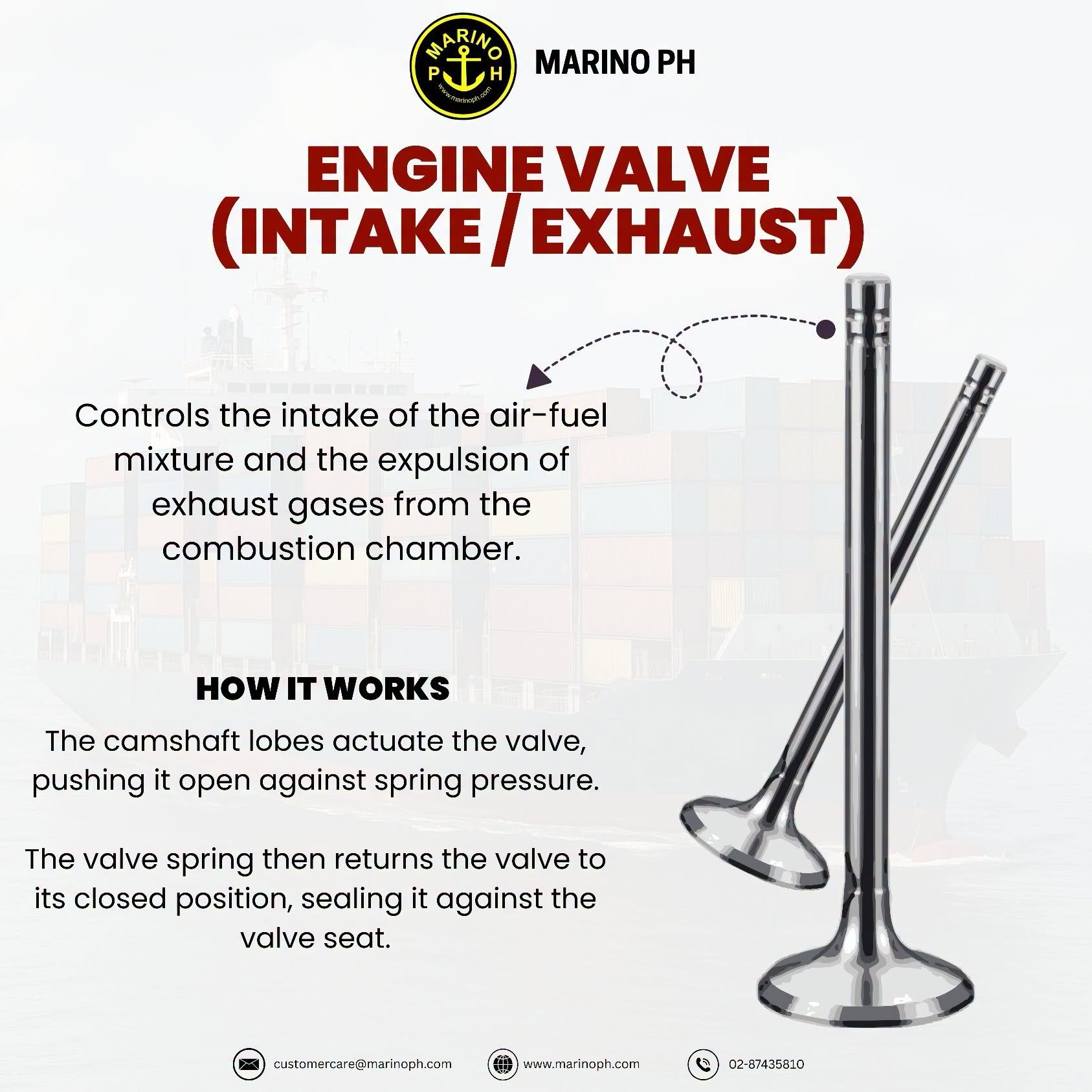
The engine valve is a critical component of an internal combustion engine, responsible for controlling the flow of gases into and out of the combustion chamber. The intake valve opens to allow the air-fuel mixture (or fresh air in diesel engines) to enter the cylinder, while the exhaust valve opens to release the burned gases after combustion. By opening and closing at precisely timed intervals, these valves ensure efficient engine breathing, proper combustion, and optimal engine performance.