MARINO PH
Your Maritime Digital Hub

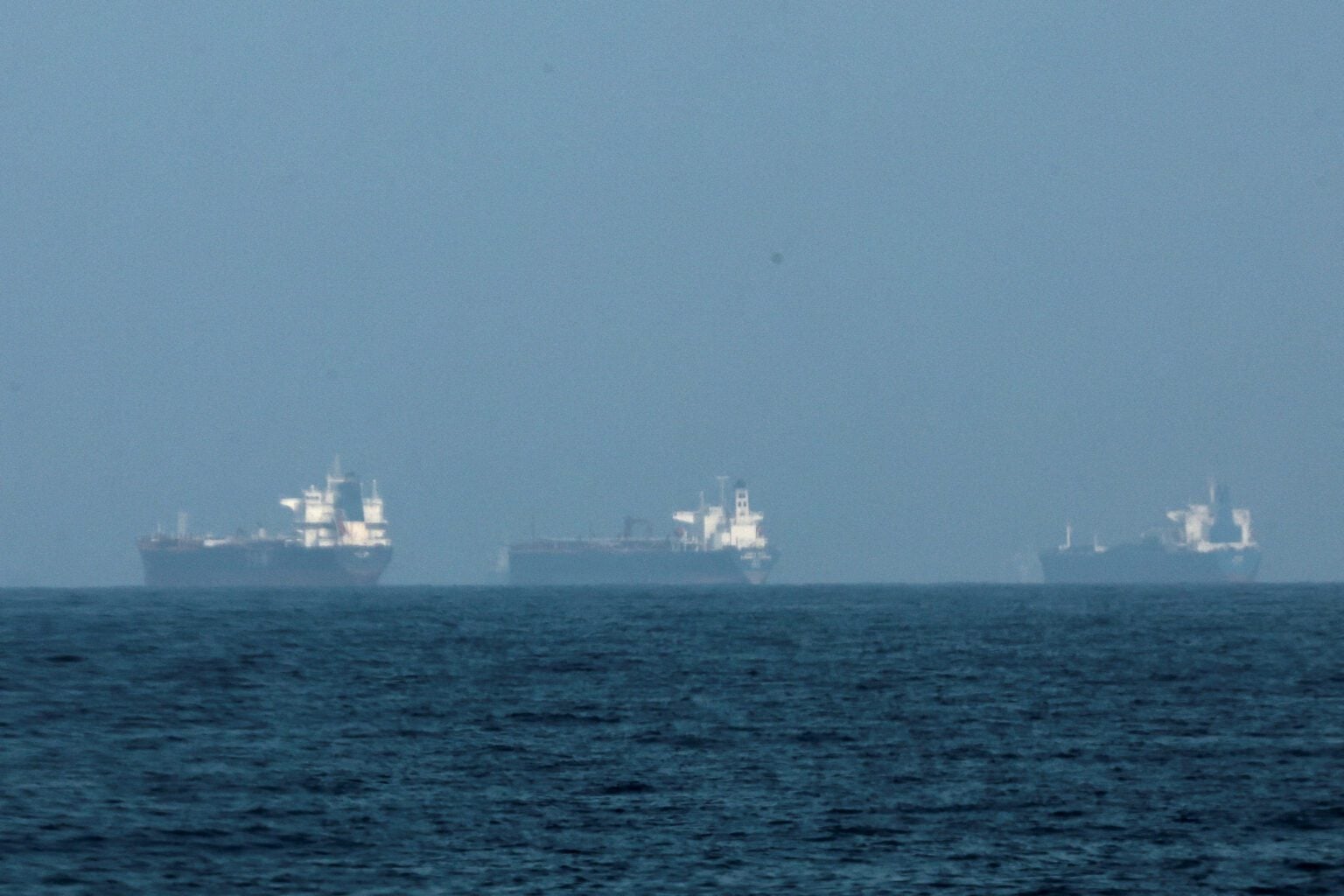
An oil tanker carrying Iraqi crude has successfully passed through the Strait of Hormuz, signaling a limited but notable movement in one of the world’s most sensitive shipping routes. The transit comes amid ongoing restrictions imposed by Iran following the escalation of tensions in the Middle East. The vessel reportedly sailed close to the Iranian coastline, taking a cautious route as it navigated through the heavily monitored waterway. This development follows Iran’s earlier announcement that Iraqi-linked shipments would be allowed to pass, while most other vessels remain subject to strict control.
The tanker is believed to be linked to a Malaysian energy company and is among a small number of vessels granted clearance to cross the strait under specific arrangements. Reports indicate that several Malaysia-connected ships have received similar approval after diplomatic coordination. This suggests that access to the Strait of Hormuz is currently being managed on a case-by-case basis, depending on the vessel’s cargo, ownership, and political alignment. The selective passage highlights the evolving situation in the region, where traditional commercial shipping operations are being replaced by controlled and restricted movements.
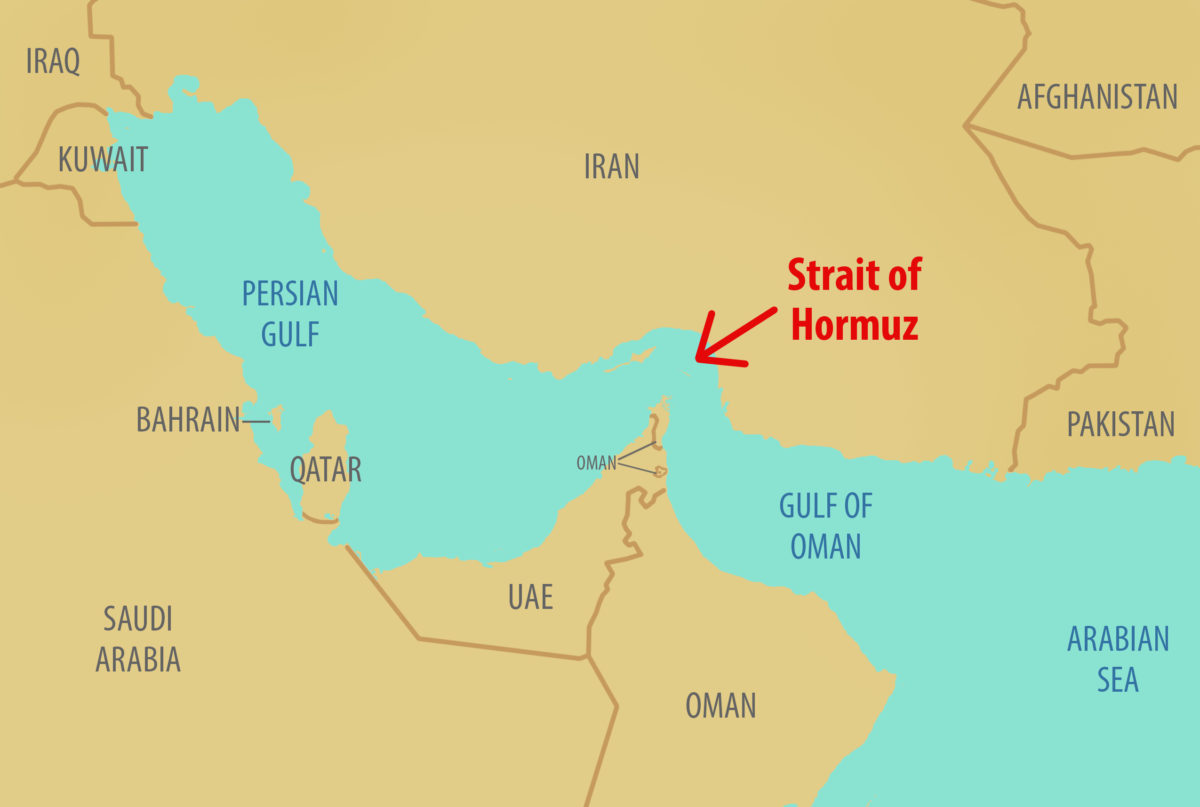
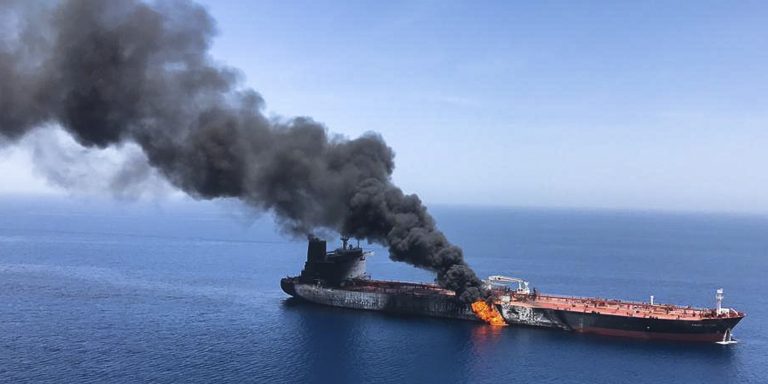
Despite this successful transit, the situation in the Strait of Hormuz remains uncertain and tense. Iran continues to maintain a strong presence in the area, enforcing its policy of allowing only approved vessels to pass. Shipping companies are still facing major risks, including potential attacks, sea mines, and unclear operational guidelines. Many operators have chosen to avoid the route altogether, leading to disruptions in global oil and cargo flows. The lack of clear and consistent rules has added to the difficulty of planning voyages through the region.

Advertisement
The movement of Iraqi crude through the strait also raises questions about how exemptions are being implemented in practice. While Iraq has been identified as an allowed party, it remains unclear whether all Iraqi-linked shipments qualify or only those under specific agreements. There is also limited transparency on how vessels are being inspected, verified, or granted safe passage. This uncertainty continues to create challenges for shipowners, charterers, and crew members operating in or near the high-risk area.
The recent transit reflects the current reality in the Strait of Hormuz, where access is no longer open to all but is instead tightly controlled and influenced by geopolitical developments. While some vessels are able to pass under special arrangements, the broader shipping industry remains on alert as the situation continues to evolve, with safety and security concerns still at the forefront of operations in the region.
