
MARINO PH
Your Maritime Digital Hub


PHOTO COURTESY: ATALANTA Assets
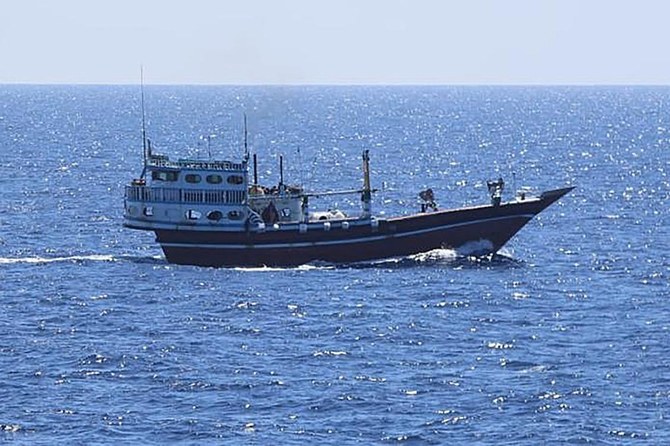
Suspected Somali pirates have abandoned a hijacked Iranian-flagged dhow after being closely monitored and pressured by European naval forces for nearly a week, raising fresh concerns over piracy threats in the region.
The fishing vessel, identified as Alwaseemi 786, was reportedly seized on March 24 while sailing about 400 nautical miles east of Mogadishu. Authorities said the dhow was likely intended to be used as a “mothership” to launch attacks on larger commercial vessels operating in nearby waters.
Following the hijacking, the EUNAVFOR Operation Atalanta deployed warships and surveillance assets to track the vessel. Naval forces repositioned units and used aerial monitoring to gather information about the situation onboard, maintaining a constant presence near the dhow.
Indian Navy/AFP
Over the next several days, the naval operation kept close watch as the vessel moved across the Indian Ocean, heading toward the Somali coast. Shipping in the area was warned to stay at least 200 nautical miles away and to heighten security measures due to the risk of potential attacks.
Reports indicate that the sustained presence of naval forces placed pressure on the pirate group, eventually leading them to abandon the vessel. The dhow was left behind before it could be used in further piracy operations.
Despite the development, maritime security authorities continue to warn that the threat remains active. The use of hijacked small vessels as motherships allows pirate groups to extend their reach far into international waters, increasing the risk for passing ships.
