MARINO PH
Your Maritime Digital Hub

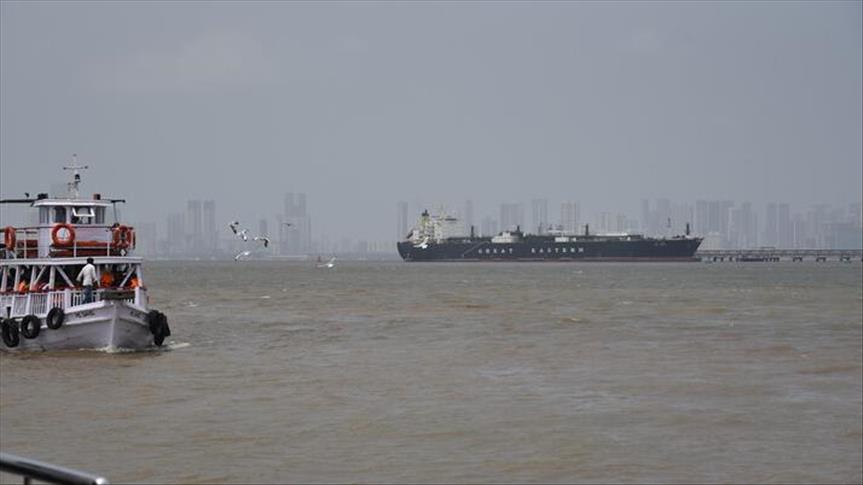
Oil tanker movements in the Strait of Hormuz were suspended after Israeli attacks on Lebanon, raising new tensions in the region and affecting maritime traffic.
Reports said Iran halted tanker activity following the strikes, linking the situation to what it considers violations connected to the ongoing conflict.
The suspension came despite earlier announcements of a temporary ceasefire. Hours after the ceasefire was declared, developments on the ground changed quickly, with Iran taking control of vessel movements and tightening restrictions in the area.

ADVERTISEMENT
Shipping in the Strait of Hormuz remains unstable. Analysts say only a few vessels are moving, as shipowners continue to assess risks due to security threats and lack of clear safe passage.
Iran has insisted that ships must coordinate and secure approval before transiting the strait. Any unauthorized passage may face warnings or possible action, increasing concern among crews and shipping companies.
The situation is further complicated by the ongoing military actions in Lebanon, which Iran claims are connected to the ceasefire terms. However, other parties have stated that the Lebanon conflict is separate from the agreement, adding confusion to the situation.

PHOTO: AFP PIC
Due to these developments, many tankers remain on standby or anchored outside the strait, waiting for clearer instructions and safer conditions before proceeding. Shipping companies continue to monitor updates and rely on risk assessments before allowing vessels to transit.
