MARINO PH
Your Maritime Digital Hub

US SOUTHERN COMMAND / Reuters
U.S. Reports Early Gains in Iran Shipping Blockade as Regional Tensions Escalate
The United States has reported initial success within the first 24 hours of enforcing a maritime blockade aimed at restricting Iranian shipping activity. According to U.S. Central Command, no vessels were able to pass through the restricted zones during the opening phase of operations, signaling strong early compliance from commercial shipping.
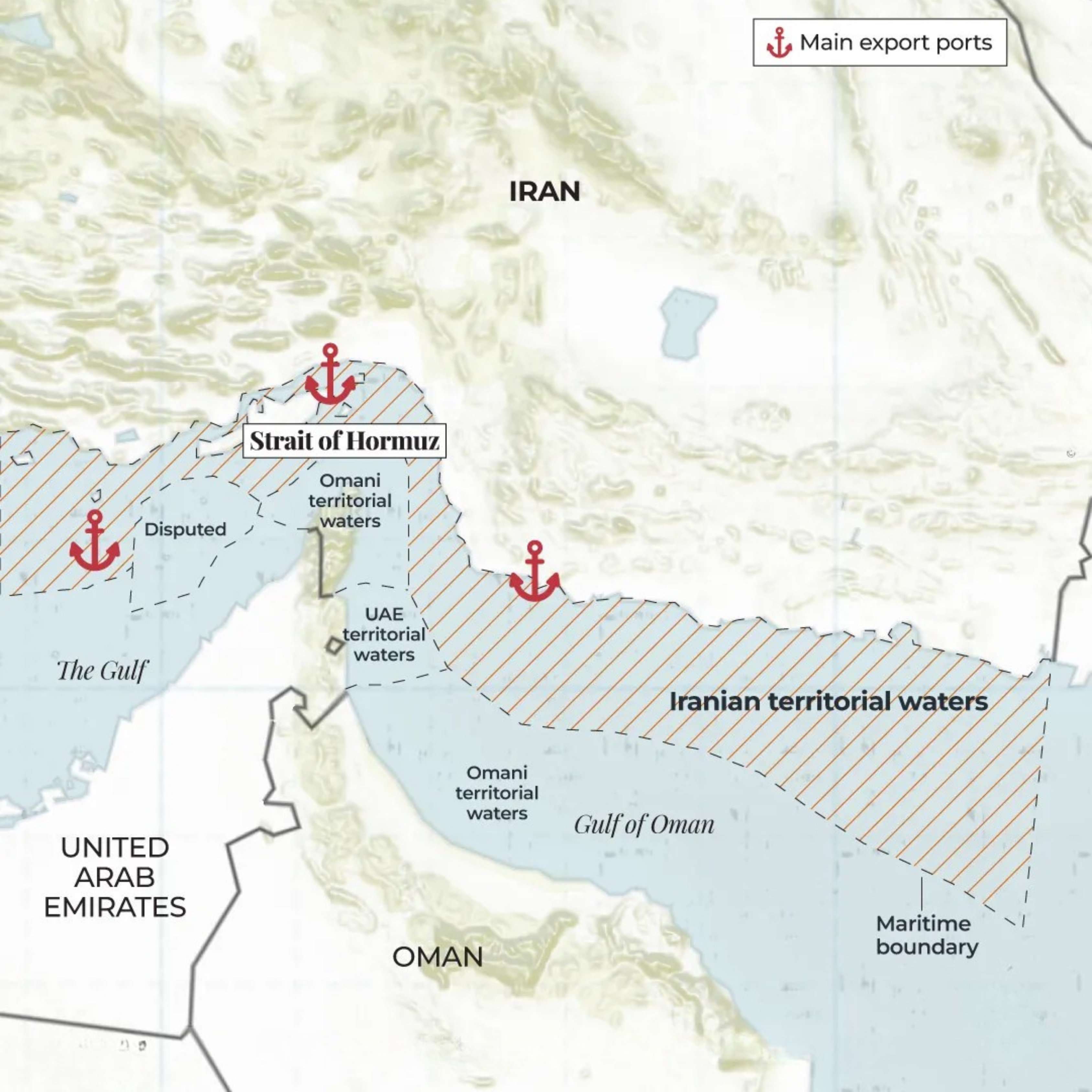
At least six merchant ships were instructed to turn back after nearing the controlled areas, indicating that ship operators are exercising caution amid the heightened military presence. The operation involves over 10,000 U.S. personnel, alongside a significant deployment of naval assets and aircraft positioned across key maritime corridors, including the Strait of Hormuz and the Gulf of Oman. These areas are vital for global oil transportation, making the blockade strategically significant.
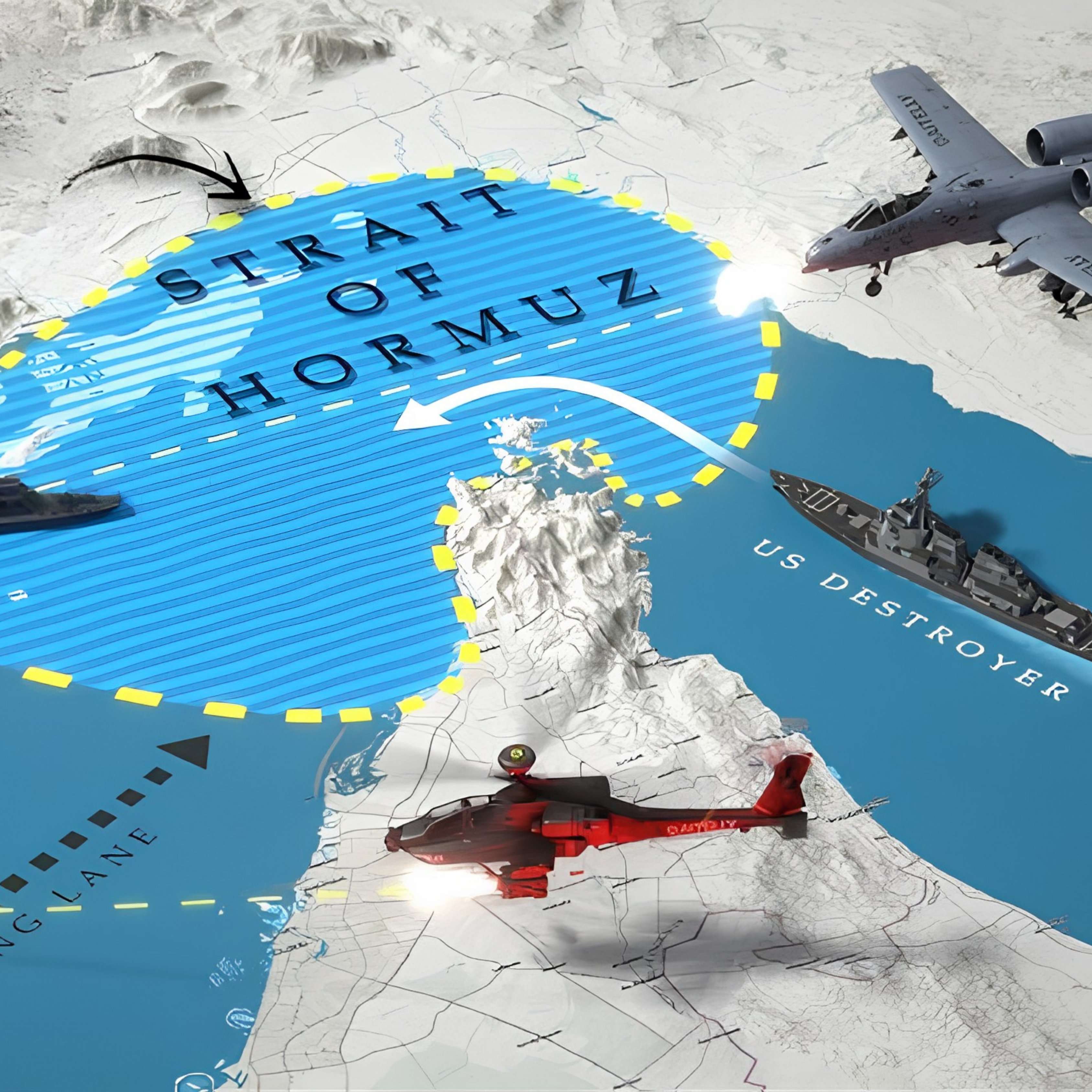
Photo courtesy to: AITELLY
The objective of the operation is to disrupt Iran’s maritime trade, particularly its oil exports, following stalled diplomatic negotiations. However, the situation remains highly volatile. Reports indicate that several Iran-linked tankers attempted to navigate the area shortly after the blockade was initiated. Many of these vessels slowed down, anchored, or reversed course before entering enforcement zones, reflecting uncertainty among ship operators.
Despite U.S. claims of operational control, there are early signs of challenges. Some reports suggest that a limited number of vessels associated with Iran managed to transit the strait under constrained conditions, raising concerns about the blockade’s long-term enforceability.
