MARINO PH
Your Maritime Digital Hub

Photo Credit: Pole Star Global
What the Strait of Hormuz Blockade Means for Seafarers and Global Shipping
The ongoing blockade in the Strait of Hormuz is creating serious concern across the maritime industry. A blockade means that military forces are used to control or stop ships from passing through a specific area. In this situation, the United States is restricting vessel movement linked to Iran, especially those entering or leaving Iranian ports. Ships may be stopped, inspected, or ordered to turn back.

ADVERTISEMENT
For seafarers onboard, this situation directly affects operations at sea. Vessels approaching the area may be instructed to slow down, hold position, or divert to another route. Some ships are forced to anchor while waiting for clearance. Communication through VHF radio becomes critical, as updates from naval forces can change a vessel’s course at any time.
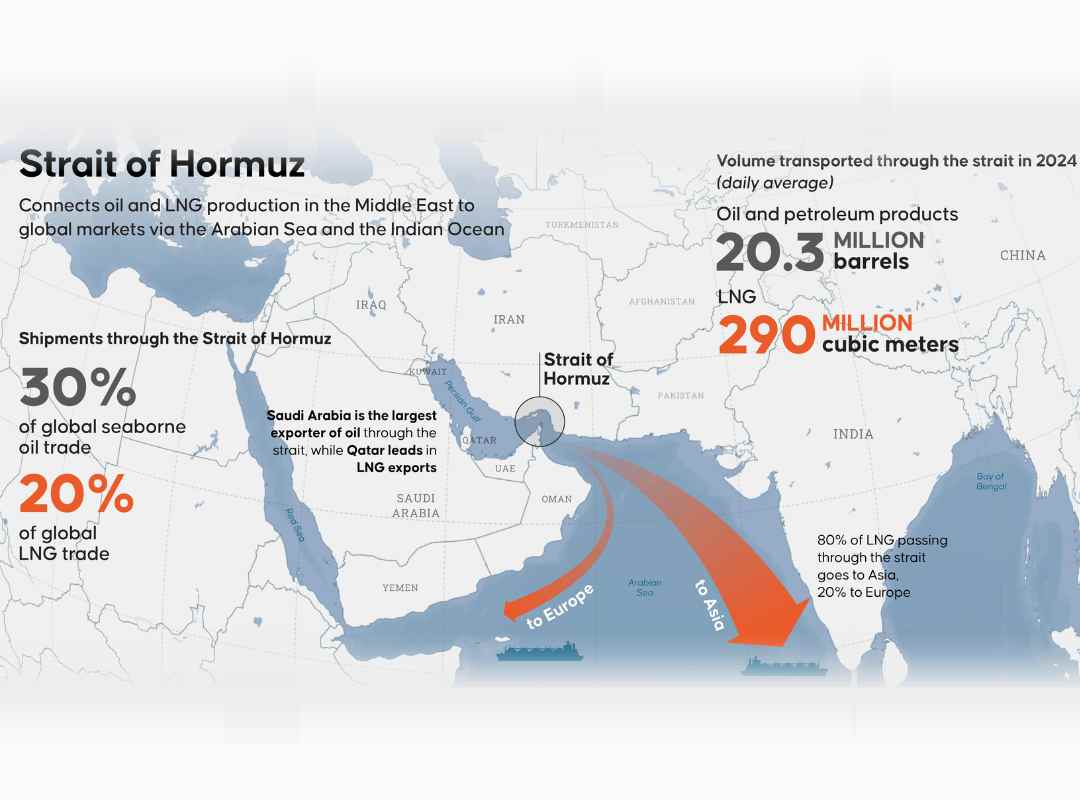
Photo Credit: US Energy Information Administration
The Strait of Hormuz is one of the most important shipping routes in the world, with around 20% of global oil passing through it. Because of this, any restriction causes immediate impact on global trade. Tankers and cargo vessels may experience delays, rerouting, and increased costs, affecting delivery schedules and supply chains.

ADVERTISEMENT
Safety risks are also higher in this situation. The presence of military ships and ongoing tensions increase the chance of incidents or miscommunication at sea. Crews operating near the area may face stress and uncertainty, especially those waiting in high-risk zones or near anchorage areas.
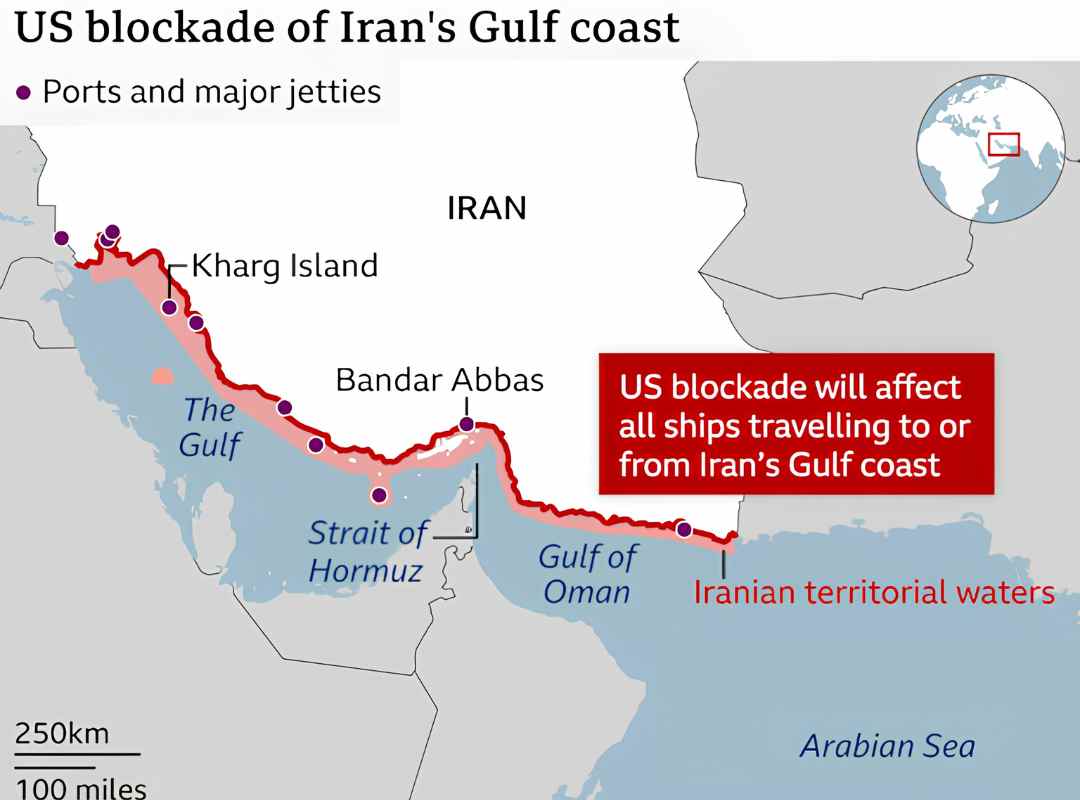
Photo Credit: Marineregions.org
Financially, the blockade leads to higher insurance costs and operational expenses. Some shipowners may avoid the route, resulting in longer voyages and increased fuel consumption. For seafarers, the situation highlights the importance of following safety procedures, staying alert, and maintaining clear communication while operating in high-risk areas.
