
MARINO PH
Your Maritime Digital Hub

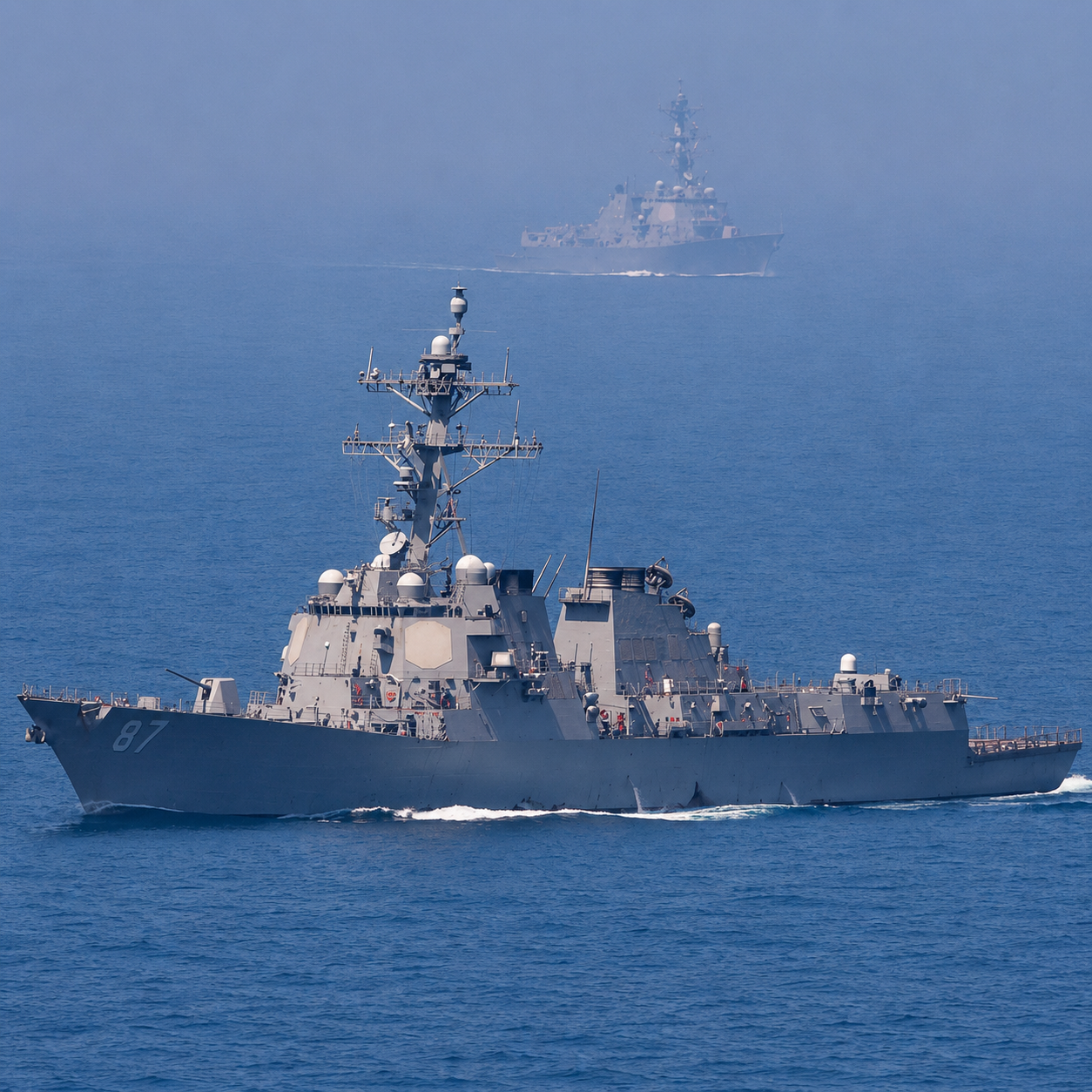
The United States launched a new series of airstrikes on Iran’s Bandar Abbas port and Qeshm Island despite an ongoing ceasefire agreement between the two countries, raising fresh concerns over tensions in the Middle East. According to U.S. military officials, the strikes were ordered after Iranian forces allegedly attempted to attack American Navy destroyers operating near the Strait of Hormuz using missiles, armed drones, and fast attack boats.
The Pentagon stated that the operation was conducted as a defensive response to what it described as a direct threat against U.S. naval forces in the region. American officials claimed that no U.S. ships were damaged and that all incoming threats were intercepted before reaching their targets. They also emphasized that the strikes were “limited and precise†and were not intended to trigger a wider military conflict.

ADVERTISEMENT
The airstrikes reportedly targeted facilities believed to be connected to Iranian military and naval operations. Explosions were reported in Bandar Abbas, one of Iran’s most important port cities, as well as on Qeshm Island, a strategic location near the Strait of Hormuz. Iranian state media confirmed the attacks and accused the United States of violating the ceasefire agreement that had temporarily reduced hostilities between the two nations.
Iranian officials claimed that several civilian and commercial areas near the targeted sites were also affected by the strikes. Tehran strongly condemned the attacks and warned that Iran may take retaliatory action if further military operations continue. The renewed confrontation has increased fears of instability in the Gulf region, particularly around the Strait of Hormuz, a critical global shipping route where a significant portion of the world’s oil supply passes daily. International observers are now closely monitoring the situation as tensions between Washington and Tehran once again threaten regional security and maritime trade stability.
