MARINO PH
Your Maritime Digital Hub

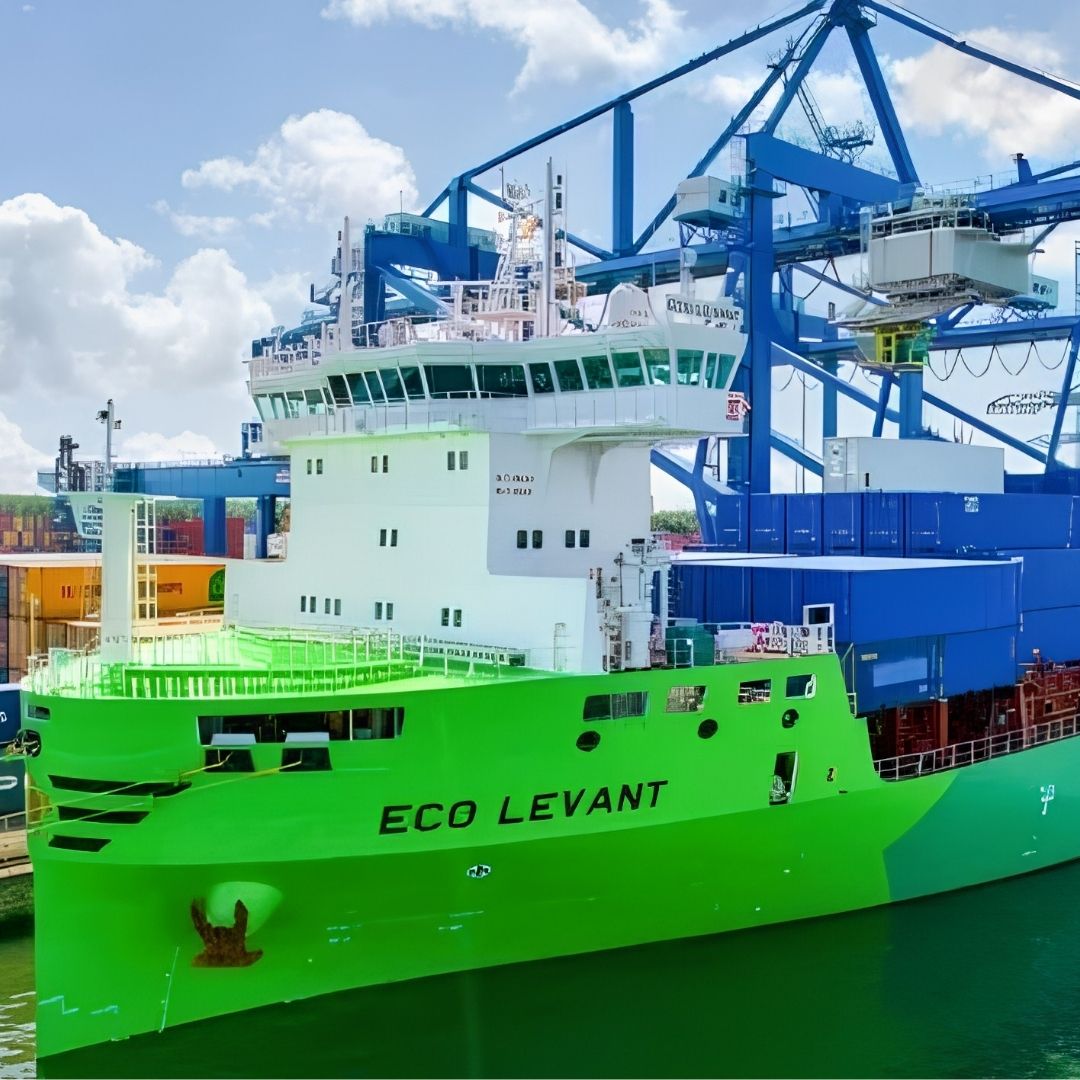
Photo Credit: X-Press Feeders/METHANAVE
First Ethanol-Methanol Bunkering Operation Successfully Completed in Rotterdam
The Port of Rotterdam has successfully completed its first ethanol-methanol bunkering operation for a seagoing vessel, marking another step in the shipping industry’s search for cleaner and more sustainable fuel options.
The operation involved the container vessel Eco Levant, which is operated by Singapore-based shipping company X-Press Feeders. The project was carried out in partnership with alternative fuel consultancy firm METHANAVE and other industry partners. According to reports, the vessel was supplied with a blended marine fuel consisting of 90 percent biomethanol and 10 percent second-generation ethanol.

ADVERTISEMENT
The bunkering took place under controlled conditions at the Port of Rotterdam, one of the world’s largest bunker hubs. While methanol bunkering has already become more common in recent years, this operation marked the first time in Rotterdam that ethanol was supplied to a seagoing vessel as part of a marine fuel blend.
Reports stated that the ethanol and methanol were delivered separately by a bunker vessel before being blended onboard the receiving ship. The process was completed safely, allowing stakeholders to assess how blended alcohol-based fuels can be handled and used during normal shipping operations.
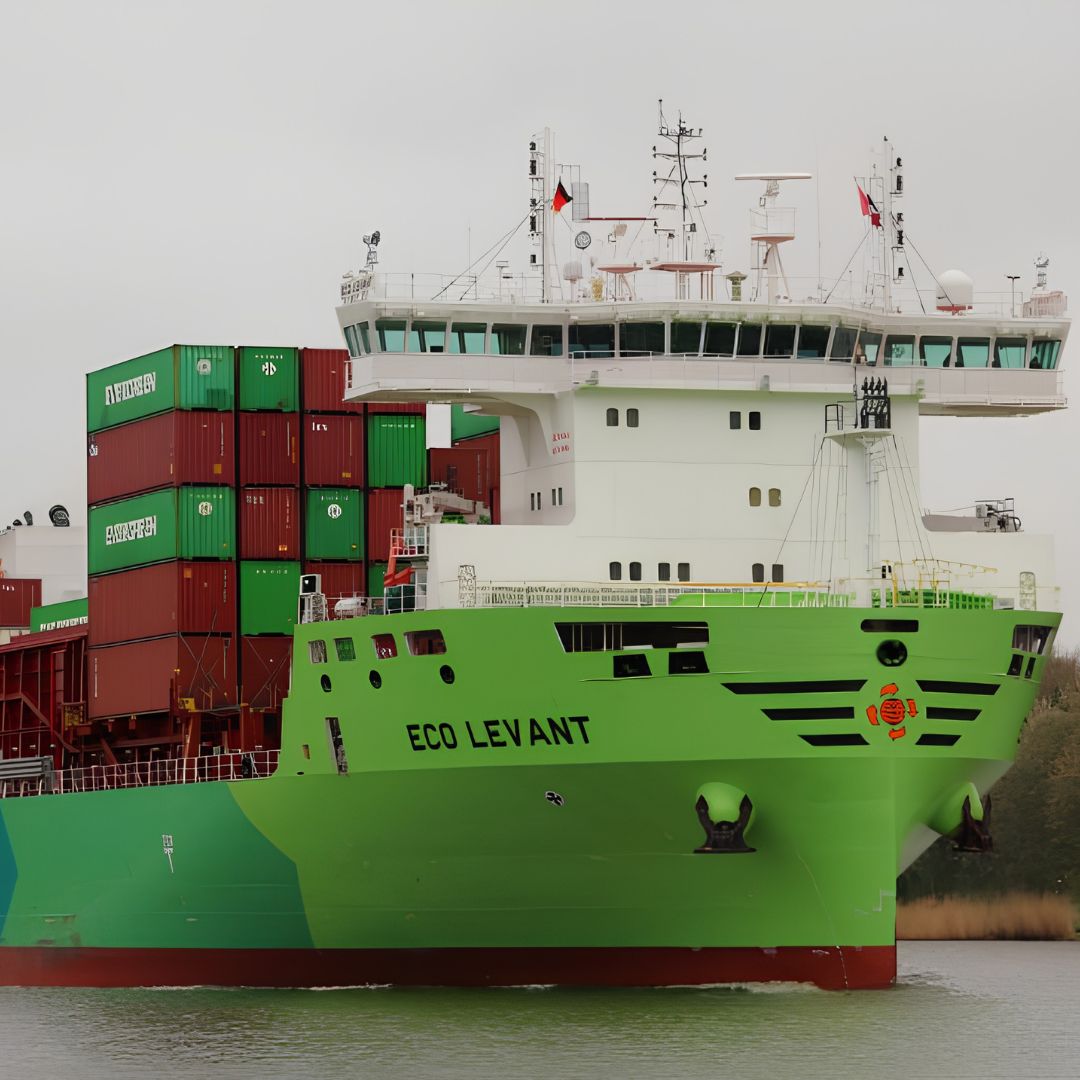
Photo Credit: Vessel Finder
The Eco Levant, built in 2024, is a dual-fuel container vessel designed to operate on green methanol. The vessel was selected for the trial as part of ongoing efforts to explore practical fuel alternatives that may help reduce greenhouse gas emissions in the maritime sector.
Industry stakeholders continue to study different low-emission fuel options as global shipping works toward long-term environmental goals. Ethanol has gained attention due to its potential to lower emissions when compared with conventional marine fuels. Supporters of the project believe that trials such as this can provide valuable operational experience and help improve future fuel flexibility for vessels.
