MARINO PH
Your Maritime Digital Hub

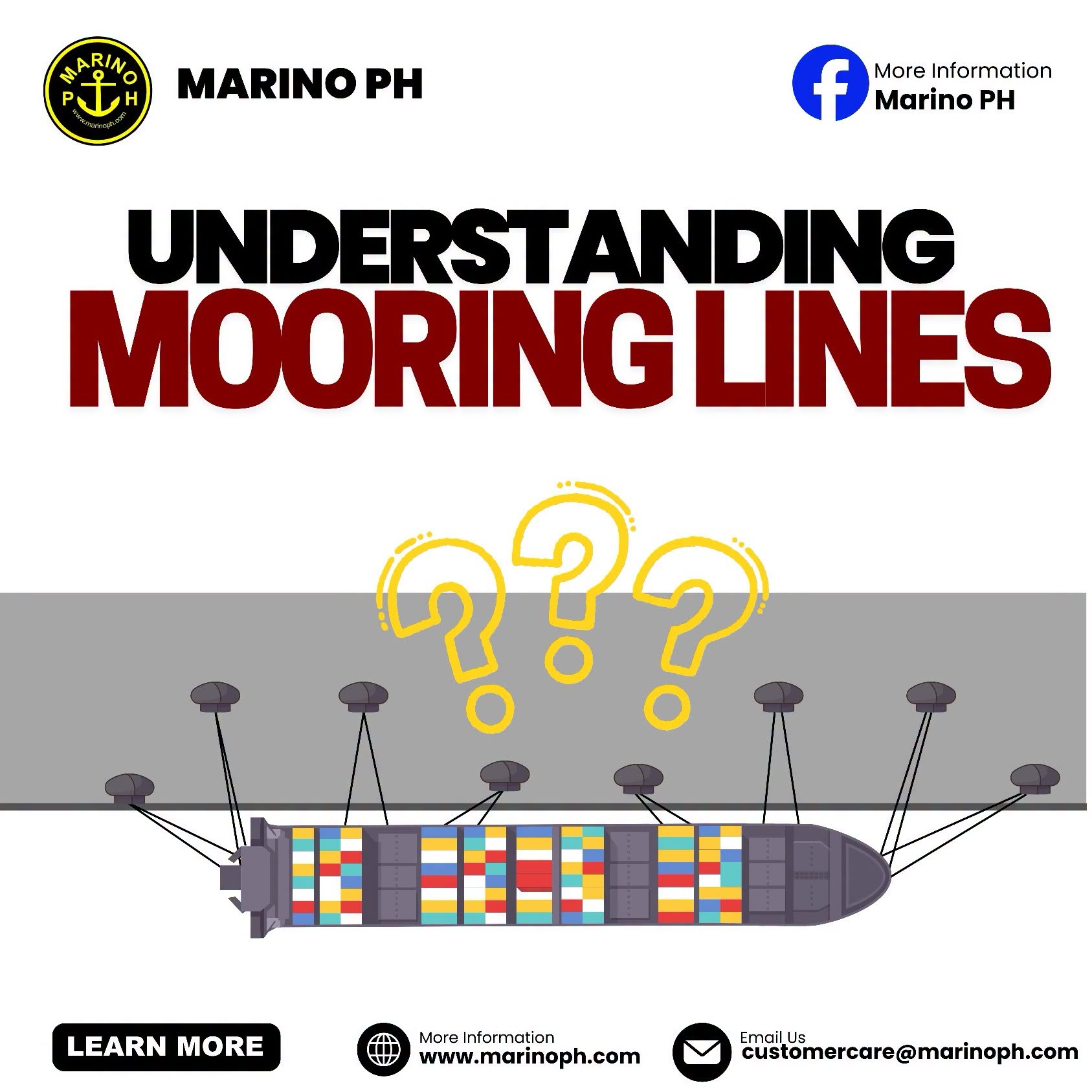
Mooring lines are essential ropes or wires used to secure a vessel safely alongside a berth, pier, buoy, or offshore terminal. They keep the ship in position during cargo operations, bunkering, passenger transfers, and maintenance while preventing unwanted movement caused by wind, waves, currents, and tidal changes. A proper mooring arrangement protects the vessel, port facilities, cargo, and the safety of everyone on board and ashore.
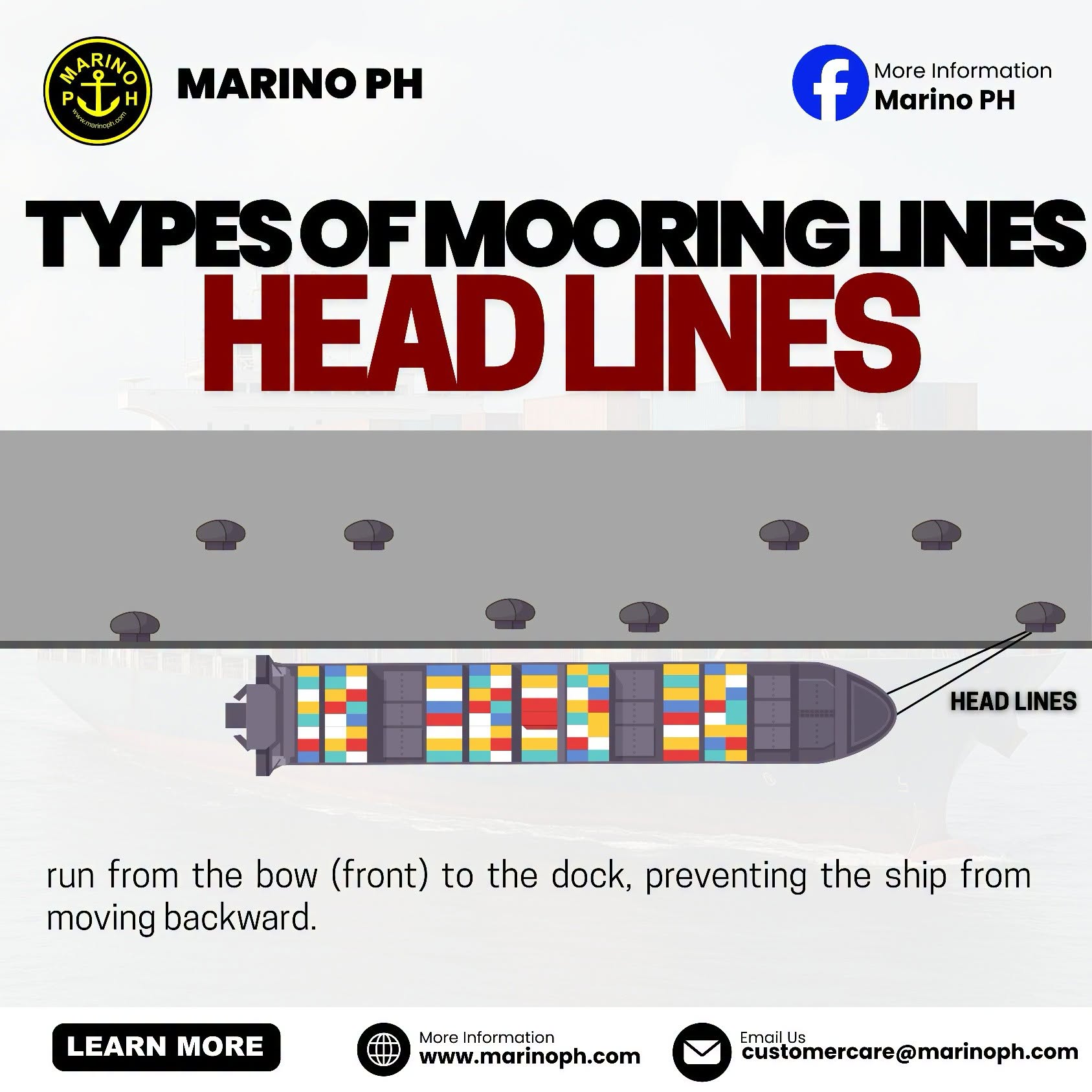
Head Lines are mooring lines that run from the bow (forward) of the vessel to the dock. Their primary purpose is to prevent the ship from moving astern or backward while alongside. Head lines help maintain the vessel's forward position and work together with the other mooring lines to keep the ship securely berthed despite changing weather and sea conditions.
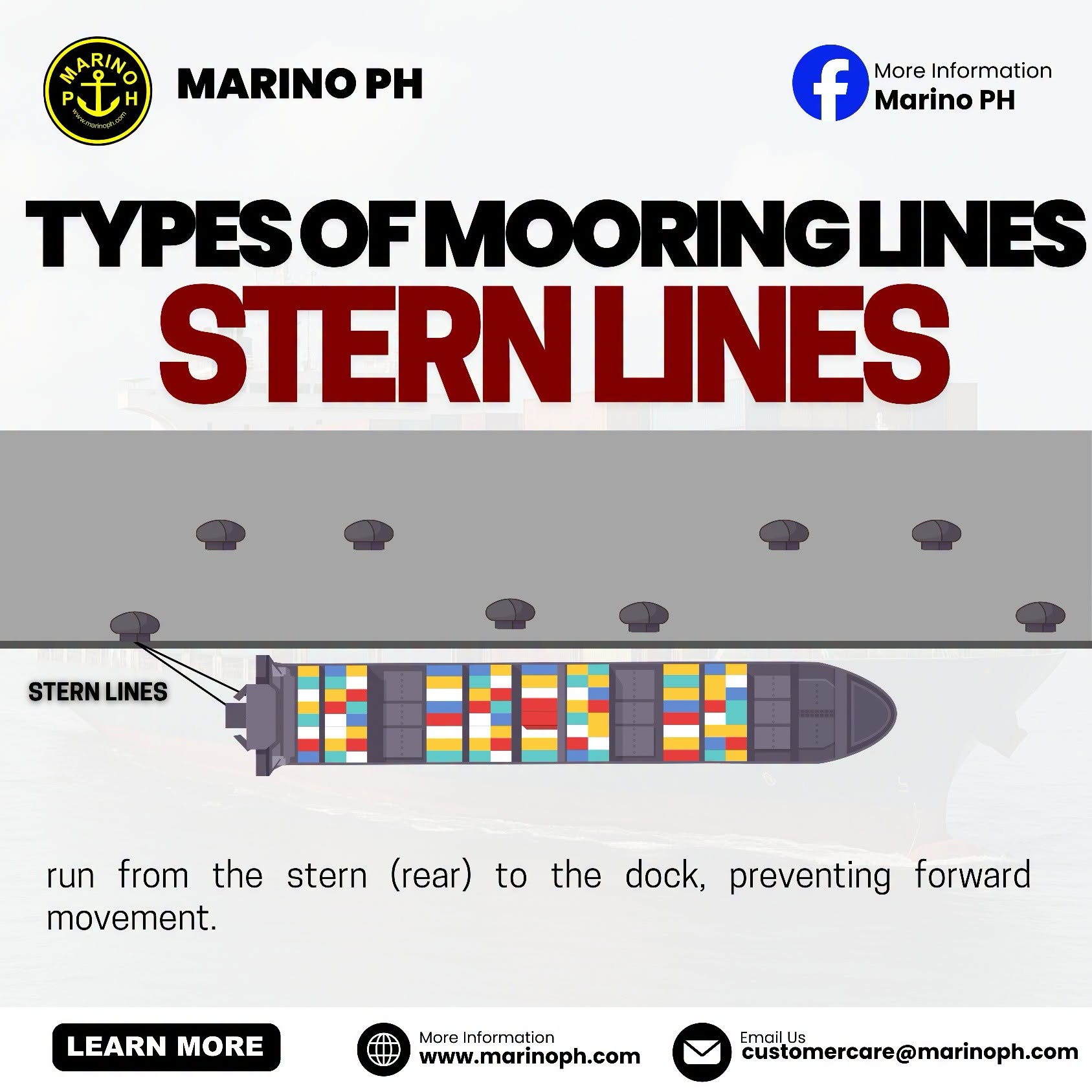
Stern Lines run from the stern (aft) of the vessel to the dock. Their main function is to prevent the ship from moving ahead or forward while moored. By holding the stern firmly in place, stern lines help maintain the vessel's correct position at the berth and contribute to the overall stability of the mooring arrangement.
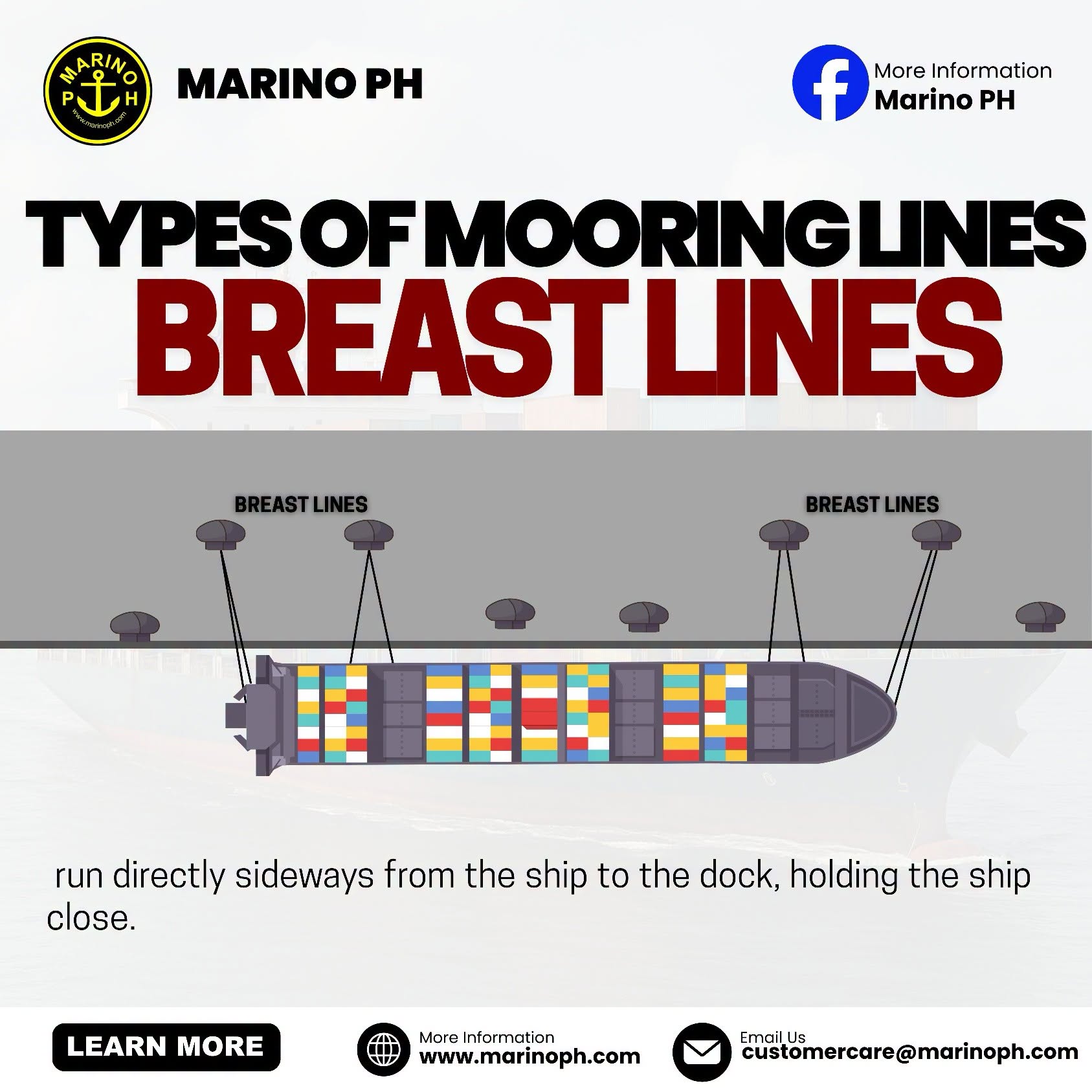
Breast Lines are led almost perpendicular from the ship directly to the dock. They are designed to prevent the vessel from moving sideways, keeping it close alongside the berth. Breast lines are particularly effective in resisting forces created by wind, currents, and tidal changes that may push the vessel away from or toward the quay.
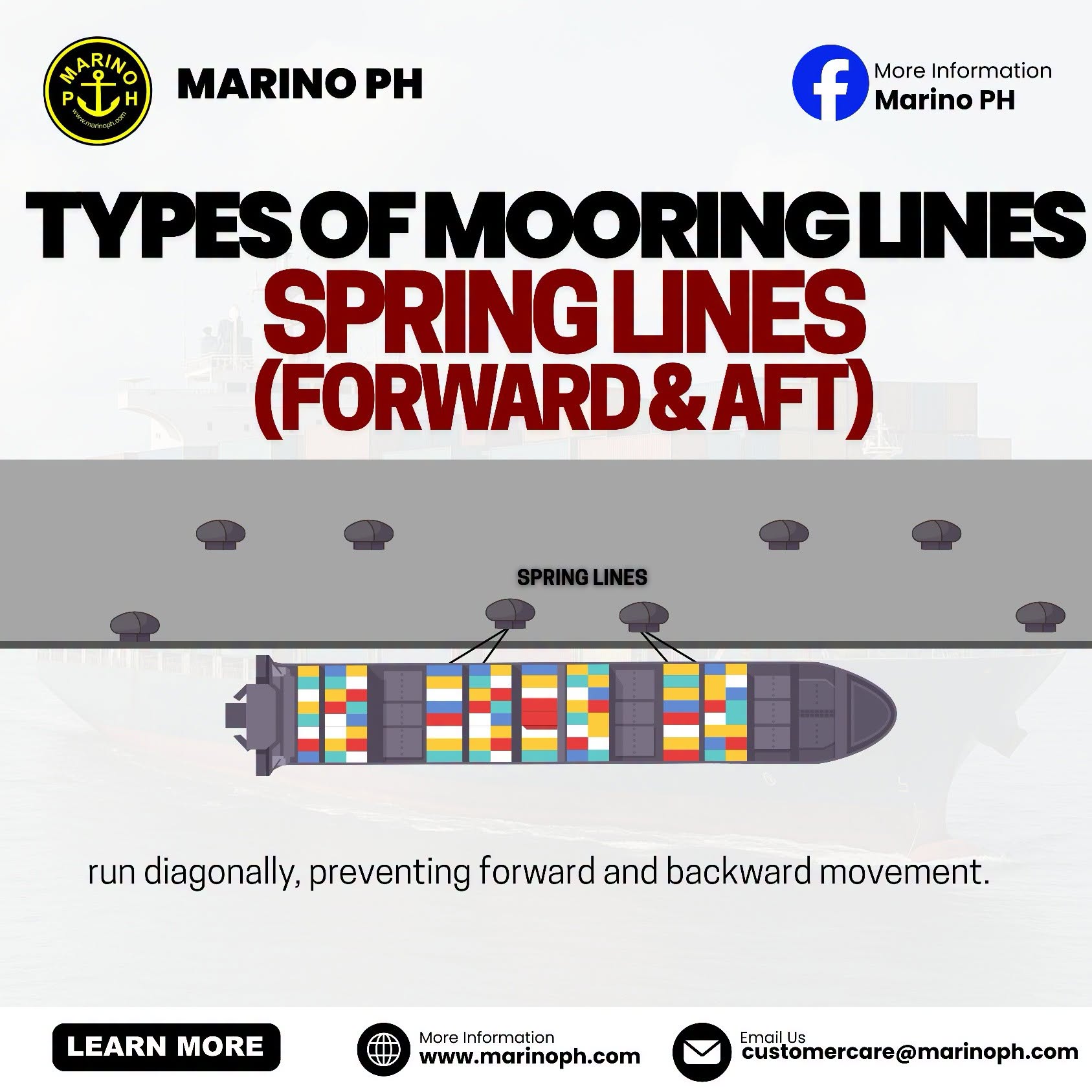
Spring Lines are arranged diagonally between the ship and the dock and are divided into forward and aft spring lines. Their primary role is to prevent both forward and backward movement by absorbing longitudinal forces acting on the vessel. Spring lines are especially important during cargo operations, tidal changes, and when surge from passing vessels places additional strain on the mooring arrangement. Together with the other mooring lines, they ensure the ship remains secure and stable throughout its stay alongside.
