MARINO PH
Your Maritime Digital Hub

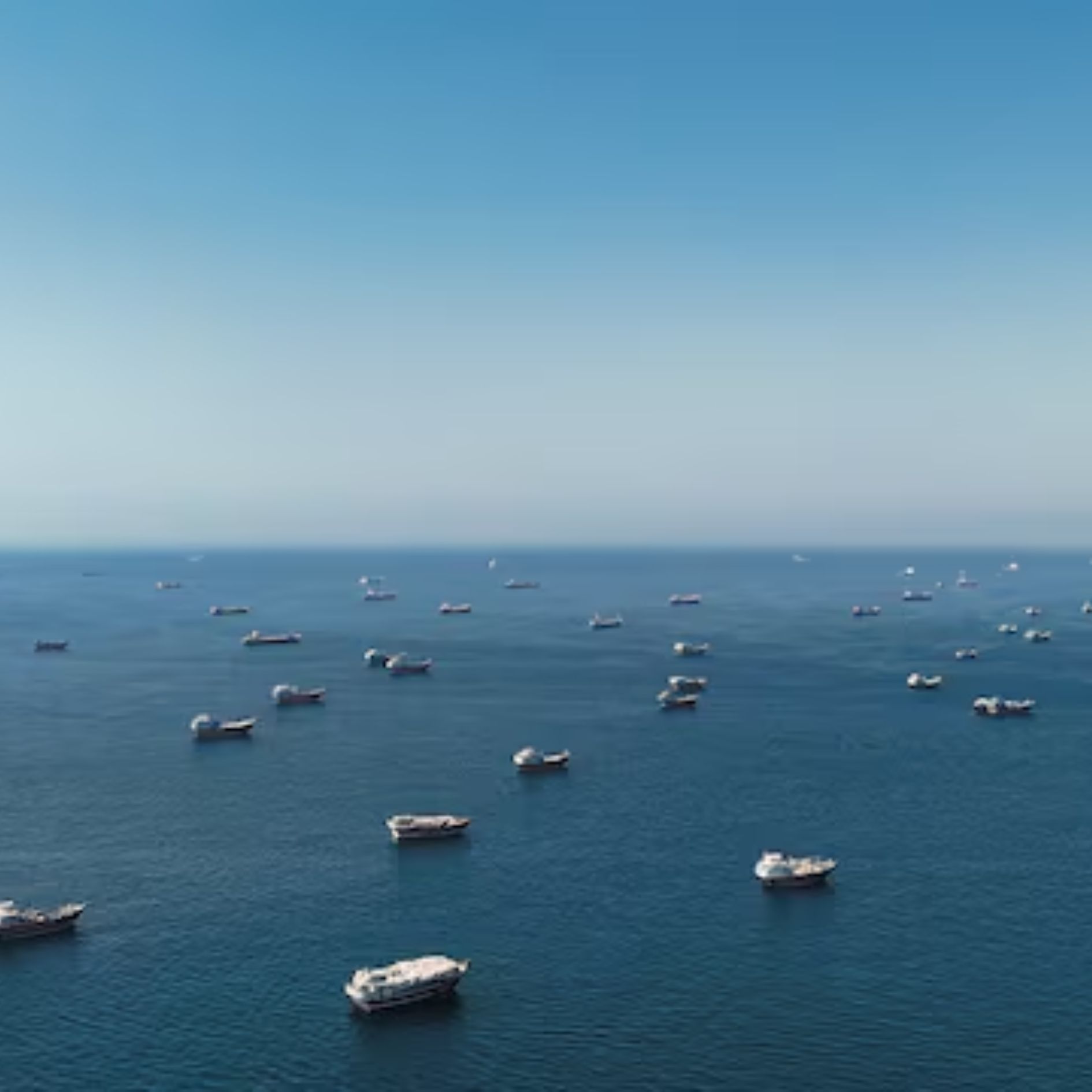
Hundreds of vessels and thousands of seafarers remain stranded in and around the Strait of Hormuz as restrictions on maritime traffic continue despite recent efforts to reduce tensions in the region. The situation is creating additional challenges for the global shipping industry, particularly for tanker operators and cargo owners.
Many shipping companies have kept vessels outside the area or delayed voyages due to ongoing security concerns. Several ships carrying oil and other cargoes remain unable to continue their planned routes, leading to longer transit times, scheduling disruptions, and increased operating costs.

ADVERTISEMENT
The Strait of Hormuz is one of the world's most important shipping routes, handling a significant portion of global oil and energy trade. Reduced vessel movement through the waterway has affected shipping schedules and placed additional pressure on supply chains.
Industry observers note that uncertainty over safe passage remains a major concern. Higher insurance costs, security risks, and operational delays have made many shipowners cautious about sending vessels into the area. Some operators have also adjusted routes or postponed voyages while monitoring developments.
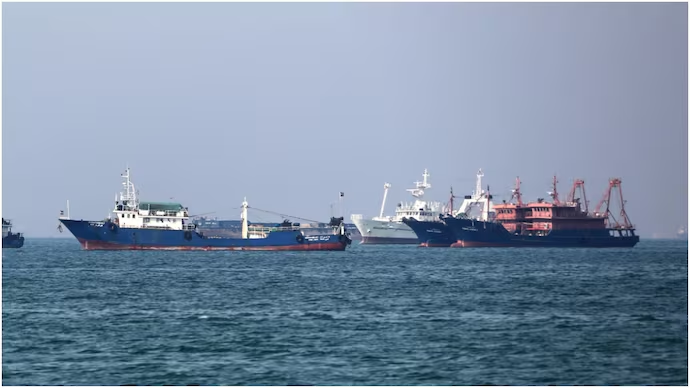
Photo: AFP
The continued disruption is affecting not only shipping companies but also seafarers onboard vessels waiting in the region. Thousands of crew members remain at sea as operators await clearer conditions before resuming normal operations.
While some vessel movements have resumed, maritime traffic through the Strait of Hormuz remains well below normal levels. Industry stakeholders continue to monitor the situation closely as they assess its impact on global trade and shipping operations.
