MARINO PH
Your Maritime Digital Hub

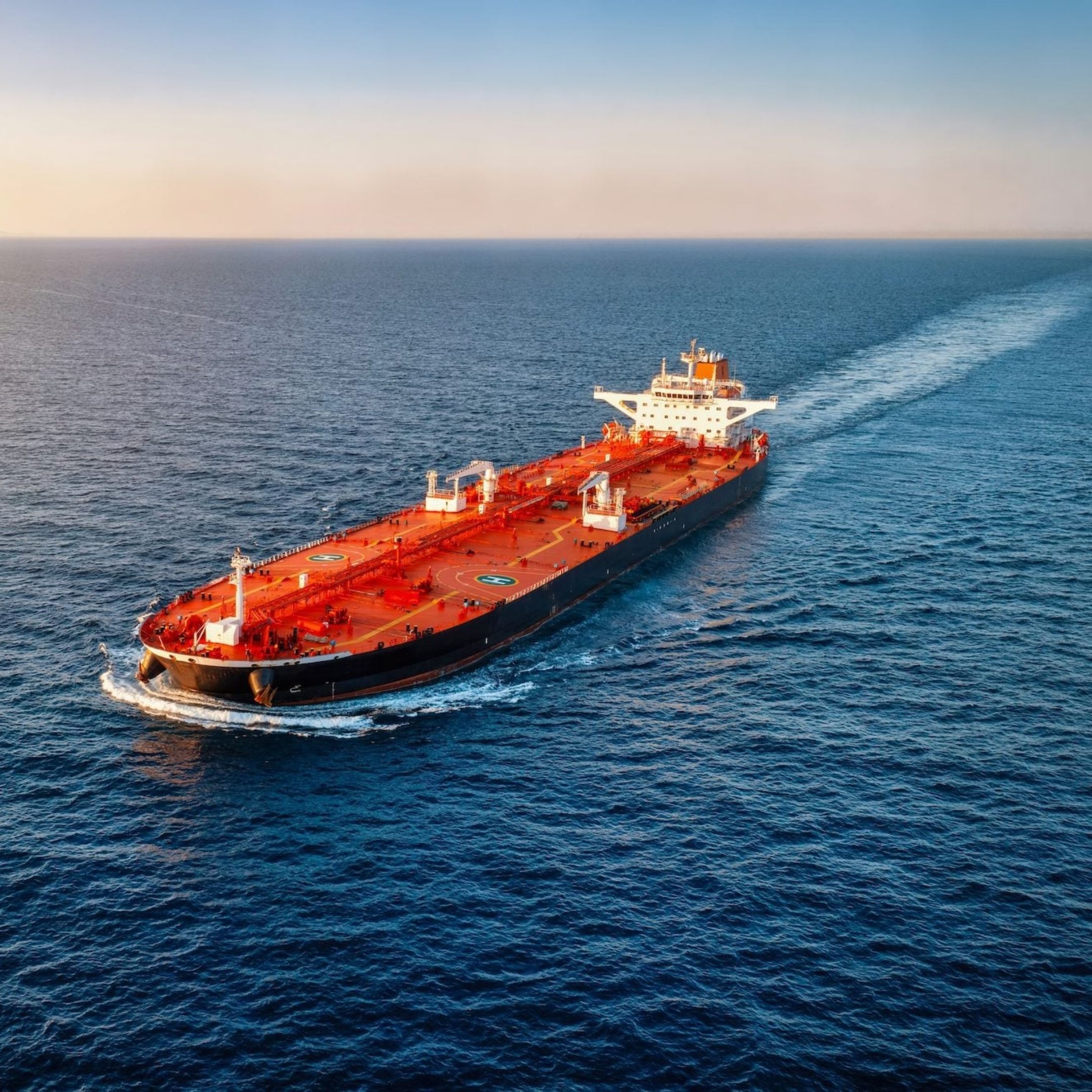
PHOTO COURTESY: REUTERS
A surge in demand for underwater hull-cleaning services has emerged in the Persian Gulf as hundreds of vessels stranded for months due to the Strait of Hormuz crisis prepare for possible departure. Maritime industry sources reported that specialized diving teams are receiving a significant increase in requests to remove barnacles, algae, and other marine growth that accumulated on ships while they remained at anchor.
The increase in activity follows recent developments toward a potential reopening of the Strait of Hormuz, a key global shipping route that has been heavily disrupted by regional conflict. Industry estimates indicate that around 600 vessels have been affected by the prolonged restrictions, with many remaining idle in Gulf waters for more than three months.

ADVERTISEMENT
Marine growth on vessel hulls can reduce fuel efficiency, affect vessel performance, and create regulatory concerns when ships enter ports. As a result, shipowners and operators are seeking cleaning services before resuming voyages. Industry representatives noted that the sudden demand has placed pressure on available diving contractors and may lead to higher service costs in the coming weeks.
Experts explained that the extent of cleaning required varies from ship to ship, depending on how long the vessel remained stationary and the environmental conditions in the anchorage area. Some vessels may require only light cleaning, while others may need more extensive underwater maintenance before returning to normal operations.
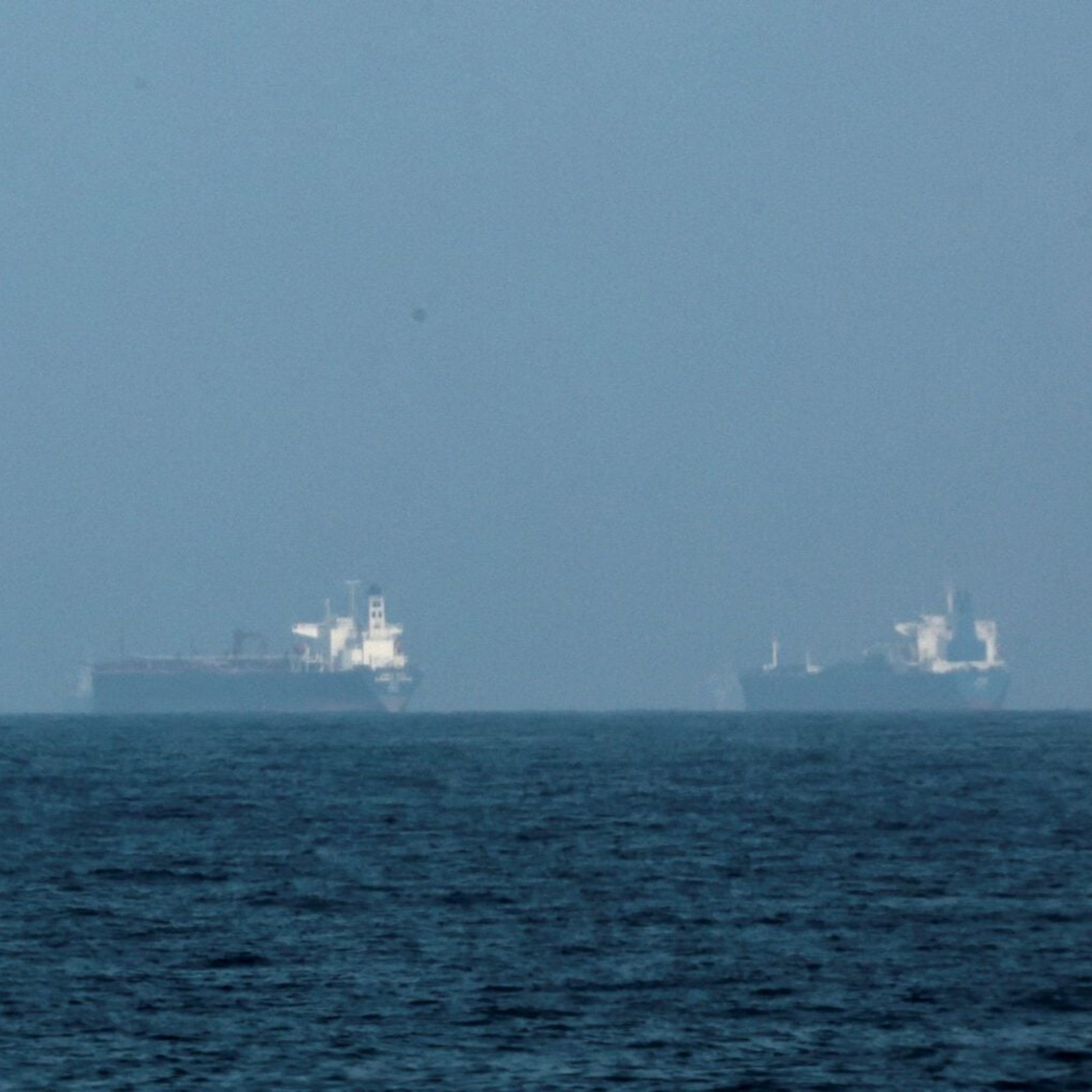
PHOTO COURTESY: REUTERS
The hull-cleaning rush highlights another challenge facing the maritime sector as it prepares for the gradual restoration of traffic through the Strait of Hormuz. Alongside maintenance requirements, shipowners continue to monitor security conditions, insurance arrangements, and navigation safety measures before vessels can fully resume commercial operations.
The Strait of Hormuz remains one of the world's most important maritime chokepoints, and the return of stranded vessels is expected to play a significant role in restoring regional shipping activity and global trade flows.
