MARINO PH
Your Maritime Digital Hub

ALJAZEERA
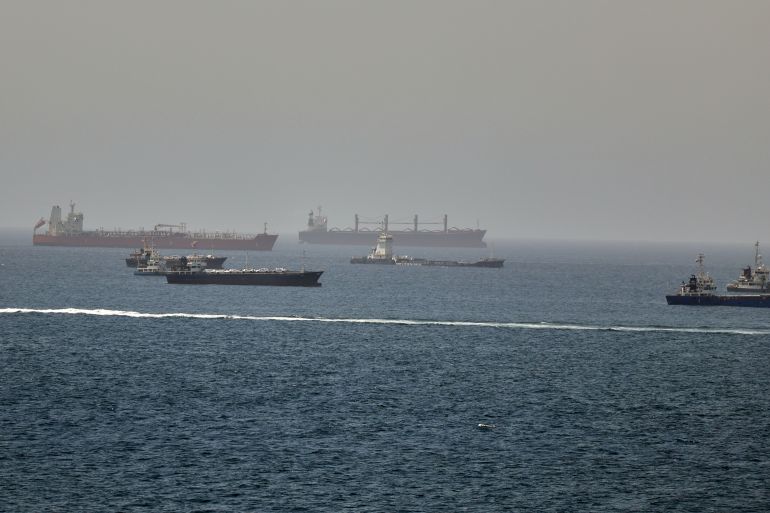
Iran’s crude export sector is beginning to show signs of renewed activity following diplomatic progress surrounding the reopening of the Strait of Hormuz, with several Iranian-linked tankers returning to visible operations after weeks of reduced maritime movement. Industry tracking data indicates that loaded crude carriers have resumed outbound voyages, signaling cautious optimism for the country’s energy trade outlook.
Recent vessel movements suggest that Iran is gradually restoring export flows after a prolonged period of disruption that sharply constrained shipments and reduced oil deliveries to multi-year lows. Market intelligence reports indicate that multiple tankers carrying substantial volumes of crude departed through regional routes and resumed broadcasting their positions, a move widely interpreted as an indication of improving operating conditions.
The renewed activity follows expectations that diplomatic arrangements tied to Hormuz could ease restrictions affecting tanker access and commercial navigation. Analysts note that the reappearance of larger crude carriers points to preparations for broader export recovery, particularly toward Asian markets that remain major destinations for Middle Eastern energy supplies.

ADVERTISMENT
Despite these developments, shipping companies and vessel operators continue to maintain a cautious stance. Industry participants emphasize that confidence will depend not only on political agreements but also on sustained operational safety, route security, and confirmation that navigation conditions remain stable over time. Several owners are still delaying a full return until conditions at sea demonstrate consistent reliability.
Global energy markets have already reacted to expectations of improving supply conditions, with oil prices easing as traders anticipate increased crude availability from the region. However, analysts caution that restoring exports to pre-disruption levels will likely require additional time due to logistical challenges, fleet repositioning, insurance considerations, and lingering market uncertainty.
