MARINO PH
Your Maritime Digital Hub

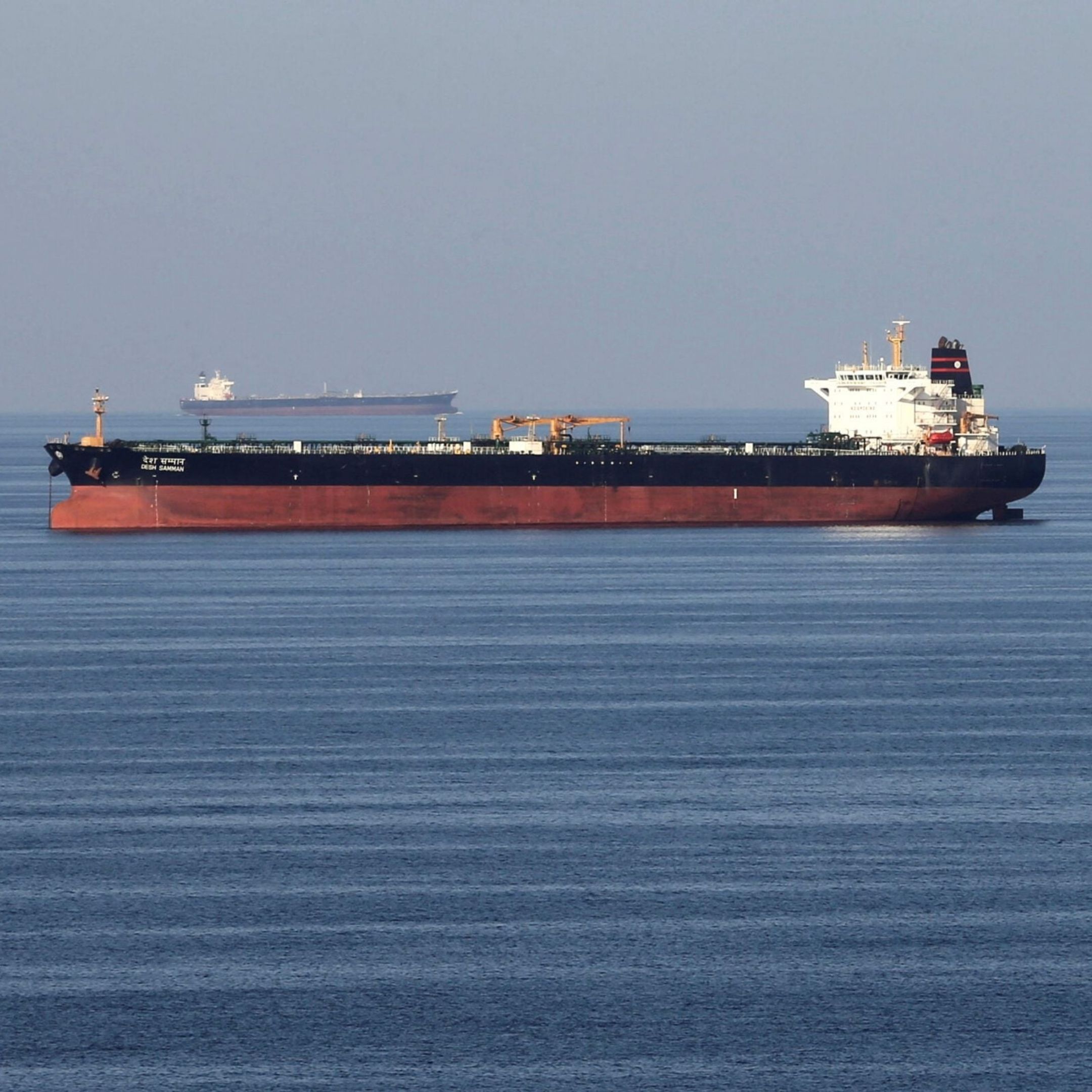
PHOTO COURTESY: REUTERS
The global maritime industry is calling for clearer guidance on the planned reopening of the Strait of Hormuz as concerns over naval mines and navigational safety continue to affect confidence among shipowners, operators, and insurers. While recent diplomatic developments have raised hopes for the restoration of commercial traffic, many industry stakeholders remain cautious about returning vessels to the waterway.
Maritime organizations said that questions surrounding mine clearance operations, safe transit routes, vessel reporting procedures, and security arrangements have yet to be fully addressed. Industry representatives noted that reopening the strait requires more than a political agreement, as shipping companies must be assured that vessels can navigate the area safely without facing significant operational risks.

ADVERTISEMENT
Concerns over naval mines remain one of the primary challenges. Maritime security experts have warned that clearing suspected minefields could take several weeks, with some estimates suggesting that extensive demining efforts may continue for more than a month before normal shipping activity can resume. Several countries have indicated their readiness to support mine-clearing operations in the region.
The industry is also closely monitoring war-risk insurance costs, which remain elevated due to continuing security concerns. Shipowners and charterers are seeking reliable assurances that navigation hazards, including mines, GPS interference, and other security threats, have been reduced before committing vessels to regular operations through the strategic waterway.
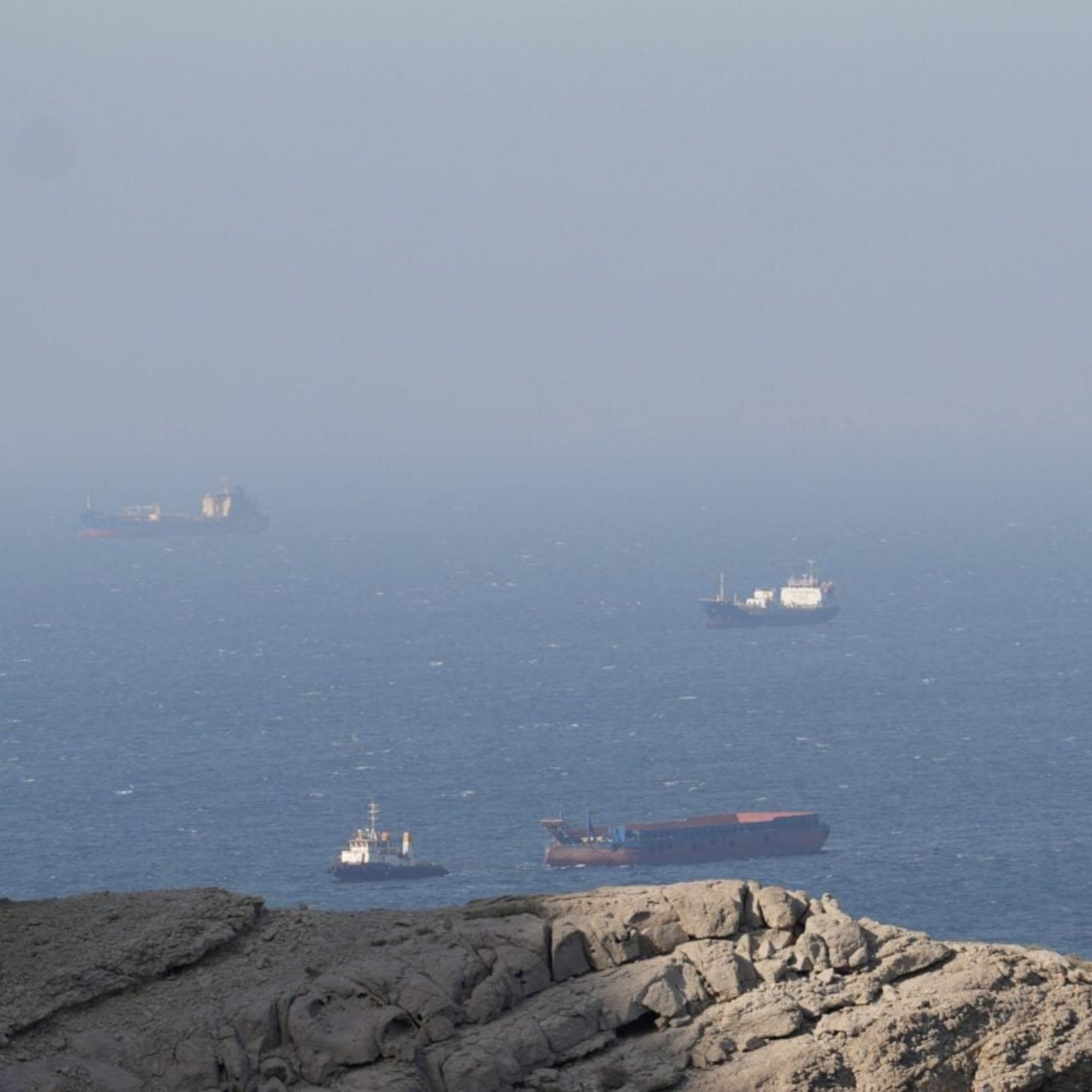
PHOTO COURTESY: REUTERS
In addition to security concerns, shipping companies are dealing with a backlog of vessels that accumulated during months of disruption. Industry observers expect traffic levels to recover gradually rather than immediately, as operators assess risks, coordinate voyages, and await further guidance from authorities and maritime security agencies.
The Strait of Hormuz remains one of the world's most important maritime chokepoints, handling a significant share of global energy exports. As discussions continue regarding the reopening process, the shipping industry is emphasizing the need for clear operational frameworks and verified safety measures before large-scale commercial traffic returns to the route.
