MARINO PH
Your Maritime Digital Hub

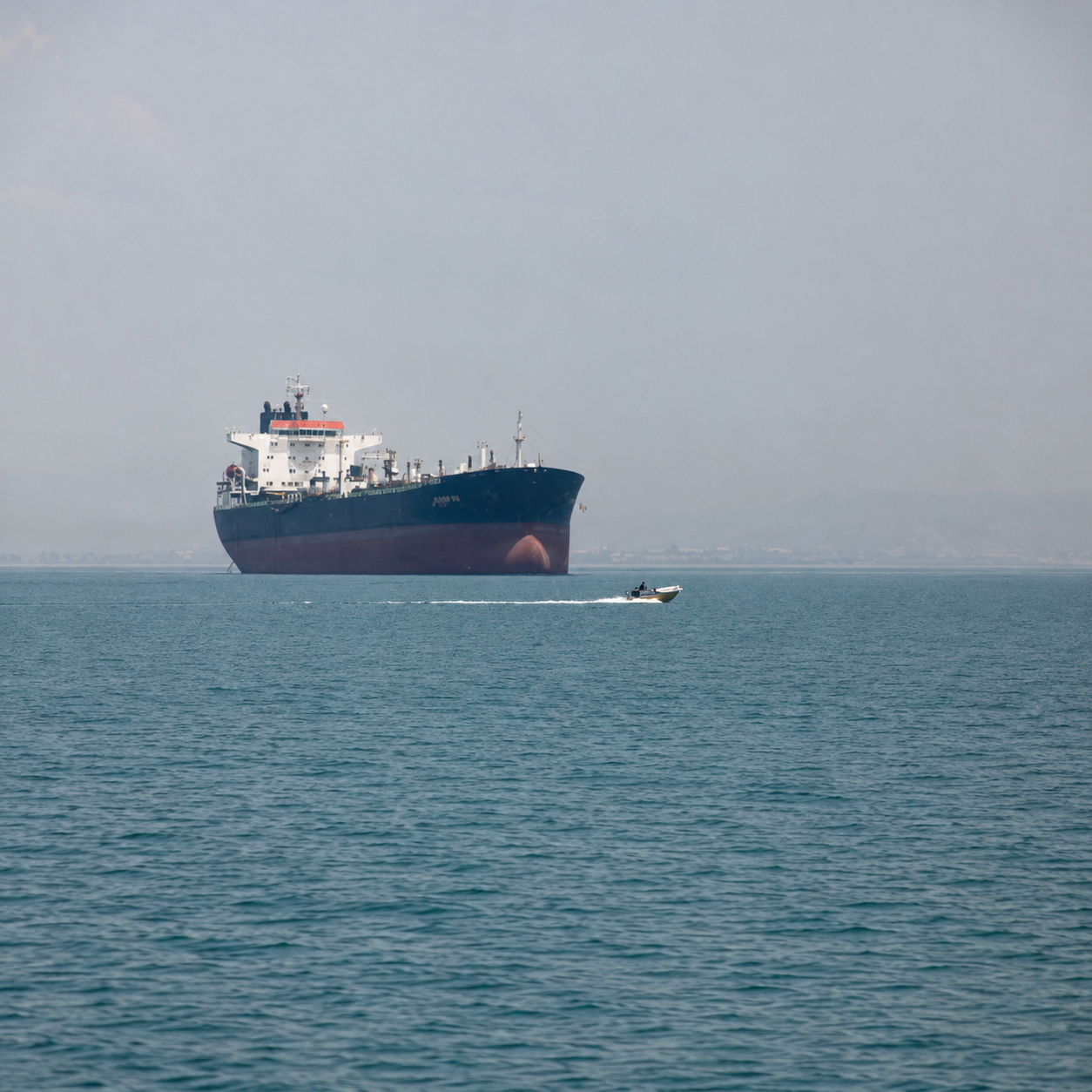
PHOTO COURTESY: via REUTERS
The global aluminum market has shown resilience despite concerns over supply disruptions linked to the ongoing conflict involving Iran and the continued uncertainty surrounding the Strait of Hormuz. Industry analysts had initially warned that prolonged restrictions in the region could trigger a major supply shock and push aluminum prices significantly higher.
According to market reports, aluminum producers in the Middle East have implemented alternative logistics strategies to secure raw materials and maintain operations. Some shipments of alumina, a key ingredient in aluminum production, reportedly continued through the region using alternative routes and complex transportation arrangements, helping prevent widespread production shutdowns.
Additional support for global supply has come from increased aluminum production and exports from China, as well as growing output from Indonesia. These developments have helped offset concerns about shortages from Middle Eastern producers, which account for a significant portion of global aluminum supply.

ADVERTISEMENT
Market analysts remain divided on the long-term outlook. Some financial institutions continue to warn of a potential supply deficit if regional disruptions persist, while others believe the market is moving toward a more balanced supply-and-demand situation. Aluminum futures have remained elevated but have not reached the record levels previously forecast during the early stages of the conflict.
For the maritime sector, the situation highlights the critical role of shipping and logistics in maintaining commodity flows during periods of geopolitical tension. The movement of raw materials through alternative routes and the ability of producers to adapt supply chains have so far helped prevent a more severe impact on global manufacturing industries that rely heavily on aluminum.
