
MARINO PH
Your Maritime Digital Hub

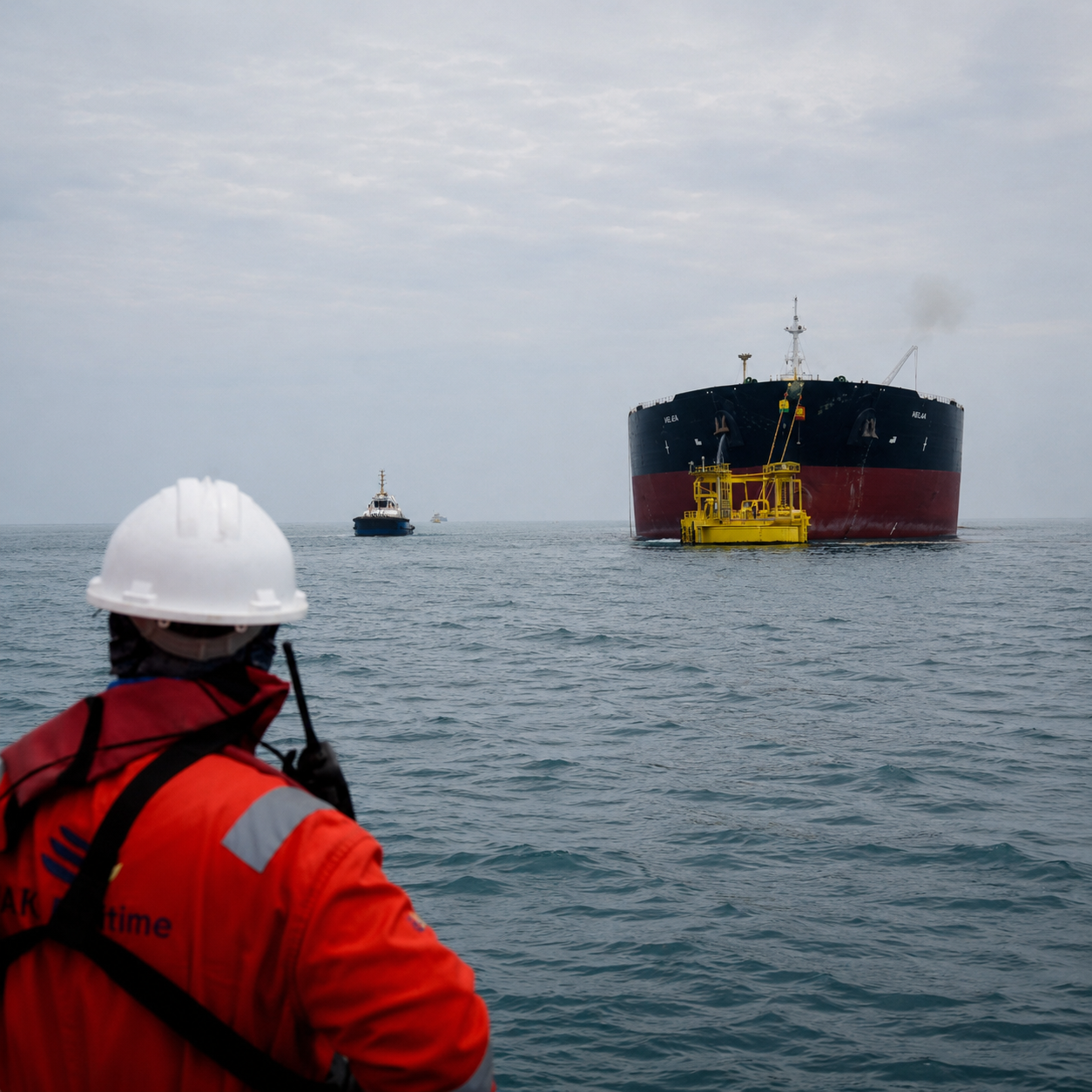
PHOTO COURTESY: REUTERS/Mohammed Aty/File Photo
The return of normal shipping operations in the Strait of Hormuz remains challenging as maritime authorities and industry stakeholders continue to address mine threats and traffic restrictions in the strategic waterway. Despite recent diplomatic developments aimed at reopening the route, maritime experts say a full recovery will take time.
Reports indicate that vessels are currently using alternative northern and southern transit corridors instead of the main shipping channel, which remains affected by the presence of naval mines. Industry estimates suggest that dozens of mines still need to be cleared before the primary route can safely accommodate pre-crisis levels of maritime traffic.
The current dual-transit system has reduced overall capacity through the strait, creating congestion and delays for commercial vessels. Maritime organizations have noted that while some ships have resumed transits, traffic remains significantly below normal levels, with safety concerns, navigational risks, and elevated war-risk insurance premiums continuing to affect operational decisions.

ADVERTISEMENT
Industry groups have welcomed efforts to restore freedom of navigation but emphasized that reopening the waterway involves more than political agreements. Mine-clearing operations, traffic management, security guarantees, and the gradual return of shipowner confidence will be critical factors in restoring normal trade flows.
The Strait of Hormuz remains one of the world's most important maritime chokepoints, handling a significant portion of global oil and liquefied natural gas shipments. Maritime analysts expect shipping activity to increase gradually in the coming weeks, although a complete return to pre-crisis operations may take several months.
