
MARINO PH
Your Maritime Digital Hub

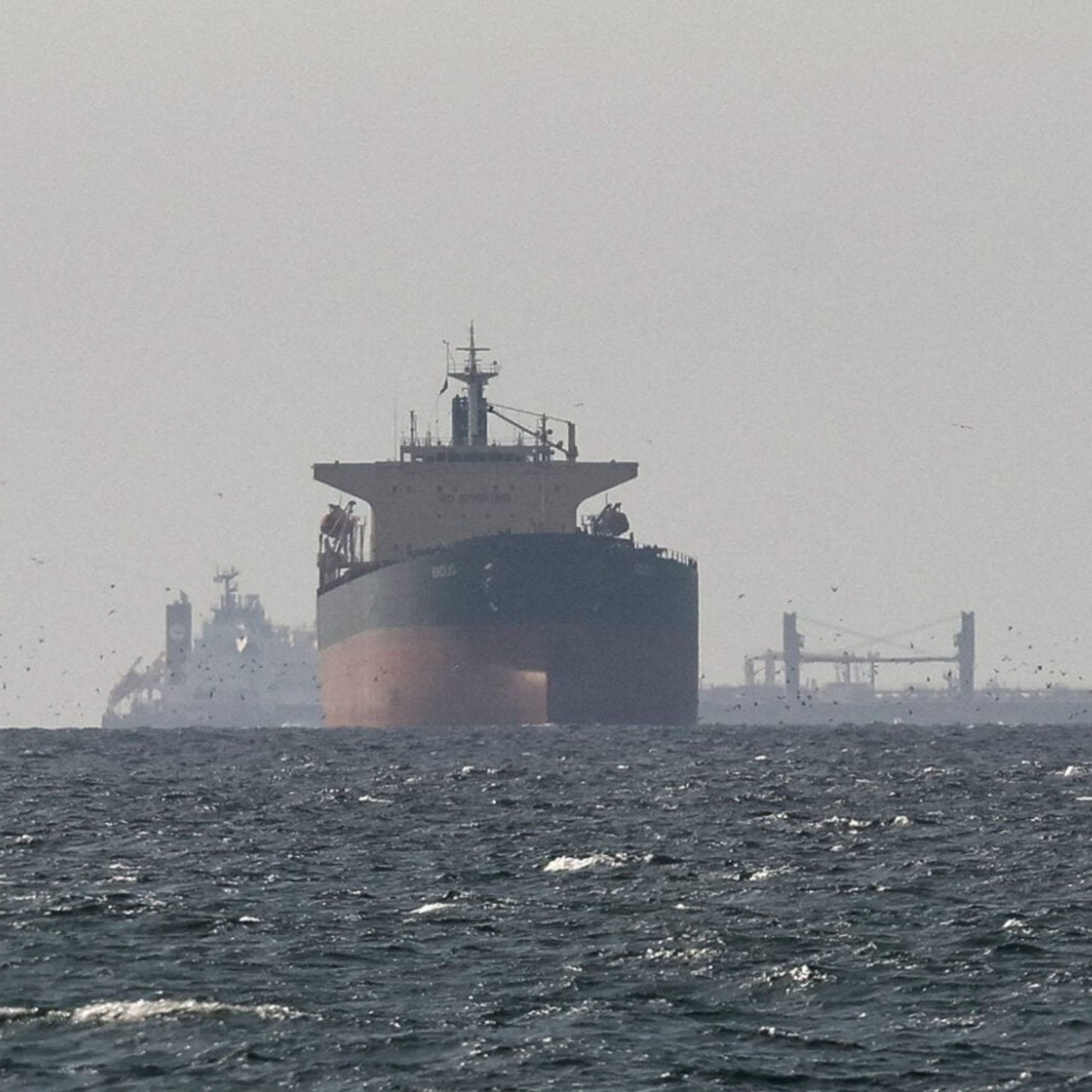
PHOTO COURTESY: REUTERS
China's crude oil imports may not fully return to pre-war levels following the Iran conflict, according to market analysts who believe the disruption has accelerated changes in the country's energy consumption patterns. The war, which affected oil supplies and contributed to higher crude prices, prompted Chinese refiners to reduce imports, cut refinery operations, and rely more on existing stockpiles.
Industry observers noted that while part of the decline was linked to temporary supply disruptions, a more lasting impact could come from weaker fuel demand. The period of elevated oil prices appears to have encouraged faster adoption of electric vehicles in China, reducing long-term demand for gasoline and diesel. Data cited by analysts showed electric vehicle registrations gaining a larger share of the country's automotive market during the conflict period.

ADVERTISEMENT
China, the world's largest crude oil importer, also responded to the supply shock by drawing from strategic reserves and reducing refinery throughput instead of aggressively seeking replacement barrels on the global market. Analysts said this strategy helped the country manage the disruption while limiting exposure to volatile oil prices.
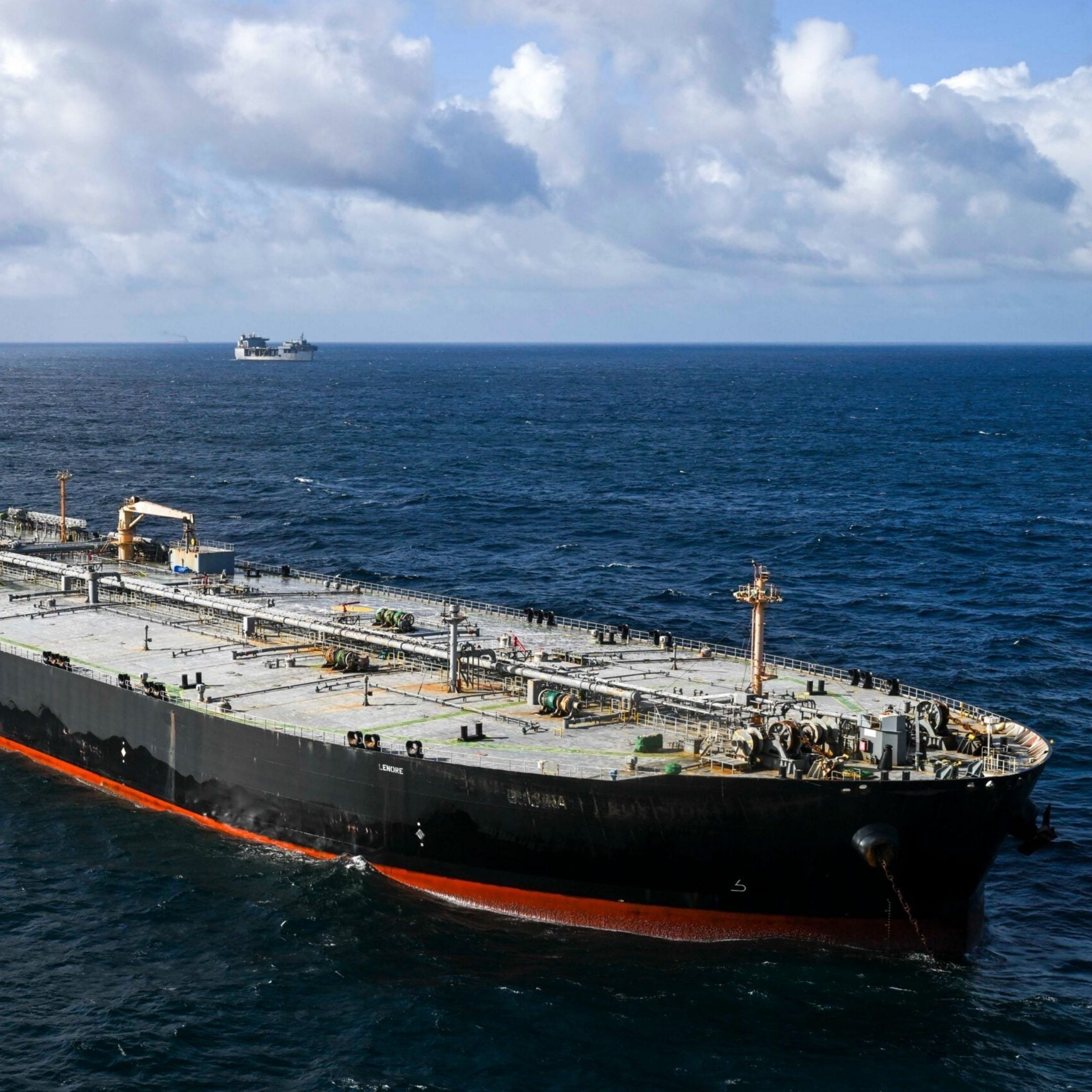
PHOTO COURTESY: REUTERS
Although oil flows through the Strait of Hormuz are gradually recovering and regional supply conditions are improving, experts believe China's crude import demand may remain below previous levels as energy efficiency measures and transport electrification continue to expand.
The development could have wider implications for global energy markets, as slower growth in Chinese oil demand may influence future crude trade flows, tanker movements, and long-term forecasts for oil-producing nations.
