MARINO PH
Your Maritime Digital Hub

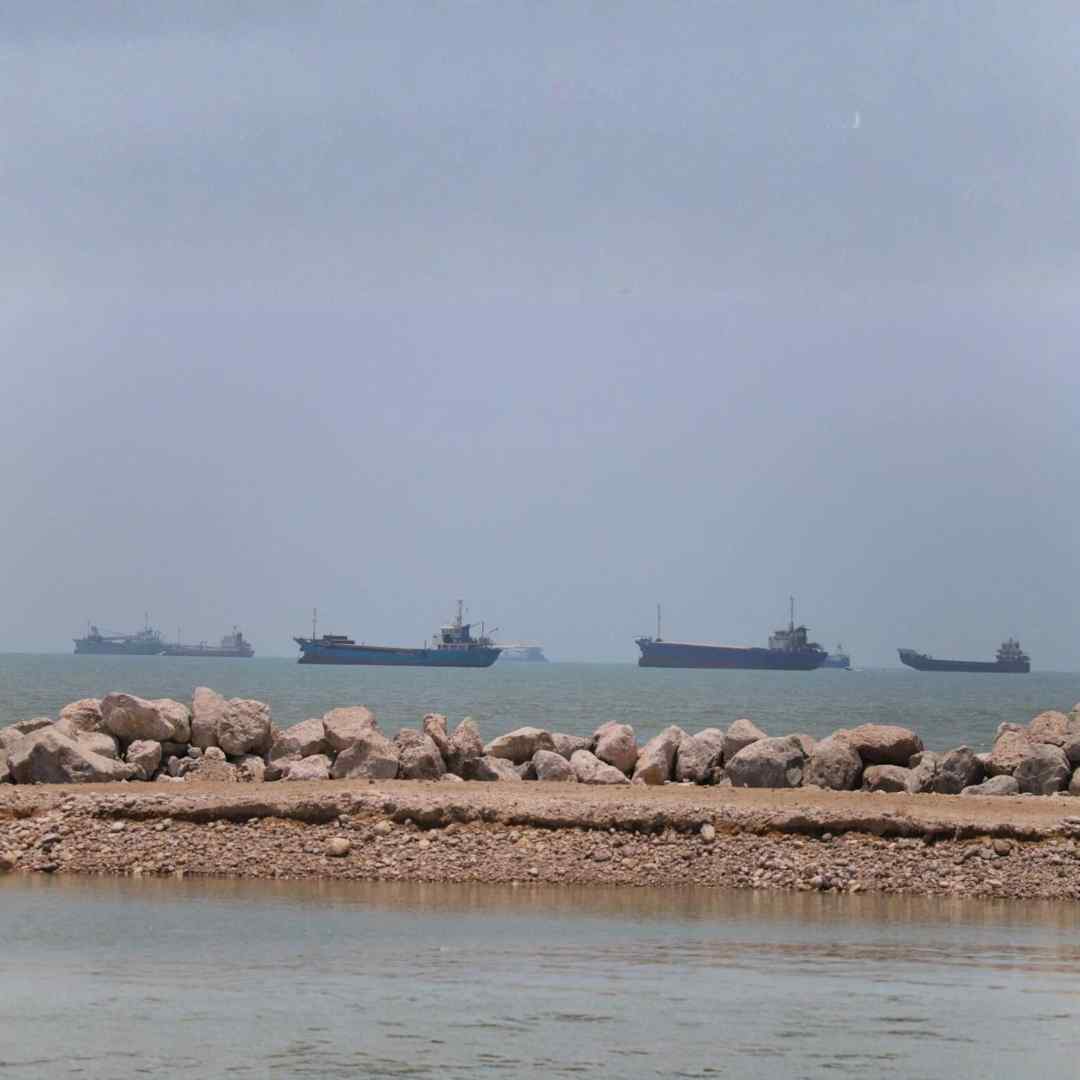
Photo Credit: Reuters
Commercial oil tanker traffic through the Strait of Hormuz continues despite renewed security concerns following recent attacks on merchant vessels in the region. While the strategic waterway remains open to international shipping, many shipowners, operators, and insurers are taking a more cautious approach as geopolitical tensions continue to affect maritime operations.
Shipping data indicates that crude oil and liquefied natural gas (LNG) exports from major Gulf producers are continuing, with tankers loading cargoes and departing from export terminals across the region. Several very large crude carriers (VLCCs) have resumed voyages from key export facilities, while LNG shipments from Gulf producers also remain active. However, overall vessel movements through the Strait have yet to return to normal levels, as some operators continue to delay sailings or reassess voyage plans based on the evolving security situation.

ADVERTISEMENT
Industry analysts noted that recent attacks on commercial vessels have heightened concerns over crew safety, operational risks, and insurance costs. War-risk insurance premiums remain elevated, prompting shipowners and charterers to conduct additional security assessments before authorizing voyages through the area. Some vessels have also adopted enhanced security procedures, including modified routing and temporary deactivation of automatic identification systems in accordance with company security protocols and risk management measures.
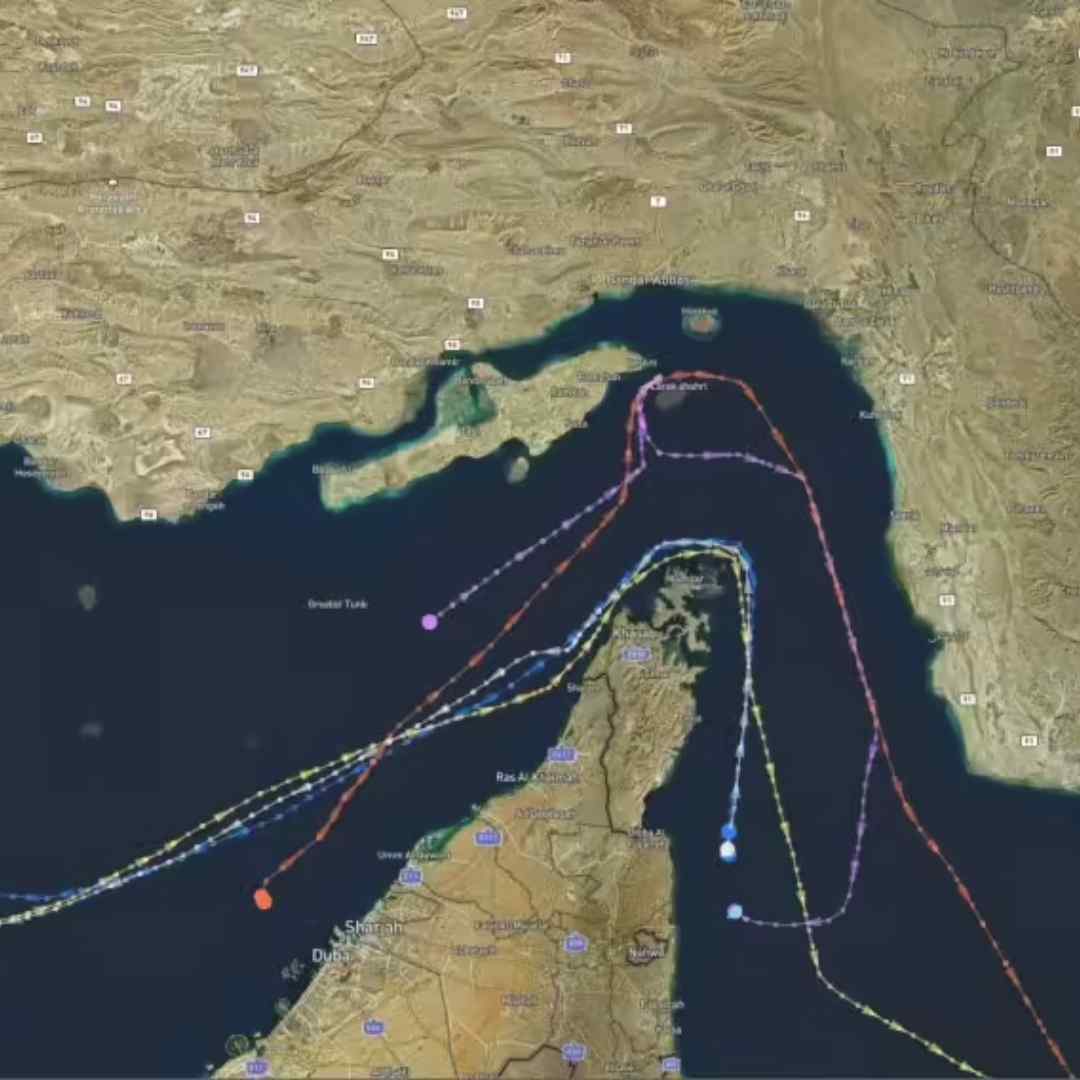
Photo Credit: Bloomberg
Despite these challenges, energy exports from the Gulf continue to move, helping maintain the flow of crude oil and LNG to global markets. Analysts said the steady movement of cargoes has contributed to easing immediate concerns over supply disruptions, although shipping activity remains below pre-crisis levels. Market observers continue to monitor both outbound loaded tankers and inbound vessels arriving for new cargoes, as these movements provide a clearer indication of the pace of recovery in regional maritime trade.
The Strait of Hormuz remains one of the world's most strategically important maritime corridors, serving as a key route for a significant portion of global seaborne oil and LNG exports. As diplomatic efforts continue and regional security developments evolve, the international shipping industry is expected to remain vigilant while balancing operational requirements with the safety of vessels, cargoes, and seafarers navigating one of the world's busiest and most sensitive waterways.
