MARINO PH
Your Maritime Digital Hub

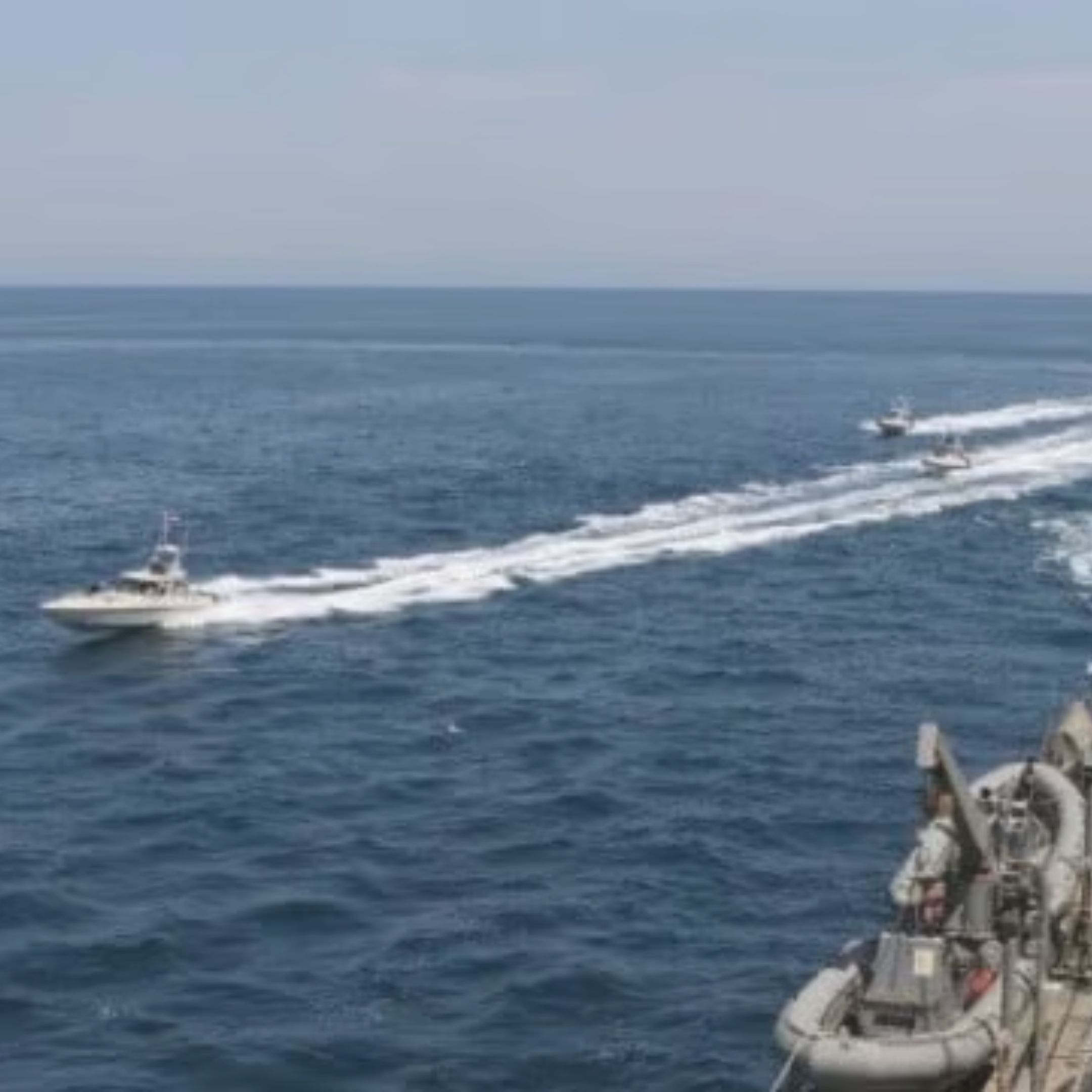
PHOTO COURTESY: USN file image
An industry analysis has suggested that Iran may face significant challenges in maintaining any long-term effort to impose transit fees on vessels passing through the Strait of Hormuz. While recent regional tensions have renewed discussions over control of the strategic waterway, the report argues that sustaining such a policy would be difficult under international law, economic realities, and geopolitical pressure.
According to the analysis, the Strait of Hormuz remains one of the world's most important maritime trade routes, carrying a substantial share of global crude oil and liquefied natural gas shipments. Any attempt to permanently regulate or charge commercial vessels for passage could face opposition from major maritime nations, shipping companies, and international stakeholders that support freedom of navigation.

ADVERTISEMENT
The report also noted that while Iran may seek greater influence over maritime traffic in the region, enforcing a long-term toll system could discourage vessel transits, increase shipping costs, and place additional pressure on regional trade. Analysts believe such measures could also prompt stronger diplomatic, legal, and security responses from countries with significant interests in keeping the waterway open.
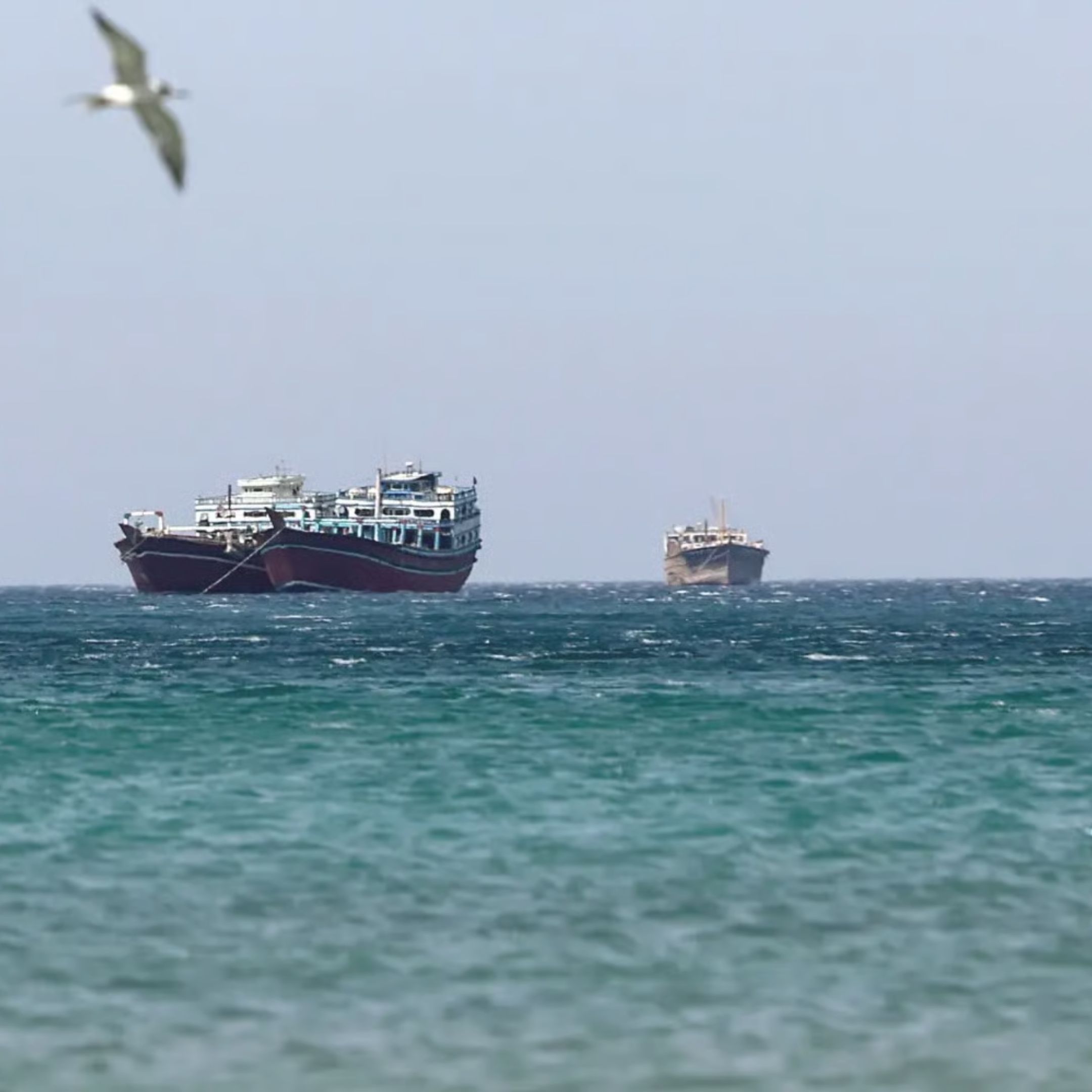
PHOTO COURTESY: EPA Images pic
Despite ongoing negotiations and periodic de-escalation efforts, uncertainty continues to affect commercial shipping through the Strait of Hormuz. Shipowners and operators remain cautious, closely monitoring developments while adjusting voyage planning and risk assessments based on the evolving security situation.
The analysis concludes that although Iran may continue to assert its position regarding the strategic waterway, maintaining a permanent tolling system is likely to face substantial legal, political, and operational obstacles, making its long-term implementation uncertain.
