MARINO PH
Your Maritime Digital Hub

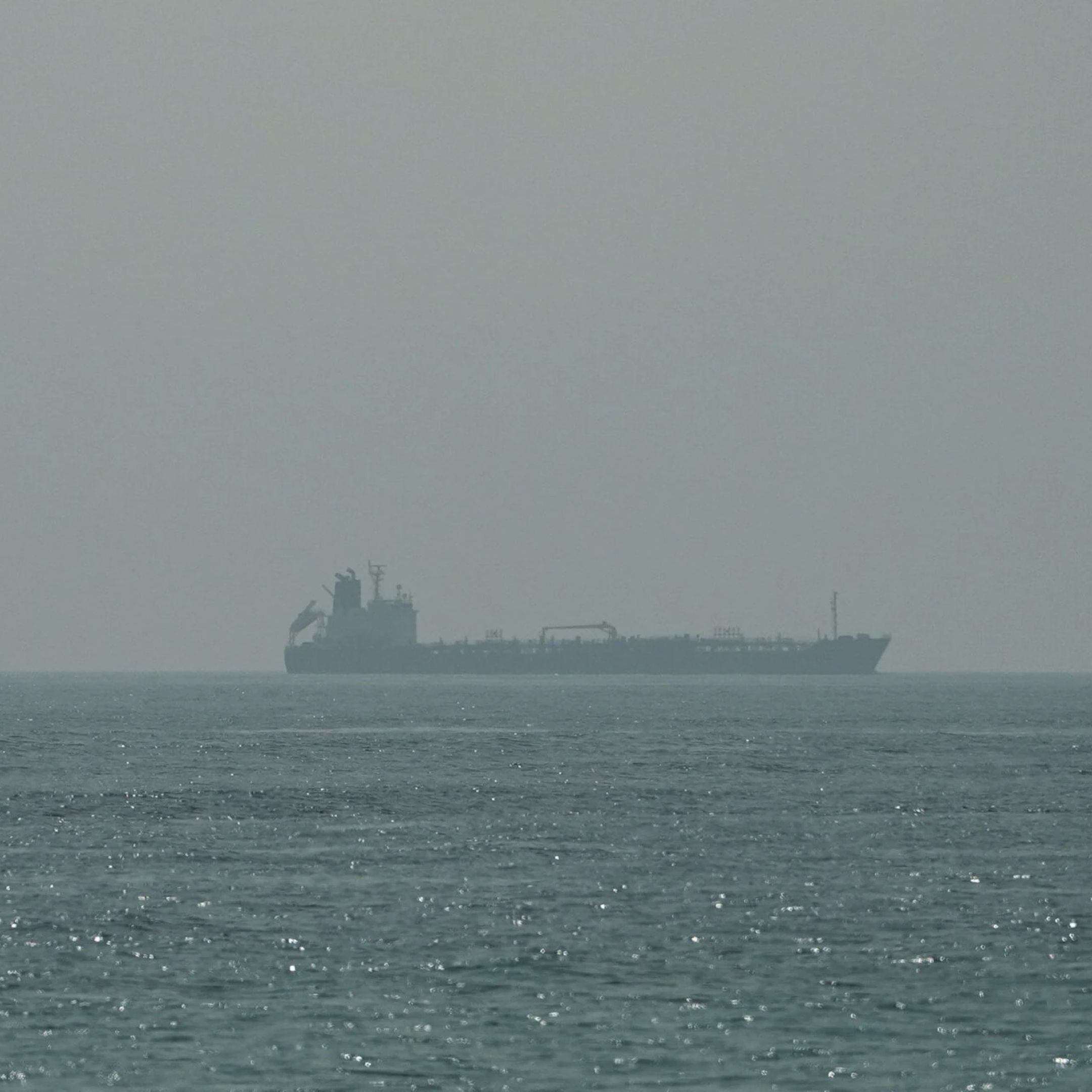
PHOTO COURTESY: REUTERS/Stringer
Oil tanker traffic through the Strait of Hormuz has slowed significantly as renewed security concerns continue to affect one of the world's busiest maritime oil routes. Shipping data showed that only a limited number of tankers transited the strategic waterway, while many vessel operators delayed or reconsidered voyages due to the heightened risk in the region.
The slowdown follows a series of reported attacks on commercial vessels and renewed military exchanges involving the United States and Iran. The incidents have raised concerns among shipowners, charterers, and marine insurers, prompting several companies to reassess operations before sending vessels through the strait.

ADVERTISEMENT
Industry sources reported that some vessels temporarily switched off their Automatic Identification System (AIS) transmissions while operating in high-risk areas, while others remained outside the Strait of Hormuz awaiting further developments. Marine insurance providers have also increased scrutiny of voyages in the region, with some advising clients to delay transits until the security situation becomes clearer.
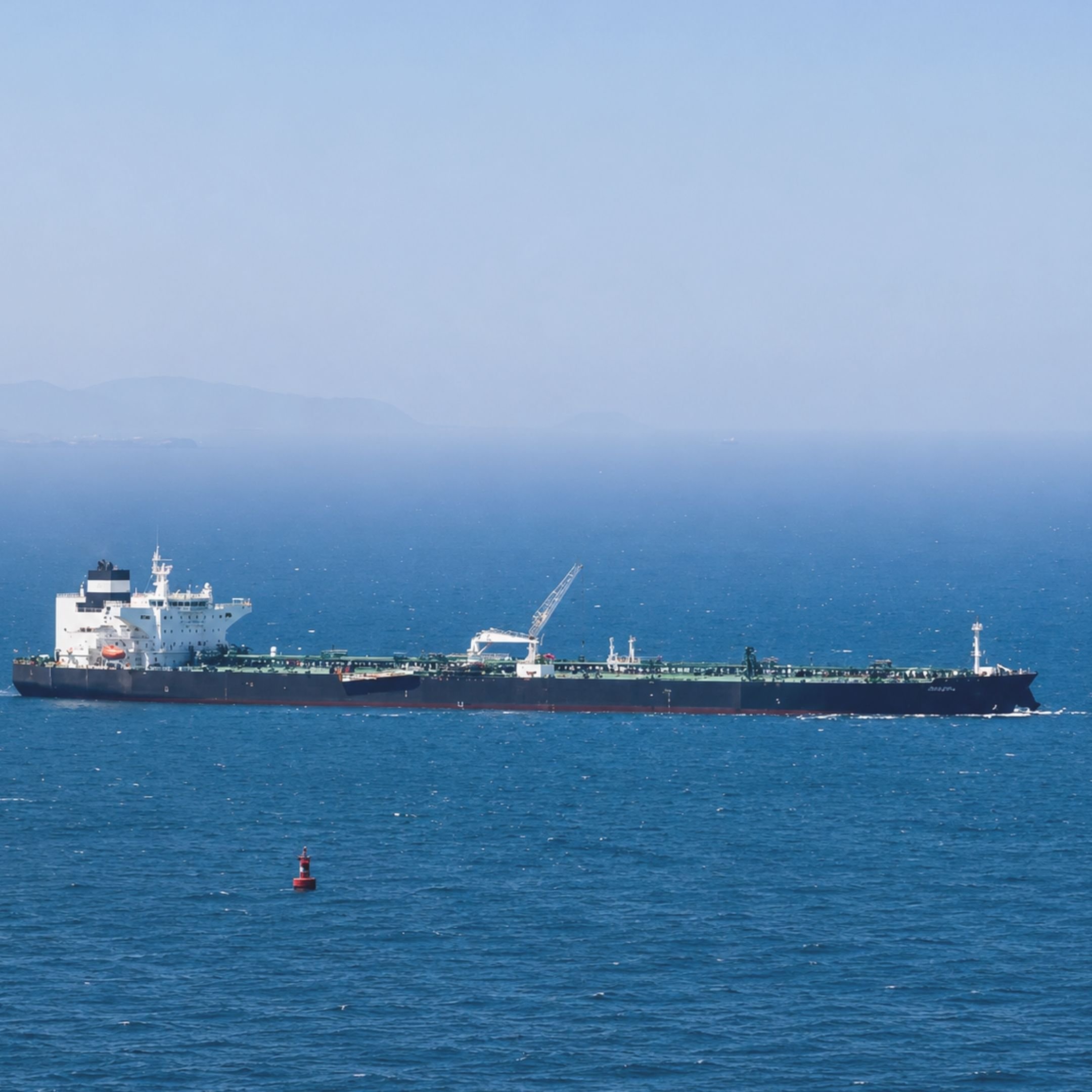
PHOTO COURTESY: Reuters/File
The Strait of Hormuz is a critical global shipping lane, carrying a significant share of the world\'s seaborne crude oil and liquefied natural gas exports. Any prolonged disruption to vessel movements through the waterway could affect global energy supply chains and freight markets, making the situation a key concern for the international maritime industry.
Shipping companies, insurers, and maritime authorities continue to monitor developments closely as regional tensions remain elevated. Industry stakeholders are expected to adjust routing, scheduling, and risk management measures based on changes in the security environment and official advisories issued in the coming days.
