MARINO PH
Your Maritime Digital Hub

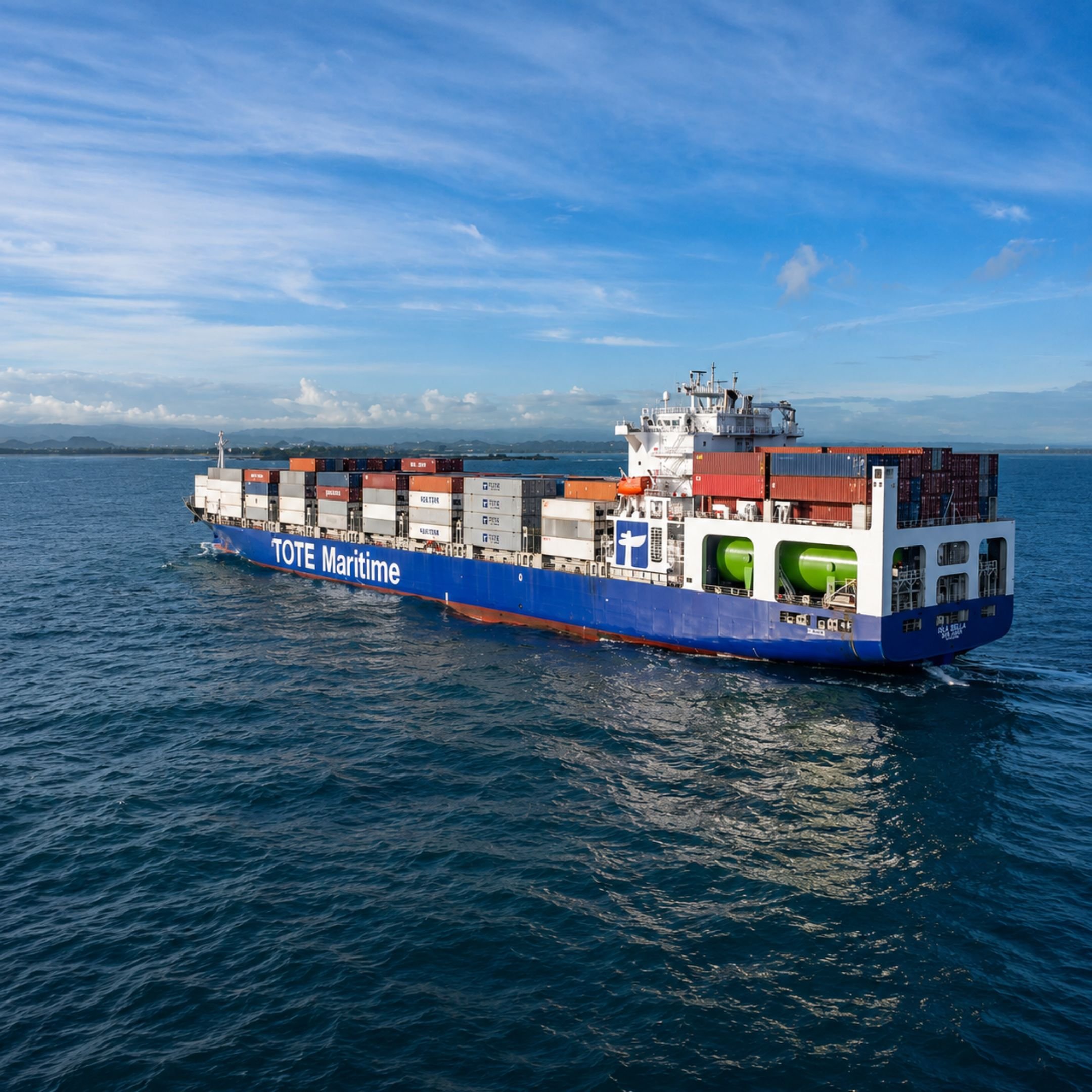
PHOTO COURTESY: TOTE
Liquefied natural gas (LNG) continues to dominate new orders for alternatively fueled vessels as the global shipping industry advances its decarbonization efforts, according to the latest mid-year market review released by industry coalition SEA-LNG. The report indicates that shipowners continue to favor LNG as a practical and commercially available fuel while renewable fuel options continue to develop.
Based on data cited in the report, 73 LNG dual-fuel vessels were ordered during the first half of 2026, representing nearly 90 percent of all alternatively fueled ship orders recorded during the period. Most of these orders came from the container shipping and pure car and truck carrier (PCTC) sectors, where LNG infrastructure and operational experience are already well established.

ADVERTISEMENT
SEA-LNG also reported continued expansion of LNG bunkering infrastructure worldwide. There are now 67 LNG bunker vessels in operation globally, with an additional 42 under construction. The organization noted that the growing network of bunkering facilities is helping improve fuel availability and supporting the increasing number of LNG-powered vessels entering service.
At the same time, demand for LNG as a marine fuel has continued to rise. According to data referenced in the report, global LNG bunker volumes averaged approximately 770,000 cubic meters per month between January and May 2026, reflecting a year-on-year increase as more dual-fuel ships joined the global fleet and fuel economics remained favorable.
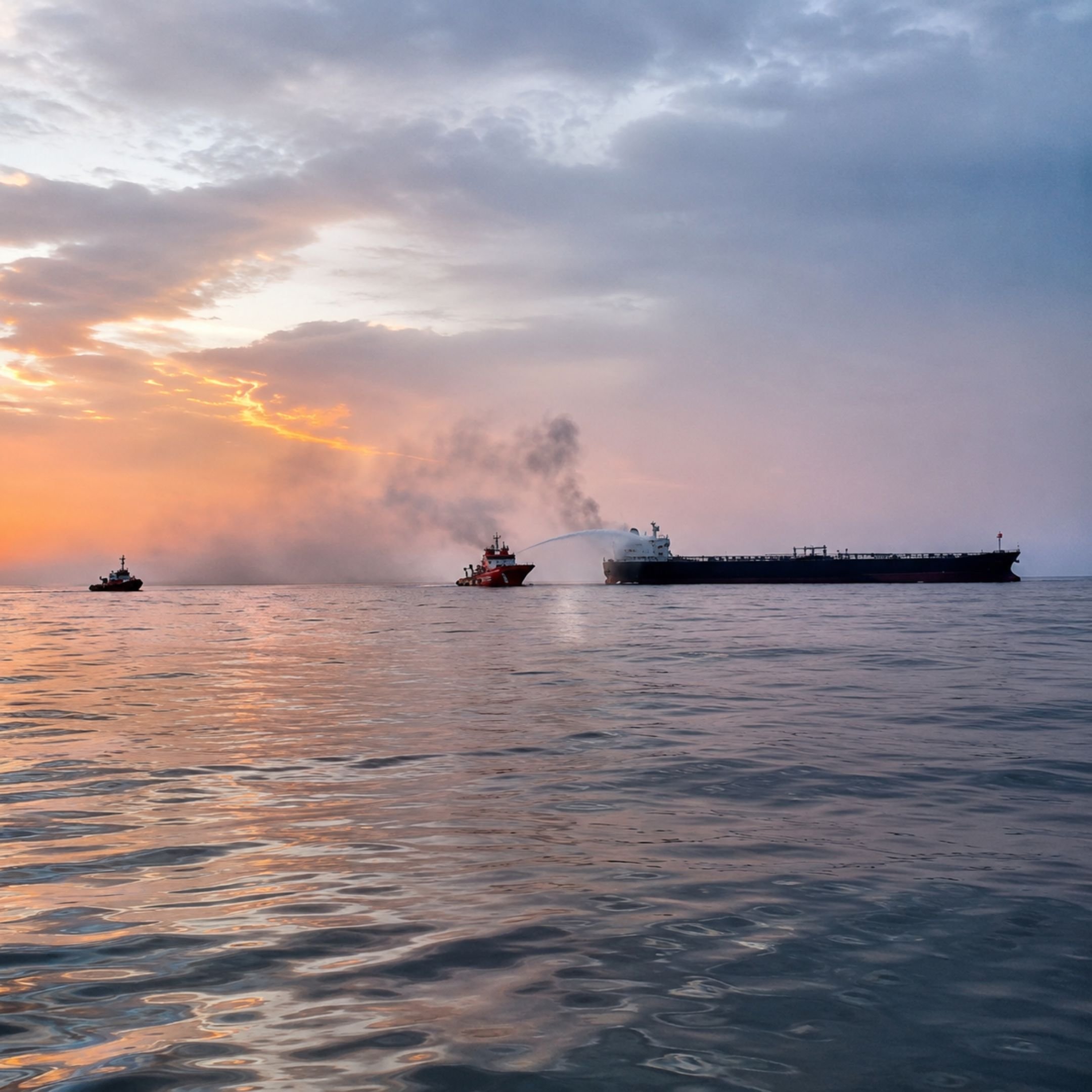
PHOTO COURTESY: gCaptain
The report also highlighted the rapid growth of liquefied biomethane (LBM), also known as bio-LNG, which can be used in existing LNG-fueled vessels without significant modifications. European biomethane production capacity has increased significantly over the past year, supported by the expansion of biogas facilities. Industry stakeholders view biomethane as one of the renewable options that could further reduce greenhouse gas emissions while utilizing existing LNG infrastructure.
SEA-LNG said the latest market trends demonstrate that LNG continues to play a significant role in the maritime sector\'s transition toward lower-emission operations. While alternative fuels such as methanol, ammonia, hydrogen, and ethanol continue to develop, the organization noted that expanding LNG and biomethane availability provides shipowners with an immediate pathway to support emissions reduction goals while maintaining operational flexibility.
