MARINO PH
Your Maritime Digital Hub

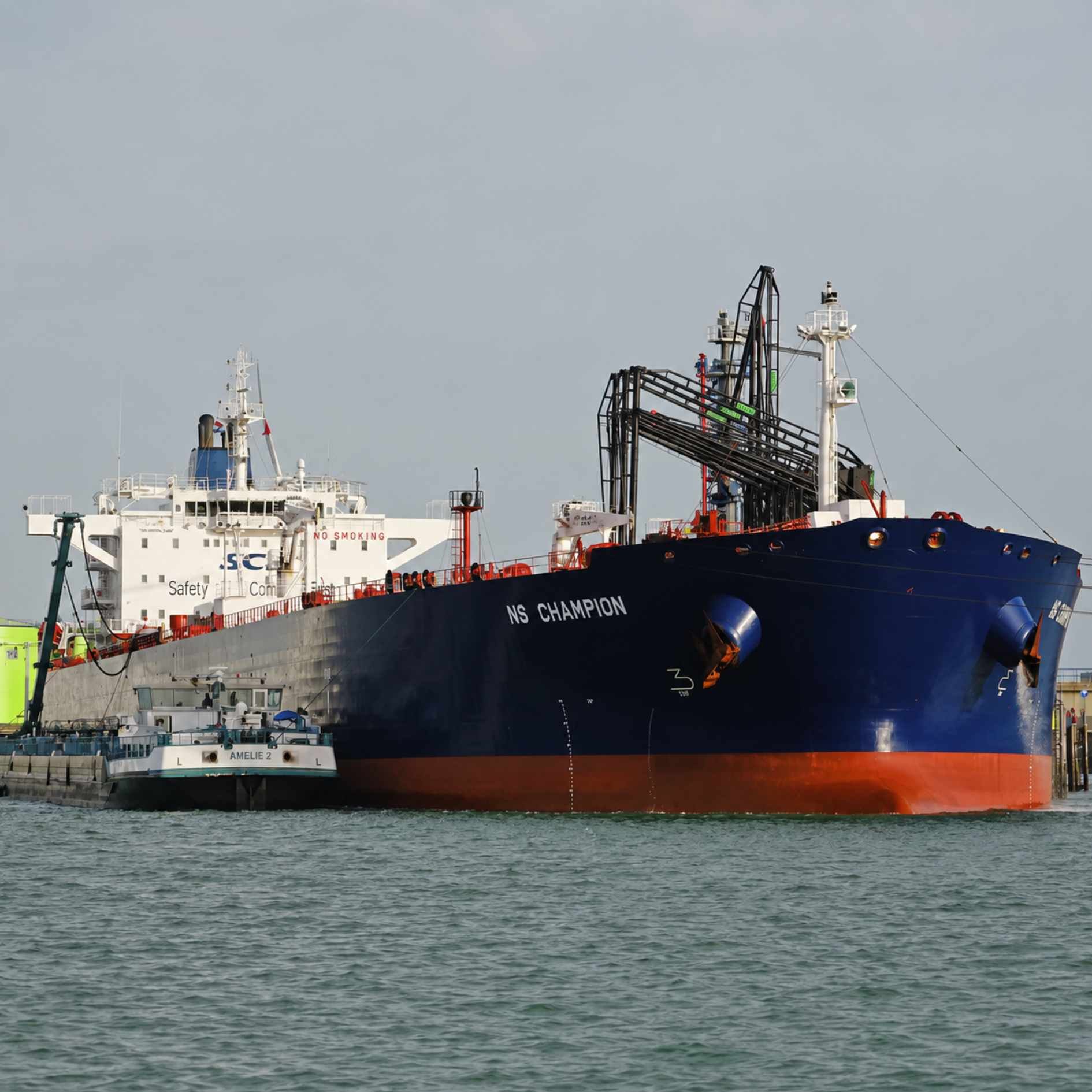
Photo Courtesy: Erik Broekhuizen / Poten & Partners
International sanctions imposed in response to the Russia–Ukraine conflict have significantly reshaped the global tanker industry, contributing to the emergence of two distinct shipping markets, according to a recent industry analysis. The report states that the regulated mainstream market continues to operate under international sanctions and compliance requirements, while a separate network of vessels has expanded to transport sanctioned oil and other restricted cargoes outside traditional commercial channels.
The analysis explains that sanctions, price caps, and trade restrictions have influenced vessel ownership, chartering patterns, and asset values. Older tankers that were once considered less commercially attractive have reportedly gained value as demand increased among operators involved in transporting sanctioned cargoes. At the same time, mainstream shipping companies have generally maintained compliance with international regulations to avoid legal and financial risks.
According to the report, the growth of this parallel shipping market has also raised concerns over maritime safety and environmental protection. Some vessels operating outside conventional regulatory frameworks may have limited access to recognized insurance, classification services, or established maintenance programs. Industry observers note that these conditions could increase operational risks, particularly during ship-to-ship transfers and long-distance voyages.
