MARINO PH
Your Maritime Digital Hub

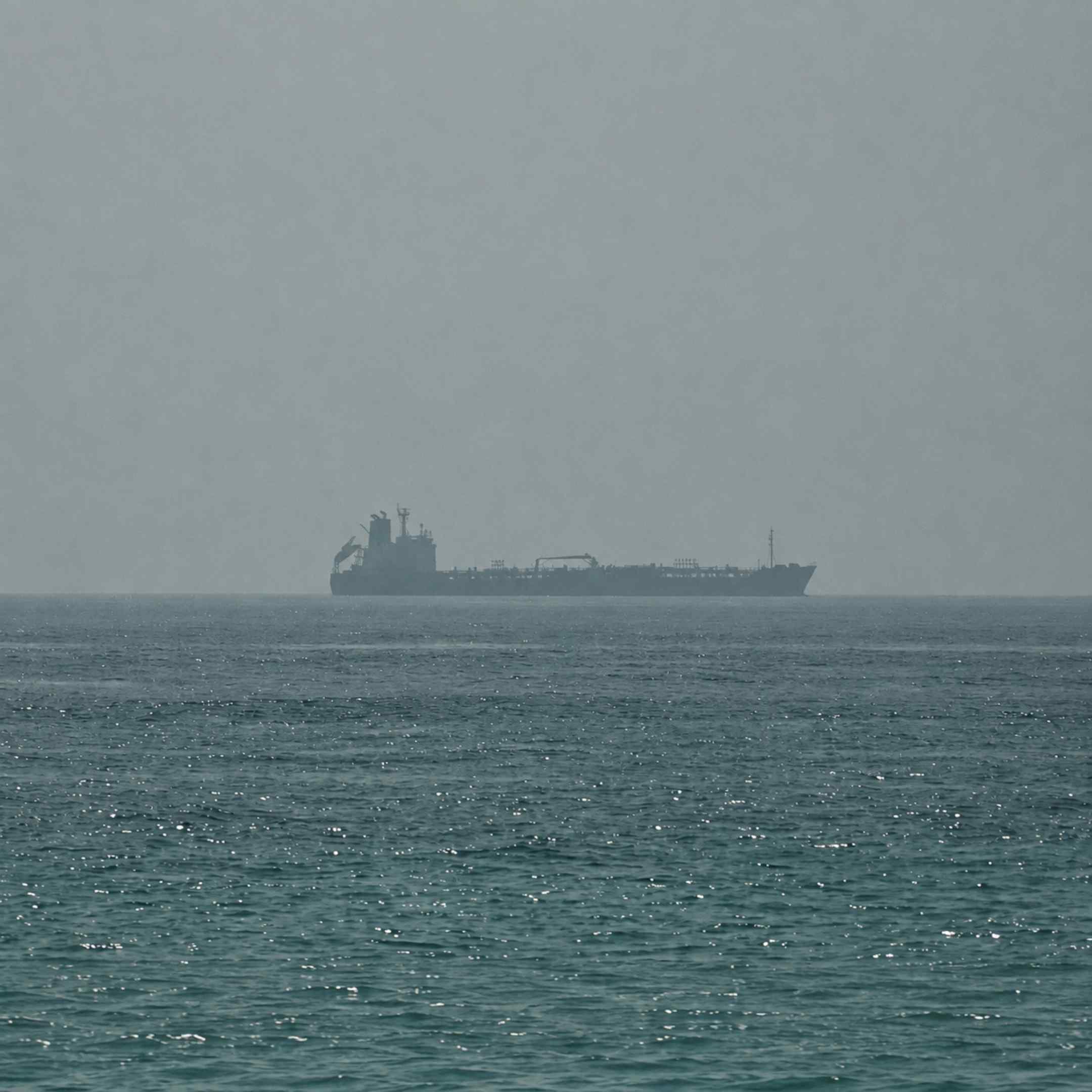
Photo Credit: REUTERS/Stringer
Leading organizations representing the global shipping industry have called on the United Nations (UN) and the International Maritime Organization (IMO) to oppose any proposal that would impose mandatory transit fees on commercial vessels passing through the Strait of Hormuz, one of the world's most strategically important maritime routes. The appeal comes amid ongoing discussions regarding a possible framework for managing vessel movements through the waterway.
According to industry groups, the Strait of Hormuz serves as an international waterway that is vital to global trade and energy transportation. They emphasized that the free and uninterrupted movement of merchant vessels through internationally recognized navigation routes remains essential to maintaining the stability of global supply chains and maritime commerce.

ADVERTISEMENT
Shipping representatives expressed concern that the introduction of compulsory transit charges could increase operating costs, create legal uncertainties, and place additional financial pressure on shipowners, charterers, and cargo interests. They also warned that such measures could disrupt international shipping operations and potentially affect the movement of energy products and other essential cargoes.
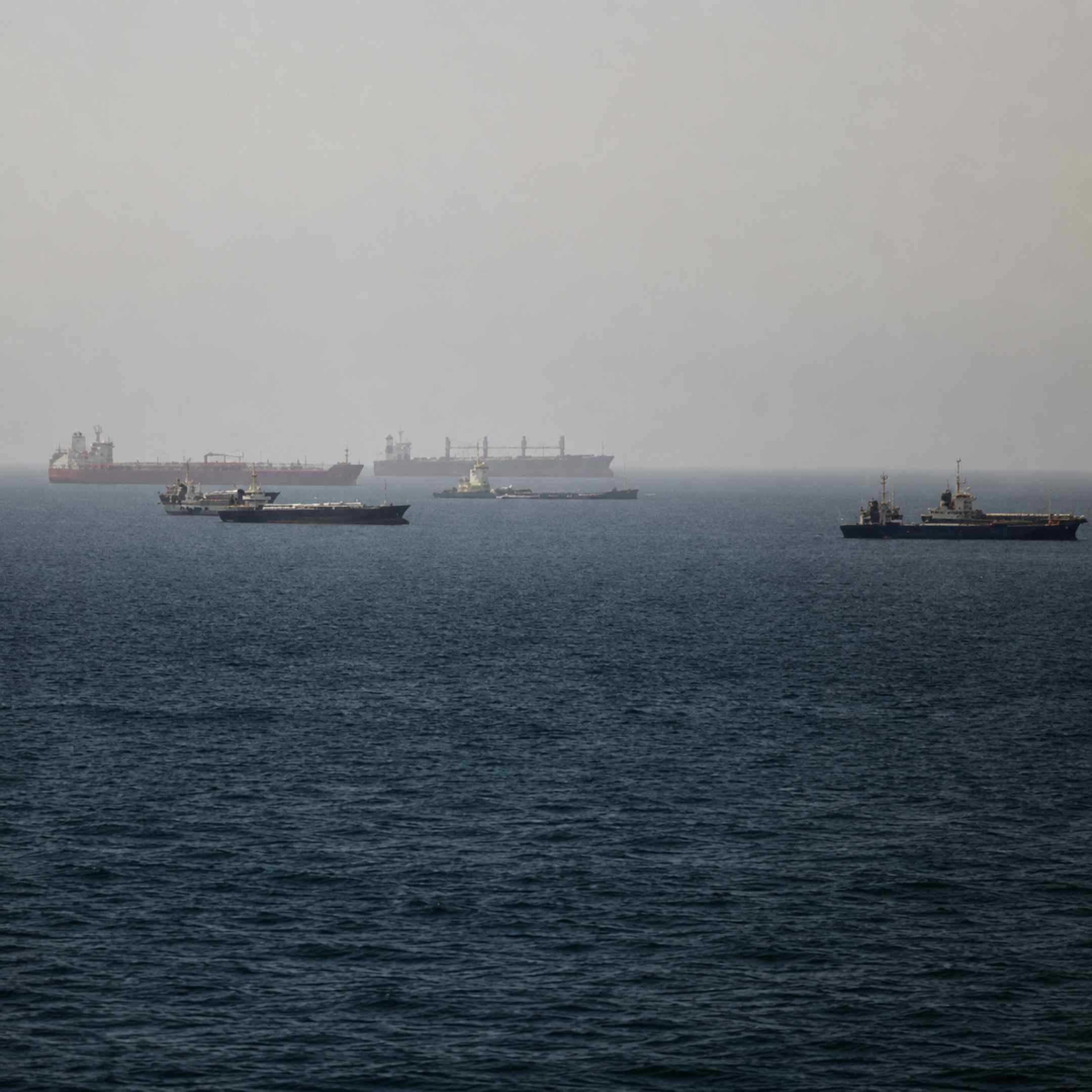
Photo Credit: Al Jazeera English\'s
The industry has urged international organizations to uphold existing principles governing international navigation and to ensure that any future arrangements for vessel transit remain consistent with international maritime law. Stakeholders also stressed the importance of maintaining safe, secure, and predictable access through the Strait of Hormuz, which continues to be a critical chokepoint for global maritime trade.
The developments remain under close observation as diplomatic discussions continue, with the shipping sector monitoring potential changes that could affect navigation, trade, and regional maritime security in the Gulf.
