MARINO PH
Your Maritime Digital Hub

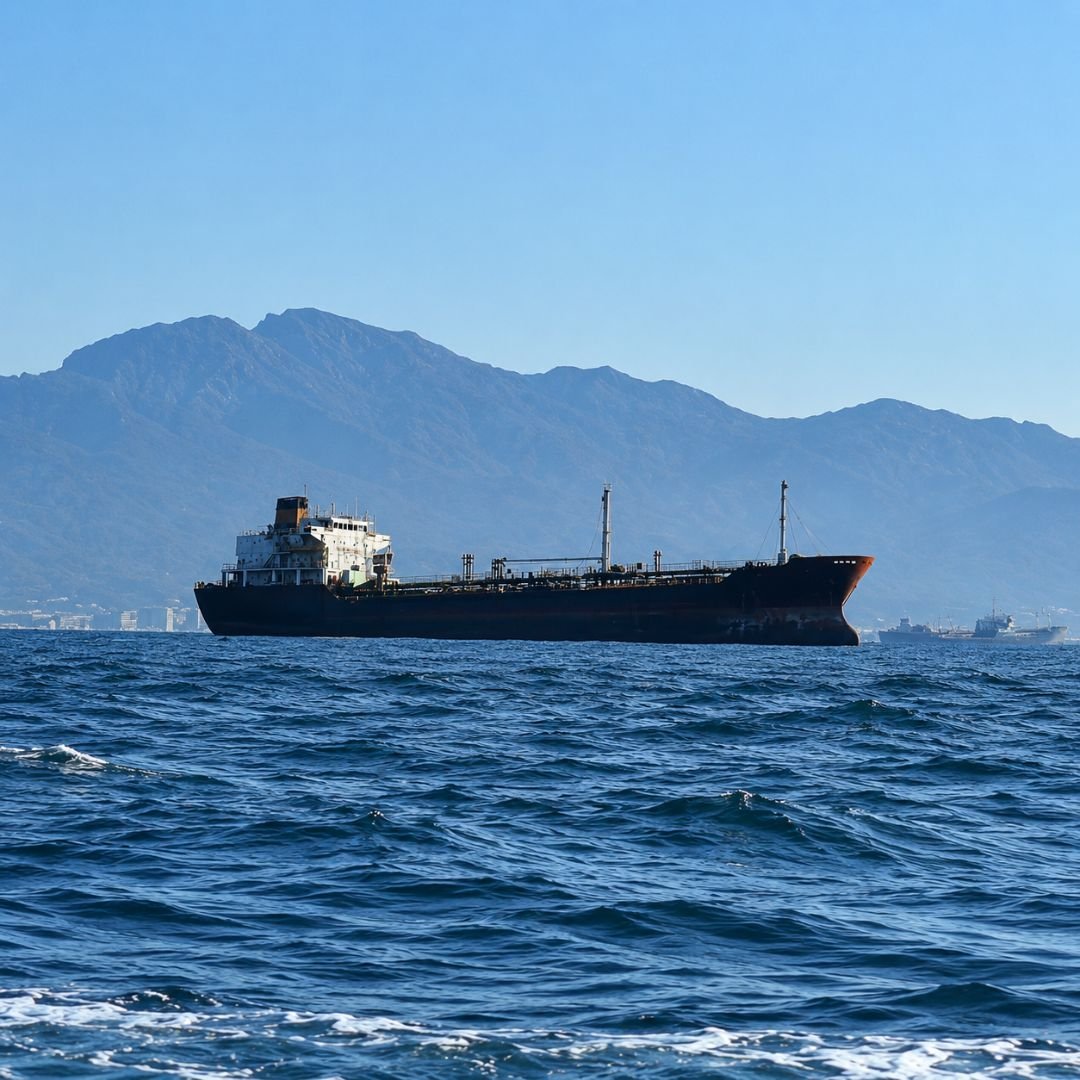
Photo Courtesy: REUTERS/Stringer
Saudi Arabia’s crude oil exports fell to their lowest level in at least nine years last month as attacks and security threats disrupted tanker movements through major waterways. Shipping companies are facing increased risks in both the Strait of Hormuz and the Red Sea, two important routes for global energy transportation.
The disruption has affected Saudi shipments through the Strait of Hormuz, where tanker traffic has declined amid escalating U.S.-Iran tensions. On September 1, two supertankers carrying Saudi crude were reportedly struck by unknown projectiles while sailing outbound through the strait after loading at Saudi Arabia’s Juaymah terminal. Responsibility for the attacks has not been established.

Saudi Arabia has also faced growing challenges on its Red Sea export routes. Tankers loading crude at Yanbu have increasingly operated without transmitting automatic identification system (AIS) signals, according to Reuters, as vessels attempt to reduce their visibility amid threats from Yemen’s Iran-aligned Houthi movement. The use of “dark” voyages has also made it more difficult for analysts to accurately measure Saudi export volumes.
The security concerns have prompted some tankers carrying Saudi crude to alter their voyages. In July, three tankers loaded with Saudi oil for China and India turned around in the Red Sea following a Houthi warning and headed toward the Suez Canal instead of continuing through the Bab el-Mandeb area. Such diversions can lengthen voyages, increase fuel consumption and raise costs for shipowners and charterers.
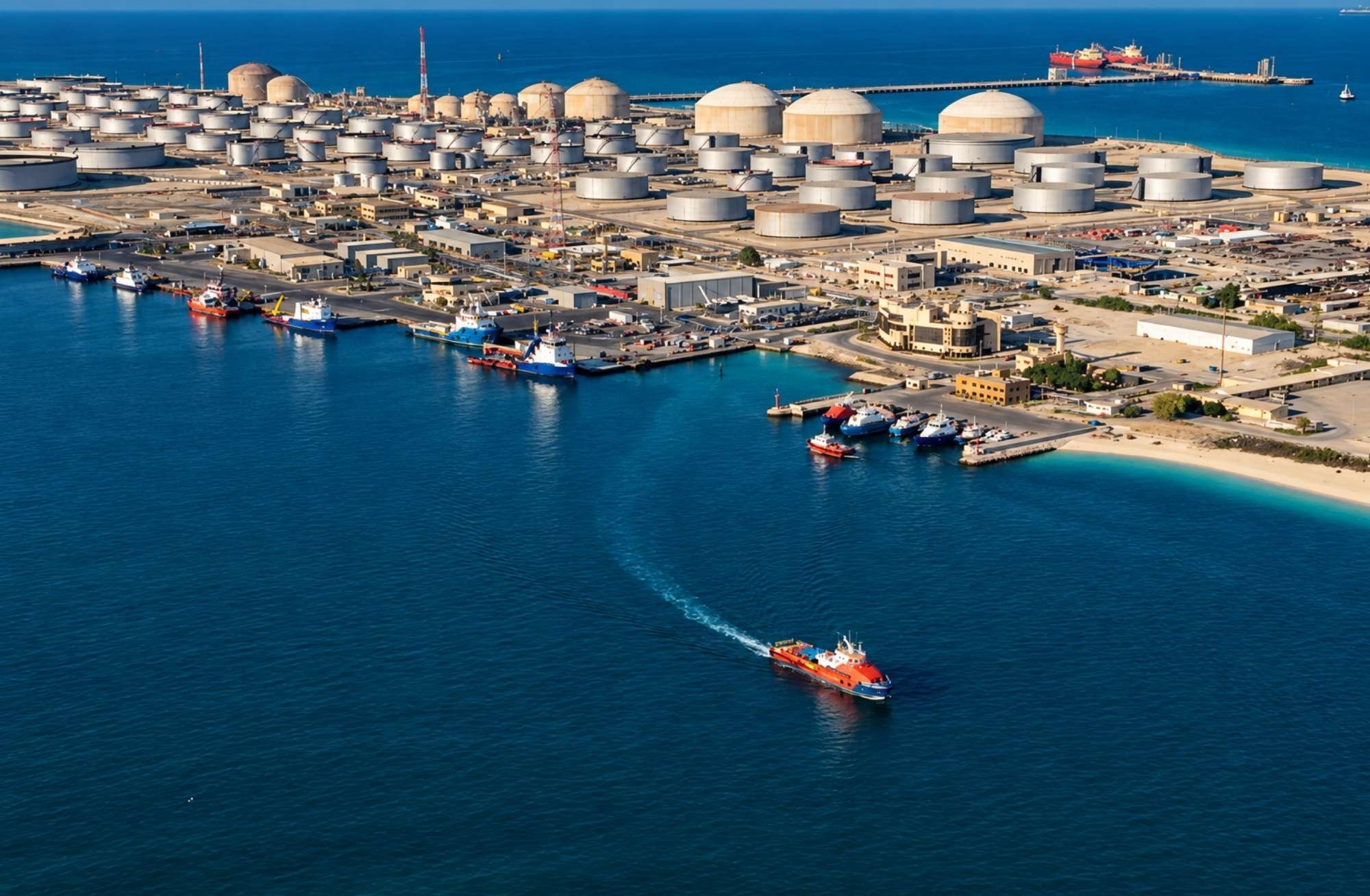
PHOTO COURTESY: ARAB NEWS/ARAMCO
The situation illustrates the growing pressure on global energy shipping, with risks emerging at both ends of Saudi Arabia’s maritime export network. While the Red Sea provides an alternative route for cargoes that would otherwise depend on Hormuz, threats around the Bab el-Mandeb Strait have made that option increasingly difficult. Meanwhile, reduced traffic through Hormuz is already affecting tanker movements and global oil flows.
For seafarers and the maritime industry, the developments highlight how quickly geopolitical conflicts can disrupt established shipping routes. Tanker operators must increasingly consider security risks, voyage diversions, insurance costs, AIS management and crew safety when planning voyages through the region. Continued instability around both Hormuz and the Red Sea could further reshape global oil-trading routes and tanker markets.
