MARINO PH
Your Maritime Digital Hub

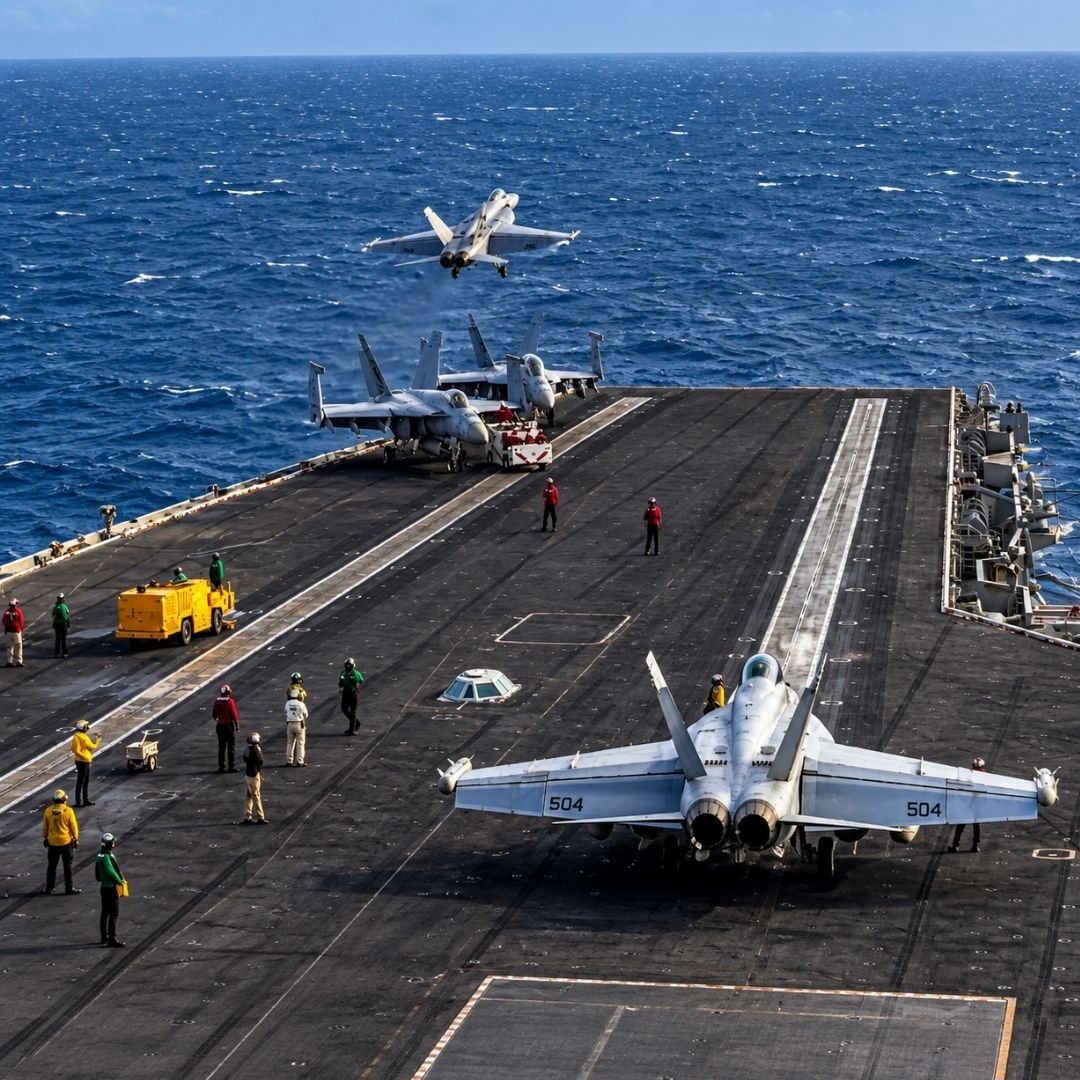
Photo Courtesy: U.S. Navy/Handout
The United States and Iran exchanged heavy attacks on Wednesday, marking a major escalation after weeks of relative calm. U.S. forces carried out strikes along Iran’s southern coast, targeting facilities linked to the Islamic Revolutionary Guard Corps (IRGC), including air-defense sites, radar systems, maritime assets, mine-laying capabilities and communications infrastructure. The renewed fighting has raised concerns that the conflict could enter another prolonged and more dangerous phase.
Iran responded by launching attacks against U.S. military positions in several Middle Eastern countries, including Jordan, Bahrain and Iraq. Iranian officials also warned that Tehran could prevent oil exports from the Gulf. The threat has increased concerns over the Strait of Hormuz, where commercial shipping has already faced serious disruption because of the wider conflict.

The renewed military activity presents significant risks to the maritime industry, particularly tankers, commercial vessels and their crews operating in and around the Strait of Hormuz. The waterway remains one of the world’s most important routes for oil and gas shipments. Continued attacks could force shipping companies to reconsider voyages through the area, while increasing insurance costs, operational expenses, delays and security risks for seafarers.
Further military action remains possible, with the United States indicating that additional strikes could follow and Iran maintaining its position on restricting commercial traffic through the Strait. Shipowners and operators are expected to continue assessing voyages based on the latest security information and risk assessments. Any further escalation could cause wider disruption to global shipping, energy supplies and the safety of seafarers operating in the region.
