
MARINO PH
Your Maritime Digital Hub

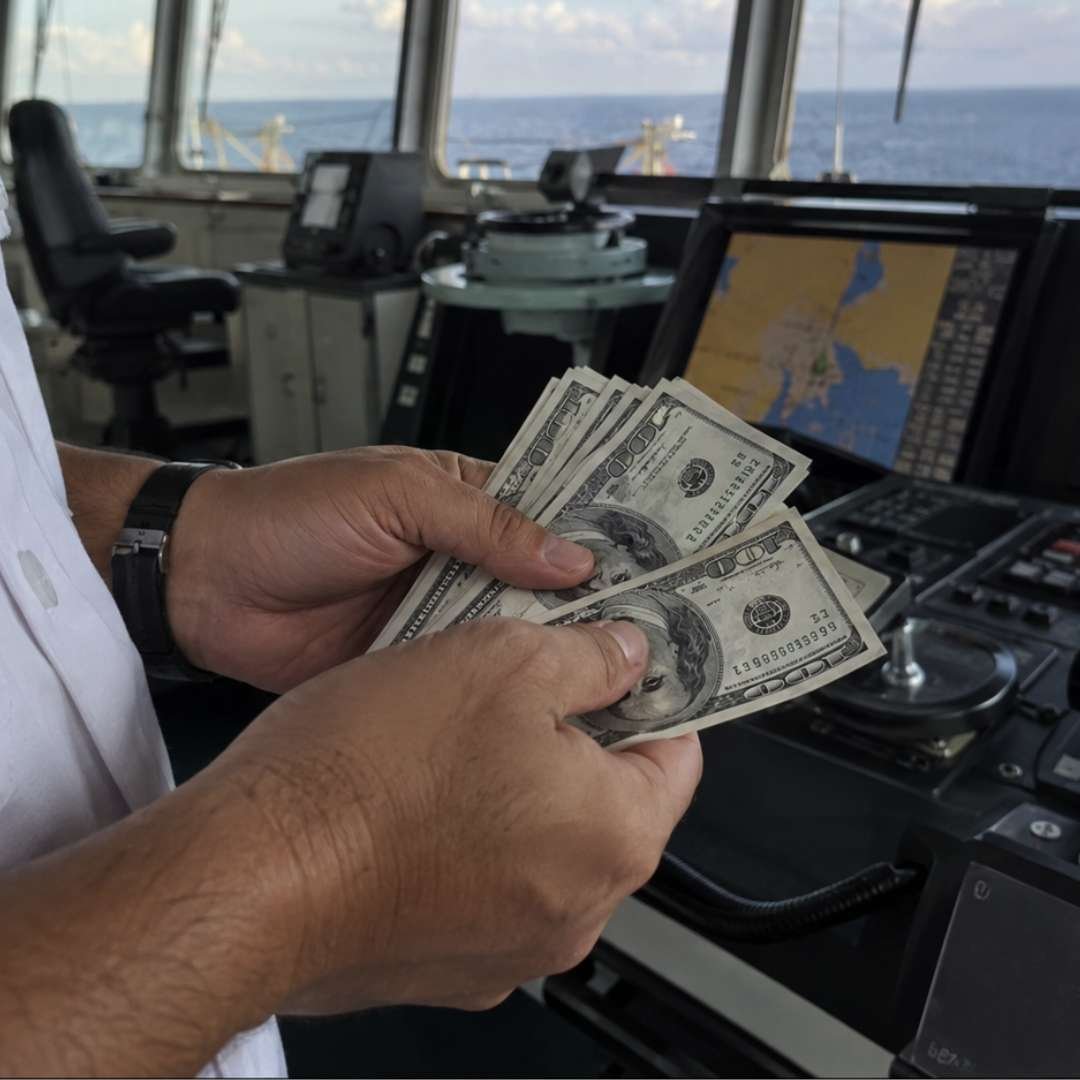
The Philippine peso entered the ₱62.70-per-dollar territory for the first time on record after weakening to an intraday low of ₱62.775 against the U.S. dollar on September 7, setting a new historic low. It later recovered to close at ₱62.586.
The latest decline comes amid continued pressure from higher global oil prices, geopolitical tensions in the Middle East, elevated U.S. interest rates, and strong demand for the dollar. Economists have warned that sustained peso weakness could also add pressure to domestic inflation.

Several financial institutions have already projected that the peso could reach ₱63 against the dollar. BMI expects the currency to trade within the ₱61–₱63 range, while UOB previously forecast ₱63 during the third quarter of 2026.
A move toward ₱64 is not the base-case forecast, but it remains possible under more severe economic conditions. MUFG earlier estimated that the peso could weaken to as much as ₱64.50 under a severe scenario involving prolonged inflation, higher energy costs and tighter global financial conditions.
