MARINO PH
Your Maritime Digital Hub

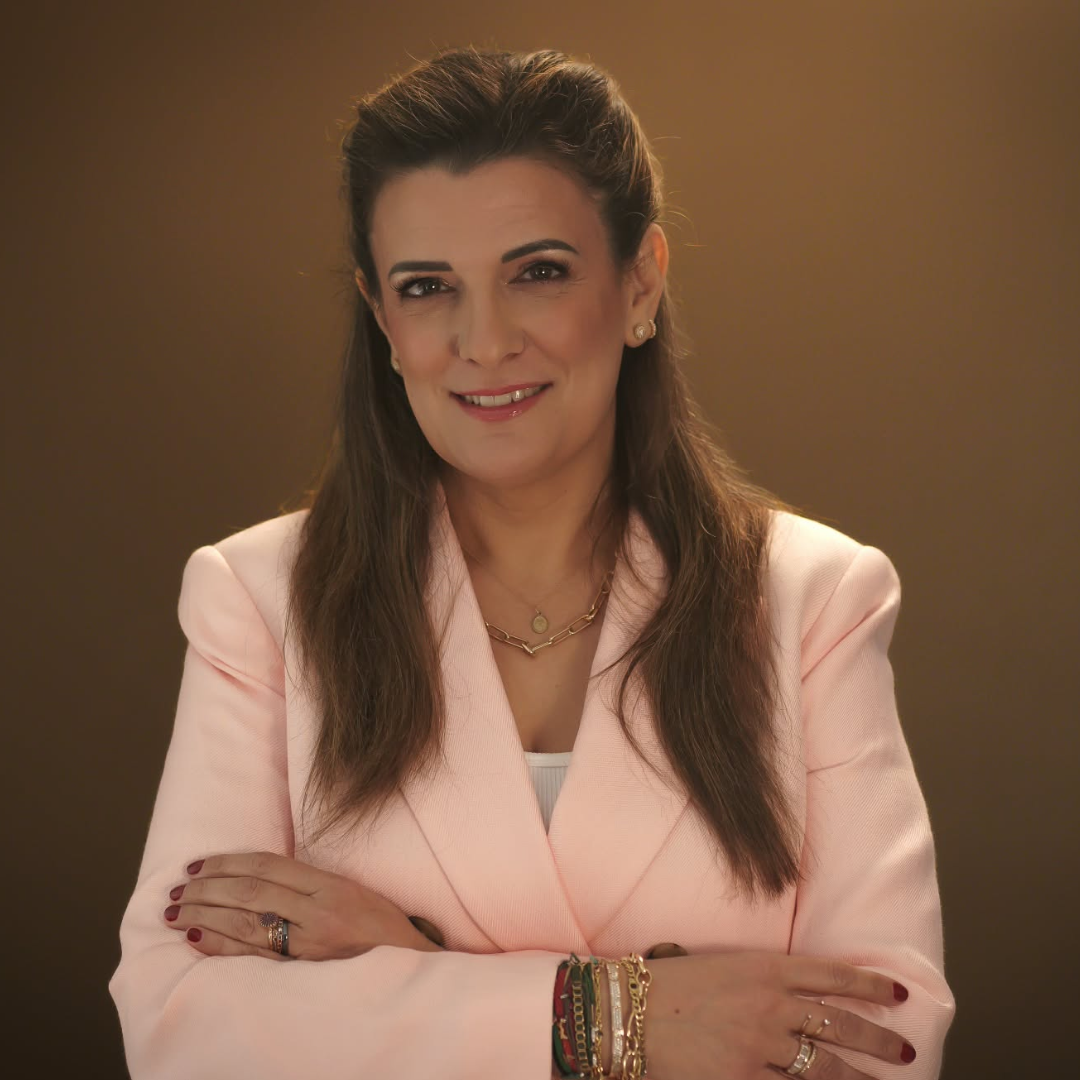
Decarbonisation, digitalisation, shifting global trade patterns and Asia’s growing influence are reshaping the shipping, logistics and trading sectors. With the WISTA International AGM and Conference taking place in Kuala Lumpur, WISTA International President Elpi Petraki highlights the importance of investing in people alongside technology and innovation. Asia, the world’s largest maritime market, is home to leading shipbuilding nations, major ports, shipowners and maritime service providers, with governments investing heavily in emerging technologies and sustainable shipping.
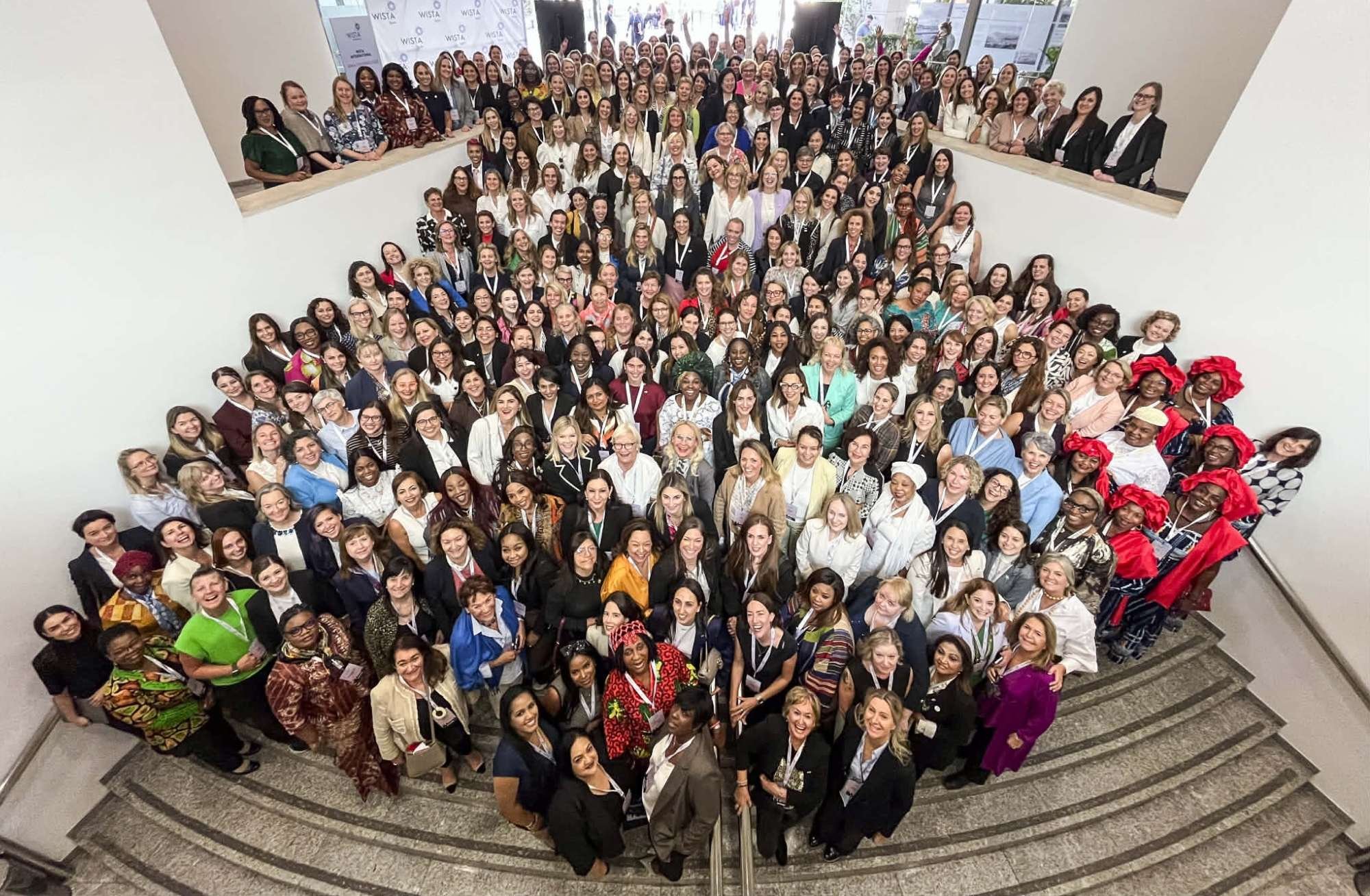
According to Clarkson’s Research and UNCTAD, China, the Republic of Korea and Japan accounted for 91% of ships completed globally in 2025. Singapore retained its position as the world’s leading maritime centre in 2026, while the Philippines remains the largest supplier of STCW-certified seafarers, with approximately 460,147 active Filipino seafarers according to the 2026 BIMCO and ICS Seafarer Workforce Report. Across Asia, advances in artificial intelligence, autonomous vessels, alternative fuels and smart ports continue to transform maritime operations, strengthening the region’s influence on global shipping.

However, Asia’s success is not driven by technology alone. Governments, maritime companies and educational institutions are investing in workforce development, professional training and inclusive leadership. Singapore prioritises developing a future-ready maritime workforce, while India and the Republic of Korea are advancing programmes supporting women’s participation and leadership in maritime professions. These initiatives demonstrate that the industry’s long-term success depends on attracting, developing and retaining skilled professionals.
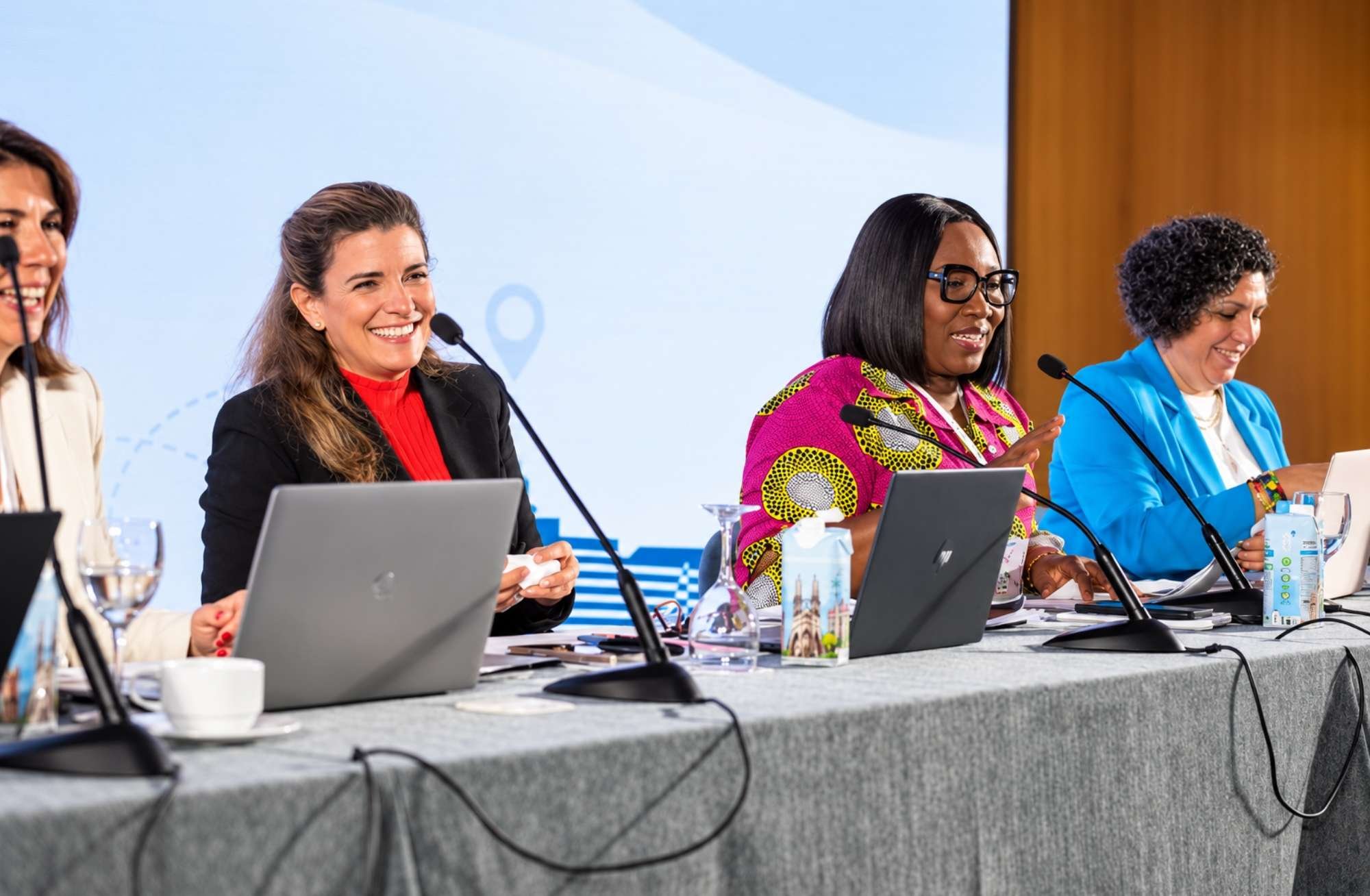
Petraki emphasises that inclusion is not about replacing men with women but empowering everyone to contribute their skills and experience. WISTA International continues to promote gender equality through research, professional development and collaboration. Initiatives such as the IMO-WISTA Women in Maritime Survey and leadership training programmes support greater representation and workplace inclusion. Meanwhile, STCW Code amendments effective January 1, 2026, require training to prevent and respond to violence and harassment, reinforcing the importance of safe and respectful working environments.
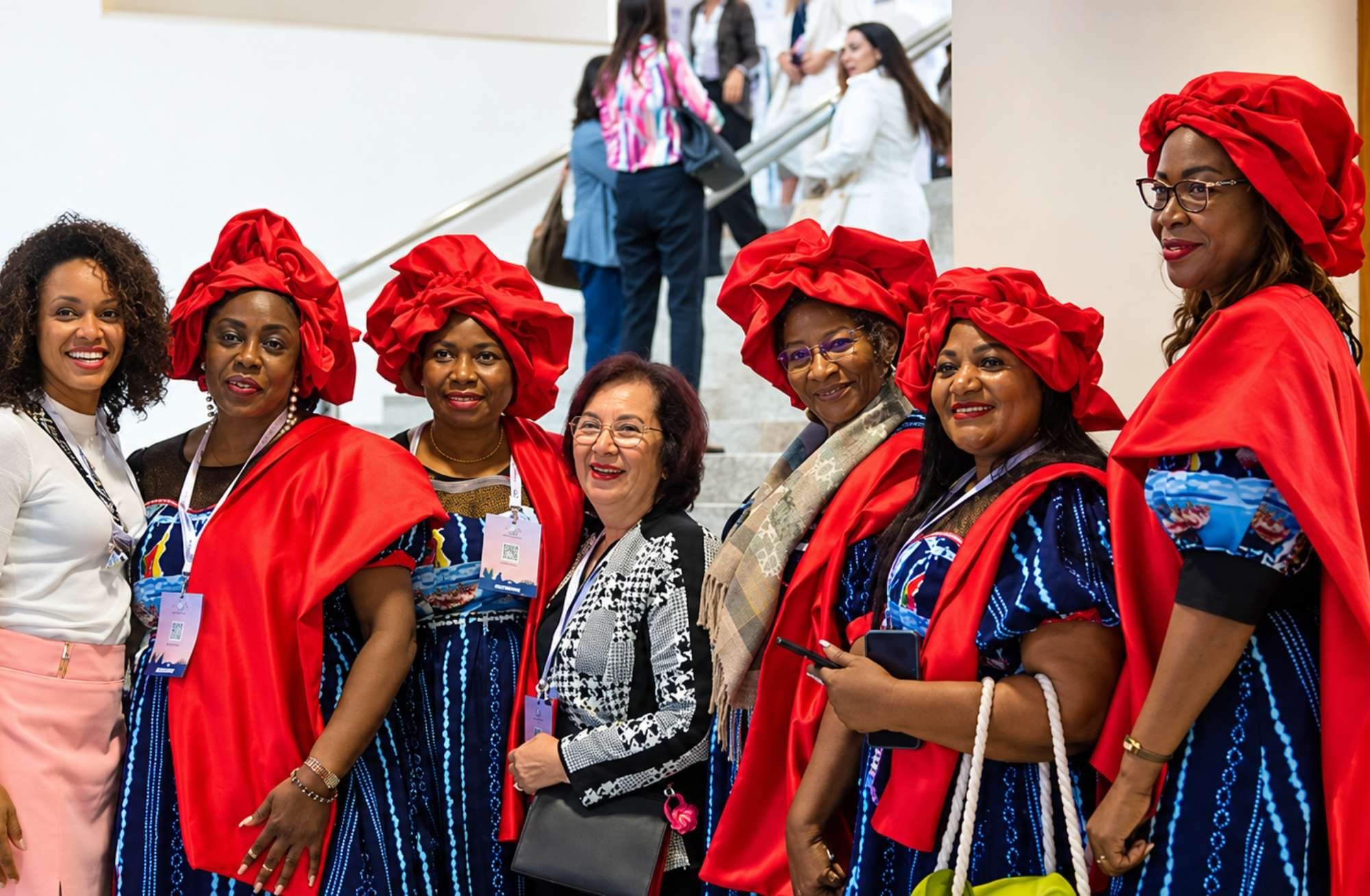
The WISTA International AGM and Conference in Kuala Lumpur, co-hosted by WISTA Hong Kong SAR China, WISTA Malaysia and WISTA Singapore, provides a platform for discussions on sustainability, technology and inclusive leadership. As her presidency comes to an end, Petraki encourages maritime stakeholders to continue listening, learning and collaborating. She stresses that meaningful and lasting progress requires strong frameworks supporting equity, equality and diversity, recognising that people remain the maritime industry’s greatest asset.
