MARINO PH
Your Maritime Digital Hub

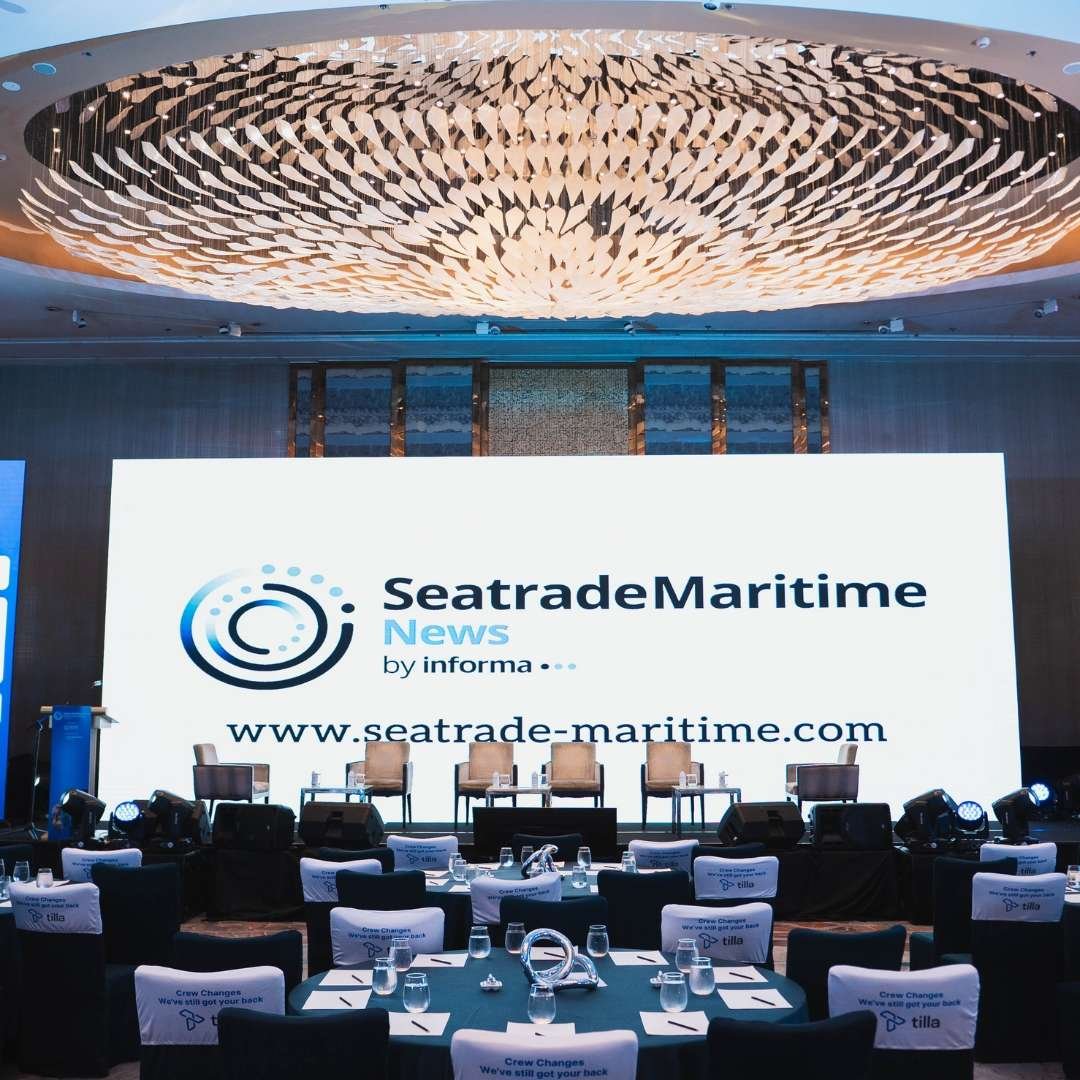
TAGUIG CITY, Philippines — The second day of Seatrade Maritime Crew Connect Global 2026 successfully concluded on October 21 at Shangri-La The Fort, Bonifacio Global City, bringing together maritime leaders, regulators, shipping executives, training professionals, and industry stakeholders. The conference continued its discussions on workforce development, maritime education, seafarer welfare, and the evolving requirements of international shipping.
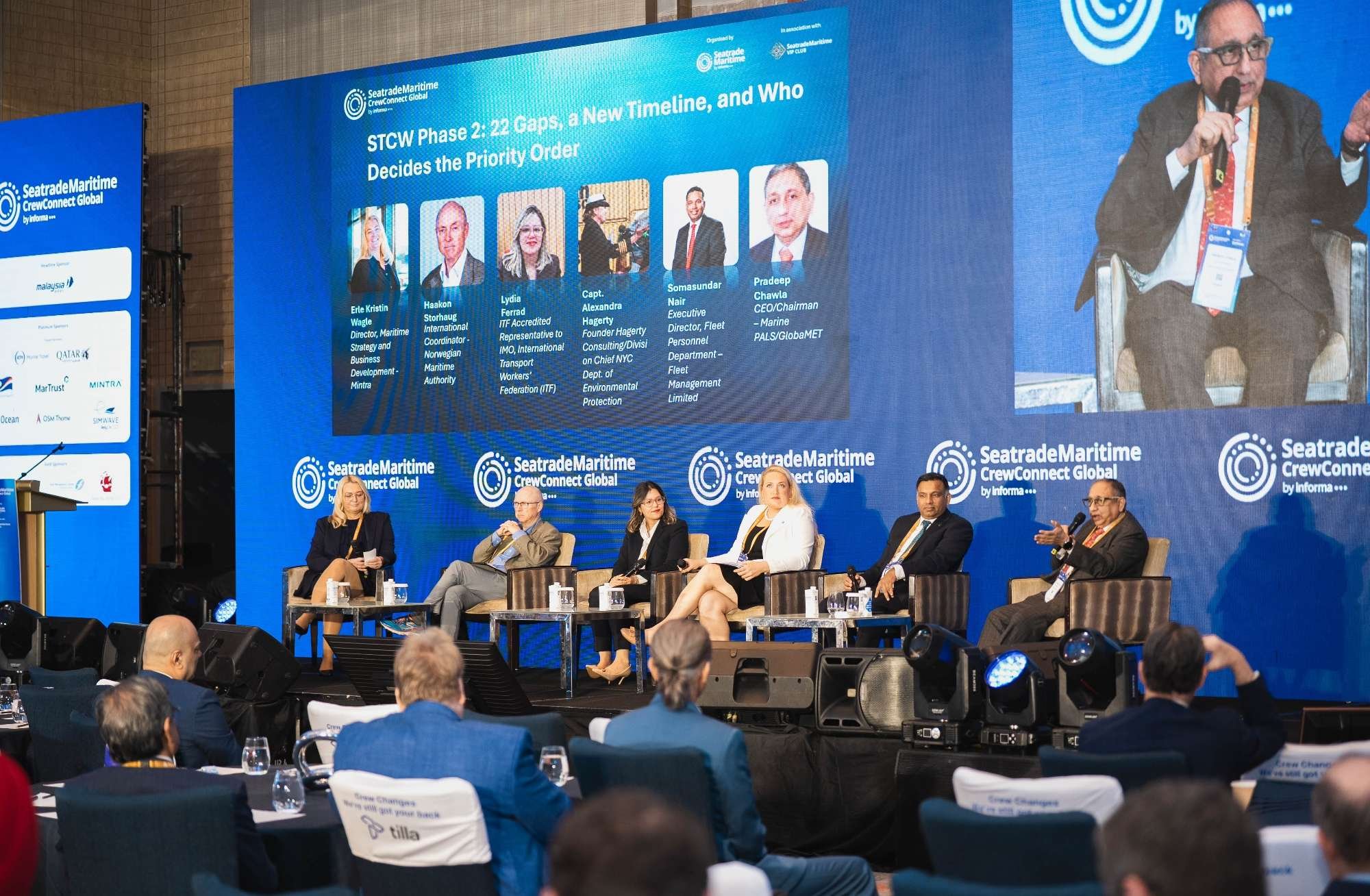
A major focus of the conference was the ongoing review of the International Convention on Standards of Training, Certification and Watchkeeping for Seafarers (STCW) and its Code. Industry representatives examined emerging competency requirements, technological advancements, artificial intelligence, and the implications of alternative fuels for maritime training and shipboard operations.
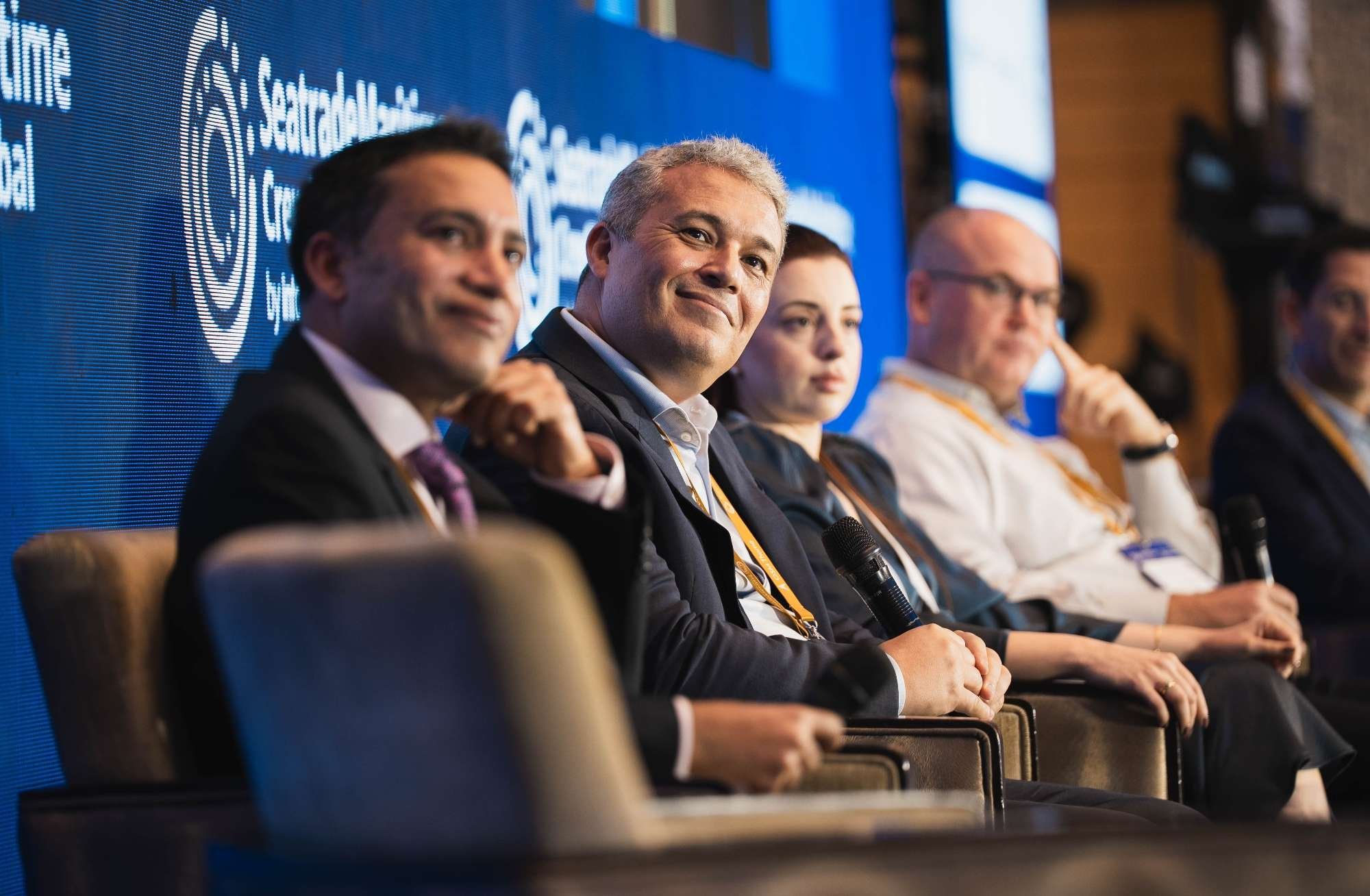
Discussions also addressed the challenges facing modern seafarers, including digital connectivity, technostress, financial pressures associated with professional development, and the increasing demand for qualified maritime personnel. Participants emphasized the importance of preparing seafarers for the industry\'s decarbonisation efforts while maintaining safety, operational efficiency, and professional competency.
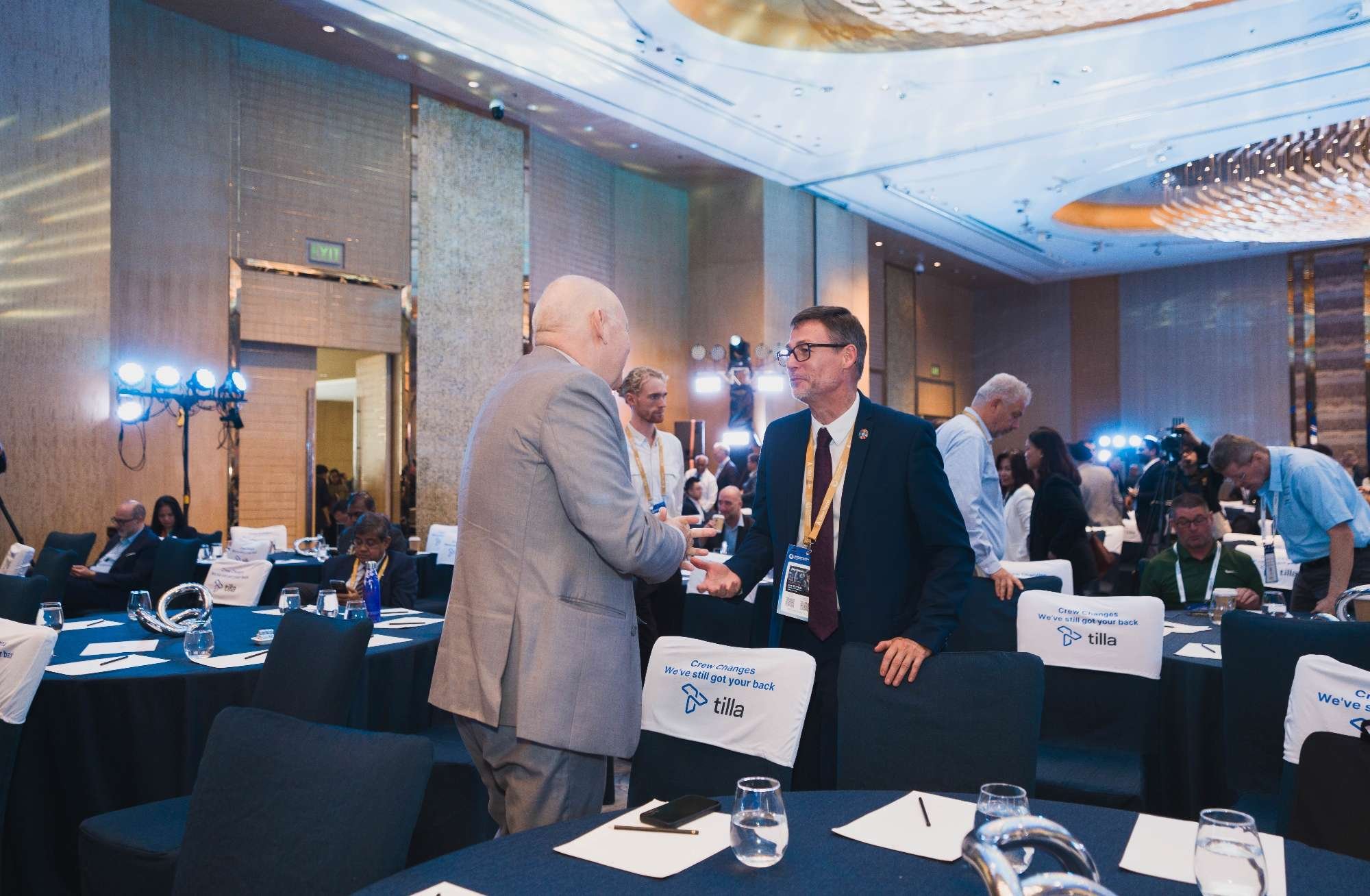
Throughout the sessions, maritime stakeholders exchanged perspectives on strengthening maritime education, improving workforce preparedness, and promoting collaboration among shipping companies, training institutions, regulators, and seafarer organizations. The discussions highlighted the importance of continuous learning and effective support systems as the maritime industry undergoes technological and operational transformation.
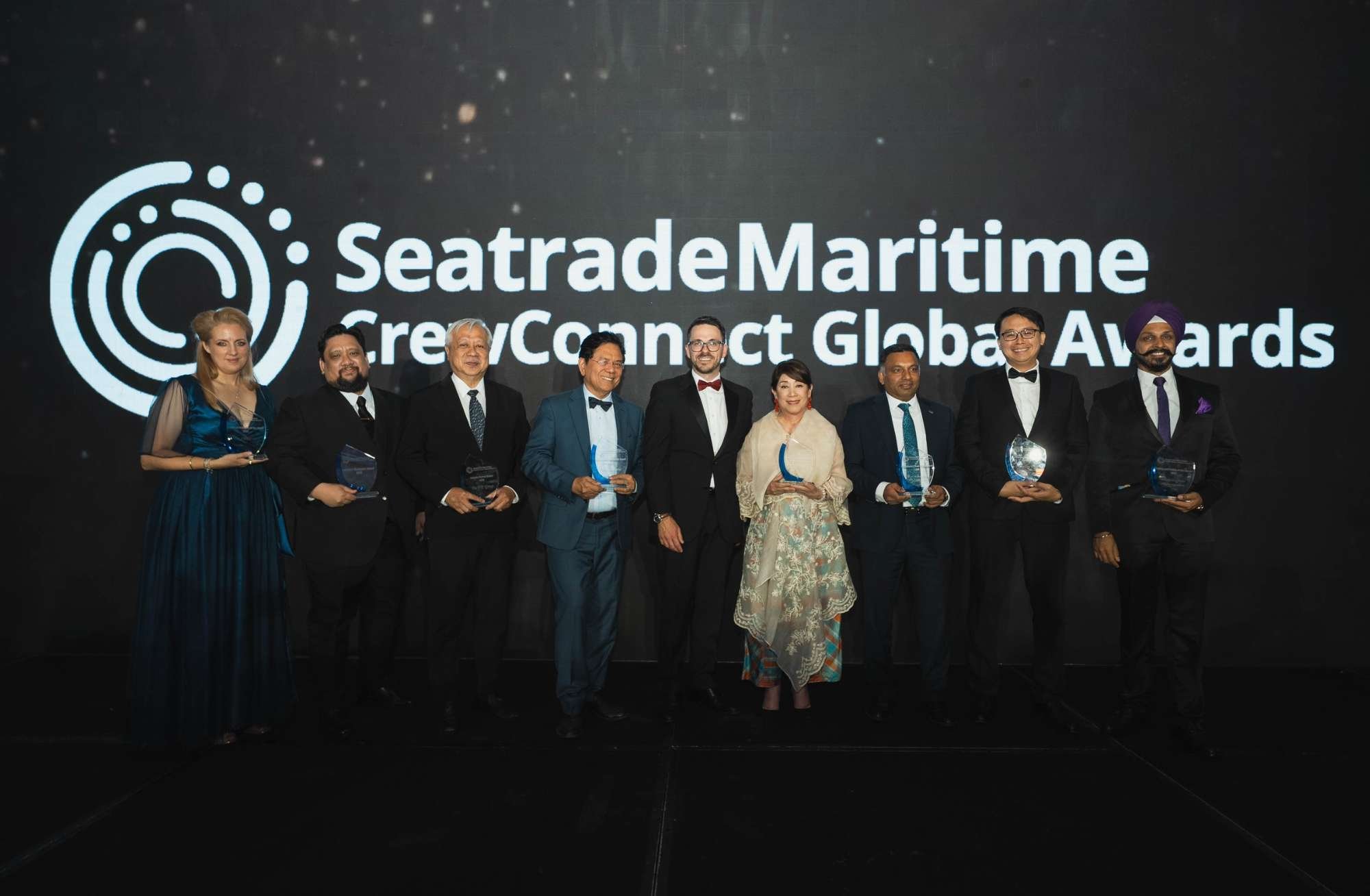
The day\'s conference sessions concluded with closing remarks, followed by the scheduled Crew Connect Global Awards Gala Dinner, recognizing contributions and achievements within the international maritime industry. The successful second day reinforced the conference\'s role as a platform for industry dialogue, professional networking, and cooperation in addressing the future needs of the global maritime workforce.
