MARINO PH
Your Maritime Digital Hub

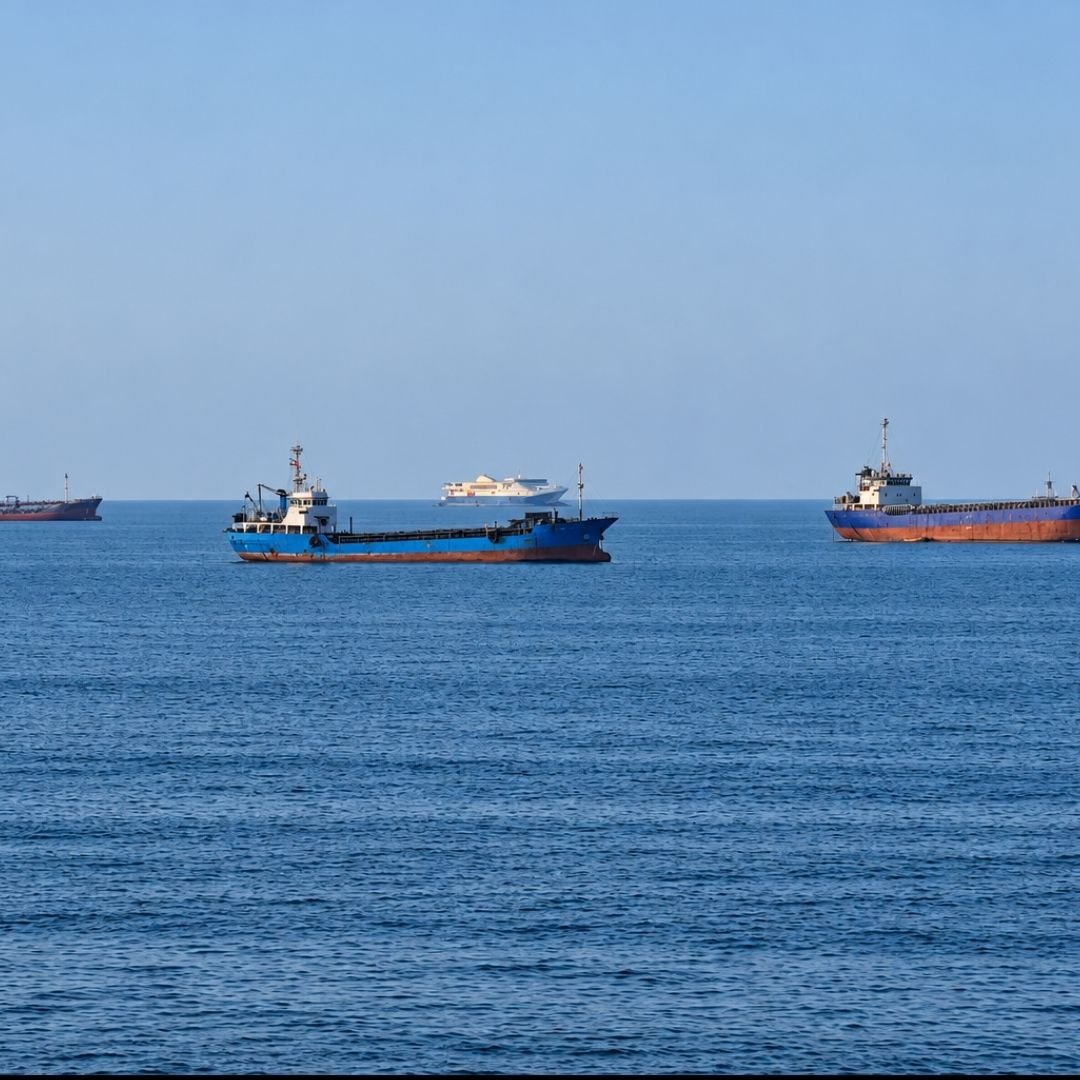
Photo Courtesy : West Asia News Agency
Commercial tankers face increasing security risks in the Strait of Hormuz after Iran warned that it would block maritime routes it has not authorized for oil exports. Regional officials said the warning forms part of a strategy agreed upon by Iran’s political leadership and the Islamic Revolutionary Guard Corps (IRGC) to maintain control over the strategic waterway. The threat comes as shipping traffic through the strait has declined amid escalating attacks on commercial vessels.
According to maritime security sources, attacks on tankers reached their highest weekly level since the conflict involving Iran began in February 2026. Between September 28 and October 5, at least 12 attacks involving oil, liquefied natural gas and liquefied petroleum gas tankers were reported by three maritime security sources. The United Kingdom Maritime Trade Operations (UKMTO) also reported an incident involving a tanker struck by multiple projectiles approximately 51 nautical miles north of Qatar’s Madinat ash Shamal.

The tanker incident involved the Antigua and Barbuda-flagged chemical tanker Acers, which was reportedly hit by multiple projectiles while operating in the Gulf. Maritime security sources reported minor injuries among its crew. Clearwater Dynamics, a maritime risk intelligence company, warned that the incident could indicate an expanding threat to shipping routes serving Qatar, Bahrain, Saudi Arabia, Kuwait and Iraq. The vessel’s operator had not publicly commented on the incident at the time of reporting.
The growing security concerns have prompted shipping operators and energy companies to reassess vessel movements and export strategies across the region. Some Gulf oil producers have been using routes closer to the Omani coast before transferring cargoes to other tankers in the Gulf of Oman, with reported aerial support from the United States. Meanwhile, the International Maritime Organization and maritime industry representatives continue to face concerns over seafarer safety, rising transportation costs and potential disruptions to global energy supplies as tensions persist around the Strait of Hormuz.
