MARINO PH
Your Maritime Digital Hub

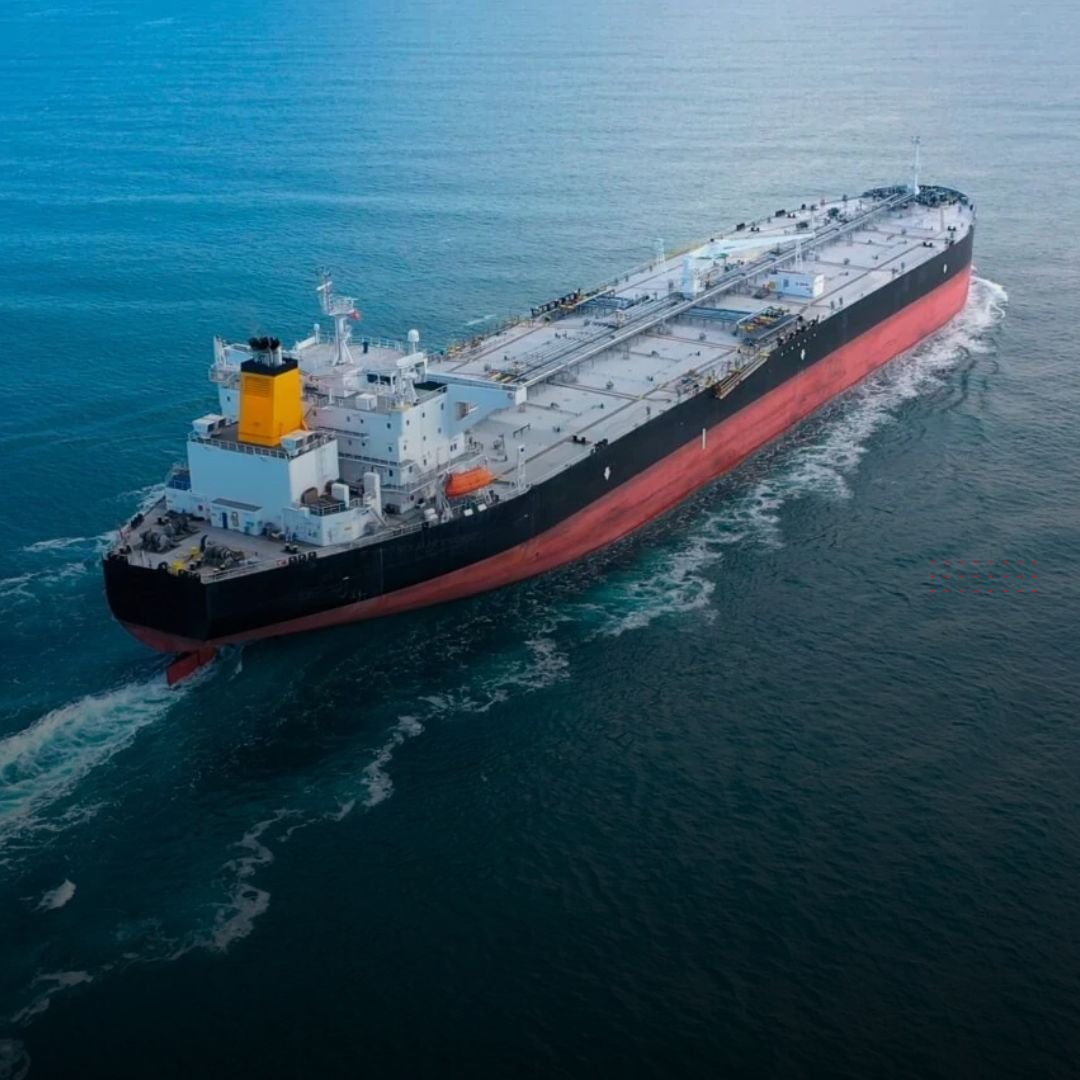
PHOTO COURTESY: Ali Mohammad/Bloomberg
The flow of crude oil from the Middle East to international markets could face renewed disruptions as the number of empty oil tankers heading toward the region continues to decline, raising concerns over the sustainability of its recovering oil exports. According to a report published by Bloomberg on November 17, 2026, and carried by gCaptain, the available capacity of empty tankers sailing toward the region has dropped significantly, potentially limiting the ability of oil producers to transport crude to global markets.
Data from Tankertrackers.com, a vessel-monitoring company, showed that the combined carrying capacity of empty Very Large Crude Carriers (VLCCs) and Suezmax tankers traveling toward the Middle East has fallen by approximately 40% since the end of August. VLCCs can transport around two million barrels of crude oil per voyage, while Suezmax vessels typically carry approximately half that volume. These vessels play a critical role in maintaining the movement of petroleum shipments from major oil-producing countries to international destinations.

The ongoing conflict involving Iran has further complicated tanker operations, particularly around the strategically important Strait of Hormuz. Security concerns have discouraged some shipping companies from allowing their vessels to transit the waterway, prompting alternative arrangements in which certain tankers collect crude oil in the Gulf of Oman from vessels willing to navigate through the strait. However, Tankertrackers.com co-founder Samir Madani warned that the region may not have enough available tankers to transport the accumulated oil onward to international buyers.
Despite the declining availability of empty tankers, ship-to-ship (STS) transfers outside the Persian Gulf remain relatively active, allowing crude shipments to continue moving toward their destinations. Nevertheless, vessel-tracking data indicate that oil flows from the region have experienced a decline during November. The exact causes, extent, and duration of the decrease remain uncertain. Meanwhile, tanker freight rates, which have fallen from record-high levels in recent weeks, could face renewed upward pressure if the shortage of available vessels continues.
The situation highlights the importance of tanker availability in sustaining global energy supply chains, particularly during periods of geopolitical instability. Continued attacks on commercial shipping and security risks in the Gulf have already affected vessel movements, creating additional challenges for shipowners, charterers, and oil exporters. As the situation develops, the availability of suitable tankers and the security of major maritime routes will remain crucial factors in determining whether Middle Eastern oil exports can maintain their recovery.
